#upper-atmosphere-cooling
#upper-atmosphere-cooling
[ follow ]
#climate-change #global-warming #extreme-weather #temperature-records #sea-level-rise #greenhouse-gases

fromwww.cbc.ca
6 days agoIt may not feel like it, but warmer temperatures are right around the corner: meteorologist | CBC News
Kennedy predicts hot and dry conditions from the west will shift eastward later this week, allowing for a noticeable warm-up and shift towards spring-like conditions.
Canada news
Europe news
fromLondon Business News | Londonlovesbusiness.com
6 days agoUK set for brief early-April heatwave before temperatures plunge - London Business News | Londonlovesbusiness.com
Parts of the UK will experience warm temperatures up to 26°C, but a significant drop in temperatures is expected later in the week.
fromLos Angeles Times
3 weeks agoSouthern California's heat wave hasn't peaked yet and it's already breaking records
During this heat wave, "not only are daily temperature records likely to be broken across the region, but even the high temperature records for any day in the entire month of March," the National Weather Service said in a Tuesday morning forecast.
Los Angeles
fromThe Washington Post
3 weeks agoIt's so hot in the West that temperatures may even break April records soon
Not only will temperatures break March monthly records, but this heatwave will even break April records. Over the next week, around 800 high temperature records are forecast to be neared, tied or broken at 165 locations in Western and Central states - some by more than 10 degrees - with unusual warmth set to linger into late March.
US news
Science
fromYahoo News
1 month agoPolar vortex split could bring brutal cold to Northeast. Will it impact NY?
A polar vortex split in the stratosphere will redirect Arctic air southward, bringing single-digit temperatures to the Great Lakes and Northeast later this month, with potential impacts extending to Tennessee and the Carolinas.
#extreme-weather
Environment
fromFast Company
1 month agoWeather whiplash to sweep U.S. with simultaneous blizzard, polar vortex, and heat dome
Extreme weather is affecting nearly all U.S. regions simultaneously, including record heat in the Southwest, snow in the Great Lakes, Arctic cold in the Midwest and East, and heavy rain in Hawaii.

fromwww.npr.org
2 months agoFAQ: What is wind chill, and why is it dangerous?
Wind chill is a measure of how quickly bodies lose heat when you combine low temperatures with high winds. And wind chill conditions can be dangerous. "The stronger the winds [and] the colder it is, the more likely you are to develop frostbite in a short amount of time or hypothermia," says Jessica Lee of the National Weather Service's Weather Prediction Center.
Public health
fromThe Atlantic
1 month agoThe Blind Spot at the Top of the World
He had flown in from Mar-a-Lago and, he told me, was there to observe. The next day, he watched as Åsa Rennermalm, a Rutgers University professor who studies polar regions, sat onstage with European foreign ministers and spoke out against cuts to U.S. science funding. "A leading US Arctic scientist is on stage absolutely ripping her country to the delight of the audience," Dans wrote on X. "Embarassing." He punctuated his post with an American-flag emoji.
US politics

World news
fromwww.theguardian.com
1 month agoWeather tracker: tropical cyclones hit Australia and Madagascar and -40C cold snap in northern Europe
Concurrent tropical cyclones caused severe coastal damage and flooding in Western Australia and Madagascar while Europe experienced contrasting wet and cold weather extremes.
Science
fromNature
1 month agoThe first ice-core record of historical atmospheric hydrogen levels
Atmospheric hydrogen levels fluctuate with climate changes and have increased significantly since pre-industrial times due to human activities, requiring consideration in projections of future emissions impacts.
fromwww.theguardian.com
1 month agoExtreme heat lab: enduring the climate of the future
"So whenever people think about hot weather, they always talk about the temperature," he says. "There's two issues with that. First of all, most people don't realise that the temperature is measured in the shade. So if you're in direct solar radiation, the amount of heat stress you're exposed to is much greater as it will stress your body out a lot more."
Public health
Environment
fromState of the Planet
1 month agoAntarctica Undergoes 'Greenlandification' As Ice Melt Accelerates
Antarctica's ice sheet is undergoing rapid destabilization similar to Greenland's, with accelerating surface melt, ice shelf collapse, and grounding line retreat driven by oceanic and atmospheric warming.
Environment
fromMail Online
1 month agoScientists find 'red flags' hinting the Gulf Stream is near collapse
The Atlantic Meridional Overturning Circulation shows warning signs of potential collapse due to freshwater from melting ice sheets diluting ocean water and weakening the system's driving mechanism.


fromThe Local Germany
2 months agoWill the ice ever melt in Germany this winter?
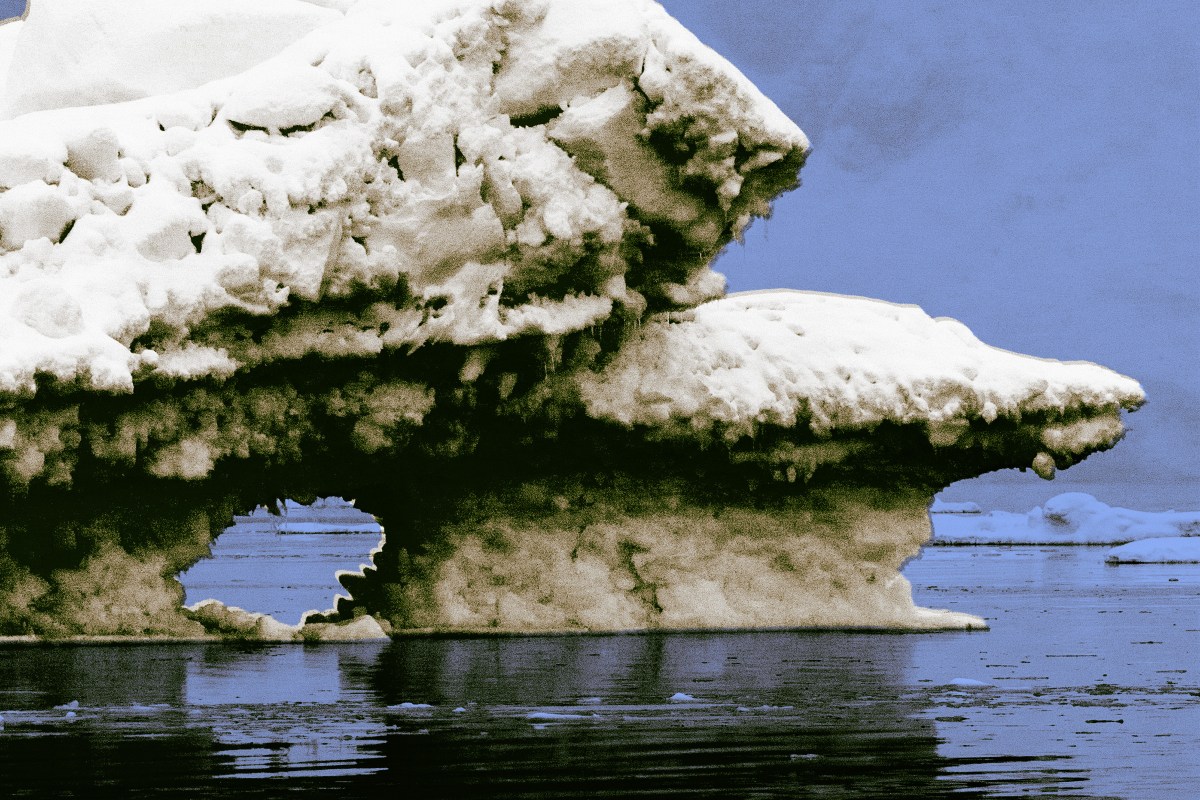
In Berlin, hospitals and clinics and working nonstop to treat a surge of patients with injuries from falling on icy pavements. Surgeons have been working through the night to cope with the influx, with many patients suffering broken bones, concussions and even near-paralysis from falls according to reporting in the Berliner Zeitung. Meanwhile, on Thursday night alone, police in Hanover and the surrounding region recorded 37 traffic accidents due to slippery roads, though thankfully only one person was slightly injured.
Miscellaneous
fromNature
1 month agoThe world is getting hotter faster - its pace nearly doubled in the past decade
Because the past three years have shattered temperature records, researchers have been exploring whether global warming is accelerating, and if so, why. Many scientists agree that the rate at which it is increasing has picked up. This is mainly because of a reduction in air pollution following the introduction of fuel regulations for international shipping (which has resulted in fewer pollutant particles that reflect sunlight into space and seed insulating clouds).
Environment
fromwww.dw.com
2 months agoArctic scientists 'feel pretty uncomfortable' on Greenland
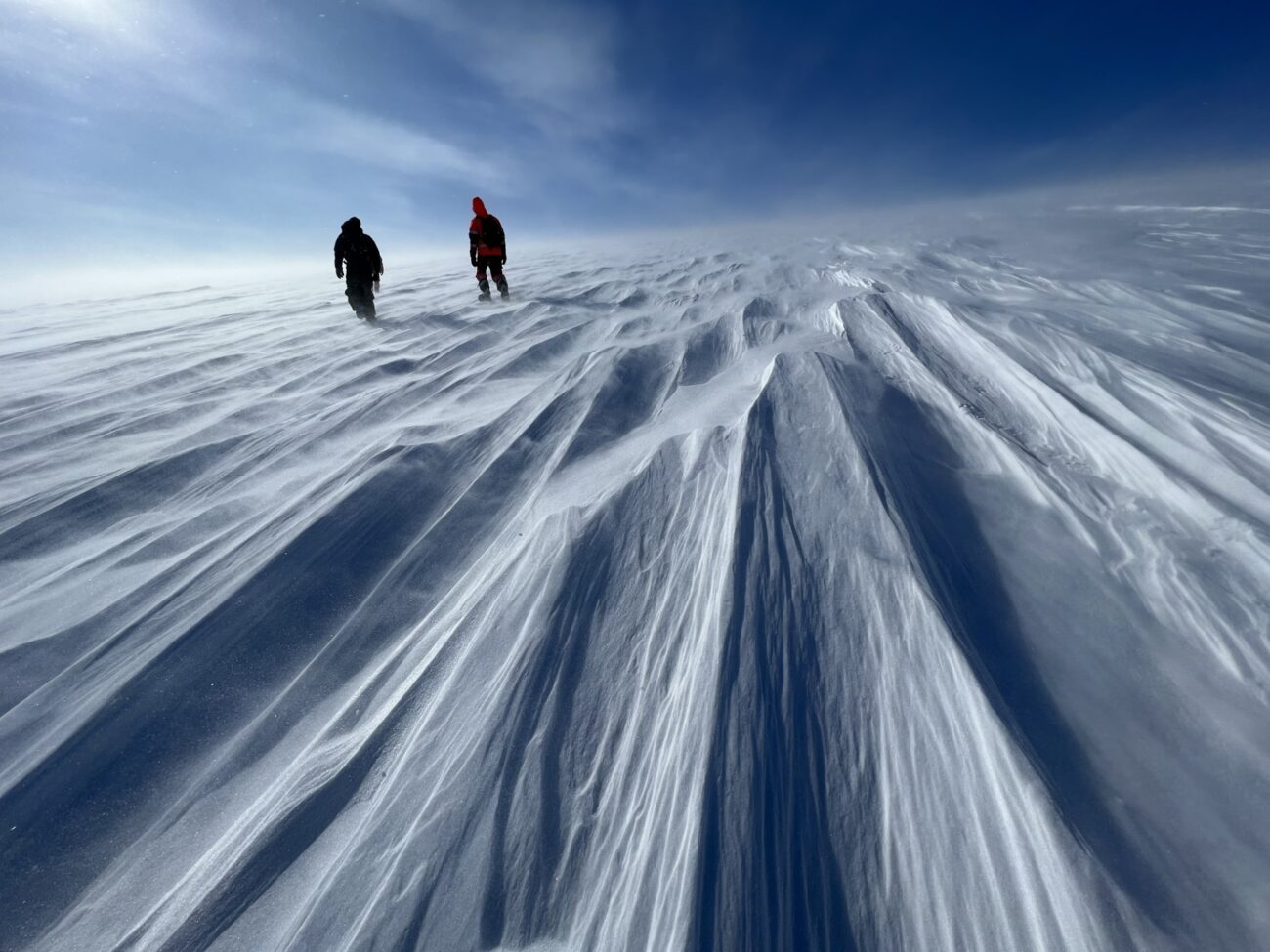
Decades of successful scientific collaboration could be at risk if Europe-US political relations continue to fray over trade and defense issues. For more than 30 years, Arctic nations have worked together across the physical, biological and social sciences to understand one of the world's fastest changing regions. Since the late 1970s, the Arctic has lost around 33,000 square miles of sea ice each year roughly the same area as Czechia.
Science
Environment
fromwww.mercurynews.com
2 months agoMeteorologists blame a stretched polar vortex, moisture, lack of sea ice for dangerous winter blast
Warm Arctic waters and cold land are elongating the polar vortex, bringing subzero temperatures, heavy snow, and crippling ice across much of the United States.
fromState of the Planet
2 months agoUnexpected Climate Feedback Links Antarctic Ice Sheet With Reduced Carbon Uptake
Ice-sheet retreat lined up with low algae growth over the past ~500,000 years, implying less CO₂ uptake in parts of the Southern Ocean during warm periods. The study points to iceberg-delivered, iron-rich sediments from West Antarctica during warm intervals, not windblown dust. The iron-bearing minerals in these sediments were highly weathered and not readily bioavailable to marine algae. If WAIS keeps shrinking, similar sediment delivery could weaken Southern Ocean carbon uptake, creating feedback that could amplify climate change.
Environment
fromenglish.elpais.com
2 months agoArctic warming Trump dismisses reaches record highs, stoking interest in Greenland
Climate change which U.S. President Donald Trump calls the greatest con job ever perpetrated in the world is precisely what is driving the push to gain control of Greenland, an ambition openly declared by Trump. Human-caused global warming is reaching record levels in the Arctic region. This triggers ice melt, opening new shipping routes that major powers want to control, as well as theoretically easier access to the island's resources minerals and fossil fuels.
Environment
fromMail Online
1 month agoAntarctica's worst-case climate scenario laid bare
Changes in the Antarctic do not stay in the Antarctic. Though Antarctica is far away, changes here will impact the rest of the world through changes in sea level, oceanic and atmospheric connections and circulation changes.
Environment
fromwww.nature.com
2 months agoAtmospheric H2 variability over the past 1,100 years
Warwick, N., Griffiths, P., Keeble, J., Archibald, A., & Pyle, J. Atmospheric implications of increased Hydrogen use. GOV.UK https://www.gov.uk/government/publications/atmospheric-implications-of-increased-hydrogen-use (2022).
Environment


fromwww.theguardian.com
2 months agoBomb cyclone brings freezing temperatures and snow to millions in US
A bomb cyclone produced freezing temperatures across a large portion of the US from the Gulf coast to New England, bringing heavy snow to North Carolina where two were killed in storm-related conditions, and setting records in Florida, where officials warned of ice and falling iguanas. About 150 million people were under cold weather advisories and extreme cold warnings in the eastern portion of the US,
Environment
fromThe Atlantic
1 month agoThe West's Winter Has Been a Slow-Moving Catastrophe
If you are reading this on the East Coast, congratulations on the warmer weather you're finally getting this week. It was cold and snowy for a while there. Here in the West, we wish we'd been in your shoes. Spare a thought for the tens of millions of us who live on the other side of the continent, where a catastrophe is unfolding.
Environment
[ Load more ]