Beer
fromTasting Table
1 day agoDining In Philadelphia? You Might Experience This Uncommon Alcohol Rule - Tasting Table
Philadelphia has a high number of BYOB restaurants due to difficulties in obtaining liquor licenses.
Sukari Spirits positions itself as an originator and innovator of all-natural, ultra-premium spirits, with a focus on clean formulations and elevated drinking rituals.
Ontario and Nova Scotia have agreed to let their residents buy alcohol directly from the other's province, part of the premiers' ongoing work to bolster interprovincial trade. Producers of beer, wine and spirits can start applying Tuesday to the province's liquor corporation for authorizations to do the direct-to-consumer sales, a process the premiers say will only take a matter of days.
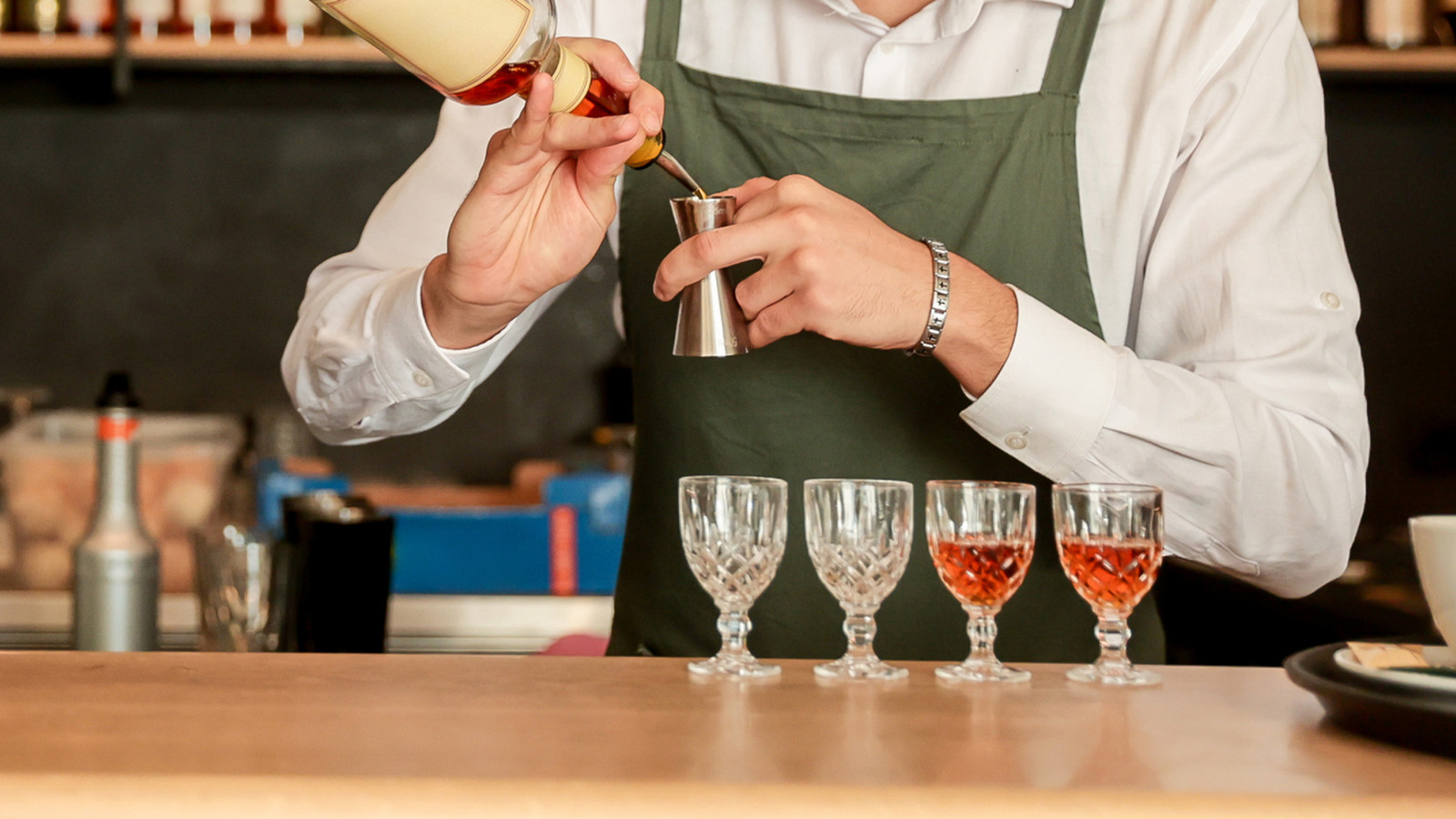
Generally, the pour of liquor in your glass is up to the discretion and recipe of the mixologist. In Utah, however, bartenders are required to use a special calibrated device to ensure that a pour of liquor comes out at exactly 1.5 ounces. They are quite serious about this, mandating that all bottles use these devices, and that the devices themselves have a margin of error of less than one sixteenth of an ounce for a one-ounce pour - or about a third of a teaspoon.
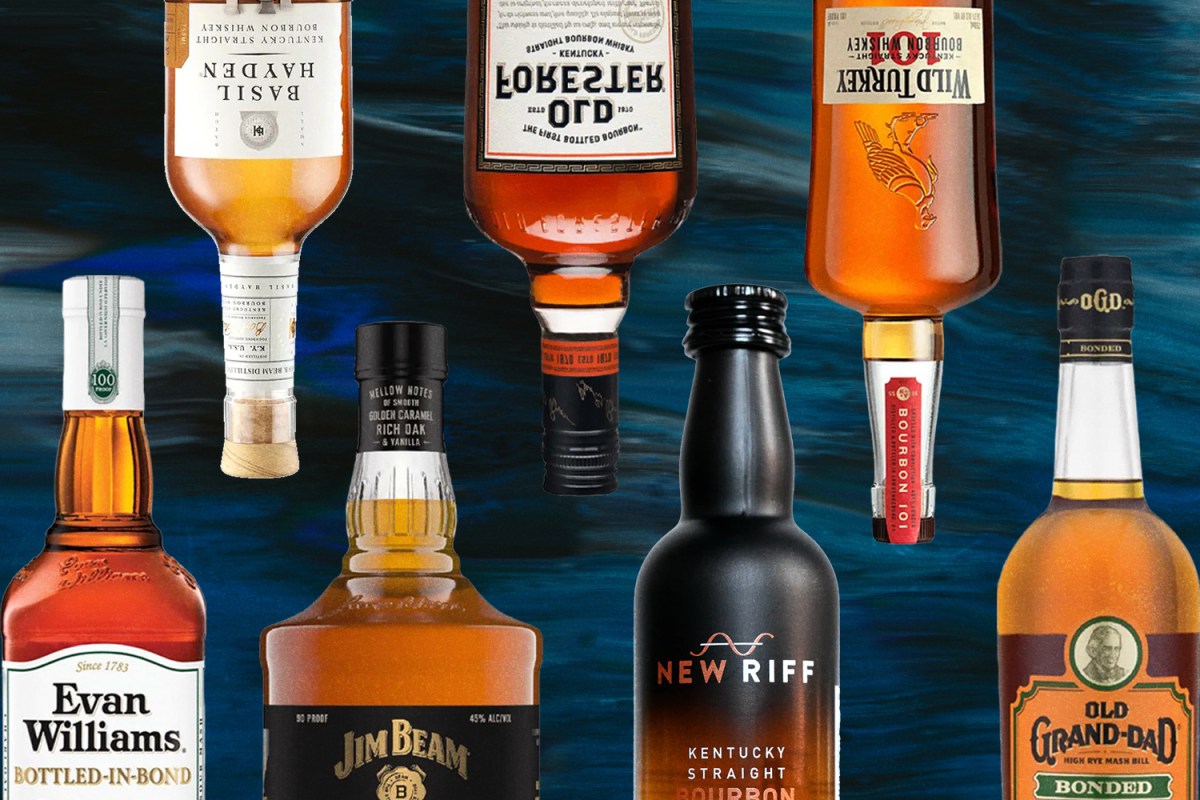
Along with the challenges of operating any new business, making good bourbon takes time and expert craftsmanship. It's for this reason that many new "distilleries" aren't distilleries at all (non-distilling producers, blenders, rectifiers). Instead, they source bourbon and then sell it as their own. That's not inherently a bad thing, as some expertly blend whiskey or add extra maturation to create a genuinely impressive bourbon, but there is a clear difference.
But then the playoffs arrive, and you and I are reminded of what makes twilight football-outdoors and on grass-special. You start off in broad daylight as both teams fuck around for a quarter or two. Then the sun slowly begins to bleed away, taking all distractions along with it as it sinks below the horizon. Now we're in primetime, when everyone is watching. Now every player on the field is in the spotlight, and you, the viewer at home, are dialed in.
The U.S. spirits landscape has evolved far beyond the recognition of simply being the birthplace of bourbon. In recent years, we've seen a transformation in both the quality and individuality that the country's craft distilleries have been able to produce. While previous decades were dominated by the big-name distilleries, far more awards are going to craft distillers who have mastered the art of producing high-quality whiskeys, rums, gins, and more.
Sorel Liqueur was born long before it reached store shelves, was carried across the Atlantic by enslaved Africans, preserved in Caribbean kitchens, and passed down through generations that refused to forget who they were. Today, that history lives inside a bottle created by Jackie Summers, founder of Jack from Brooklyn and the first black person to be granted a license to make liquor post-prohibition in U.S history. With Sorel Liqueur, Summers did more than launch a spirits brand. He reclaimed a cultural legacy.
In 2025, legacy Oregon craft brewery Rogue Ales & Spirits filed for bankruptcy and shuttered operations, California uprooted 38,134 acres of wine grapes (in order to cope with overproduction and stymie future excess crops), and Jim Beam announced it would cease production of bourbon at its main distillery for the duration of 2026. An increasing push toward sobriety has flooded the market with nonalcoholic alternatives to traditional tipples.
As an editor and writer who regularly covers the world of nonalcoholic drinks, I have tasted more than my fair share of booze-free wines. Much like with regular wine, the results have been mixed some are bitter or super sour, or even worse, smell like nothing. But I've also had the pleasure of drinking alcohol-free wines that scratched the same itch as a top-notch riesling or champagne.
Prohibition was the nationwide ban on the sale, manufacturing, and transportation of alcohol in the United States from 1920 to 1933. During this period, gangsters and bootleggers produced illegal booze, smuggled it across state lines, and ran secret bars throughout the country. While some bars were raided by the authorities, others thrived as a result of deals with the police or extensive protective measures.
One of the oldest recipes for a classic, pre-Prohibition whiskey sour calls for a simple mixture of sugar, lemon juice, and whiskey. While some renditions swap simple syrup in place of sugar or add an egg white to the recipe to give it a frothy body, another variation on this famous favorite, widely known today as the New York sour, includes a float of red wine.