#usability-and-reliability
#usability-and-reliability
[ follow ]
#user-experience #ai #product-design #design #ux-design #ai-agents #web-development #usability #ai-in-design #uiux

#ai

Artificial intelligence
fromMedium
4 days agoNotes from the people building your future
AI-driven job displacement requires thoughtful policy to ensure equitable distribution of prosperity and prevent increased inequality.



fromMedium
3 weeks agoYou can't design what you won't maintain
Santa Cruz de Tenerife is one of the most idyllic cities in the Canary Islands. At its heart stands the jewel - the Auditorio. It's a place where talent from both worlds, New and Old, comes together. A theatre, opera, dance, and music heaven.
Berlin
fromBuzz Usborne
1 month agoDesigning AI Experiences People Actually Use
For decades in SAAS, products reduced ambiguity. Users supplied constrained inputs, and the system handled the output. It's never been Minority Report cinematic, but it was predictable. By providing predictable environments for manipulating data, users learned by moving things, adjusting variables - and the outcome emerged through interaction.
Design
#ai-agents
Artificial intelligence
fromMedium
3 weeks agoDesigners, your next user won't be human
Every SaaS company will transform into agentic-as-a-service platforms, requiring designers to solve fundamental problems in agent interaction, behavior, and user experience as AI agents become central to enterprise software.

Artificial intelligence
fromMedium
3 weeks agoDesigners, your next user won't be human
Every SaaS company will transform into agentic-as-a-service platforms, requiring designers to solve fundamental problems in agent interaction, behavior, and user experience as AI agents become central to enterprise software.
UX design
fromLondon Business News | Londonlovesbusiness.com
5 days agoDerribar Ventures on User-Centric Design: 5 Pillars Every Team Needs - London Business News | Londonlovesbusiness.com
Most product failures stem from not understanding user needs, leading to feature-bloated platforms that solve non-existent problems.
fromMedium
1 month agoIntegrating UX into capacity planning
Capacity Planning is the process of right-sizing the 'Total Project Demand' with the forecasted Team Capacity. Most UX teams have no idea what their capacity is. Fewer still have a process for calculating it and using it during quarterly planning activities with their counterparts in Product Management & Engineering to ensure teams don't commit to more work than they can handle.
Mobile UX
Software development
fromMedium
1 month agoYou're still designing for an architecture that no longer exists
The traditional graphical user interface built on windows, menus, and clicks is being replaced by AI-driven environments where work happens through natural interaction without navigating applications or interfaces.
fromMedium
1 month agoThe craft of the instruction
Instructions I created. Instructions I am continuing to hone - instructions that required me to study my own old essays, identifying what I do when I write. The sentence rhythms. The way I move between timescales. The zooming in and out from concept to detail. The instructions tell Claude how I would like ideas composed. I pull together concepts and experiences from my lived expertise to formulate a point of view - in this case, on this new AI technology.
Design
fromMedium
2 months agoAgainst cleverness
Today we are at the cusp of revolutions in artificial intelligence, autonomous vehicles, renewable energy, and biotechnology. Each brings extraordinary promise, but each introduces more complexity, more interdependence, and more latent pathways to failure. This elevates prudence to be critical. Good design recognizes what cannot be foreseen. It acknowledges the limits of prediction and control. It builds not merely for performance, but for recovery.
fromv buckenham
2 months agoSome thoughts about tool design and AI
The normative form for interacting with what we think of as "AI" is something like this: there's a chat you type a question you wait for a few seconds you start seeing an answer. you start reading it you read or scan some more tens of seconds longer, while the rest of the response appears you maybe study the response in more detail you respond the loop continues
Artificial intelligence
fromSitePoint Forums | Web Development & Design Community
3 weeks agoWhat matters most for user engagement: performance or UI?
Performance is a critical factor in user engagement, where even minor delays in loading can deter users. A clean and simple user interface also contributes significantly to user retention.
UX design

fromMedium
7 months agoWho are we designing for now?
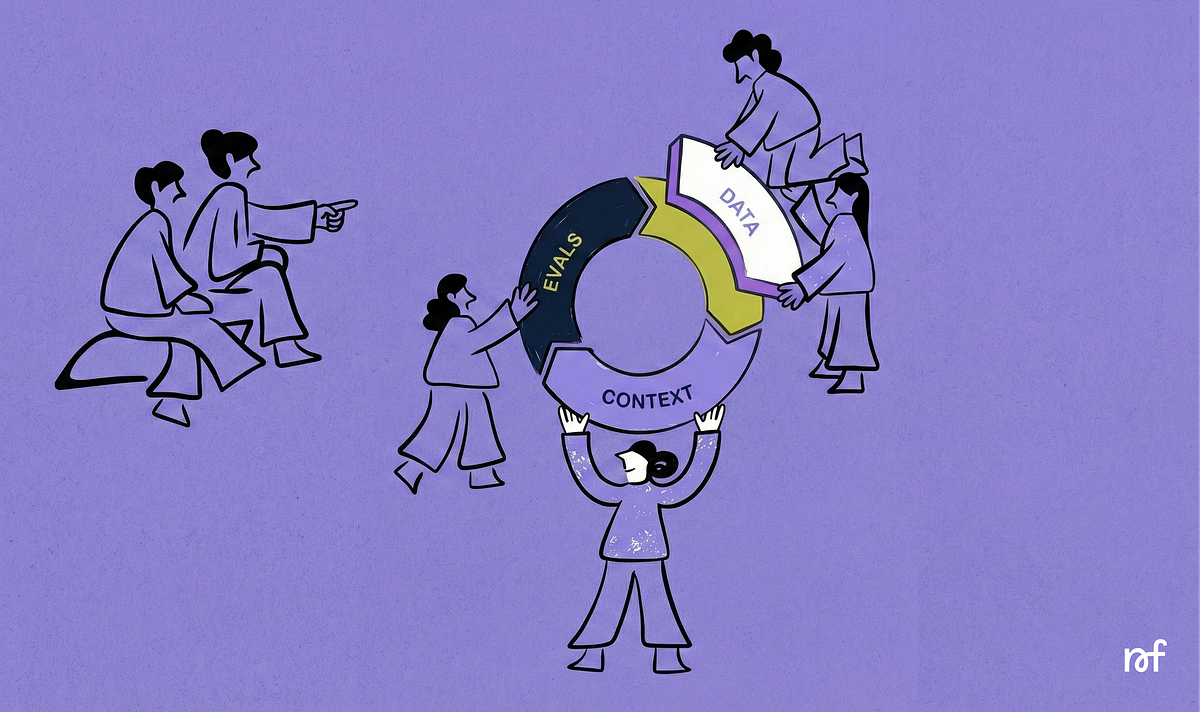
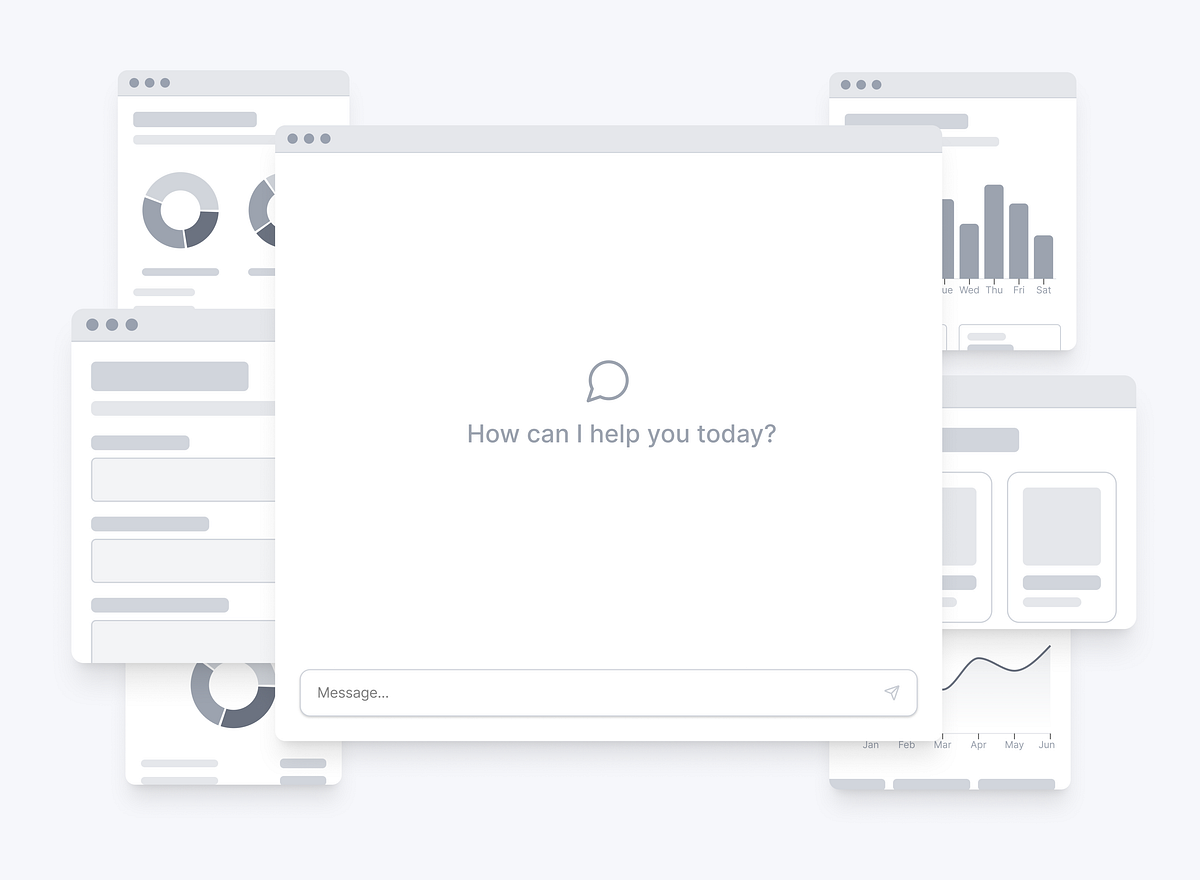
AI is disrupting more than the software industry, and is doing so at a breakneck speed. Not long ago, designers were deep in Figma variables and pixel-perfect mockups. Now, tools like v0, Lovable, and Cursor are enabling instant, vibe-based prototyping that makes old methods feel almost quaint. What's coming into sharper focus isn't fidelity, it's foresight. Part of the work of Product Design today is conceptual: sensing trends, building future-proof systems, and thinking years ahead.
UX design
[ Load more ]