#working-class-access
#working-class-access
[ follow ]
#inequality #ai #worker-rights #economic-inequality #wealth-inequality #activism #psychology #skilled-trades
Education
fromwww.businessinsider.com
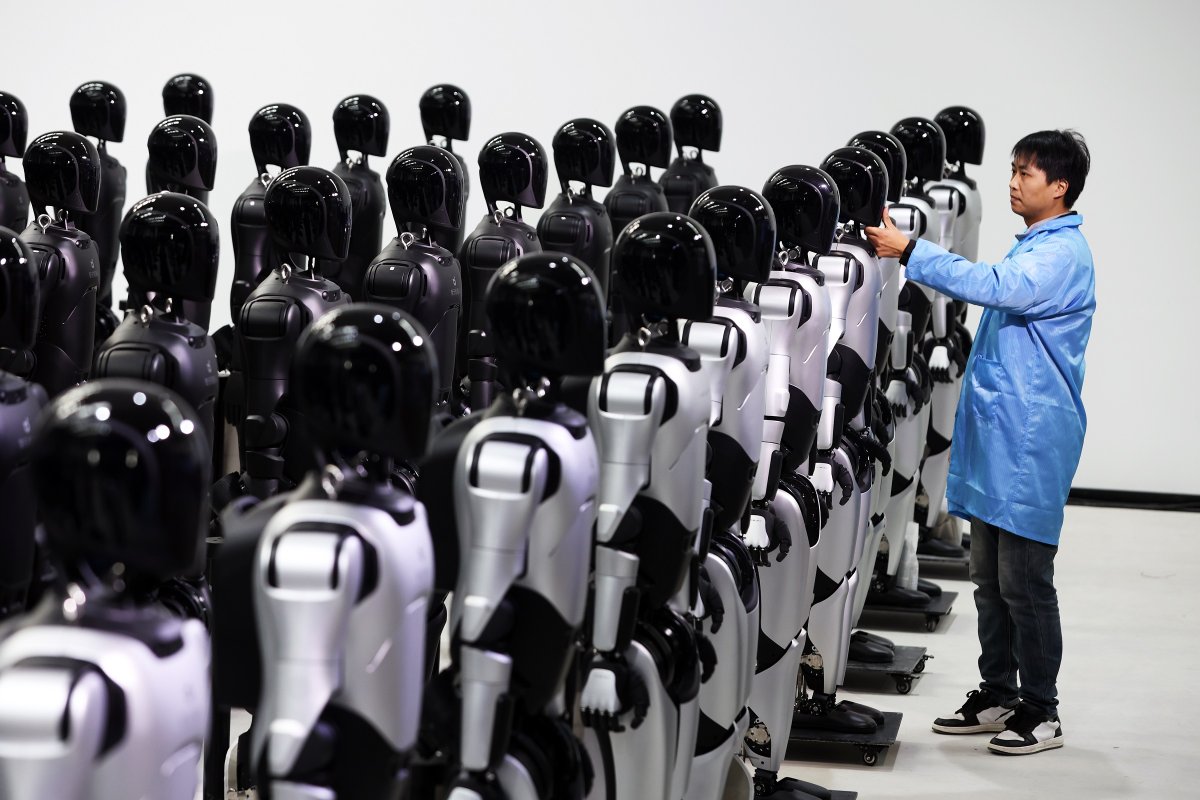
21 hours agoI took a paid apprenticeship instead of going to college. I'll make six figures within 5 years the stability I feel is incredible.
Choosing a pipe fitting apprenticeship over college offers financial stability and a clear career path without student debt.
Remote teams
fromFast Company
2 days agoChanging ideas of respect and power are transforming China's workplaces. Here's what you need to know
ByteDance's shift from formal to informal address reflects evolving business culture in China, emphasizing equality while still valuing traditional respect and hierarchy.
#food-justice
Agriculture
fromNonprofit Quarterly | Civic News. Empowering Nonprofits. Advancing Justice.
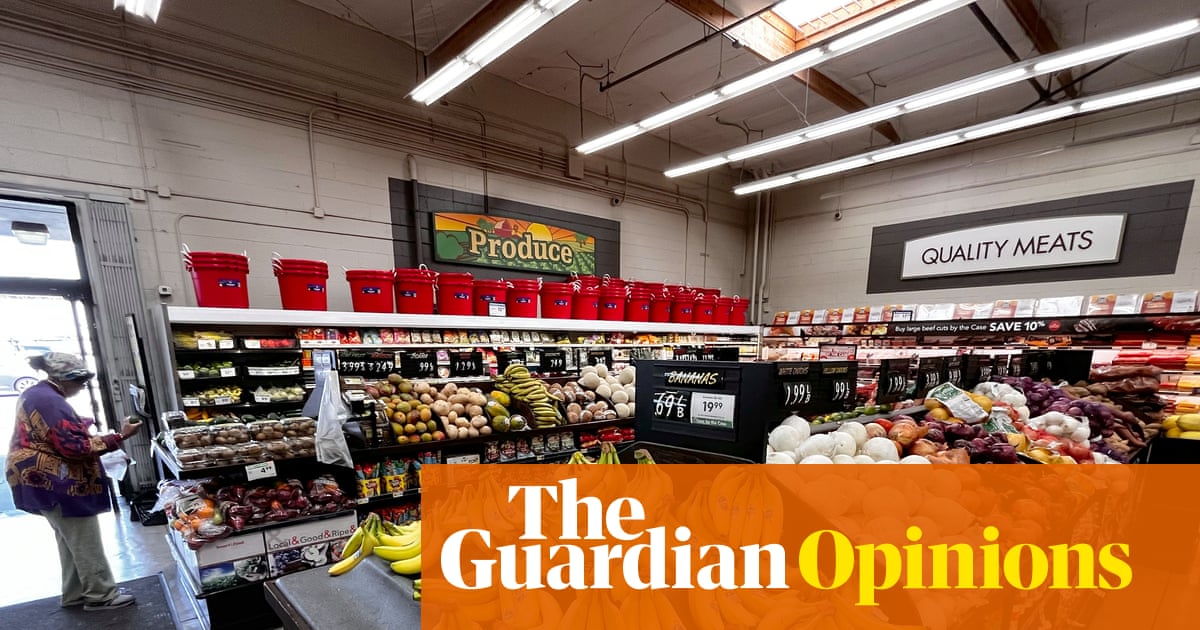
4 days agoA Vision of Food Justice, Collective Care, and Safety | Nonprofit Quarterly | Civic News. Empowering Nonprofits. Advancing Justice.
Food and medicine are interconnected, yet food policy often separates them, impacting access and equity in food justice.
Agriculture
fromNonprofit Quarterly | Civic News. Empowering Nonprofits. Advancing Justice.
4 days agoA Vision of Food Justice, Collective Care, and Safety | Nonprofit Quarterly | Civic News. Empowering Nonprofits. Advancing Justice.
Food and medicine are interconnected, yet food policy often separates them, impacting access and equity in food justice.
fromBoston.com
4 days agoWorkers detained by ICE at Allston Car Wash allege civil rights violations in new complaint
"The trauma of that day continues to affect every aspect of my life," José Pablo Henriquez Sagastume, a 20-year-old Allston Car Wash worker who was detained that day, said in a statement. "We were just doing our jobs when armed officers surrounded us and treated us like criminals. No one cared who we were. No one asked anything before grabbing me."
Boston
#cesar-chavez
Social justice
fromNonprofit Quarterly | Civic News. Empowering Nonprofits. Advancing Justice.
1 month agoHow Movements Protect the Powerful and Discipline the Vulnerable | Nonprofit Quarterly | Civic News. Empowering Nonprofits. Advancing Justice.
Abuse in movements often sacrifices marginalized individuals, revealing systemic issues of power and silence that must be addressed for true progress.
fromFortune
1 week ago'We should absolutely be concerned about non-college-educated men today': higher rents, living at home, falling out of the labor market | Fortune
"There are very real economic forces that are limiting the options for non-college-educated men in the United States. Some of what we're seeing is simply rational responses to a system that's pricing them out."
Boston real estate
Social justice
fromNonprofit Quarterly | Civic News. Empowering Nonprofits. Advancing Justice.
3 days agoHow Unity May Tear Us Apart | Nonprofit Quarterly | Civic News. Empowering Nonprofits. Advancing Justice.
Polarization is a top concern in the U.S., and the concept of unity varies significantly among people, potentially leading to harmful interpretations.
fromWIRED
2 weeks agoMeta Cafeteria Workers Did What Execs Won't: Took on ICE and Won
Under a US Immigration and Customs Enforcement program, federal authorities had detained Serigne, a Senegalese asylum seeker and the brother of dishwasher Abdoul Mbengue. 'I didn't know what to do at first, but we had this community, and I told them this news,' Mbengue says through a coworker who is translating his French.
Washington DC
UK politics
fromLondon Business News | Londonlovesbusiness.com
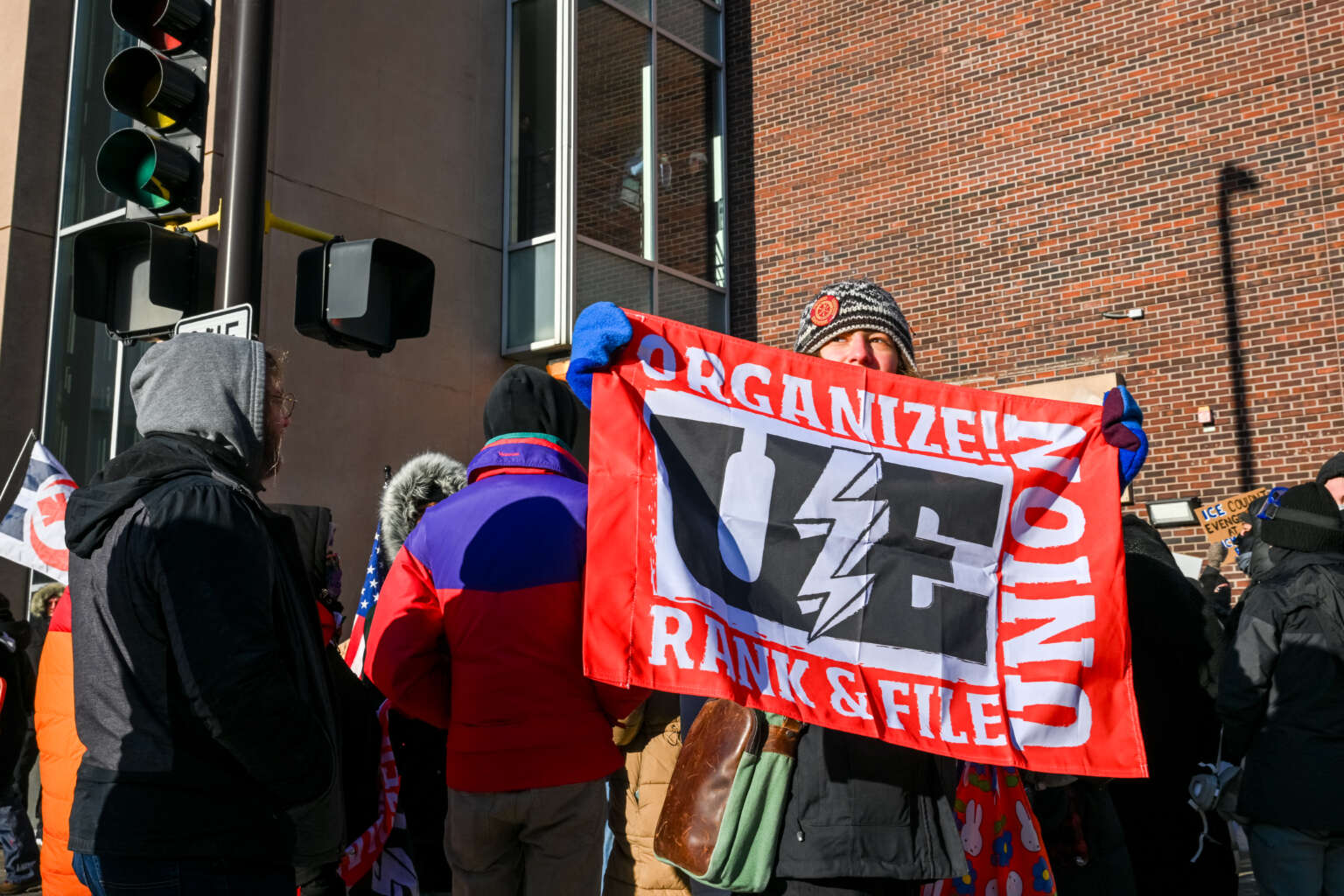
2 weeks agoLabour's 'Jobs Police' granted sweeping powers under new employment law - London Business News | Londonlovesbusiness.com
The Fair Work Agency will enforce employment rights with powers to arrest, conduct inspections, and seize materials under the new Employment Rights Act.
fromwww.theguardian.com
1 week agoPower in the hands of people': union leaders push to revive ailing US labor movement
This is really about trying to put power in the hands of people. There's 70% of workers who want a union, and 10% have them. If it were a company, they would figure out how to get the product into the hands of the 70% who wanted it.
Social justice
fromTruthout
3 weeks agoA Shady Nonprofit Pushes Back On Pennsylvania's Proposed Minimum Wage Hike
"Today's vote ignores the well-documented harmful consequences of wage hikes by economists. Not only would this proposal slash up to 86,000 jobs, it would also worsen inflation for Pennsylvania workers and residents."
Non-profit organizations
UK politics
fromwww.theguardian.com
3 weeks agoWorkers, pensioners and children: all better off. Ignore the critics we really are standing up for working people | Keir Starmer
A Labour government strengthens workers' rights with new benefits, abolishes the two-child benefit cap, and prioritizes support for working families.
Social justice
fromNonprofit Quarterly | Civic News. Empowering Nonprofits. Advancing Justice.
2 weeks agoWeakening the Equal Credit Opportunity Act Will Widen Inequality | Nonprofit Quarterly | Civic News. Empowering Nonprofits. Advancing Justice.
The CFPB's proposed changes to ECOA threaten to weaken protections against lending discrimination.
Psychology
fromSilicon Canals
1 month agoThe real class divide isn't between rich and poor. It's between people who were taught the world will accommodate them and people who were taught to accommodate the world. Both are right about the world they grew up in. - Silicon Canals
Social fluency stems from early life experiences, not wealth, shaping expectations of how the world responds to individuals.
fromApaonline
1 month agoGood Work and Economic Democracy
Within the workplace, the content and conditions of work are largely controlled by employers who often have an interest in degrading the quality of work, both to increase productivity and to increase their control over employees in the workplace. Outside the workplace, employers have both an incentive and the power to undermine measures that would improve the quality of work through the political process.
Philosophy
fromNonprofit Quarterly | Civic News. Empowering Nonprofits. Advancing Justice.
1 month agoYou Don't Have to Be Unionized to Be United | Nonprofit Quarterly | Civic News. Empowering Nonprofits. Advancing Justice.
The labor of this kind of organizing was invisible and deeply exhausting. In a precarious workplace, where a so-called 'performance review' could amount to job loss, organizing meant building a bridge while standing on it.
Social justice
NYC real estate
fromwww.amny.com
1 month agoLux labor: Hundreds of workers from Midtown's luxury residential buildings rally in demand of fair contracts
Workers at three luxury Manhattan condo buildings are rallying for union contracts covering wages, benefits, and pensions after two years of stalled negotiations with building management.
fromSilicon Canals
1 month ago8 phrases blue-collar fathers never said out loud but communicated through every overtime shift, every fixed appliance, and every bill they paid without mentioning it - Silicon Canals
The language of blue-collar fathers isn't spoken-it's lived. It's written in grease-stained paychecks, in Saturday mornings spent under the sink, in showing up to work sick because the mortgage doesn't care if you have the flu. After forty years in the trades and raising my own kids, I finally decoded what my father and countless men like him were really communicating through their actions.
Careers
fromNonprofit Quarterly | Civic News. Empowering Nonprofits. Advancing Justice.
1 month agoRotating the Clipboard Built Our Workplace Democracy | Nonprofit Quarterly | Civic News. Empowering Nonprofits. Advancing Justice.
Losing staff could be detrimental to the projects we worked on, and there was a growing dissatisfaction with how meetings were run. These mostly one-sided discussions left the quieter half of us feeling pushed aside, like our thoughts didn't matter much. If things stayed this way, I worried the good people on our team would start quitting one by one.
Non-profit organizations
Mindfulness
fromSilicon Canals
2 months ago7 things working-class people do with money that wealthy people secretly wish they'd learned - Silicon Canals
Working-class people track every penny, find joy without spending, prioritize essentials, avoid lifestyle inflation, and build financial resilience through discipline and resourcefulness.
UK news
fromSilicon Canals
2 months ago7 things blue collar Boomers know about survival that white collar Boomers had the luxury of never learning - Silicon Canals
Blue-collar Boomers developed practical self-reliance and repair skills out of necessity, gaining mechanical intuition and survival know-how that many white-collar Boomers lacked.
Fundraising
fromNonprofit Quarterly | Civic News. Empowering Nonprofits. Advancing Justice.
2 months agoGiving Bigger, Organizing More Boldly: Centering Disability Justice | Nonprofit Quarterly | Civic News. Empowering Nonprofits. Advancing Justice.
Centering Disability Justice reveals marginalized edges hold deep lessons and requires investing wealth and inheritance into movement infrastructure for collective liberation.
Left-wing politics
fromSilicon Canals
1 month agoThere's a reason upward mobility feels impossible - I found the infrastructure that ensures it - Silicon Canals
Modern economic infrastructure systematically maintains wealth distribution across generations through credentialing, capital access, and hiring networks rather than rewarding merit and hard work.
fromSilicon Canals
2 months ago8 things lower-middle-class people do to feel safe that wealthy people don't even think about - Silicon Canals
Growing up outside Manchester, I remember watching my mum count out exact change at the supermarket checkout, keeping a running total in her head as she shopped. Meanwhile, my university roommate would just toss things in his trolley without a second thought. That's when it hit me: Financial security isn't just about having money. It's about the mental space that money creates.
Mental health
fromApaonline
1 month agoGood Work and Class Conflict
Work, in the words of Karl Marx, is a "means of life" in two senses. It is, first of all, an instrument for human life. It is the activity by which we reproduce ourselves from day to day, from year to year, from generation to generation. But work also forms, so to speak, much of the matter of human life, at least for most people in any society with which we are familiar.
Philosophy
Careers
fromSilicon Canals
1 month agoI'm 66 and my grandson asked me what I did for a living and when I said "I was an electrician" he said "oh" - and that single syllable taught me more about how the world sees blue-collar work than forty years of doing it ever did - Silicon Canals
Blue-collar trades like electrical work are undervalued and invisible in society despite being essential infrastructure that enables modern life.
Higher education
fromwww.amny.com
1 month agoOp-Ed | A six-decade legacy of access and opportunity | amNewYork
SEEK, the nation's first state-funded academic opportunity initiative founded in 1966, has helped over 100,000 students access and complete college degrees through comprehensive support services including tutoring, mentoring, and financial assistance.
Right-wing politics
fromemptywheel
1 month agoThe Wisdom Of The Subservient Class - emptywheel
Conservatism has failed as a rightist sect of liberalism, functioning merely as reactive opposition to other liberal factions while protecting elites from democratic constraints rather than conserving substantive values.
Business
fromSilicon Canals
1 month ago9 lessons people raised in working-class families carry into adulthood that no amount of career success fully replaces - because the values were never about money, they were about who shows up - Silicon Canals
Working-class values prioritize genuine relationships and resourcefulness over career status and material wealth, creating lasting life foundations.
fromHigh Country News
2 months agoThese meatpacking workers may be deported. They voted to strike anyway. - High Country News
Last week, hundreds of thousands of Haitian migrants faced an uncertain future as the Trump administration fought in federal court to revoke their legal status and deport them. But despite these threats, the largely immigrant union workers at a JBS beef plant in Greeley, Colorado, many of them recent arrivals from Haiti, still voted on Wednesday by an overwhelming margin to strike over poor working conditions in what could become the first sanctioned walkout at a major meatpacking plant in decades.
Agriculture
Retirement
fromSilicon Canals
1 month ago9 things every man who worked a trade for 30+ years knows about retirement that white-collar retirees usually learn the hard way - Silicon Canals
Tradesmen understand retirement challenges better than office workers because physical labor teaches lessons about body maintenance, purpose, and identity that desk jobs delay until retirement arrives.
Psychology
fromPsychology Today
1 month agoThe Psychology of Fair Labor
Decent work—encompassing safety, fair hours, adequate pay, healthcare access, and alignment with personal values—is essential for mental and physical health, while its absence creates chronic stress and undermines overall well-being.
fromThe Atlantic
1 month agoSherrod Brown Is Grinding It Out
Brown was sitting in a Toledo coffee shop, having just finished a roundtable discussion about rising health-care costs. A small group of Ohioans had expressed all manner of concerns about how they would afford their medical bills, co-pays, and prescriptions. This was the kind of event that Brown used to do a lot of before he departed the Senate after losing reelection in 2024.
US politics
fromTruthout
2 months agoScandals Engulf Labor Secretary as Her Department Rolls Back Worker Protections
The reporting landed on the same day that a group of Senate Democrats launched an investigation into Chavez-De-Remer's policy moves at the Labor Department, accusing her agency of showing "disregard for workers' lives" by "rolling back protections that keep workers safe and hobbling the agency that is tasked with overseeing worker safety."
US politics
fromFast Company
2 months agoNo working, no shopping: Thousands of people hit the Trump administration where it hurts
The strike is a response to the fatal shootings of Alex Pretti and Renee Good in Minnesota. In the days since, calls for a nationwide shutdown have spread rapidly across social media, shared by activists, nonprofits, and everyday people urging a halt to economic activity. Celebrities including Pedro Pascal, Edward Norton, and Jamie Lee Curtis have amplified the message to their followers.
US politics
fromFast Company
2 months agoWhy inclusion is the new standard for economic growth
In places where inclusion is part of the infrastructure of their economy-supply chains, procurement processes, capital access, or business ownership-people thrive. Inclusive economies create more resilience by expanding the base of potential business owners who can build, own, innovate, and hire. They allow more opportunities for homeownership and investing in the longevity of communities. As our economy becomes increasingly stratified and volatile, we need as much resiliency as we can get.
Social justice
[ Load more ]