#xenografts
#xenografts
[ follow ]
#organ-donation #regenerative-medicine #lung-transplant #stem-cells #healthcare #cloning #genetics #immunotherapy
fromwww.scientificamerican.com
1 week agoWhy can't humans regenerate limbs? New research offers a clue
While some other creatures, most notably salamanders and starfish, can regenerate entire limbs, mammals don't have this evolutionary superpower. The big question is: Why are mammals limited?
OMG science
fromwww.nature.com
1 week agoEngineered immunosuppressive dendritic cells protect against cardiac remodelling
Chronic inflammation is a central driver of pathological fibrosis after ischaemic or haemodynamic stress, but strategies that locally rebalance injurious and reparative immune responses without systemic immunosuppression are lacking.
Medicine
#biotechnology

Silicon Valley
fromSilicon Canals
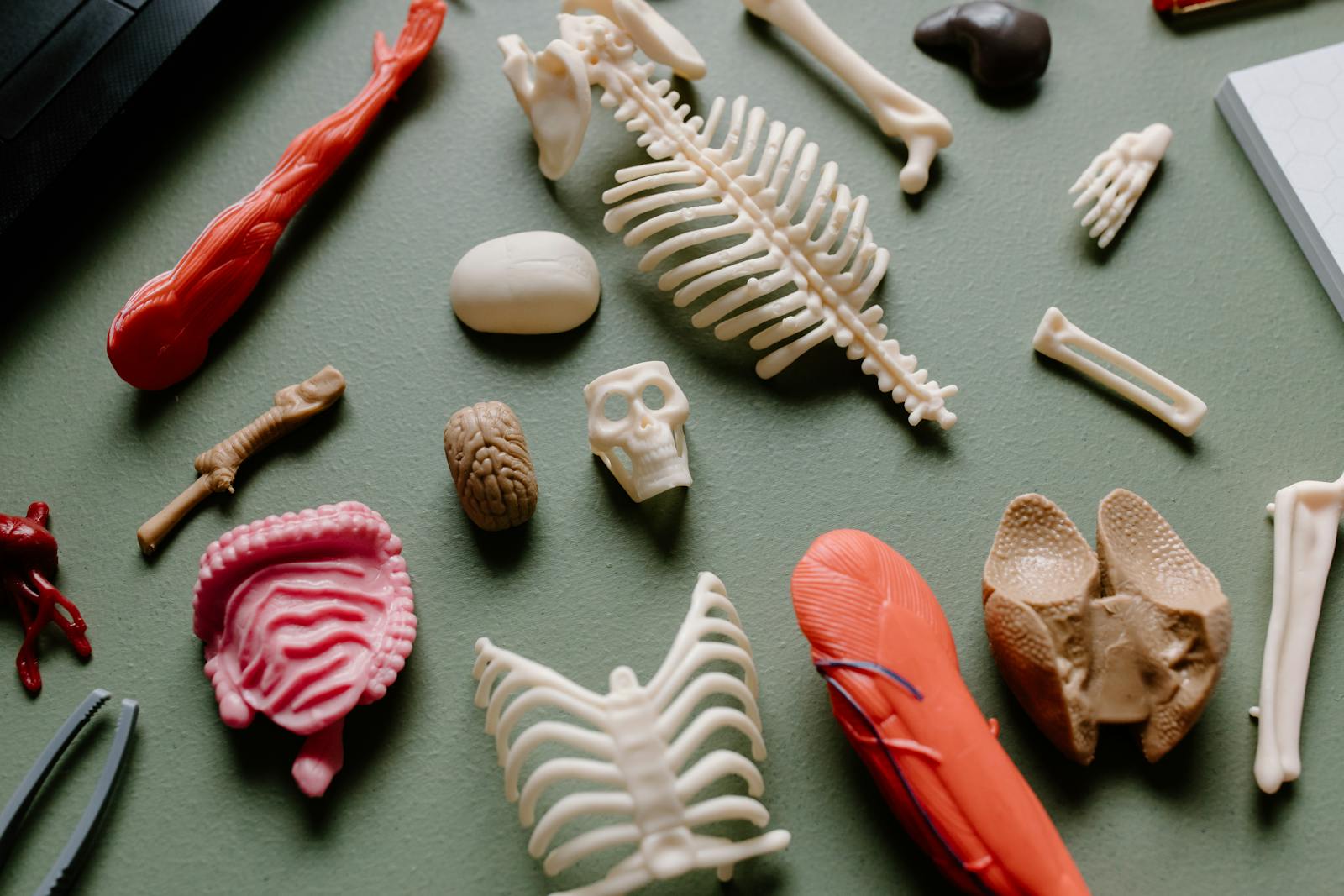
2 weeks agoSilicon Valley startup backed by Tim Draper pitches growing brainless human clones for organ harvesting and brain transplants - Silicon Canals
A Silicon Valley startup is developing brainless cloned human bodies for organ sourcing and potential brain transplants.
fromenglish.elpais.com
2 weeks agoParents' umbilical cord dilemma: Donate or preserve, even if it may never be used
The probability that frozen tissue will benefit the person who froze it is remote. The chance of developing acute lymphoblastic leukemia, the most common childhood cancer, currently stands at one in 20,000.
Medicine




Higher education
fromCornell Chronicle
1 month agoStem-cell registry drive will mobilize campus to save lives | Cornell Chronicle
Cornell is hosting a stem-cell donor campaign March 13-20 to recruit 10,000 participants aged 18-35 for the national registry, addressing critical shortages of Black and Latino donors needed for patients like Max Uribe.
fromwww.independent.co.uk
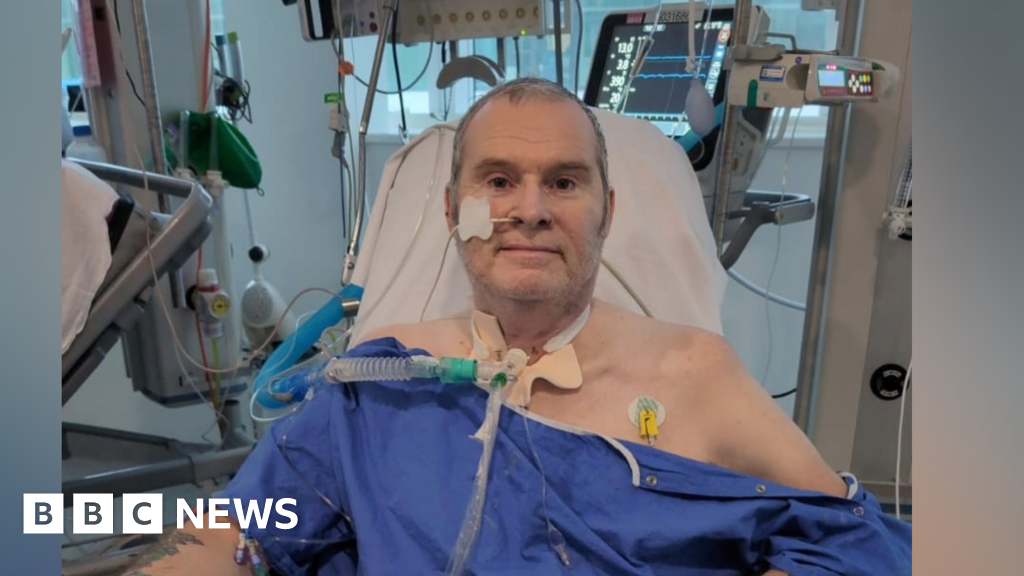
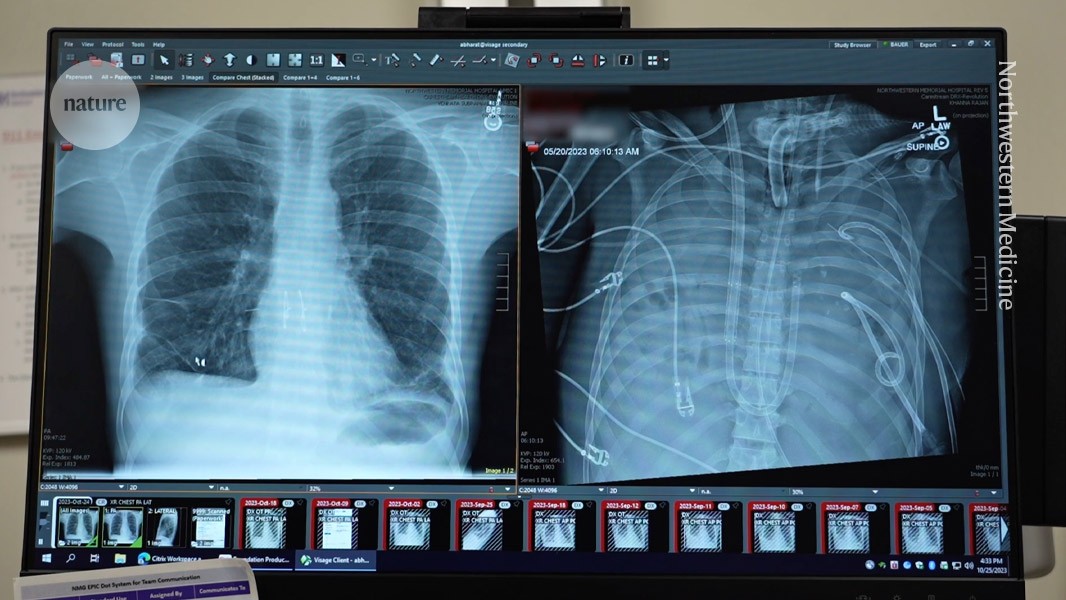
2 months agoMan kept alive on artificial lung for two days while he waited for double transplant
From reproductive rights to climate change to Big Tech, The Independent is on the ground when the story is developing. Whether it's investigating the financials of Elon Musk's pro-Trump PAC or producing our latest documentary, 'The A Word', which shines a light on the American women fighting for reproductive rights, we know how important it is to parse out the facts from the messaging.
Media industry
Artificial intelligence
fromwww.scientificamerican.com
2 months agoCracking DNA's dark matter with AI, surviving two days without lungs, and uncovering a botanical mystery
AlphaGenome, an AI model, predicts DNA segment functions to expand understanding of genetic code and its links to proteins and disease.


Healthcare
fromThe Walrus
1 month agoMy Sister Died Waiting for a Transplant. The System Is Set Up for Heartbreak | The Walrus
Over 1,000 patients die annually waiting for liver transplants in North America, with 10-25% of listed patients delisted due to deteriorating health or unsuitability for surgery.
fromwww.theguardian.com
2 months agoShould we sell our kidneys?
Right now, about 7,000 people are awaiting a kidney transplant in the UK. According to NHS figures, in 2024/25 only 3,302 adult kidney transplants were performed. The charity Kidney Research UK states that just 32% of patients receive a transplant within a year of joining the waiting list and six people die every week while waiting. People who experience kidney failure need either lifelong dialysis or a transplant to survive.
Public health
fromNature
1 month agoMasked mitochondria slip into cells to treat disease in mice
When mitochondria are exposed to tissue or blood, they lose the electrical gradient across their outer membrane. Mitochondria that lack such a gradient are recognized by a cell's internal machinery as damaged and quickly destroyed. The vast majority of previous studies involved injecting 'naked' mitochondria directly into the bloodstream or tissue sites, but the approach isn't very efficient, so researchers often have to use 'ridiculous' doses of mitochondria.
Medicine
Medicine
fromABC7 San Francisco
1 month agoCook surviving on artificial heart saved with donor heart in first-ever UCSF transplant
UCSF surgeons successfully implanted an artificial heart in a patient as a bridge to transplant, later replacing it with a donor heart, marking a first for the institution.
fromNature
1 month agoThe age of animal experiments is waning. Where will science go next?
Last November, the UK government announced a bold plan to phase out animal testing in some areas of research. Animal tests for skin irritation are scheduled for elimination this year, and some studies on dogs should be slashed by 2030. The long-term vision is 'a world where the use of animals in science is eliminated in all but exceptional circumstances'.
Science
fromNature
1 month agoGenetically modified pig liver keeps man alive until human organ transplant
The pig organ filtered the man's blood for a few days while he waited for a human liver transplant. The man has since received a human liver and is recovering well, says Lin Wang, one of the surgeons who led the procedure in January at Xijing Hospital of the Air Force Medical University in Xi'an, China.
Medicine
Cancer
fromenglish.elpais.com
1 month agoDouglas Hanahan, biologist: We don't necessarily need a cure, what we really need is cancer without disease'
Cancer cells acquire hallmarks: uncontrolled proliferation, evasion of growth barriers, resistance to programmed death, and relative immortality, driving tumor diversity and treatment variability.
fromArs Technica
1 month agoHave we leapt into commercial genetic testing without understanding it?
Martschenko's argument is largely that genetic research and data have almost always been used thus far as a justification to further entrench extant social inequalities. But we know the solutions to many of the injustices in our world-trying to lift people out of poverty, for example-and we certainly don't need more genetic research to implement them. Trejo's point is largely that more information is generally better than less.
Science
fromJezebel
1 month agoScience Has Figured Out How to Give You a Bonus Liver
More than 17,500 patients are living on the waiting list at any given time for a liver transplant. Unfortunately, there aren't enough of the available, donated organs to go around, leading to a critical and frequently deadly backlog. Roughly 10% of the patients on that waiting list die each year while waiting for the prospect of a new organ.
Medicine
fromenglish.elpais.com
2 months agoFour heart transplants in three days: A race against time at Madrid's 12 de Octubre Hospital
Male, 56 years old, resident of CastillaLa Mancha He had already undergone a heart transplant at the 12 de Octubre Hospital in August 2017. After an initially good evolution during the first years, his new heart began to deteriorate progressively and did not respond to any of the therapeutic measures used. He was placed on the waiting list for a retransplant in August 2024.
Medicine
Medicine
fromenglish.elpais.com
2 months agoBrain implant restores vision to a man blinded by an optic nerve injury
A 4x4 mm microneedle implant in the visual cortex restored partial vision in a NAION patient, enabling light perception, movement detection, object identification, and reading large characters.
fromwww.theguardian.com
1 month agoGiving stem cells in utero to babies with spina bifida boosts quality of life, trial finds
A trial in the US found that applying stem cells from the mother's placenta to her baby's spine while it was being repaired was safe and improved the child's mobility and quality of life. Dr Diana Farmer, who led the study, said it was conceivable that the experimental therapy could become the usual way that spina bifida is treated before babies are born.
Medicine
Medicine
fromIndependent
1 month agoLuke O'Neill: How a donor gave 'gift of life' by allowing woman to have a baby after womb transplant
AI tools improve donor-recipient matching and anti-rejection drug effectiveness, enabling successful womb transplants and expanding reproductive options for women without viable wombs.
fromIndependent
2 months agoEveryone's talking about: Stem cell beauty treatments - what do they involve and do they work?
'Stem cell-based' treatments and just the latest aesthetic treatment marketed to those seeking to maintain or obtain youthful skin, but what exactly is involved and what's the evidence that they work It's hard to keep track of the number of scientifically based beauty treatments on offer these days. Most are aimed at middle-aged females with disposable incomes, who are willing to splash large amounts of money on their skin to counter the effects of time.
Medicine
[ Load more ]