#aec-community
#aec-community
[ follow ]


Business intelligence
fromLondon Business News | Londonlovesbusiness.com
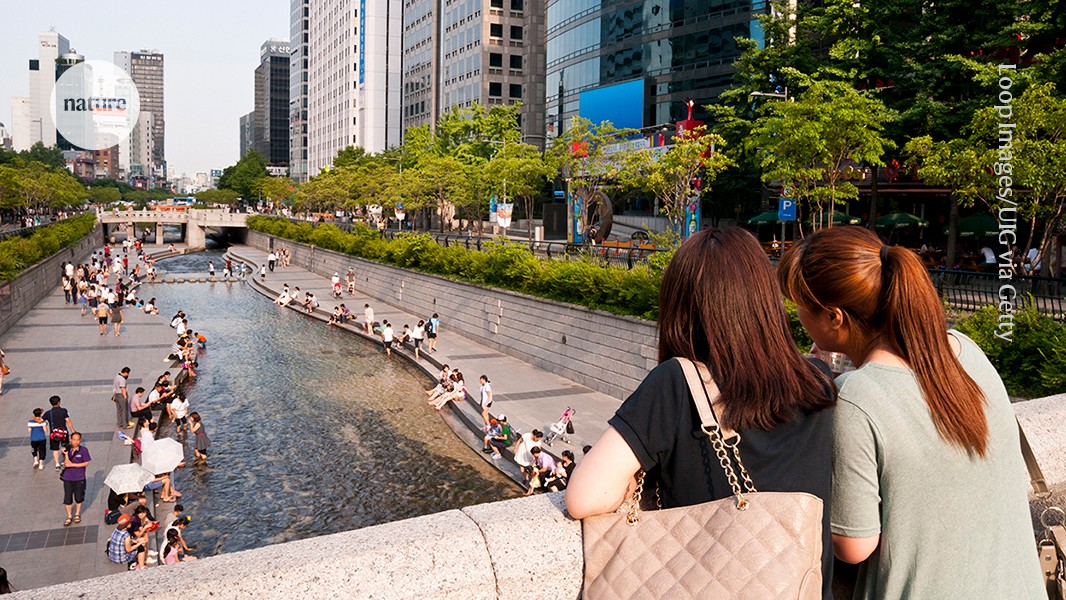
5 days agoWhy GIS matters in modern infrastructure and urban planning: Building smarter, future-ready cities - London Business News | Londonlovesbusiness.com
GIS is essential for effective urban planning, enabling data-driven decisions that enhance infrastructure and quality of life in rapidly growing cities.

Productivity
fromBusiness Matters
2 weeks ago7 Best AI Construction Scheduling Tools for What-If Recovery Planning
AI-driven scheduling platforms detect project delays early and run simulations to identify the fastest recovery path, helping construction teams recover time and stakeholder trust before schedules slip.
Remote teams
fromwww.hrdive.com
2 weeks agoOffice space must support learning and well-being to attract workers, design firm says
Employees prioritize physical and mental wellness amenities, focused work spaces, and nature access in office design, with reduced resistance to return-to-office policies as job market tightens.
Software development
fromInfoQ
1 month agoDecentralizing Architectural Decisions with the Architecture Advice Process
Architecture practice must decentralize to match decentralized system architectures, with architects becoming conversation starters and guides rather than sole decision-makers using an advice process.
Arts
fromArchDaily
1 month agoBuildFest Introduces "Acts of Construction," a Three-Year Exploration of Timber Installations
Bethel Woods launches BuildFest, a three-year initiative featuring large-scale timber installations and multimedia experiences on the historic 1969 Woodstock festival grounds, organized sequentially around construction, choreography, and performance themes.
Miscellaneous
fromArchDaily
1 month ago7 Unbuilt Masterplans Reimagining Urban Futures Through Ecology and Collective Space
Unbuilt urban masterplans explore adaptive spatial frameworks that recalibrate mobility, ecology, and collective life through climate-responsive design and public space integration across diverse global contexts.
fromArchDaily
3 weeks agoHow Architecture Is Learning to Generate Its Own Energy
Photovoltaic (PV) solar energy represents a modular technology that can be manufactured in large-scale facilities, generating economies of scale, while also being adaptable to small-scale applications. From residential rooftop systems to large-scale power generation installations, photovoltaic solar energy has established itself as a cost-effective option for electricity production in many countries around the world.
Environment
Design
fromYanko Design - Modern Industrial Design News
4 days agoBiomimetic Architecture Reaches New Heights With This Bird-of-Paradise Yoga Space - Yanko Design
Thilina Liyanage's architecture translates animal gestures into functional designs, exemplified by the Rifle Bird Yogashala inspired by the Victoria's riflebird's courtship display.

fromwww.archdaily.com
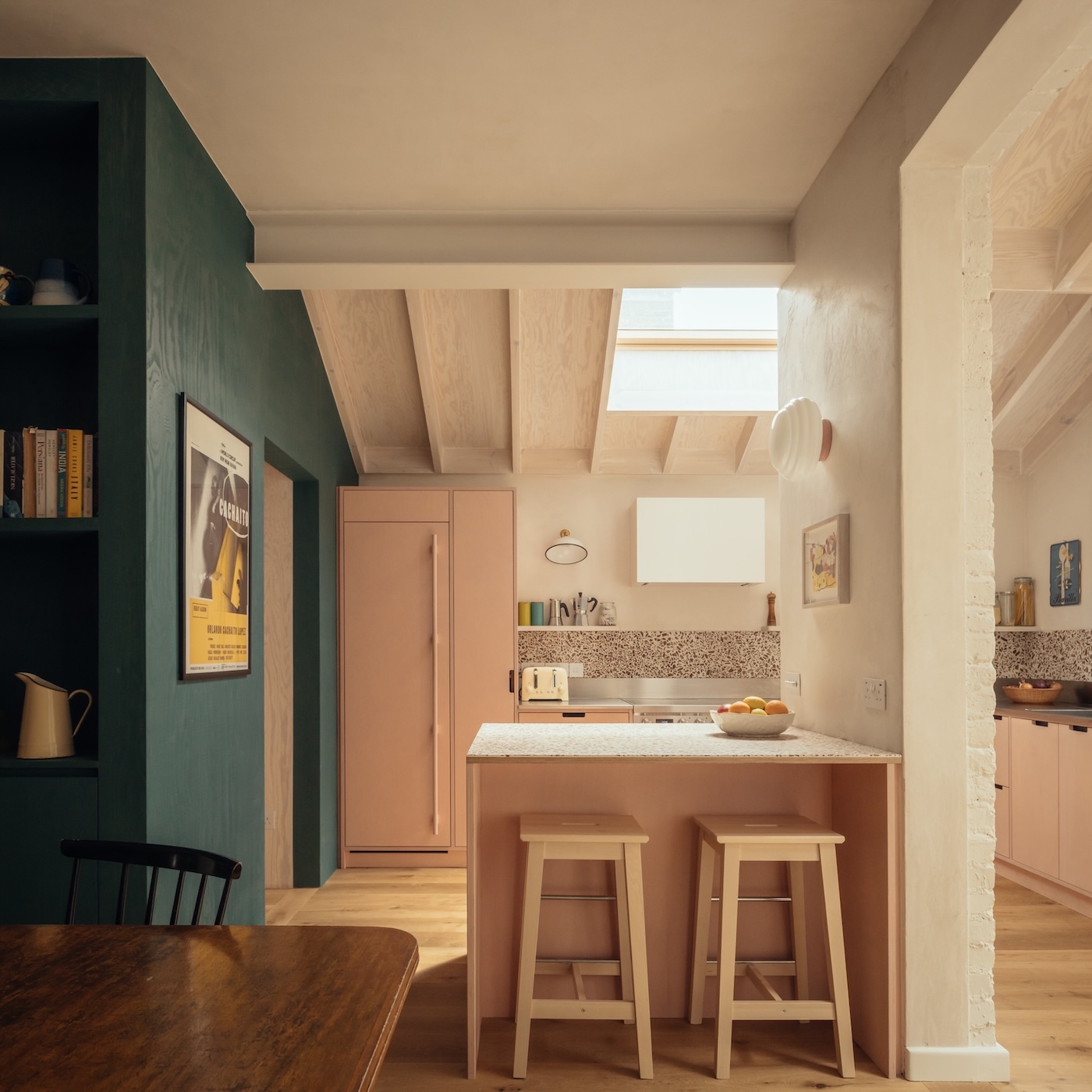
2 weeks agoRepeat Wellness Club / MEAN* (Middle East Architecture Network)
Occupying a former ground-floor commercial unit, the existing interior carried the accumulated traces of successive tenants, including uneven walls, residual structures, and fragmented layouts. Local planning regulations required the exterior facade to remain untouched, concentrating all architectural intervention within the historic envelope.
Renovation
Typography
fromItsnicethat
1 month agoWork-Form's practice has its roots in participatory design and place-making
Work-Form combines teaching and studio practice to produce research-led, community-centered graphic design emphasizing immersive processes, participatory methods, and playful typographic experimentation.
Design
fromYanko Design - Modern Industrial Design News
4 weeks agoMIT Finally Built the House Your Great-Grandkids Will Inherit - Yanko Design
MIT's Heirloom House project uses nine modular concrete components engineered to last 1,000 years, assembled through gravity and friction rather than permanent fasteners.
fromwww.theguardian.com
2 months agoSchools, airports, high-rise towers: architects urged to get bamboo-ready'
For many years, bamboo has been mostly known as the favourite food of giant pandas, but a group of engineers say it's time we took it seriously as a building material, too. This week the Institution of Structural Engineers called for architects to be bamboo-ready as they published a manual for designing permanent buildings made of the material, in an effort to encourage low-carbon construction and position bamboo as a proper alternative to steel and concrete.
Environment
fromArchDaily
1 month agoThe Machine in the Age of Collective Practice
Every architectural epoch has been defined by its instruments. The compass, the drawing board, the camera, and the computer have each altered how architects think and produce. Yet the current moment feels qualitatively different.
Design
Environment
fromwww.theguardian.com
1 month agoWe can learn from the old': how architects are returning to the earth to build homes for the future
Unstabilised rammed earth provides a low-carbon, locally sourced building method with thermal mass, moisture control and potential for circular construction.
fromArchDaily
1 month agoHealth, Habitat, and Civic Infrastructure: Designing the City as a National Park
Cities around the world share a common goal: to become healthier and greener, supported by civic infrastructure that restores ecosystems and strengthens public life. The question is how to reach this. Global climate targets, local building codes, and municipal standards increasingly guide designers and planners toward better choices. Still, many cities struggle to translate these frameworks into everyday, street-level comfort and long-term ecological protection.
Environment
Renovation
fromJournal
1 month agoLead, Coordinate, Build: IMC Architecture Is Hiring a Project Architect in Brooklyn - Architizer Journal
Experienced Project Architect (10+ years) needed to lead complex residential and mixed-use projects in NYC, managing teams, Revit documentation, client relations, and construction administration.
fromArchDaily
2 months agoLeisure Architecture: 13 Projects Shaping Togetherness Across Generations
Leisure spaces are often where different generations cross paths. Without formal programs or assigned roles, they allow people to move, pause, and remain together, each engaging space in their own way. In a built environment increasingly shaped by specialization and separation, these shared spatial grounds have become less common, giving leisure-oriented architecture a renewed relevance. Discussions around public space have repeatedly pointed to the value of openness and flexibility in supporting collective life.
Design
fromArchDaily
2 months agoCivic Architecture Opens to the City as Global Attention Turns to Africa: This Week's Review
Across this week's broader architecture news landscape, a central theme emerges around the advancement of civic architecture conceived as open, publicly engaged infrastructure, with cultural and institutional projects increasingly designed to strengthen their relationship with the city and everyday urban life. At the same time, renewed global attention turns toward Africa, where large-scale transport infrastructure and the conservation of modernist landmarks reflect interests in the region and the reassessment of the continent's architectural heritage.
Design
fromArchitectural Digest
1 month agoAD PRO LIVE: The Longevity Home | Register Now
The home isn't just where we live anymore. It's a mechanism for living longer. In this AD PRO LIVE report, we'll examine how residential design has become the next frontier to a healthier, longer life. Delve into the industry's expanding catalog of non-toxic materials, the architectural elements shaping conscientious builds, and the luxury amenities promoting physical and mental well-being in every room of the house.
Design
fromArchDaily
1 month agoA Schematic Design Laboratory for Architectural Exploration
For many architects, schematic design is defined by a familiar tension. It is the phase of open-ended exploration-where multiple ideas are tested, challenged, and refined for clients to define a project's direction. In essence, it's where the design magic happens. The challenge is rarely a lack of ideas, but the effort required to test and evaluate those ideas properly under time-, resource-, and budget constraints.
Design
[ Load more ]