#althea-stevens
#althea-stevens
[ follow ]
#art #contemporary-art #photography #art-exhibition #creativity #painting #identity #sculpture #art-exhibitions
fromDesign Milk
3 days agoSabah House NYC Pays Homage To Set + Setting
Sabahs are made entirely by hand from 100% leather in either Texas or Turkey—two regions with distinct yet deeply rooted relationships to the material. The result is a shoe that varies subtly from pair to pair, even within the same size.
Brooklyn
fromOregon ArtsWatch * Arts & Culture News
3 days agoTom Prochaska: Through the Open Door * Oregon ArtsWatch
Tom Prochaska distinguished himself in many mediums: He was a masterful printmaker, an intuitive painter, a builder of papier-mâché figures, a creator of fused glass panels, and graphite-on-paper drawings.
Arts
fromSPIN
1 month agoWhitney Johnson, Lia Kohl, and Macie Stewart Go Beyond the Chamber - SPIN
All but one of the song titles on Body Sound, the debut album from experimental string trio Whitney Johnson, Lia Kohl, and Macie Stewart, line up nicely-a few words, usually two, usually nouns, separated by a vertical line. The straight line in the middle means different things in different disciplines. In computing, it's called a 'pipe' and serves as a conduit. In poetry, it denotes a pause or break. In music, it marks the beginning and end of measures.
Music
fromHyperallergic
4 days agoMoMA PS1's "Greater New York" Is Gritty, Stunning, and Gutting
The curators of Greater New York really captured the energy of the city well - not the out-of-towner's New York with its glossy surfaces, brands, and trendy fare, but the gritty New York that's always in the process of formation, that rejects surface in favor of rawness.
Arts
fromThe Art Newspaper - International art news and events
4 days agoArtist interview: Sarah Rosalena
I see myself first and foremost as a weaver working at the intersection of craft and technology. As an Angeleno, I grew up learning how to weave in the Wixárika tradition of my matriarchal bloodline by watching my mother and my grandmother.
Arts

fromArtnet News
6 days agoPainting Has Entered Its Performance Era | Artnet News
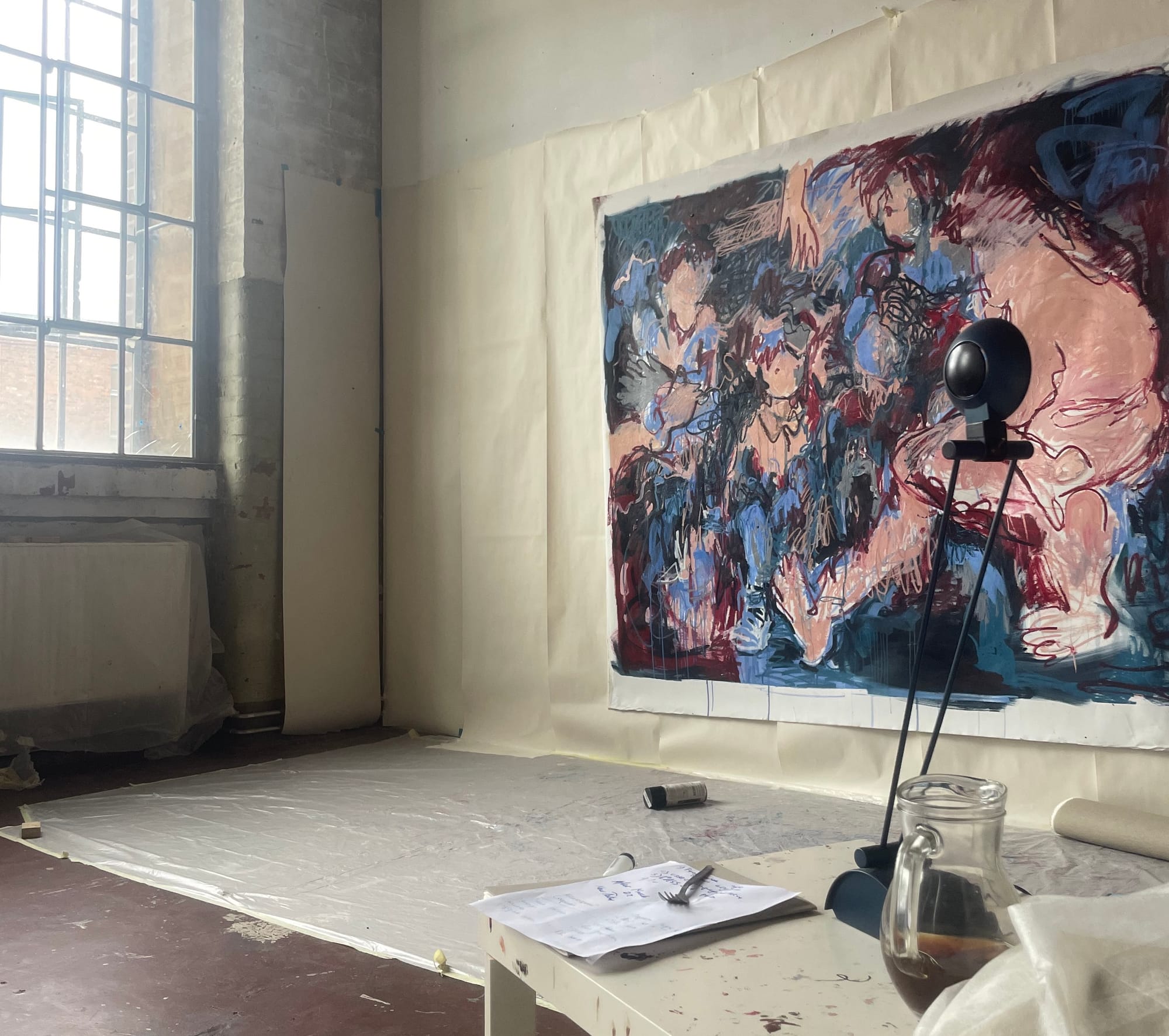
Much of Instagram's video content is organized around transformation-the virtual magic of the before-and-after and clips that show cause and effect. A person makes pasta from scratch in 20 seconds via edits that compress time-intensive labor.
Arts
Arts
fromThe Art Newspaper - International art news and events
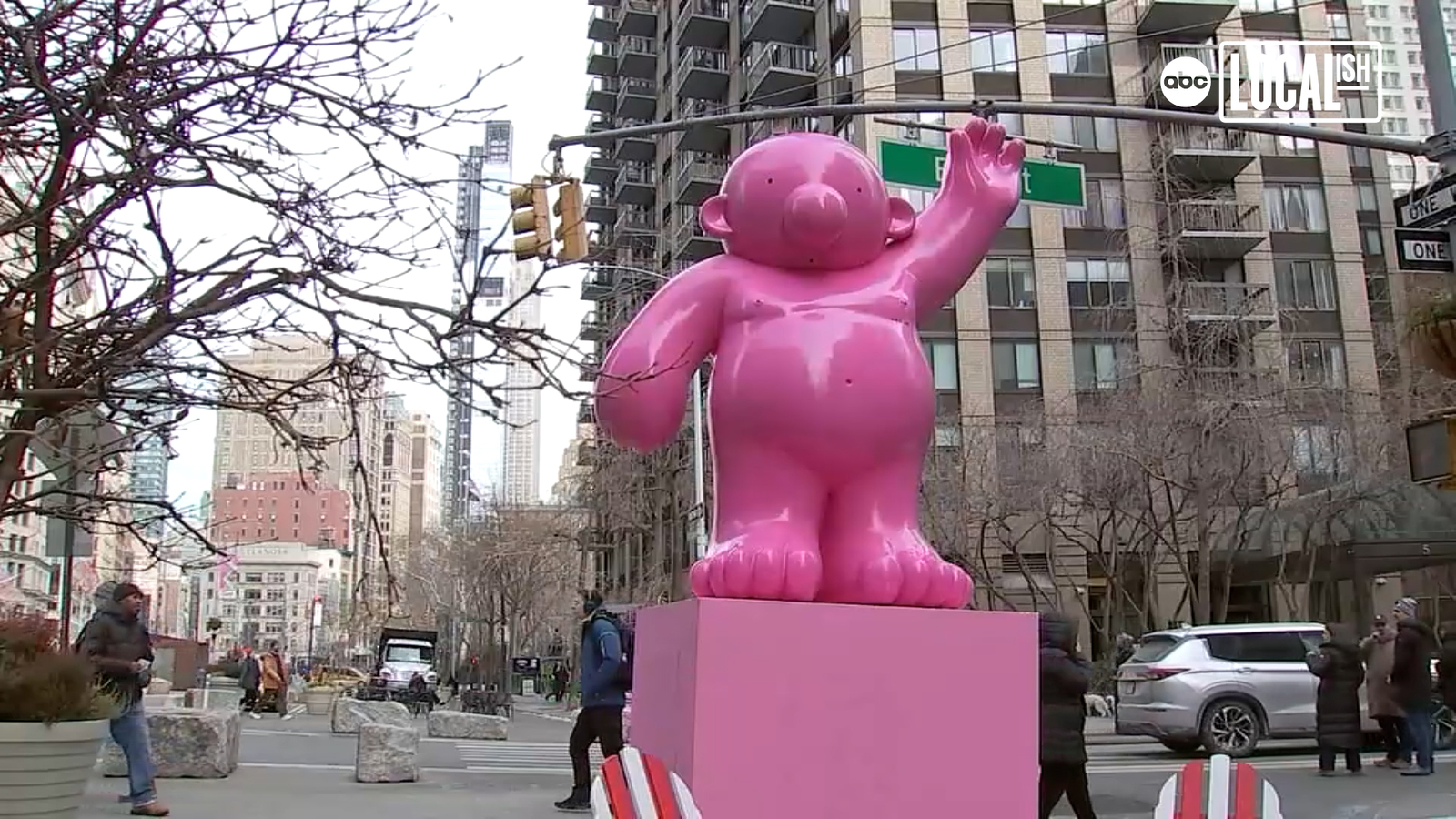
6 days ago'It was my job to create the view': US artist Liza Lou on making colourful works in her windowless warehouse
Liza Lou's artistic journey emphasizes the significance of color and materiality in her work, blending oil painting with glass beads.
Environment
fromGothamist
2 months agoDeborah Masters, sculptor and early environmental advocate for Brooklyn, dies at 74
Deborah Elder Masters led North Brooklyn environmental activism, securing protections against severe pollution and advancing recognition of low-income communities and communities of color.
fromwww.scientificamerican.com
1 month agoHow a poet uses AI to write and why her work is now at MoMA
Poetry and artificial intelligence can appear as oppositesone deeply human; the other cold and mechanical. Sasha Stiles sees them as expressions of the same impulse. Poetry, the Kalmyk- American poet argues, is one of our most ancient and enduring technologies, a system of meter and rhyme invented to store vital information. She views AI as its natural heir. Stiles's path to AI began with literature, not code.
Artificial intelligence
Miscellaneous
fromColossal
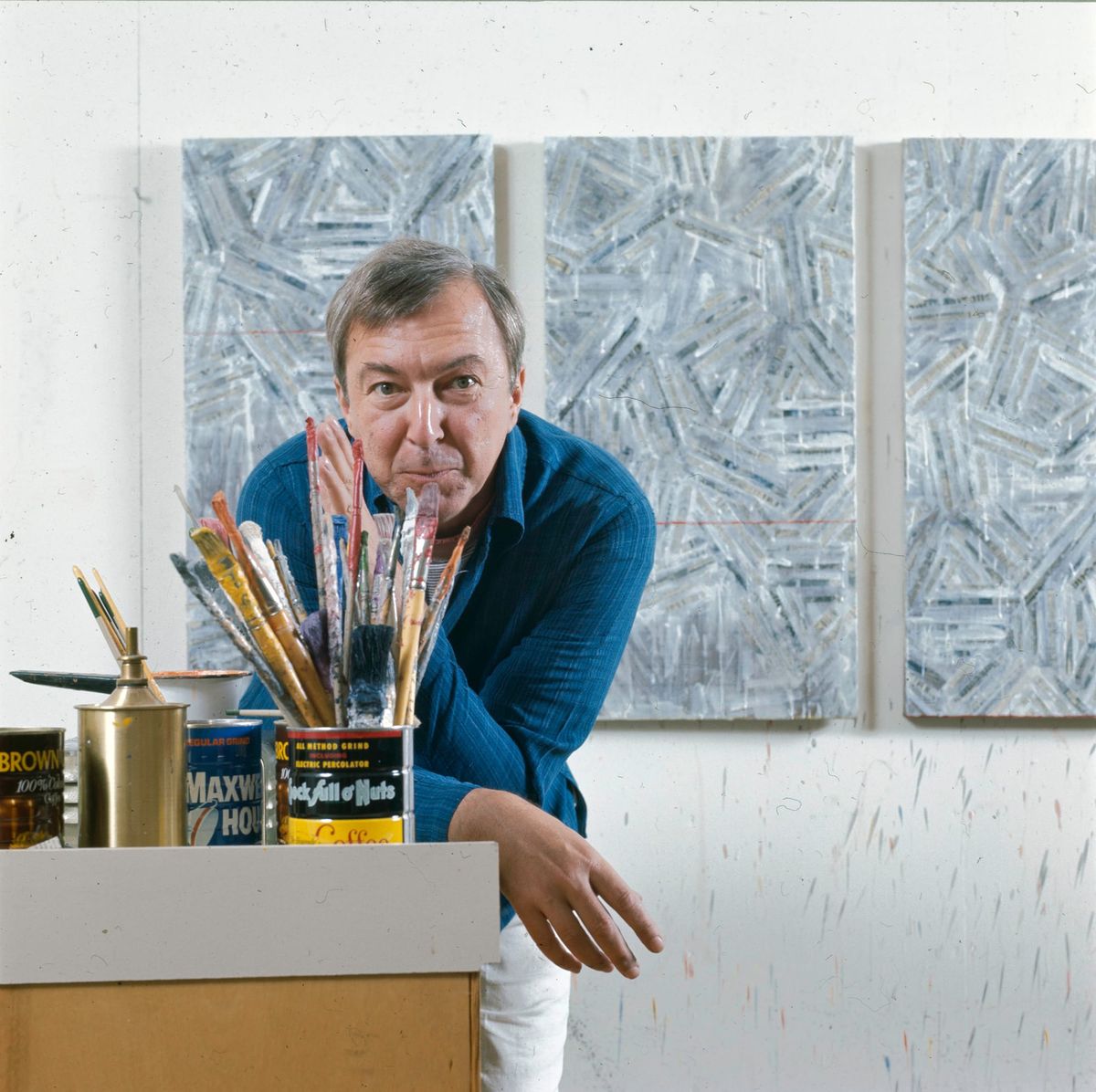
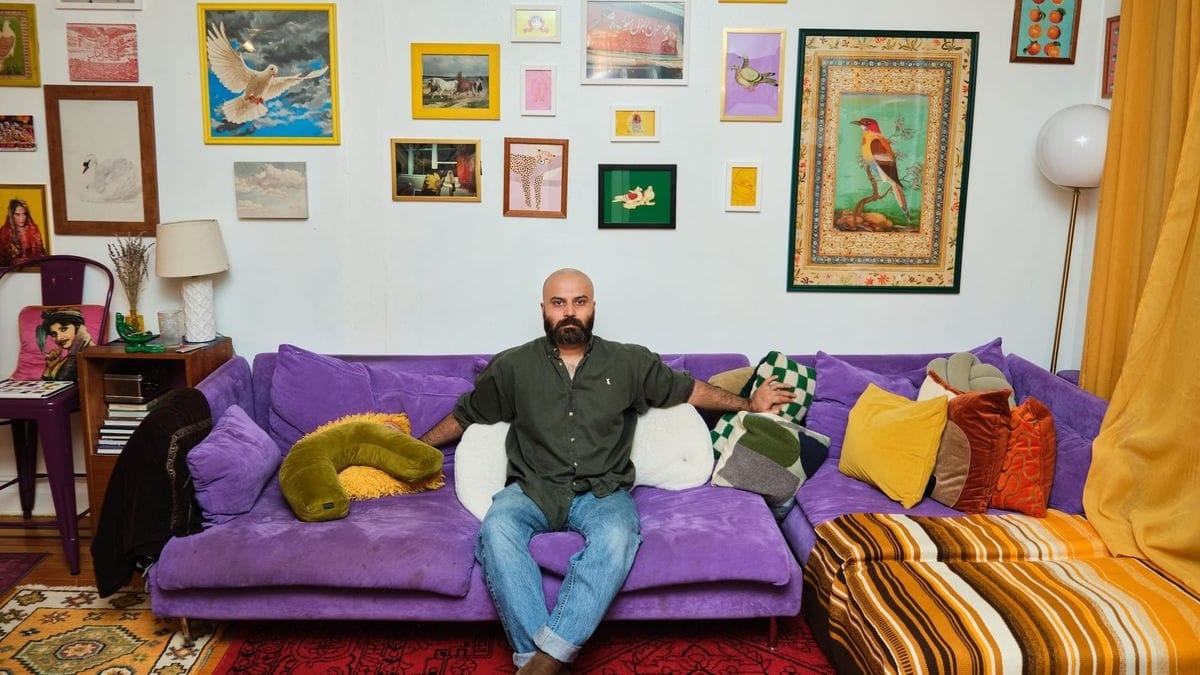
1 month agoRuby Silvious' Tiny Paintings and Assemblages Reimagine Used Teabags
Ruby Silvious creates mixed-media collages and sculptures from repurposed teabags, incorporating various found materials and manipulating the soft paper into wearable garments and artistic pieces.
Arts
fromOregon ArtsWatch * Arts & Culture News
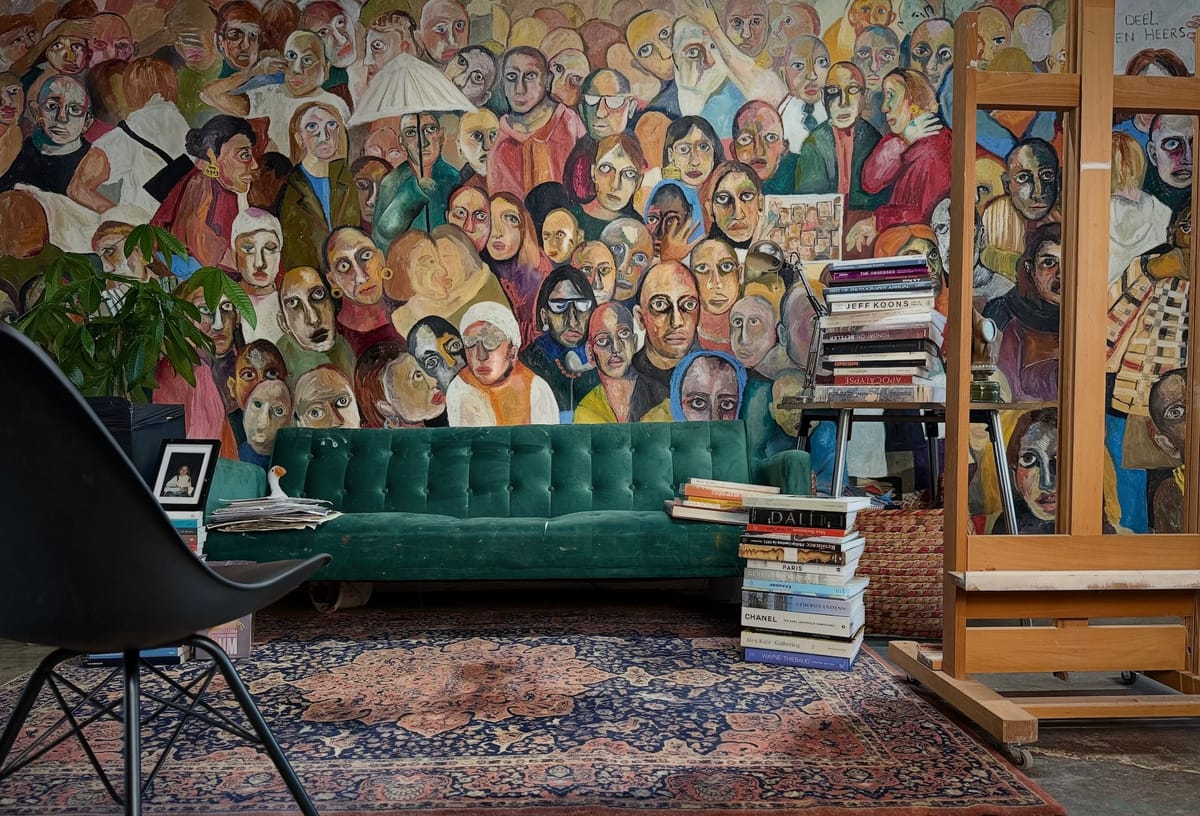
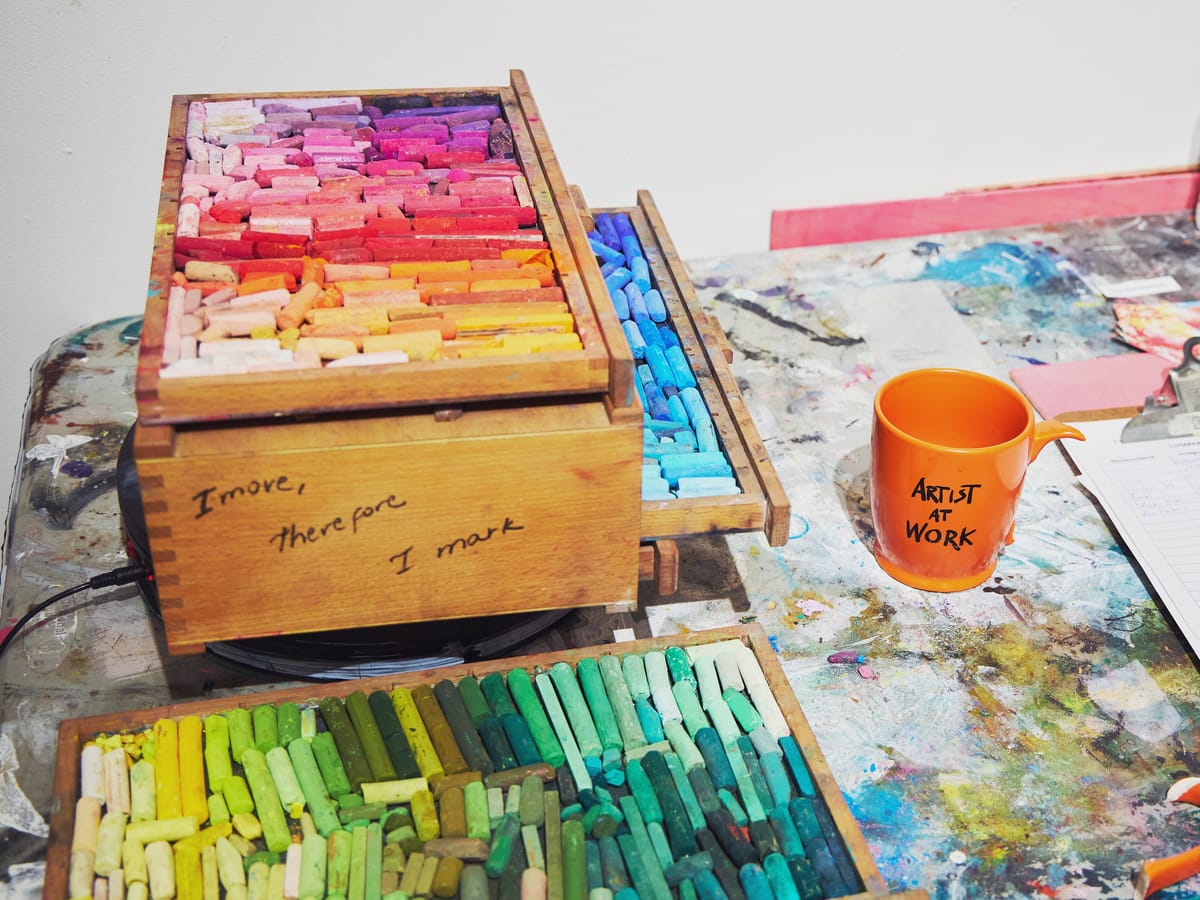
3 weeks ago'A Division of Vision': H. Eliz Snowcarp's art for people who see things differently * Oregon ArtsWatch
H. Eliz Snowcarp's installation challenges exclusion in the art world by promoting tactile interaction and inclusivity for those with different abilities.
fromBOOOOOOOM!
1 month ago"Always Were" by Artist Opal Mae Ong
Ong's work contains a deep reverence for the otherworldly, combining the remnants of ancestral knowledge with speculative visions to form a kind of personal myth-making. The title of their latest series, "Always Were", is intentionally fragmentary suggesting a temporal and grammatical ambiguity that points to the liminal nature of Ong's figures and the time and place they inhabit.
Arts
fromHyperallergic
1 month agoEmbracing Friction in the Art World
On Franklin Street in Brooklyn's Greenpoint neighborhood, one non-commercial gallery fosters 'a small, stubbornly human space for friction.' Friction—the ubiquitous buzzword that captures the simultaneous delight and discomfort of doing things the slow way—is at the heart of artists Pap Souleye Fall and Char Jeré's current show at Subtitled NYC. It also reflects the overall spirit of this little exhibition space and of a burgeoning movement to reject our culture of optimization in favor of a bumpier, more intimate, less alienating experience.
Arts
fromArtnet News
1 month agoInside the Forum Where Women in the Arts Are Taking on the Status Quo
What began as a passion for collecting became a responsibility. She not only believes in the artistic genius of women, but she wants society in general to hold men and women artists in equal esteem-and to place the same monetary value on their work.
Arts
fromHyperallergic
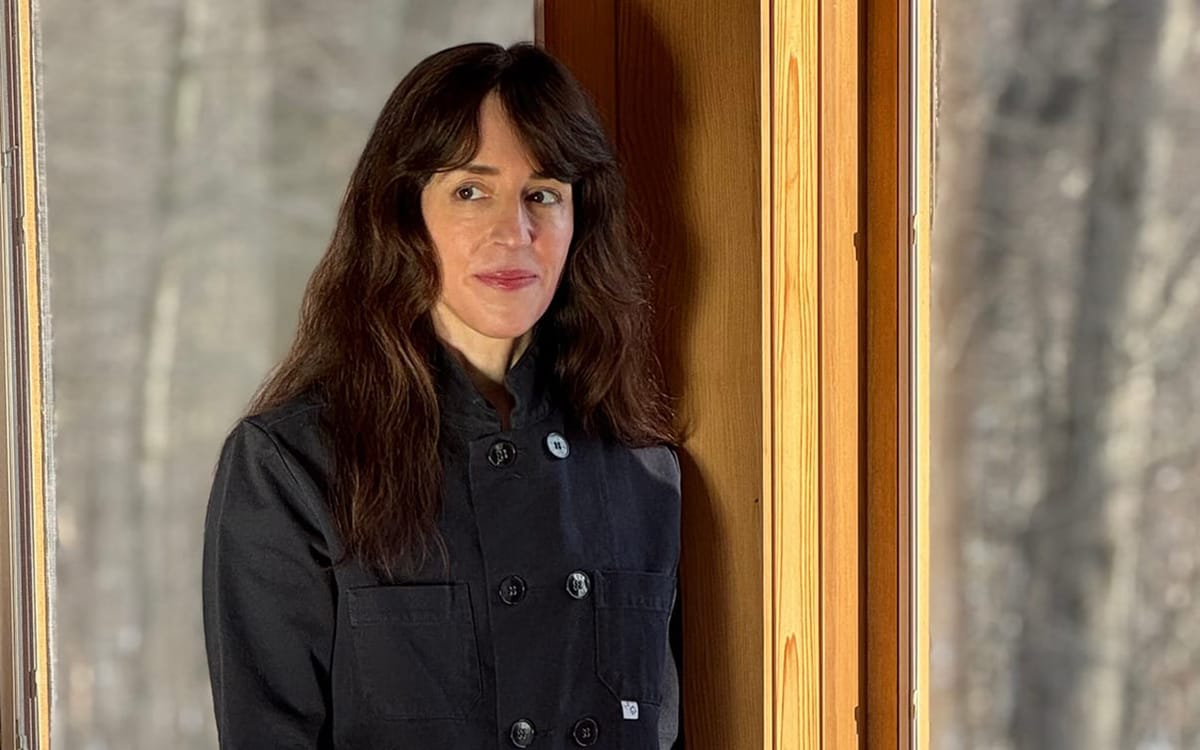
2 months agoA View From the Easel
I work outside, carving and shaping the stone. Outside my house, I have a table, an extension cord, and tools. It's very cold and I have to wear all my winter clothes. When it's too cold, I do the filing and finishing work inside after I shape it outside. I listen to all kinds of music. I listen to Eminem all the time; his albums are all my favorites. For drawings, I work at Kinngait Studios or at home on my kitchen table.
Arts
fromHyperallergic
2 months agoA View From the Easel
Mornings are best for concentrated work. In the winter, I turn on the heat at 8am and get started around 10am. Summer, I start around 9am. I have two areas in the studio for projects. The large, heavy wood sculptures are carved in the front section of the studio, closest to the roll-up wide door. Smaller sculptures are placed on a hydraulic workbench. Before I start, I focus, connect with the Source, and ask for guidance.
Arts
Arts
fromwww.theguardian.com
2 months agoArtist Sarah Sze: A work of art is finished when everything teeters'
Sarah Sze’s Gagosian Beverly Hills exhibition uses 13 works—large, intricate paintings and video installations—to create immersive, disorienting landscapes reflecting an image‑saturated, unstable contemporary world.
fromELLE Decor
2 months agoHow Artist Mickalene Thomas Turned an Abandoned Auto Garage Into Her New Creative Headquarters
When I walked in, I just teared up. I've received so many texts and DMs that said, "Do you know you're plastered all over Paris?" To me, this is just the beginning. I come from a long line of incredible matriarchs who always fought to do the right thing. My mother worked and struggled, so I know what it takes to get things done.
Arts
fromHyperallergic
1 month agoRaw Material: The Art and Life of Susan Kleckner
Raw Material: The Art and Life of Susan Kleckner, on view at Haverford College's Cantor Fitzgerald Gallery through April 5, 2026, is the first comprehensive retrospective of the pioneering feminist artist, filmmaker, photographer, and performance artist. Bringing together nearly 100 works, many never before publicly exhibited, the exhibition seeks to reposition Kleckner as a foundational figure in feminist, queer, and activist art histories.
Arts
[ Load more ]