#animal-perspective
#animal-perspective
[ follow ]
#animal-welfare #animal-behavior #conservation #wildlife-conservation #human-animal-bond #animal-sentience
fromFuturism
2 hours agoVideo Shows Humanoid Robot Chasing a Pack of Wild Boars
A customized Unitree G1 robot can be seen chasing a small flock of wild boars through an empty car parking lot in Warsaw, Poland. The widely disseminated footage shows the robot jogging across a small patch of grass while chasing down the wild animals, only to raise its fist in the air in frustration after they successfully get away.
Pets

Photography
fromYanko Design - Modern Industrial Design News
1 day agoThis minimal AI camera blends into the wild while quietly tracking wildlife - Yanko Design
A minimal AI camera concept enhances wildlife observation by integrating intelligence into the environment, reducing human interference and improving monitoring accuracy.
fromFuturism
1 day agoSelf-Driving Car Runs Down Mother Duck Taking Care of Her Eggs, Flees Scene
The vehicle came to complete and appropriate stops at all relevant stop signs. We will, however, continue to carefully analyze all related data to ensure a full understanding of the situation.
Toronto startup

Online Community Development
fromPsychology Today
3 weeks agoThe Power of Human-Animal Relationships: 'Unleashing the Bond'
Human-animal relationships significantly influence physical health, emotional well-being, and community resilience through scientifically measurable mechanisms beyond sentimental value.
Psychology
fromSilicon Canals
3 weeks agoThere's a kind of intelligence that never gets measured because it lives entirely in the body. The person who can feel the weather changing in their knees, read a dog's mood from across the street, and know a room is wrong before anyone speaks. - Silicon Canals
Intelligence extends beyond cognitive abilities, encompassing bodily awareness and interoception as vital forms of processing information.
fromOpen Culture
3 weeks agoIn Her Final Reflections, Jane Goodall Issues a Warning: "Without Hope, We Fall Into Apathy"
Somebody sent to this world to try to give people hope in dark times, because without hope, we fall into apathy and do nothing, and in the dark times that we are living in now, if people don't have hope, we're doomed. How can we bring little children into this dark world we've created and let them be surrounded by people who've given up?
Writing
Pets
fromSilicon Canals
6 days agoPsychology says people who treat their dogs like children aren't substituting the dog for human connection - they've found a relationship in which the attachment system can operate without the self-protective interference that human relationships almost always trigger, and the love that results is not lesser for its safety, it is simply the version of love that the person is most fully capable of giving without the armor on - Silicon Canals
People treating dogs like children are not compensating for something missing; they are experiencing a profound understanding of love and attachment.
fromHigh Country News
1 month agoCoyotes and cougars and rats, oh my! - High Country News
An unnamed tourist saw it and told Aidan Moore, who works for Alcatraz City Cruises. Moore told SFGATE that he was initially skeptical, but the guest's iPhone footage left little room for doubt. The video shows, not a sea lion or an otter, but an actual Canis latrans, doggedly dogpaddling, then clambering out of the water, noticeably shaky and struggling to settle tired paws on the craggy rocks.
California
fromYanko Design - Modern Industrial Design News
2 months agoWhen Zoo Design Tells the Story of Life Itself - Yanko Design
The House of Elements, set to become the crown jewel of Orientarium Zoo in Łódź, Poland, takes the classical elements (earth, ice, water, fire, and air) and transforms them into a 6,000-square-meter narrative experience. Rather than designing a building where you walk from exhibit to exhibit, VMA created a continuous downward-then-upward journey that mirrors the evolution of life itself. Designer: VMA Design Studio for Orientarium Zoo
Design
fromwww.scientificamerican.com
2 months agoHow zoos are preparing animals for this weekend's massive winter storm
In Texas, the Houston Zoo has prepared its buildings and barns with heaters designed to withstand extreme conditions, the zoo said in a blog post on Friday. Animals will have access to extra hay and bedding, and food was stocked in advance. Across the Zoo, sensitive plants are being protected with coverings, and generators are positioned to provide backup power if needed, the blog post said.
US news
Environment
fromFortune
1 month agoAnimal behavioralists saved a rhino with bleeding eyes by giving it eye drops, in a "ridiculous idea" gone right | Fortune
Voluntary training allowed caretakers to safely administer eyedrops to an endangered white rhino in Zimbabwe, preserving vision and protecting a community reintroduction program.
fromPsychology Today
1 month agoTool Use By Animals: Why the Hype and Why It's So Important
Recently, two unexpected examples by a wild wolf and a domesticated cow named Veronika attracted global attention and once again opened the door for experts and others to weigh in on the question, "Are these really examples of tooling?" Many people are eager to know more about the nitty-gritty details of tooling, so I am thrilled that Dr. Benjamin Beck, an expert in this area, could answer a few questions about this fascinating behavior.
Science
fromwww.dw.com
2 months agoHoly cow! Cattle may be a lot smarter than we thought
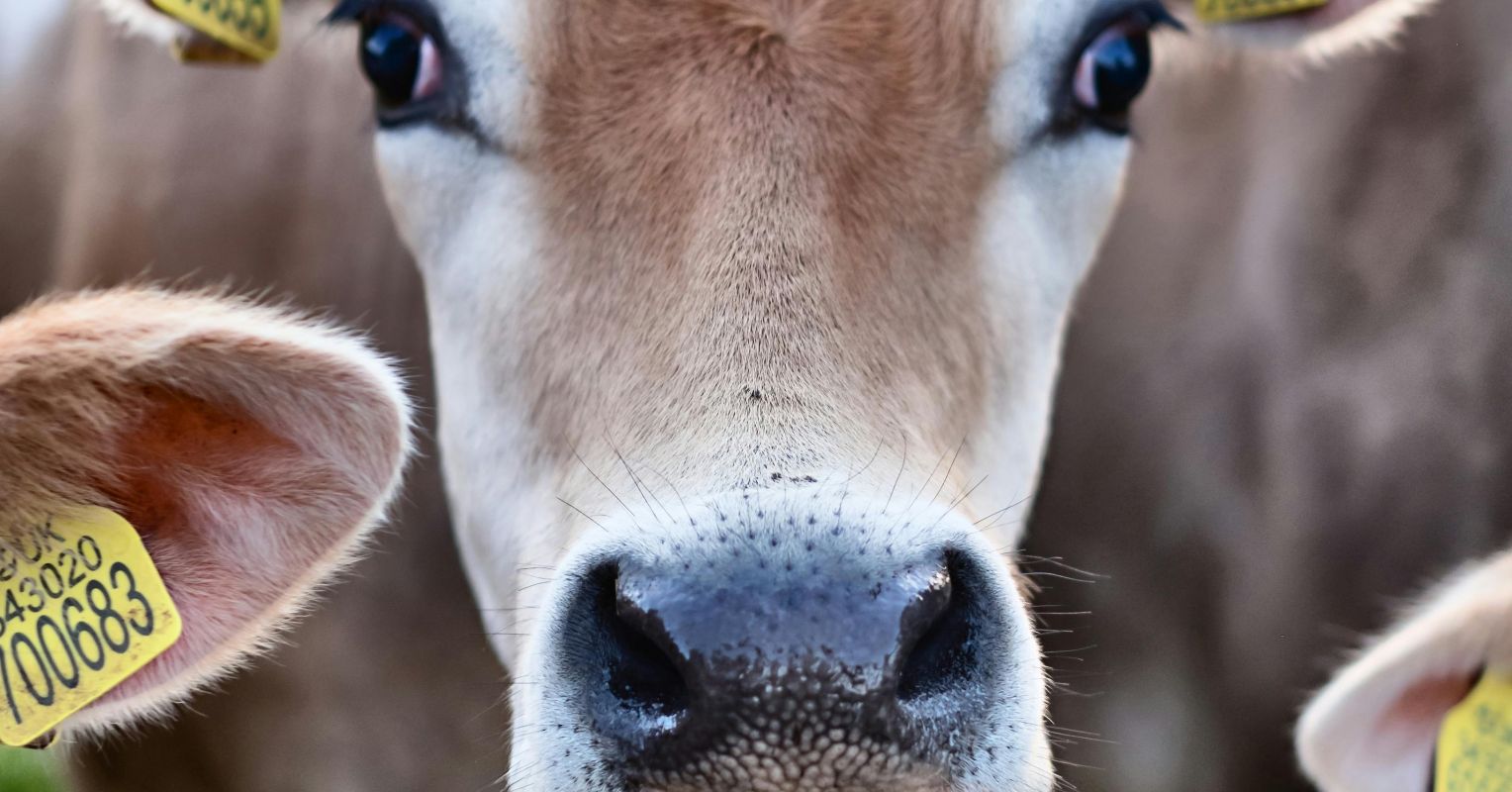
The 13-year-old Swiss Brown cow lives in the village of Notsch at the foot of the Carinthia mountains in southern Austria. She's kept as a pet by a local farmer, and can roam her meadow to her heart's delight. Like many other pets, she likes to have her back scratched. If no friendly humans are around to do the job, that's not a problem Veronika uses a brush or stick to do it herself.
Science
Pets
fromwww.scientificamerican.com
4 weeks agoWhat would happen if snakes disappeared like in Zootopia 2? An investigation
Zootopia 2 defends snakes as misunderstood creatures while highlighting their critical ecological importance as mesopredators that control rodent populations and sustain food chains.
fromPsychology Today
1 month agoThe Hidden Lives of Lab Animals and the Need for Reform
Countless millions of nonhuman animals (animals) of all sorts are used in a diverse array of laboratory research. Their treatment varies from being unspeakably inhumanely abused to being treated with kindness, depending on the questions at hand and the values and attitudes of the researchers themselves. The lives of these animals truly are hidden, and most people are incredulous when they learn that laboratory rats and mice still are not considered "animals" under the current federal Animal Welfare Act.
Science
fromwww.bbc.com
1 month agoFox family reunited after cubs found hiding in car
Our workshop has encountered all kinds of issues with vehicles over the years, but a set of fox cubs is a brand new one for us. At first, our technician thought they might be rats because the cubs are grey, rather than the typical red you would expect of a fox they gave him quite a fright.
Pets
fromArs Technica
1 month agoUnique structure of elephant whiskers give them built-in sensing "intelligence"
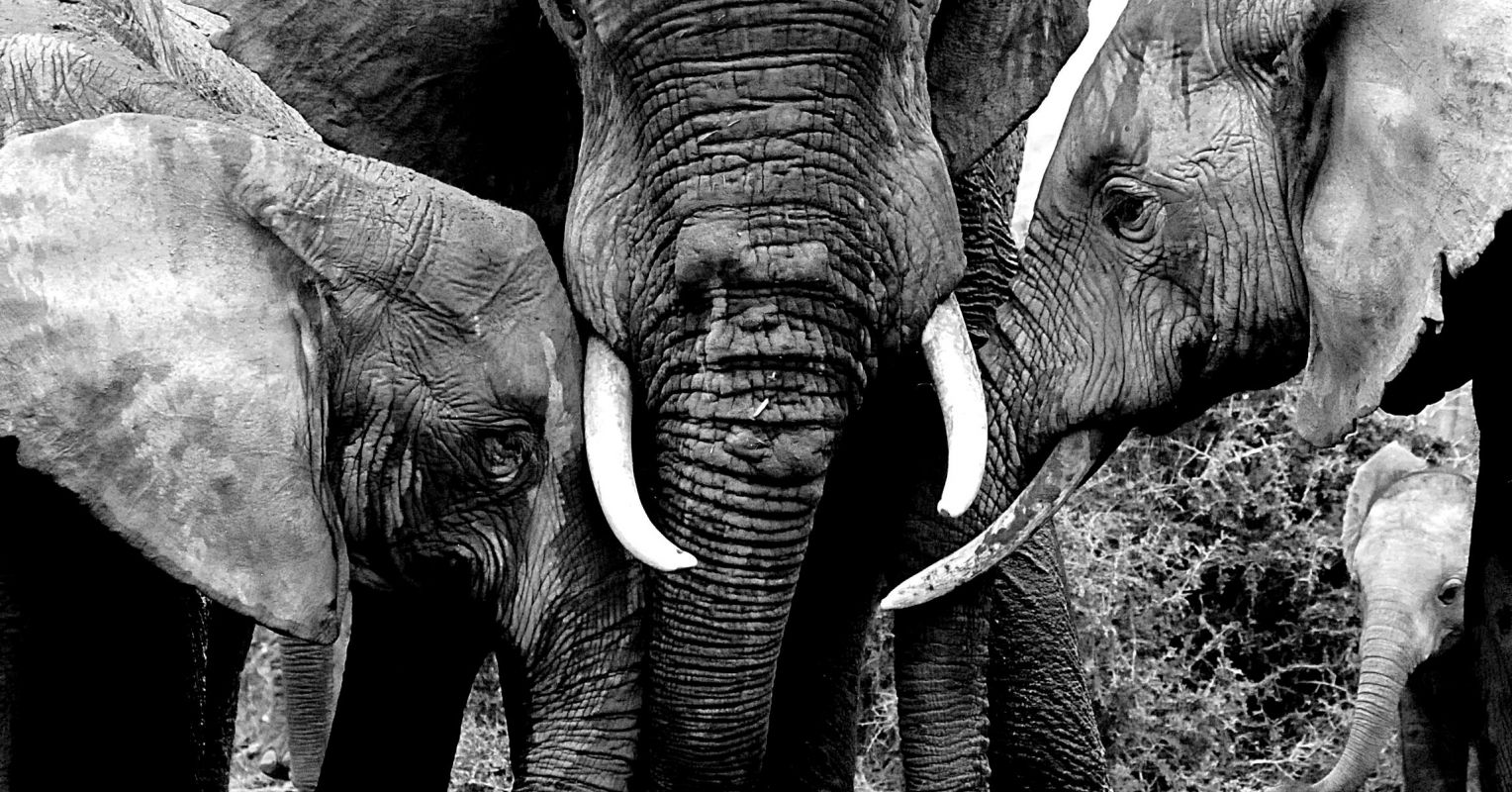
An elephant's trunk is a marvelous thing, flexible enough to bend and stretch as it forages for food, but also stiff enough to grasp and maneuver even delicate objects like peanuts or a tortilla chip. That's because the trunk is highly sensitive when it comes to sensing touch. Scientists have determined that the whiskers lining the trunk are crucial for that sensitivity thanks to their unique structure, amounting to a kind of innate "material intelligence, according to a new paper published in the journal Science.
Science
[ Load more ]