#arlene-sagun
#arlene-sagun
[ follow ]


fromMetro Silicon Valley | Silicon Valley's Leading Weekly
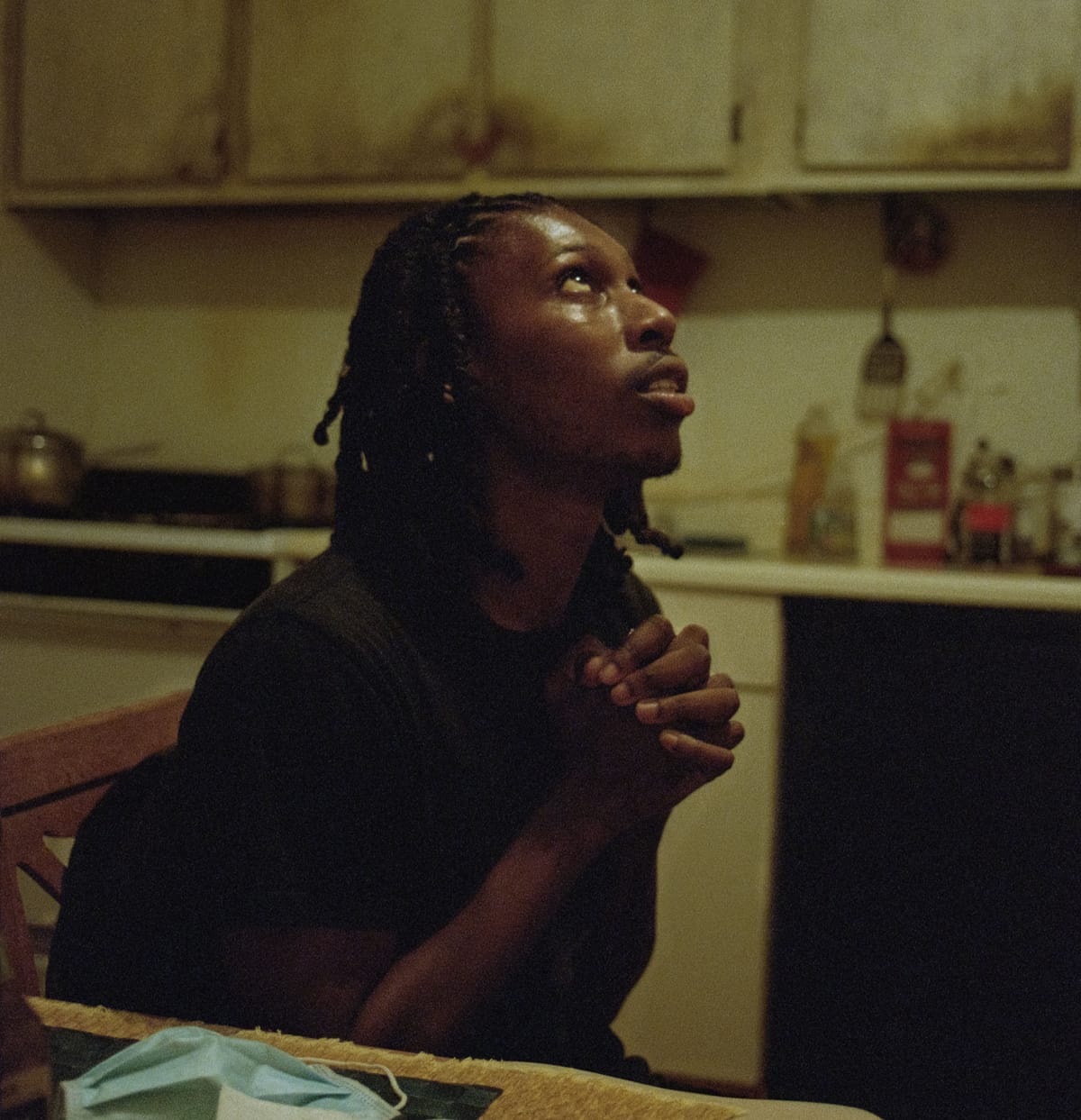
3 days agoMiguel Novelo: Inframundo in San Jose | Metro Silicon Valley | Silicon Valley's Leading Weekly
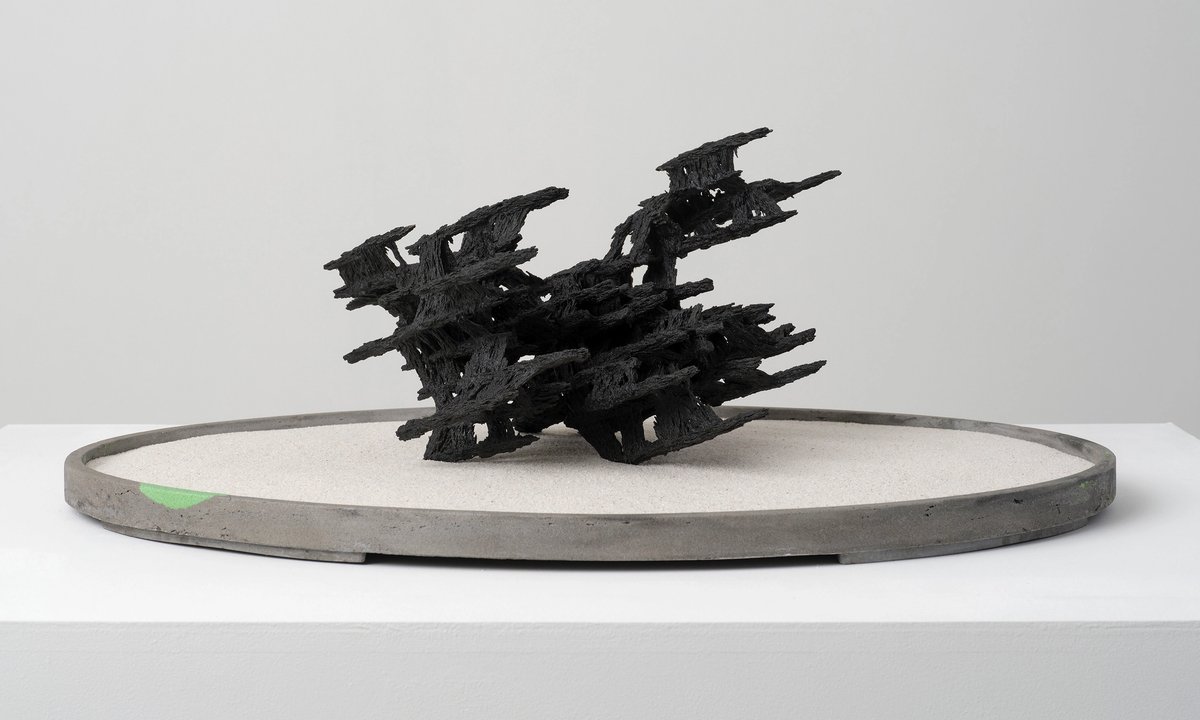
Inframundo invites visitors to look inward and become a rock, drawing on the landscape shaped by cenotes, which are thought to be portals to the Maya underworld.
Silicon Valley
fromOregon ArtsWatch * Arts & Culture News
6 days agoSpecial series: -Ism Storytellers, mixed race * Oregon ArtsWatch
In 2025, Dmae Lo Roberts embarked on a statewide storytelling experience focusing on personal stories from both artists and community members. These stories are a form of living oral history.
Portland
fromHyperallergic
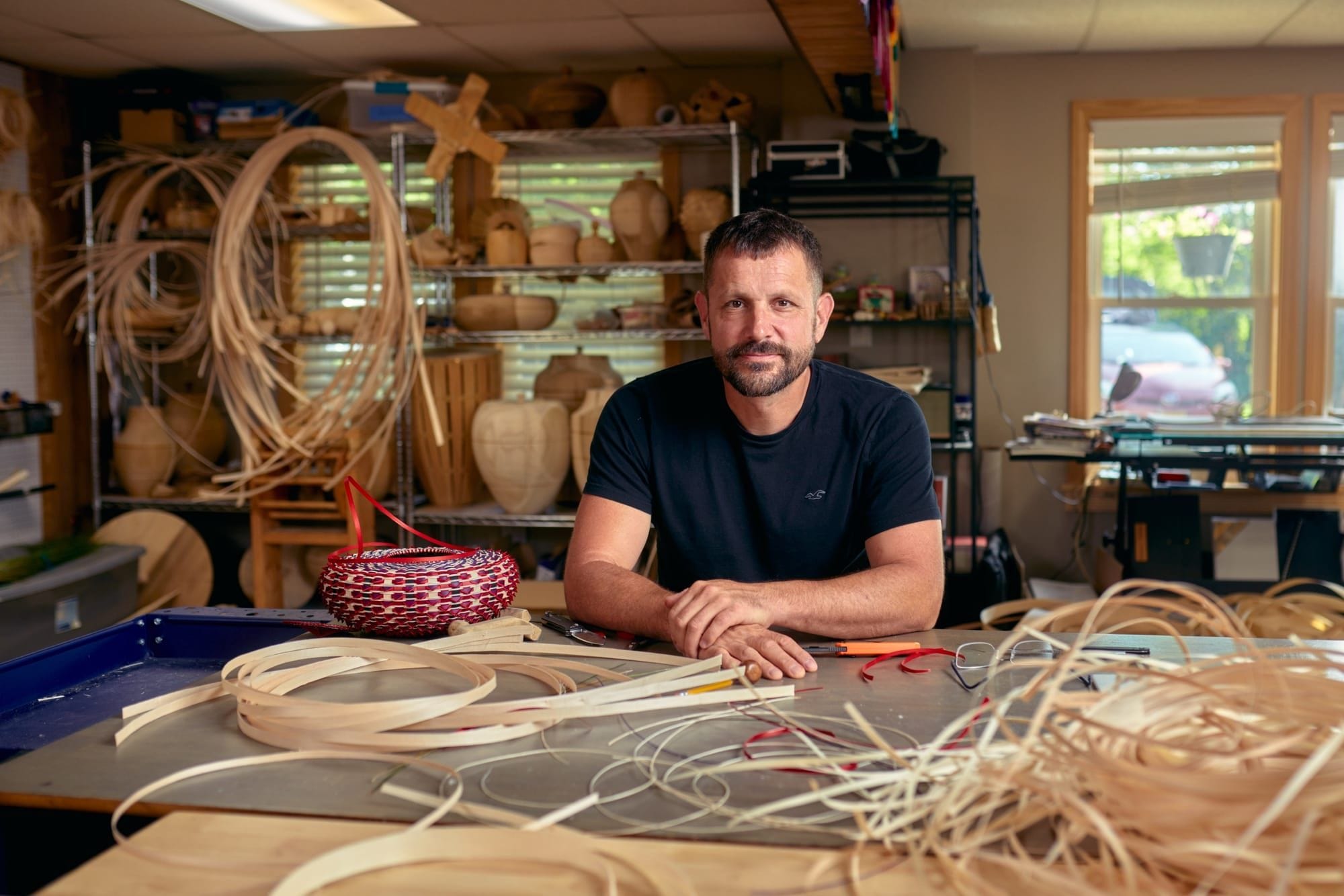
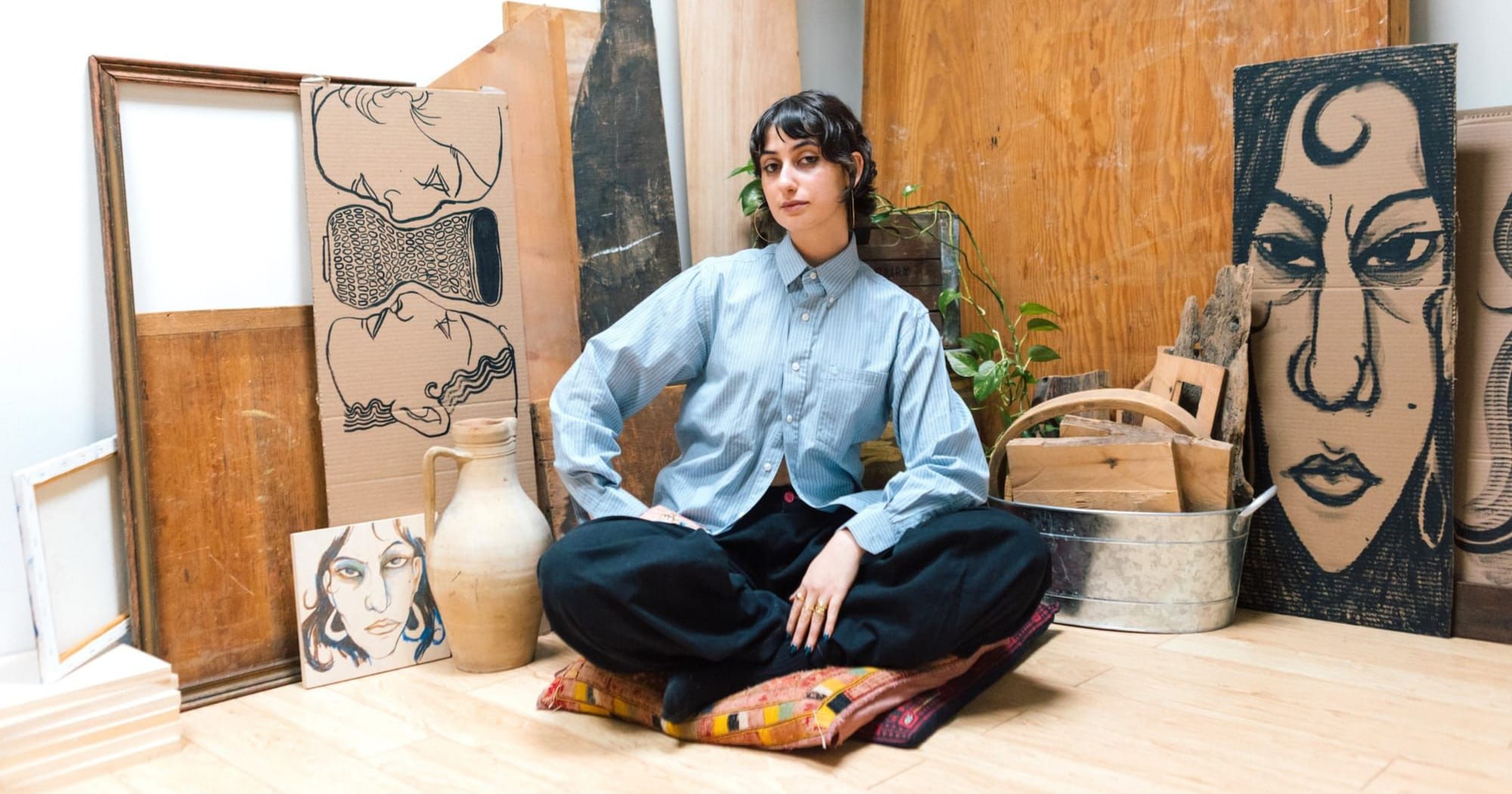
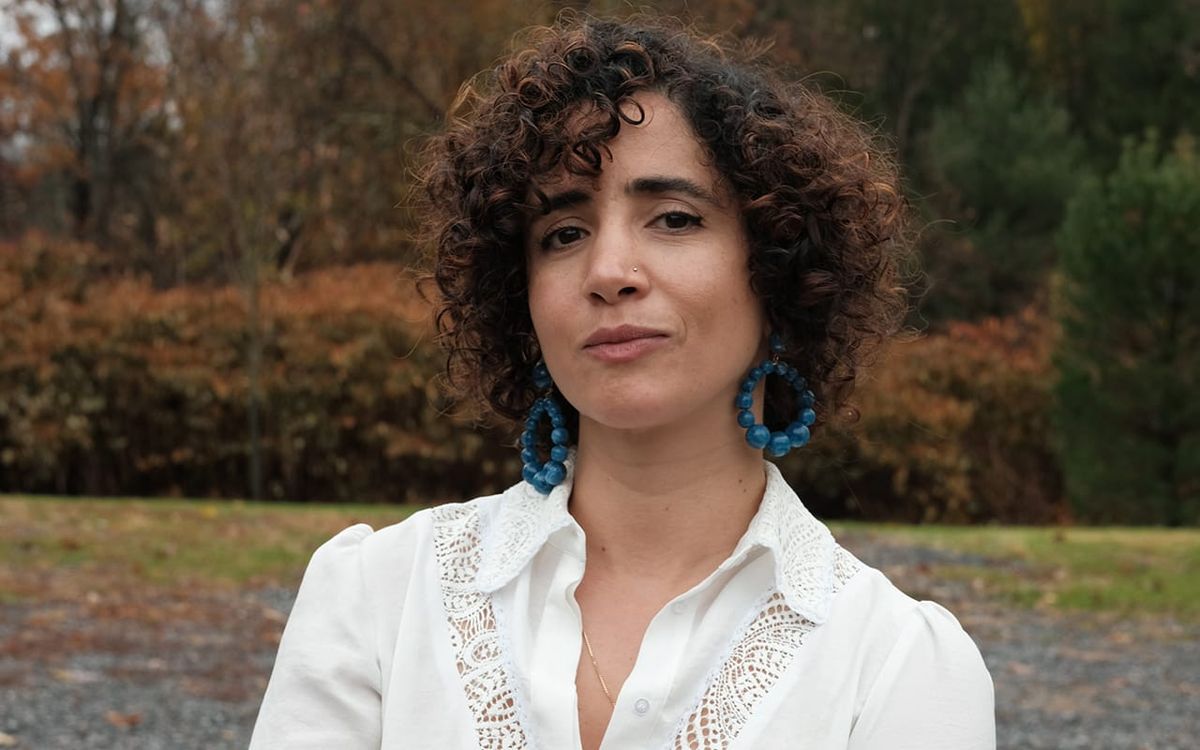
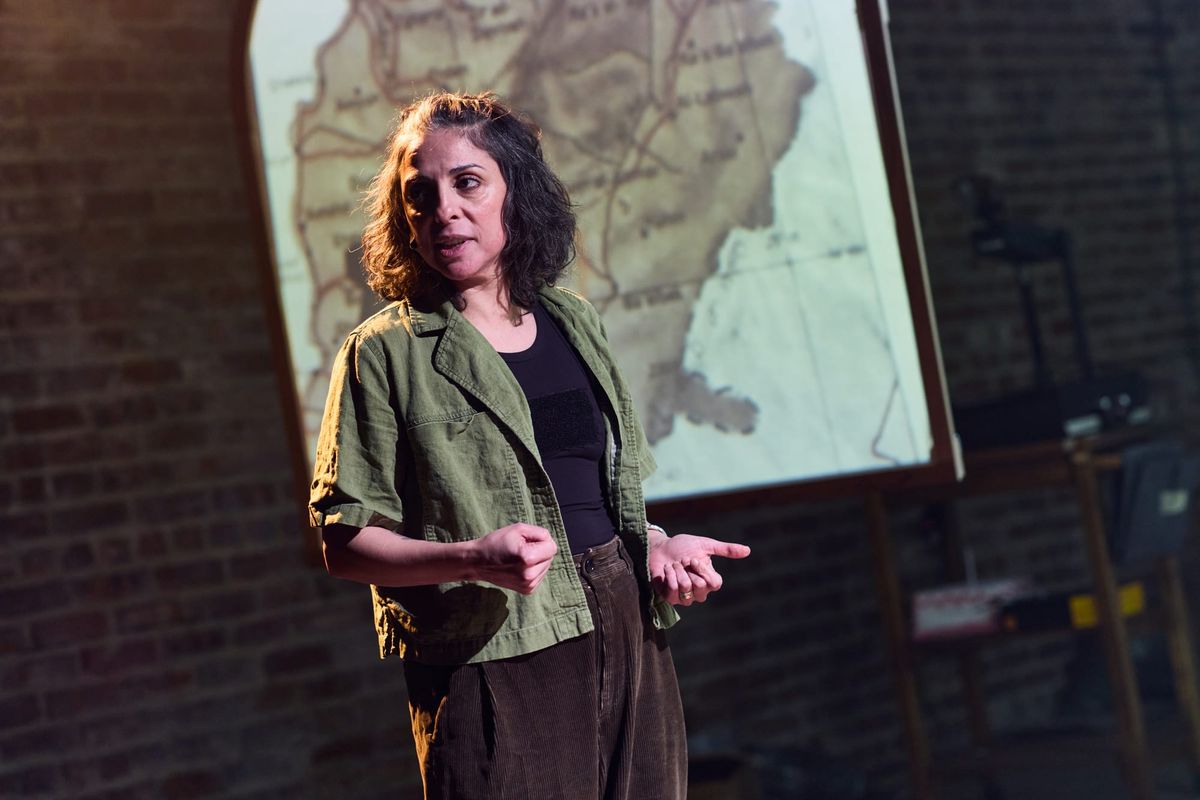
1 day agoMoMA PS1's "Greater New York" Is Gritty, Stunning, and Gutting
The curators of Greater New York really captured the energy of the city well - not the out-of-towner's New York with its glossy surfaces, brands, and trendy fare, but the gritty New York that's always in the process of formation, that rejects surface in favor of rawness.
Arts
fromThe Art Newspaper - International art news and events
1 day agoArtist interview: Sarah Rosalena
I see myself first and foremost as a weaver working at the intersection of craft and technology. As an Angeleno, I grew up learning how to weave in the Wixárika tradition of my matriarchal bloodline by watching my mother and my grandmother.
Arts
fromArtnet News
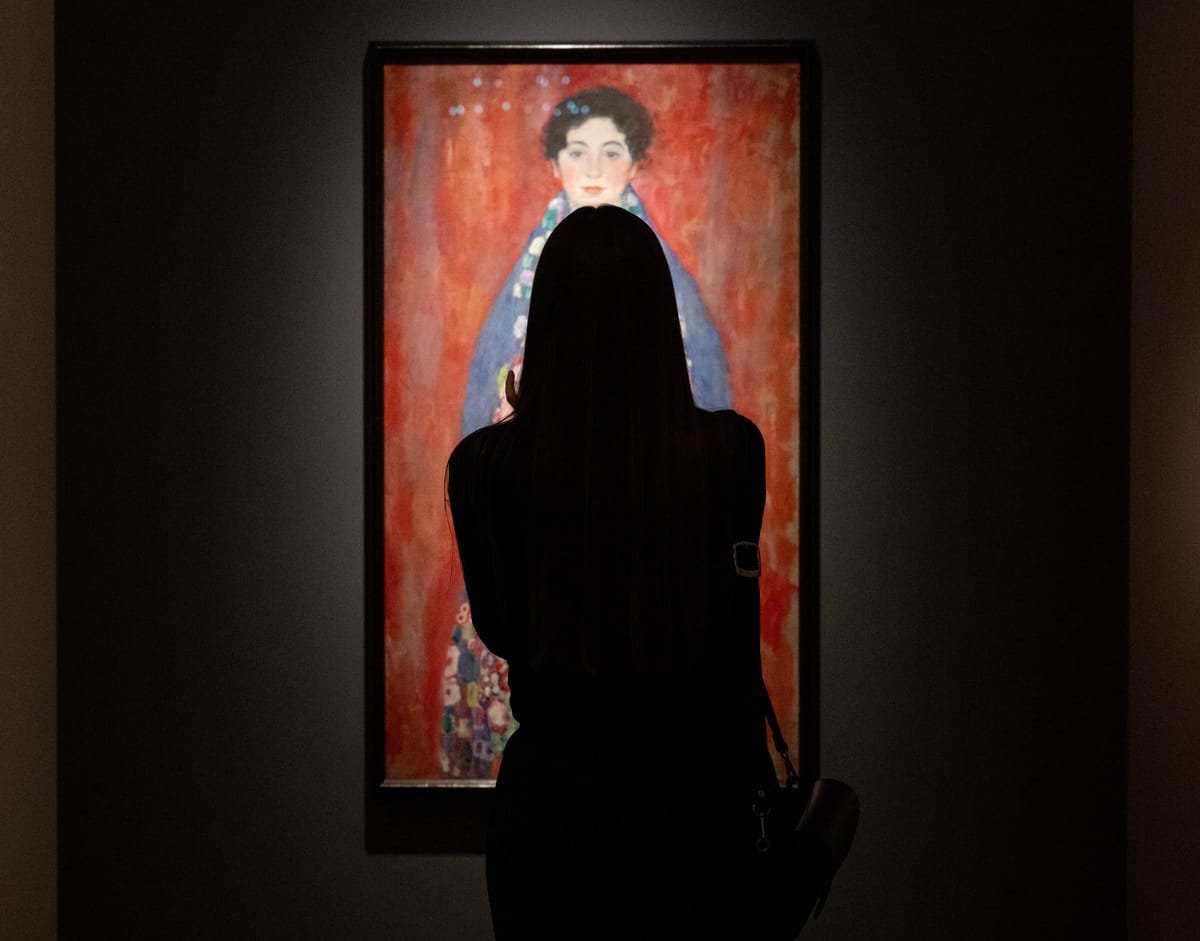
3 days agoPainting Has Entered Its Performance Era | Artnet News
Much of Instagram's video content is organized around transformation-the virtual magic of the before-and-after and clips that show cause and effect. A person makes pasta from scratch in 20 seconds via edits that compress time-intensive labor.
Arts
fromArtnet News
4 days agoThe "Next Asian Art Hub" May Be the Wrong Question
In both places, there was a sense of energy building that was not yet fully visible. The experiences made me realize that, while sales totals and fair brands can serve as benchmarks of centrality, slower, structural transformations are taking place throughout Asia that merit closer attention.
Arts
fromBoard Game Quest
2 months agoSand Art Review
Sand Art is a game by Kory Jordan and published by 25th Century Games for two to four players ages 10 and up. It takes about an hour to play, and has you collecting resources and then coloring in a bottle, making art in a bottle out of sand, in case the name didn't give away the plot. Gameplay Overview: Sand Art has you gathering and mixing sand, which is used to fill your bottle.
Board games
Berlin music
fromKALTBLUT Magazine
1 month agoUnveil the Pulse of Memory: Filipp Jenikae's Visual Symphony at Galerie Sara Lily Perez - %
Filipp Jenikäe's exhibition explores how urban spectacle, collective memory, and personal experience merge through dynamic paintings of cities, crowds, and athletic figures.
fromwww.archdaily.com
2 months agoMuseum of Broken Relationships - Chiang Mai / STA
Napat Pattrayanond + 20 More SpecsLess Specs Napat Pattrayanond Text description provided by the architects. Museum Of Broken Relationships is a renovation and a transformation of a historical Chiang Mai building into a museum space. The building, originally a shop and a warehouse built in 1904, had already been altered various times.
Renovation
Miscellaneous
fromThe Art Newspaper - International art news and events
1 month agoComment | Art is more than its original context
Understanding art's original context enriches appreciation, yet modern viewing conditions and lost contexts require adapting how we engage with artworks across different settings and time periods.
Arts
fromThe Art Newspaper - International art news and events
3 weeks agoWho owns the seas? Shahzia Sikander's new animation on world trade beamed onto M+ museum facade
Shahzia Sikander's work explores territorial sovereignty and authority through animation, linking historical events like the Opium Wars to contemporary issues.
fromBOOOOOOOM!
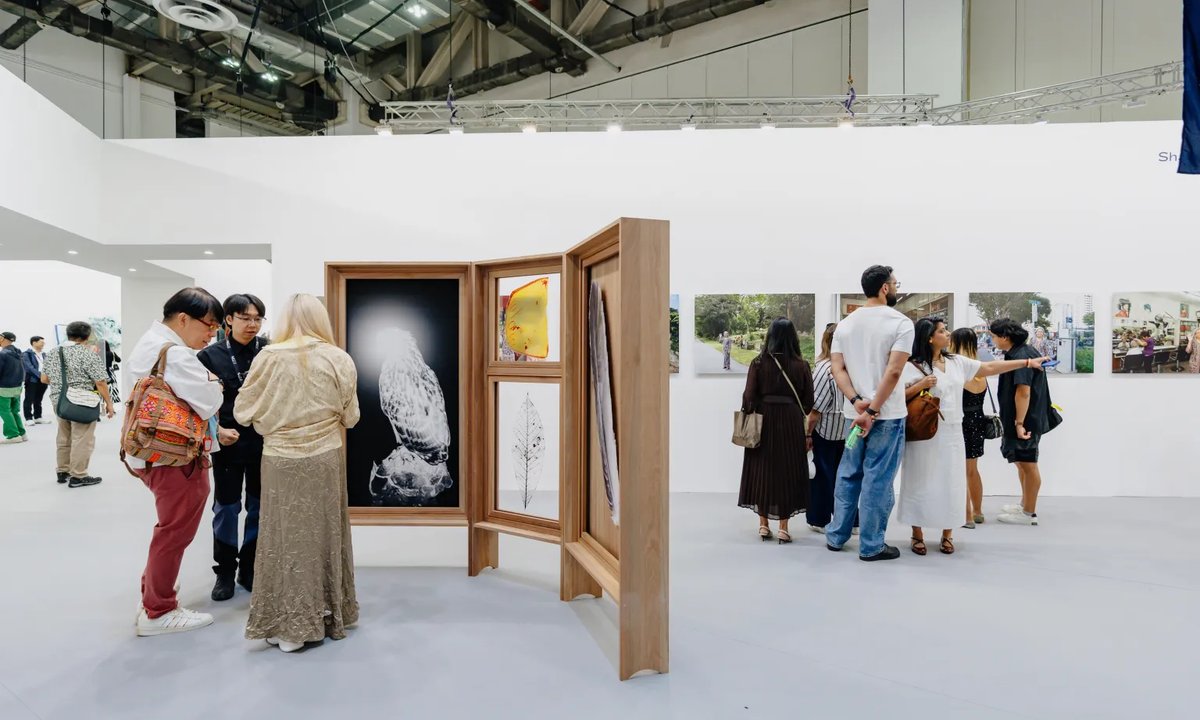
1 month ago"Always Were" by Artist Opal Mae Ong
Ong's work contains a deep reverence for the otherworldly, combining the remnants of ancestral knowledge with speculative visions to form a kind of personal myth-making. The title of their latest series, "Always Were", is intentionally fragmentary suggesting a temporal and grammatical ambiguity that points to the liminal nature of Ong's figures and the time and place they inhabit.
Arts
Arts
fromThe Art Newspaper - International art news and events
1 month ago'It doesn't put walls around everything': behind the plans for Manila's new contemporary art centre
The Ayala Foundation is developing Kontempo Center for Contemporary Art in Manila, led by artistic director Reuben Keehan, emphasizing exhibitions and public programming over permanent collections.
Arts
fromwww.7x7.com
1 month agoAAPI art and culture are in the spotlight at the upcoming San Francisco Art Fair.
The 14th Asian American and Pacific Islander Art Fair in San Francisco celebrates cultural contributions through partnerships with major institutions and features diverse artists, curators, and culinary programming.

Arts
fromArtnet News
2 months agoMajor Contemporary Art Center Planned in Manila-and a Rundown of the Latest in Asia's Art World | Artnet News
Major Asian art fairs broaden regional visibility, showcase MENASA artists, and generate modest sales while building important institutional and dealer relationships.
fromThe Art Newspaper - International art news and events
2 months agoFrom monumental scroll paintings to metaphorical breasts: five works to see at Art SG
The Thai artist Pinaree Sanpitak began exploring female breasts in her work shortly after the birth of her son in 1994, when she began breastfeeding. Reflecting on her experience as a mother, the breast became a metaphor for herself as well as a broader celebration of womanhood. In 2001 Sanpitak began to draw parallels between the breast and Buddhist stupas-dome-shaped sites of veneration, and began her Breast Stupa series, combining the sacred with the sensuous.
Arts
fromHyperallergic
1 month agoMarigold Santos Takes Root
The only thing most people know about epiphytes, if they know about them at all, is that they're rootless. That's not quite true - they develop highly specialized root systems adapted to wherever they land. In Epiphytic Elucidations at Patel Brown Gallery, Calgary-based artist Marigold Santos takes this fact as more than a metaphor. The exhibition uses epiphytes - plants that grow on other plants without harming them - as a framework for the expansive ways diasporas form through material labor.
Arts
fromThe Art Newspaper - International art news and events
2 months agoFrom shopping malls to housing estates, Singapore Biennale integrates art into the city's urban fabric
"The idea is that intention is not the whole story," says Selene Yap, a co-curator of the Biennale. "Systems can generate a certain kind of afterlife, and there are side effects." While the waterfall impresses, it also has consequences, she adds. The work uncovers how Singapore imports hydropower through transnational infrastructure, including the Vajiralongkorn Dam, whose construction has displaced Thailand's indigenous Karen hill tribe, forcing many to live in floating homes on the reservoir.
Arts
fromArtnet News
2 months agoThe Dutch Gallery Bringing Eyes to Armenia's Contemporary Art Scene
While Armenia has long been recognized for its rich and storied historical art and culture, the country's contemporary art scene is emerging as one to watch on a global scale. Armenian artists stand out for their ability to synthesize their own cultural heritage with avant-garde approaches to contemporary artmaking, bridging tradition with self-expression. Paralleling broader rising critical and market interest and investment in regions outside of the West, ARAR Gallery of Utrecht, the Netherlands, is at the forefront of Armenian art's mounting international presence.
Arts
fromHyperallergic
2 months agoArt for Dignity
As if demolishing the East Wing, gutting arts agencies, and slapping his name and face on several federal buildings weren't enough, the US president now wants to do away with a DC building known as the "Sistine Chapel of New Deal art." This week, we reported on a burgeoning campaign to save the Wilbur J. Cohen Federal Building, which houses murals by Ben Shahn, Philip Guston, Seymour Fogel, and other major American artists. We will continue to follow this story.
Arts
fromColossal
2 months agoRegina Silveira Pieces Together an Evolving Narrative of Latin America
Regina Silveira has spent the better part of three decades considering the relationship between media and meaning, particularly as it relates to Latin America. First presented in 1997, "To Be Continued..." features 100 black-and-white reproductions of photos, newspaper clippings, propaganda, advertisements, and more. Silveira nests each image into an oversized puzzle piece, which cuts off faces and scenes to leave fragments of pop culture icons, flora and fauna, and even the occasional mugshot spliced next to one another.
Arts
fromThe Mercury News
2 months agoSan Jose artist brings wind, light to bear in her paintings
Artist Ayelet Gal-On does not just paint; she builds, layering oil, acrylic and plaster on canvas. Gal-On's signature subjects for "Taken by the Wind, Swept by the Light," her upcoming solo exhibition at Gallery 9 in Los Altos, are white dresses that appear to hang on a line, defying the stillness of the canvas. "I love the process of playing with color," says the artist.
Arts
fromArtnet News
2 months agoSingapore to Doha to Delhi: The New Cultural Corridor Shaping Asia's Art Market | Artnet News
This year's Art SG, which closed last month, featured an intriguing debut: South Asian Insights, a modest pavilion dedicated to contemporary art from the region. Part of the TVS Initiative for Indian and South Asian Contemporary Art, it was backed by India's TVS Motor Company, one of the world's largest two-wheel manufacturers, which has its global headquarters in Singapore. Eight galleries-five from India-were each given a wall to showcase art.
Arts
[ Load more ]