#art-world-legal-disputes
#art-world-legal-disputes
[ follow ]
#art-market #patent-law #contemporary-art #supreme-court #copyright #art #uspto #art-theft #intellectual-property



#trademark-law
Intellectual property law
fromThe IP Law Blog
1 month agoWhy Lady Gaga Prevailed in the "Mayhem" Trademark Dispute
A federal court denied Lost International's injunction against Lady Gaga's use of 'Mayhem' for her album and tour, applying First Amendment protections to merchandise under the Rogers test rather than traditional trademark confusion analysis.

fromMpls.St.Paul Magazine
5 days agoDesign Destinations: New York City
"It's a really special spot. When you start at the top and move down the gently sloped ramp, you almost feel like a marble tumbling down, looking at art as you roll by. The slight slant plays with your sense of perspective and grounding."
NYC food
#patent-law
Intellectual property law
fromGlobal IP & Technology Law Blog
5 days agoA New Path for Patent Owners in Ex Parte Reexams - But What About the Rules?
Patent owners can now respond to ex parte reexamination requests before the SNQ determination, despite existing rules that typically prohibit such responses.

fromThe Art Newspaper - International art news and events
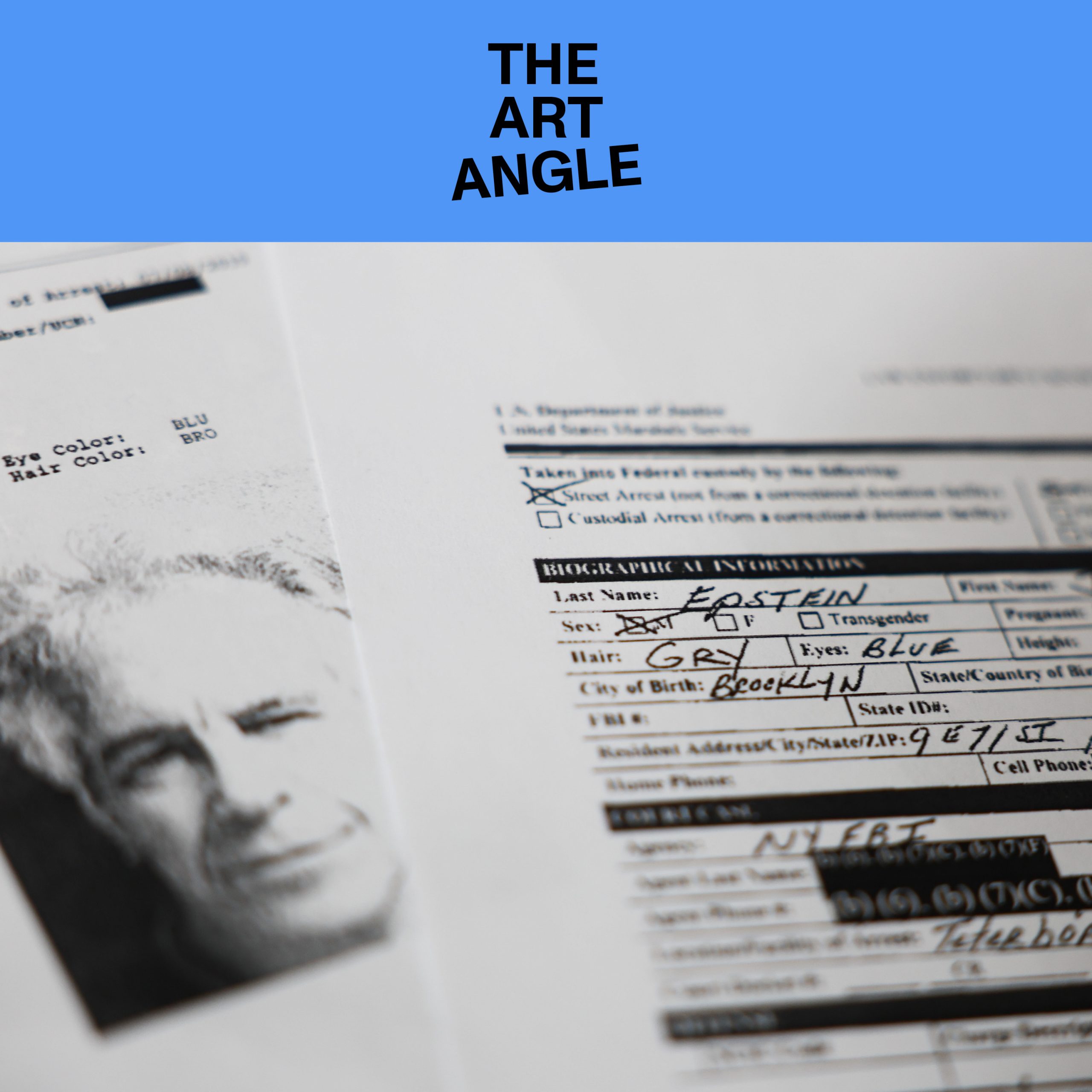
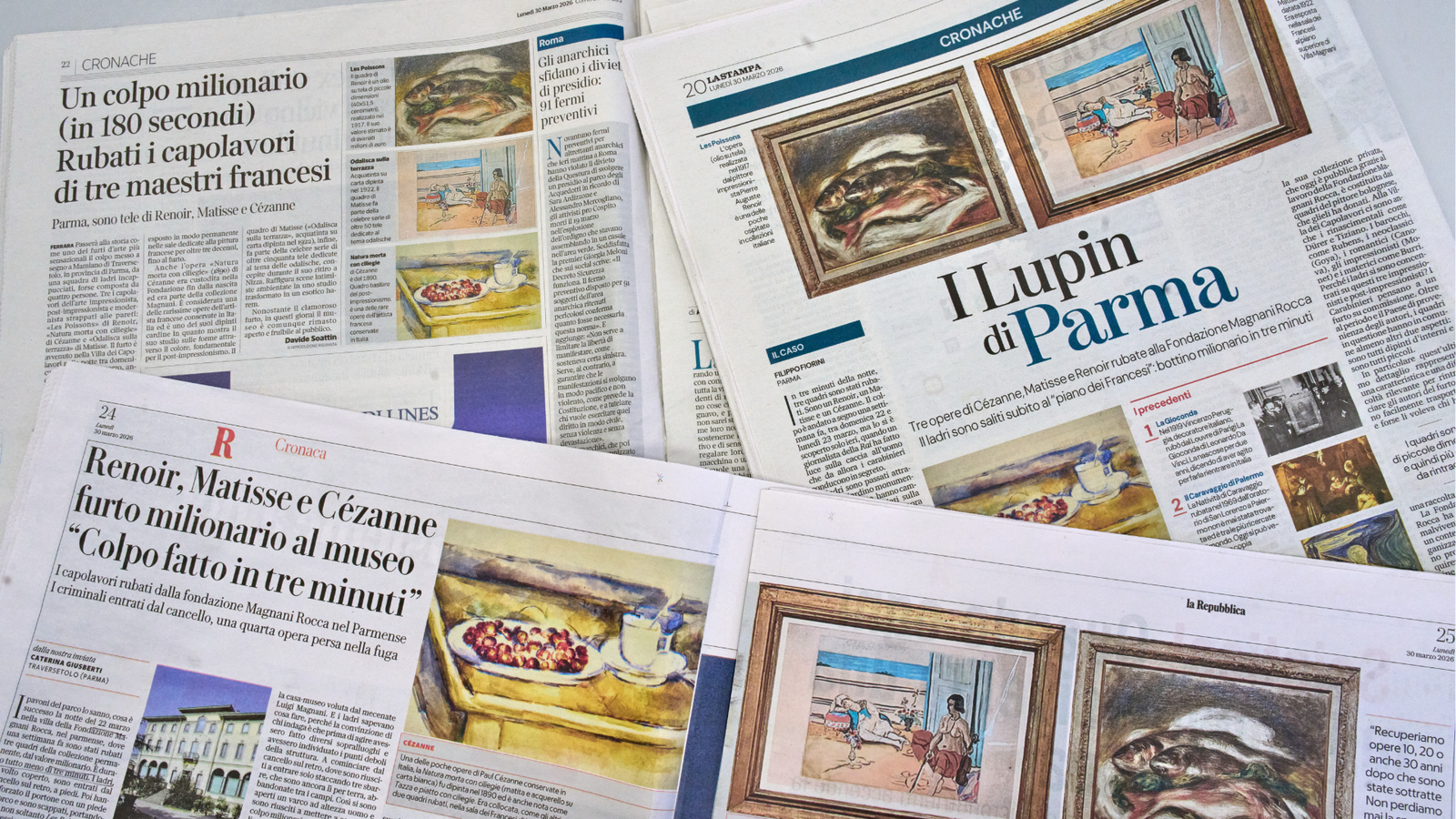
2 days agoGreece introduces new law to tackle art forgery
"Until recently, there was no specific legislation addressing the forgery of artworks and collectibles. Instead, these cases fell under the 'smoother' general provisions of the criminal code concerning fraud and forgery, which required proof of a financial transaction in order for an offence to be established."
Arts
Arts
fromThe Art Newspaper - International art news and events
4 days agoLalanne mirrors owned by Yves Saint Laurent and a classic Diane Arbus photo: our pick of the April auctions
Claude Lalanne's mirrors, once in Yves Saint Laurent's apartment, are set for auction with a high estimate after being previously sold for €1.8m.
#los-angeles-art-week
Arts
fromThe Art Newspaper - International art news and events
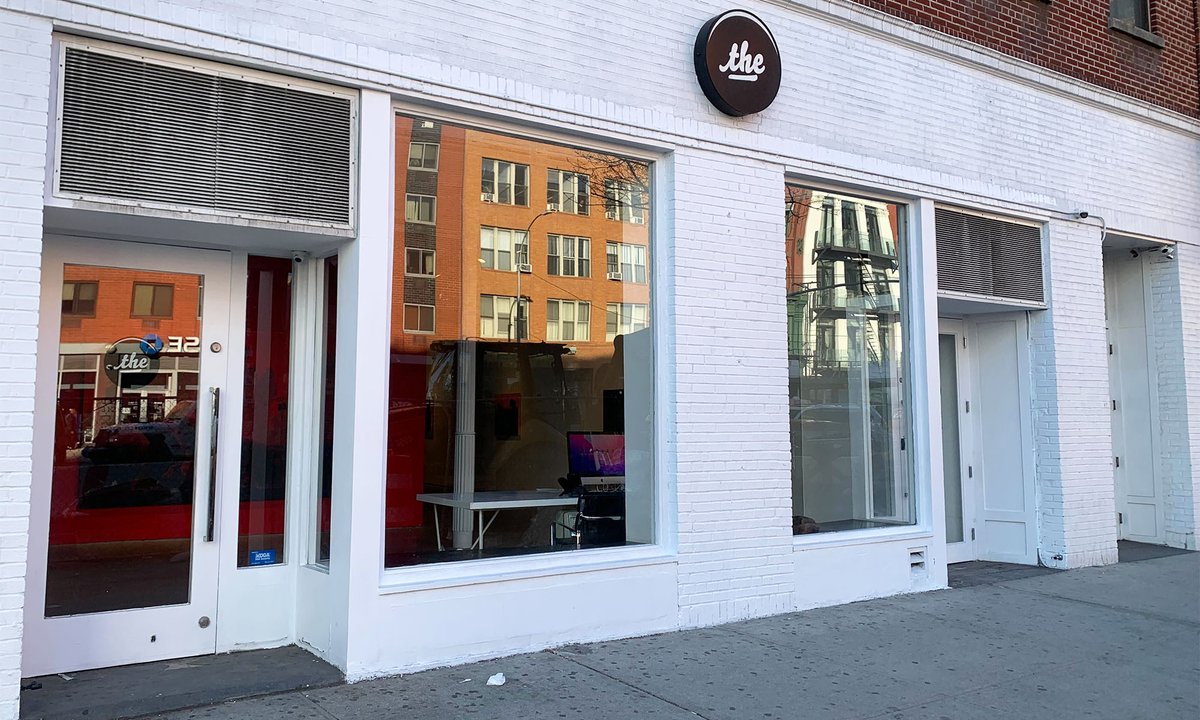
5 days agoOverdue payments to artists, landlords and workers at a popular gallery reflect pressures squeezing the dealer sector
Los Angeles's art week features numerous exhibitions and events, highlighting the challenges faced by galleries like The Hole amid changing market conditions.
Arts
fromThe Art Newspaper - International art news and events
5 days agoOverdue payments to artists, landlords and workers at a popular gallery reflect pressures squeezing the dealer sector
Los Angeles's art week features numerous exhibitions and events, highlighting the challenges faced by galleries like The Hole amid changing market conditions.
fromArtnet News
6 days agoThe Business of KAWS: What Data and a Museum Show Reveal About His Market | Artnet News
KAWS has shown an uncanny ability to connect with a wide variety of people. Younger buyers clamor for his $50 Uniqlo T-shirts, while trophy-hunting collectors shell out millions for paintings.
Arts
fromVogue
1 month agoHow a New Generation of Designers Are Promoting, and Protecting, Their Names
What if I took my design lens and built out my essentials capsule for the Everlane customer? I felt like that would be a really amazing opportunity for me to introduce myself as a designer to an audience outside of EB Denim.
Fashion & style
fromHyperallergic
1 week agoThe Art World Is a Joke
Kamrooz Aram is everywhere this year, from Mumbai Art Week to the Whitney Biennial, and critic Aruna D'Souza is grateful. She pens a beautiful meditation on his work, reading his abstract paintings as not simply a denunciation of Western modernism nor a reassertion of Islamic visual motifs, but something else entirely - something gestural, exuberant, riotous, and incomparably his own.
Arts

Law
fromAbove the Law
1 month agoNavigating Law Firm Mergers: Communication, Culture, And The Marketer's Influence - Above the Law
Law firm mergers succeed through effective communication, strong leadership, and organizational willingness to embrace change, with outcomes varying significantly based on whether a firm is the larger or smaller partner.
Arts
fromThe Art Newspaper - International art news and events
3 weeks agoSo you think you can sell art? Reality TV show hunts for next Larry, Jay or Peggy
BBC launches The Big Deal, a six-part competition series where amateur art dealers compete for £50,000 in British art by navigating the art market.
Arts
fromArtnet News
4 weeks agoArt Dealers Report More Sales in 2025-But Fewer Buyers | Artnet News
Art market confidence rose to 43% of dealers expecting sales improvement in 2026, though global sales grew only 4% to $59.6 billion, remaining below 2022 peaks amid operational challenges and geopolitical uncertainty.
fromHyperallergic
4 weeks agoEmbracing Friction in the Art World
On Franklin Street in Brooklyn's Greenpoint neighborhood, one non-commercial gallery fosters 'a small, stubbornly human space for friction.' Friction—the ubiquitous buzzword that captures the simultaneous delight and discomfort of doing things the slow way—is at the heart of artists Pap Souleye Fall and Char Jeré's current show at Subtitled NYC. It also reflects the overall spirit of this little exhibition space and of a burgeoning movement to reject our culture of optimization in favor of a bumpier, more intimate, less alienating experience.
Arts
fromArtnet News
1 month agoInside the Forum Where Women in the Arts Are Taking on the Status Quo
What began as a passion for collecting became a responsibility. She not only believes in the artistic genius of women, but she wants society in general to hold men and women artists in equal esteem-and to place the same monetary value on their work.
Arts
fromThe Art Newspaper - International art news and events
1 month agoShow me the money: gallery and auctioneer accounts reveal reality of a tough market
Stephen Friedman was overdue filing when he went into liquidation on 2 February, closing his London gallery immediately (his New York venue shuttered around the same date). At the time of writing, invoices remain unpaid and artists unable to retrieve works from storage companies. In a statement, Friedman says 'all matters are now subject to the administrator's consideration'.
Arts
Intellectual property law
fromAbove the Law
2 months agoMr. Worldwide: Artist Prevails In Fierce Battle Over The Copyright Act's Reclamation Right - Above the Law
U.S. law permits artists to reclaim copyrights after statutory periods to correct initial imbalances and pursue fairer licensing agreements.
Intellectual property law
fromThe IP Law Blog
2 months agoThe Briefing: Why Lady Gaga Beat a Trademark Injunction Over "Mayhem"
Court denied Lost International's request for a preliminary injunction, applying the Rogers test and protecting expressive tour merchandise under First Amendment considerations.
fromHyperallergic
2 months agoThe Art World's Epstein Problem
Because they've long stopped being about just one depraved pedophile and have come to symbolize the endemic depravity of the world's richest elites. It's no surprise that the art world is implicated. There isn't much difference between a corporation's board of directors and a museum's board of trustees. It's more or less the same money, same power dynamics, and the same creeps crawling through the corridors.
Arts
fromHyperallergic
2 months agoThe Art World After Epstein
We knew everything we needed to know about the art world before the Epstein Files dropped. Before heinous allegations against Museum of Modern Art trustee Leon Black emerged, or School of Visual Arts chair David A. Ross's sympathetic endorsement of Epstein came out, we knew about the intimate connections between institutional heads and donors and trustees. The exchanges of money, donations, or favors that bind them.
Arts
[ Load more ]