#bear-hunting
#bear-hunting
[ follow ]
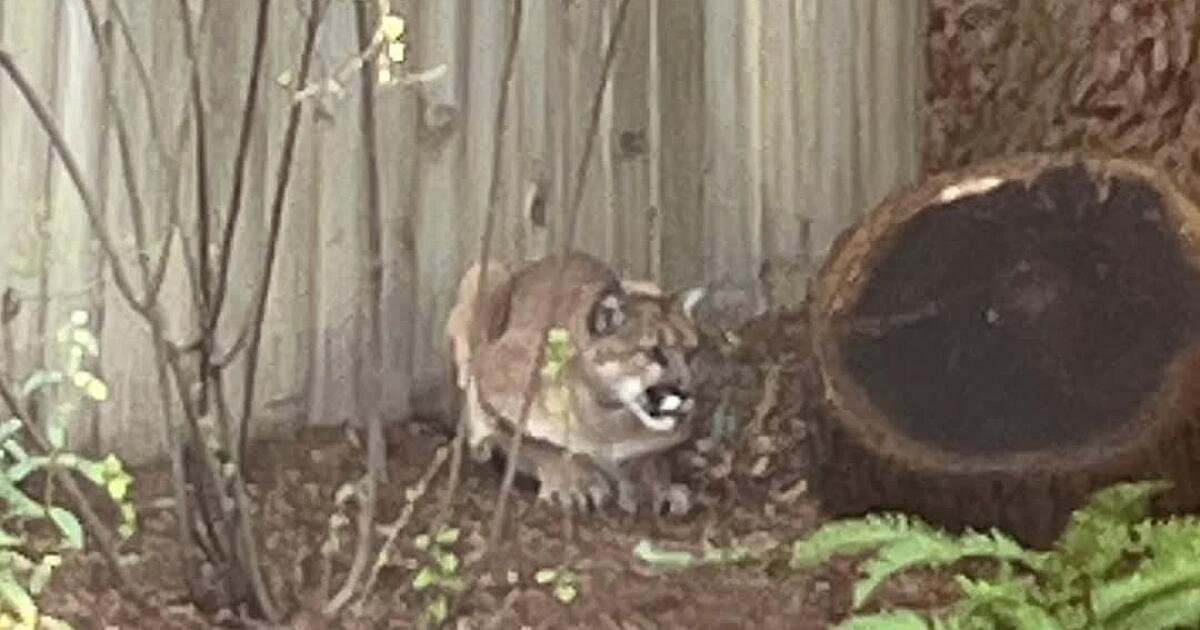
#mountain-lion #wildlife-conservation #wildlife-management #urban-wildlife #san-francisco #bald-eagles
fromFlowingData
2 days agoNational park visitation and outdoor recreation data
Decades of national park visitation and outdoor recreation economic data are buried in government spreadsheets. I built this to make it actually usable, whether you work in outdoor rec or just want to know how many people went to Yellowstone last year.
Environment


fromQueerty
2 weeks agoSorry grizzlies, but gays are claiming World Bear Day as their own - Queerty
World Bear Day, dedicated to raising awareness about various bear species, has also become a celebration of the bear subculture in the LGBTQ+ community, where hairy, masculine gay men embrace their identities.
SF LGBT
OMG science
fromHigh Country News
1 month agoHow federal cuts are reshaping Alaska's communities, research and species management - High Country News
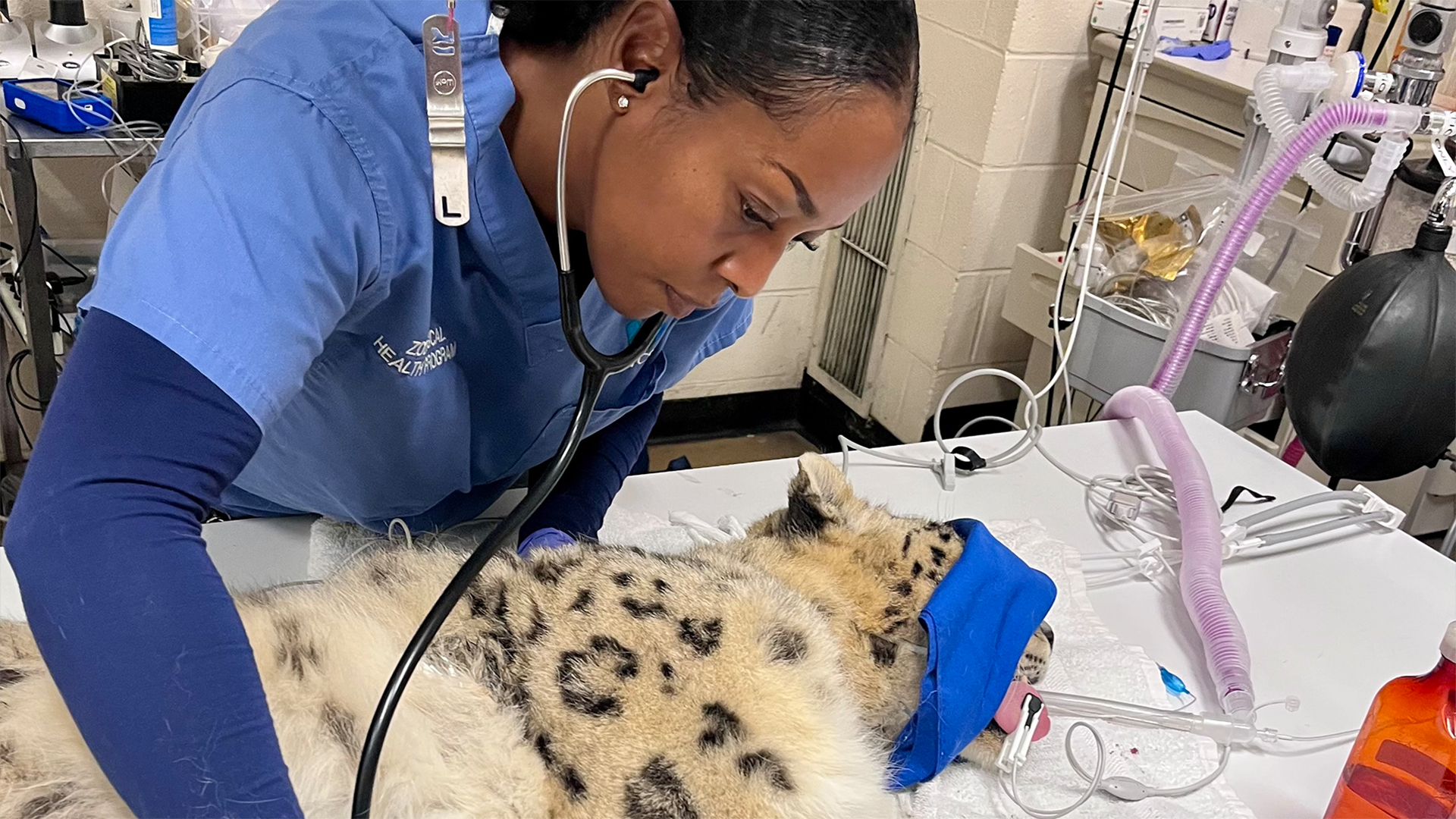
Two USGS research biologists with 50+ years combined experience resigned in April 2025 due to the Trump administration's assault on federal science and hostile conditions at federal agencies.

Miscellaneous
fromwww.npr.org
1 month agoCome along with some geese as they migrate back from their southern winter havens
Geese migrate northward from late February to May following the 'green wave' of vegetation growth and warming temperatures, traveling along four major North American flyways to reach summer breeding grounds with less resource competition.
fromHigh Country News
1 month agoCoyotes and cougars and rats, oh my! - High Country News
An unnamed tourist saw it and told Aidan Moore, who works for Alcatraz City Cruises. Moore told SFGATE that he was initially skeptical, but the guest's iPhone footage left little room for doubt. The video shows, not a sea lion or an otter, but an actual Canis latrans, doggedly dogpaddling, then clambering out of the water, noticeably shaky and struggling to settle tired paws on the craggy rocks.
California
fromLos Angeles Times
4 weeks agoWoman walking in Monrovia is targeted by bear
A woman walking her dog on the 700 block of Oakglade Drive was approached by the bear at 9:20 a.m. It "kind of charged" the woman, said Lt. Kevin Oberon, before swiping the back of her knee. She was treated for non-life-threatening and non-serious injuries.
Pets
fromwww.cbc.ca
2 months agoMinistry of Natural Resources investigates deer shot dead by arrow in Toronto cemetery | CBC News
A member of the public reported the discovery of an antlered white-tailed deer's body to police on Jan. 1 in Park Lawn Cemetery. Officers located a dead deer with an arrow coming out of its body, said Toronto police in an emailed statement, adding there is no suspect description at this time. Ministry conservation officers were notified of the incident and have taken over the investigation.
Toronto
fromUnofficial Networks
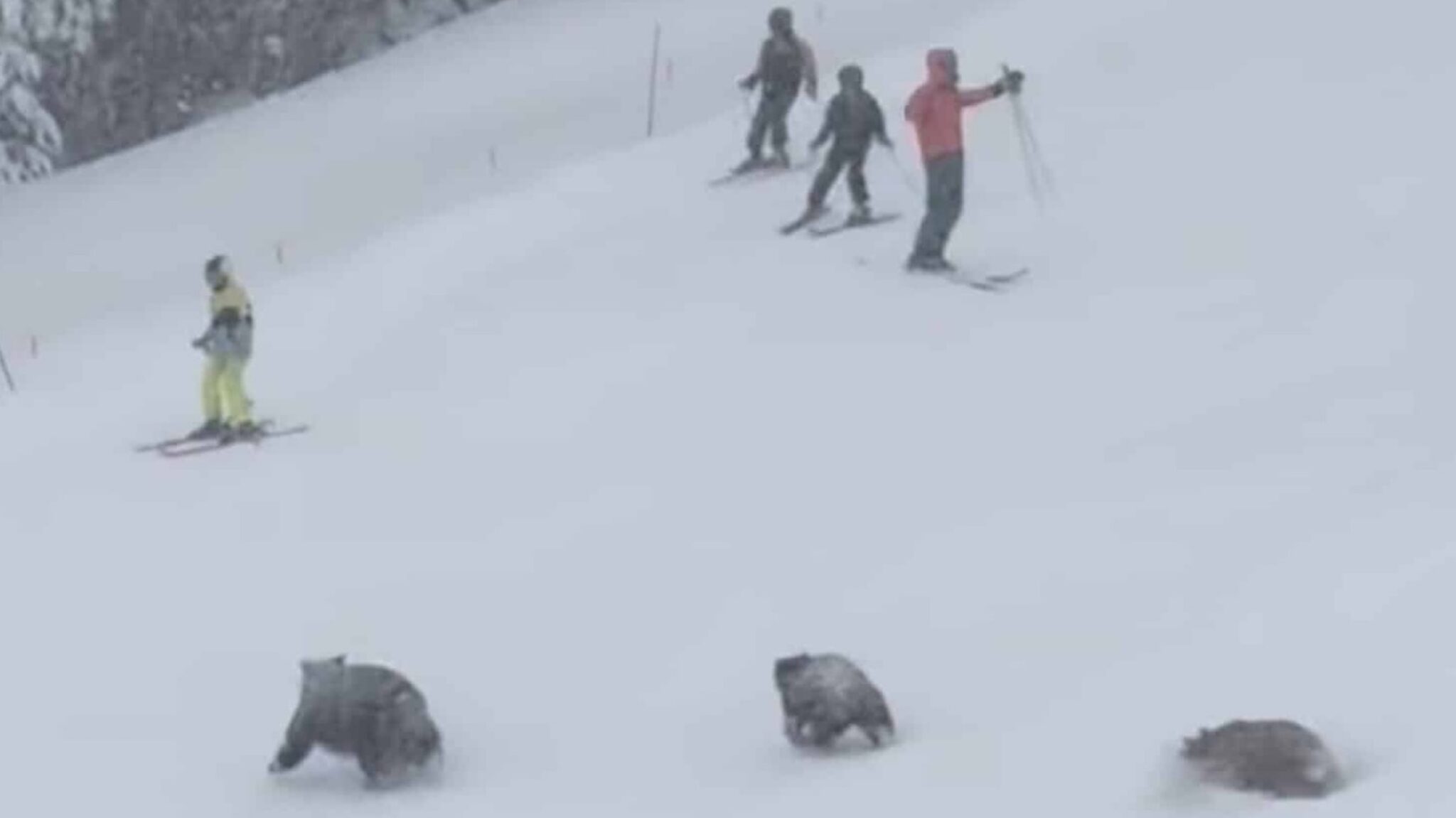
2 months agoSkiers Encounter Grizzly Bear In The Mountains of Alaska
Alaska is a hot spot for grizzly bears, easily home to the most of any of the 50 states. There are an estimated 30,000 across the entire state, representing over 98 percent of the United States population. The Alaska Department of Fish and Game manages the population, ensuring that the population remains healthy and grizzly bear viewing opportunities stay abundant.
Snowboarding
Chicago Bears
fromHigh Country News
1 month agoCan Alaska save caribou by killing bears? - High Country News
Alaska's Mulchatna caribou herd has collapsed from 200,000 animals in the 1990s to 12,000 in 2022, devastating Indigenous subsistence hunting and prompting controversial wildlife management interventions including hunting bans and aerial predator culling.
fromThe Atlantic
2 months agoToday's Atlantic Trivia: Our Deer Departed
Welcome back to Atlantic Trivia! Are you hungry for more? I hope that while I've been away, you have been enjoying plenty of food for thought-literally. Research shows that berries help improve memory and that a walnut-heavy diet is associated with higher cognitive performance. Fatty fish and leafy greens are linked to slower cognitive decline. Caffeine is a brain boost too.
World news
fromThe Walrus
2 months agoWhat a Standoff with a Black Bear Taught Me about Life in Northern Alberta | The Walrus
I was five years old when I had my first encounter with a black bear. In the spring of 1990, my father, a wildlife biologist, brought home an orphaned three-month-old cub in a cardboard box. The cub's mother, having burrowed beneath the roots of an old tree, had been killed in the den by a logging excavator, but the cub, weighing barely more than a bag of apples, survived. Forestry workers caught the young bear and dropped it off at the Fish and Wildlife office in Peace River, Alberta, where my dad worked, and he called my mom with the news.
Miscellaneous
fromBoston.com
1 month agoGreater Boston town issues guidance after bobcat sighting
Most residents don't see many bobcats because the animal is "naturally elusive" and has adapted to avoid humans. However, bobcats do take advantage of the food and shelter that people create, said local officials. Animal control officers said that, like coyotes, raccoons, foxes, and skunks, it is also bobcat mating season, which means bobcats will be active and more likely to be seen walking around.
US news
fromLos Angeles Times
1 month agoHow one Tahoe renter is adjusting to unusual roommates: Mama bear and 3 cubs
As soon as he moved in, he started hearing babies crying under his floorboards. The renter called the group to help check on the noises he was hearing, and they soon confirmed it was Rose and her new cubs. The renter is now gearing up to spend the rest of the winter with his four furry roommates.
Environment
Chicago Bears
fromCalifornia Post
1 month agoDeadly apex predator being mulled for release in California after 100-year absence
California lawmakers are considering reintroducing grizzly bears through Senate Bill 1305, which would require a scientific assessment and consultation with Native American tribes about restoring the species extinct in the state for over a century.
fromwww.theguardian.com
2 months agoGrizzly Night review animals attack in campsite thriller of rogue bears and wayward teens
Despite its lurid poster art, as an ursine rampage film this falls closer to the serious Grizzly Man/Timothy Treadwell end of the scale, rather than the Cocaine Bear one. Based on a freak August 1967 tragedy in which two women were separately mauled to death by grizzlies in Montana's Glacier National Park (described here as a trillion to one occurrence), Burke Doeren's debut grips in tooth'n'claw terms, but is considerably less sure-footed when it comes to people.
Film

fromwww.independent.co.uk
2 months agoGovernment urged to make reckless' act of trail hunting illegal
From reproductive rights to climate change to Big Tech, The Independent is on the ground when the story is developing. Whether it's investigating the financials of Elon Musk's pro-Trump PAC or producing our latest documentary, 'The A Word', which shines a light on the American women fighting for reproductive rights, we know how important it is to parse out the facts from the messaging.
UK politics
fromwww.scientificamerican.com
2 months agoA foraging teenager was mauled by a bear 27,000 years ago, skeleton shows
We have little physical evidence of these interactions turning violent, however, because burials were rare and carnivores were more likely to finish off their prey. That's why the embellished burial site of a 15-year-old from 27,000 years ago is an important window into the past: the teenager's bones indicate he was mauled by a bear. The finding represents some of the first evidence of its kind.
Science
Science
fromSlate Magazine
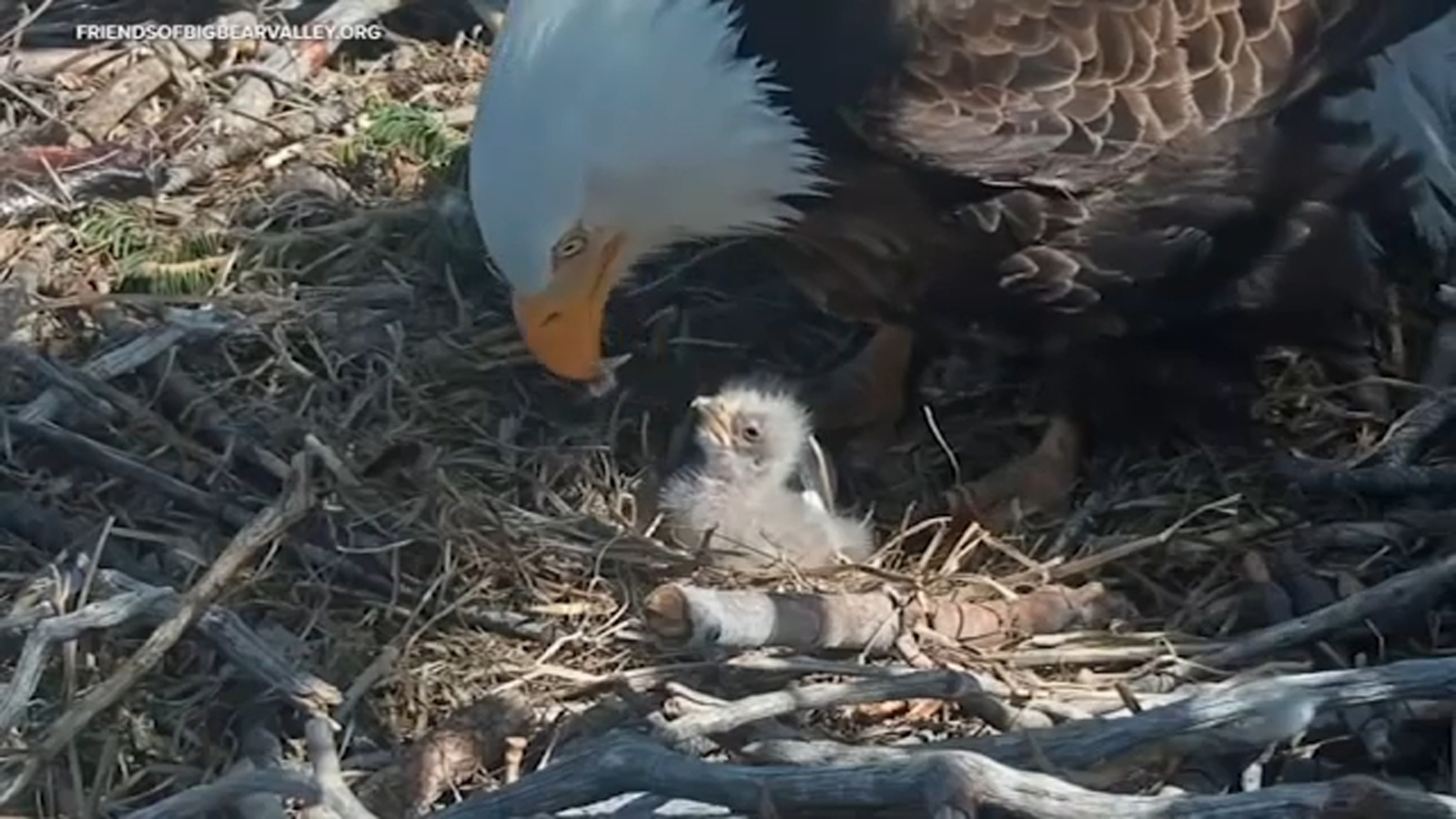
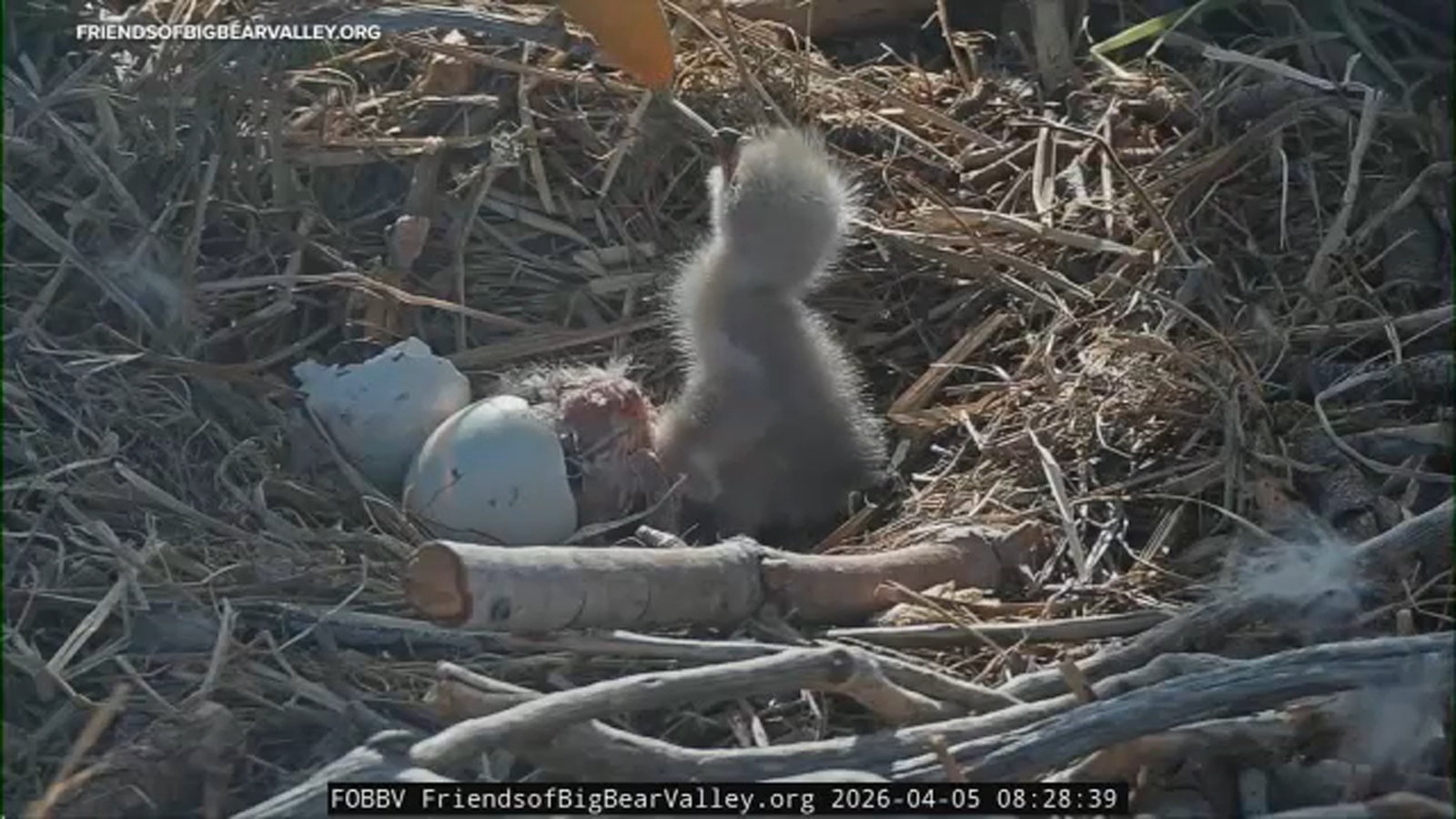
1 month agoAmericans Are Uniquely Infatuated With Bald Eagles. Too Bad Most of Us Have No Idea What They're Actually Like.
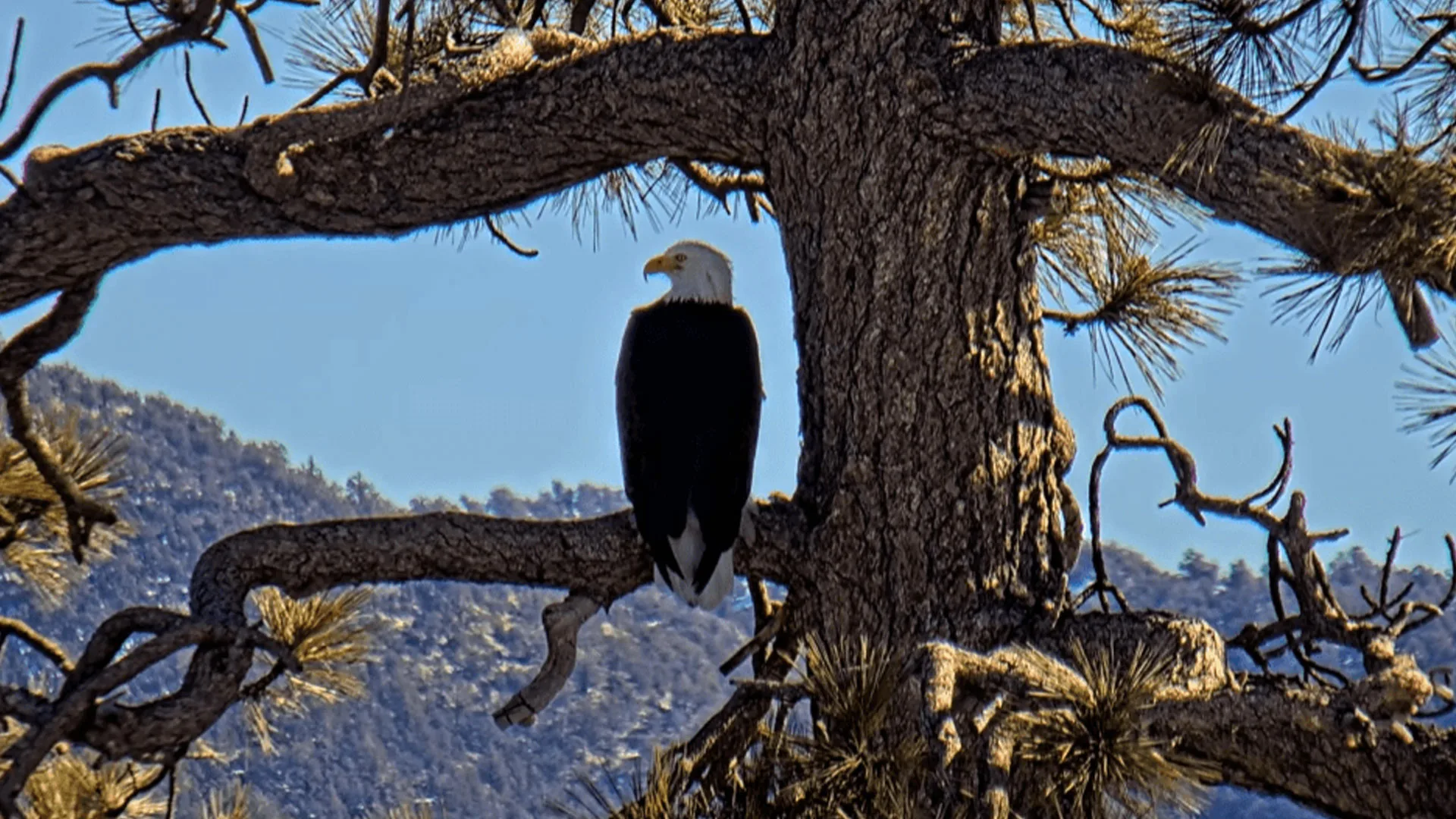
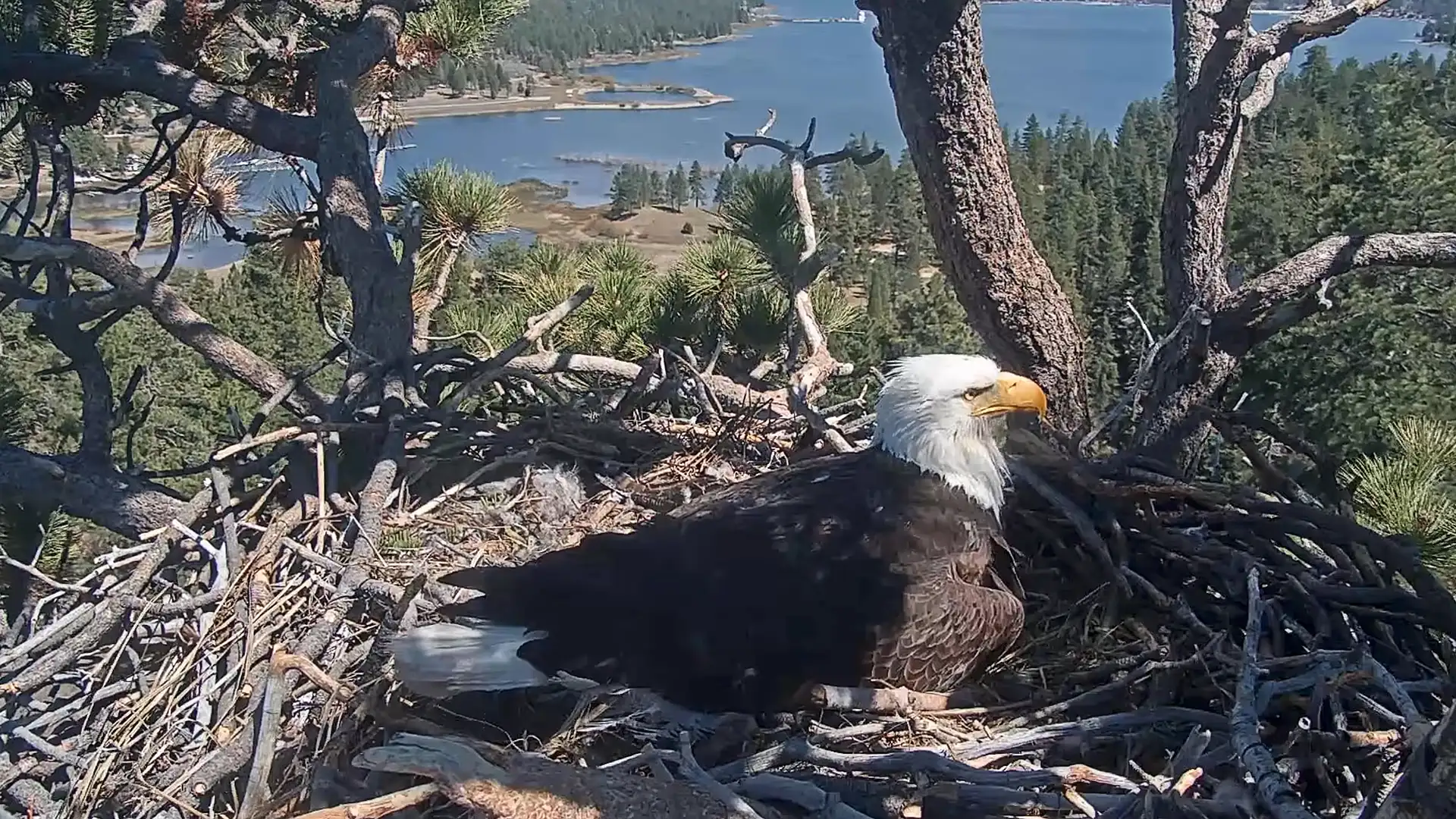
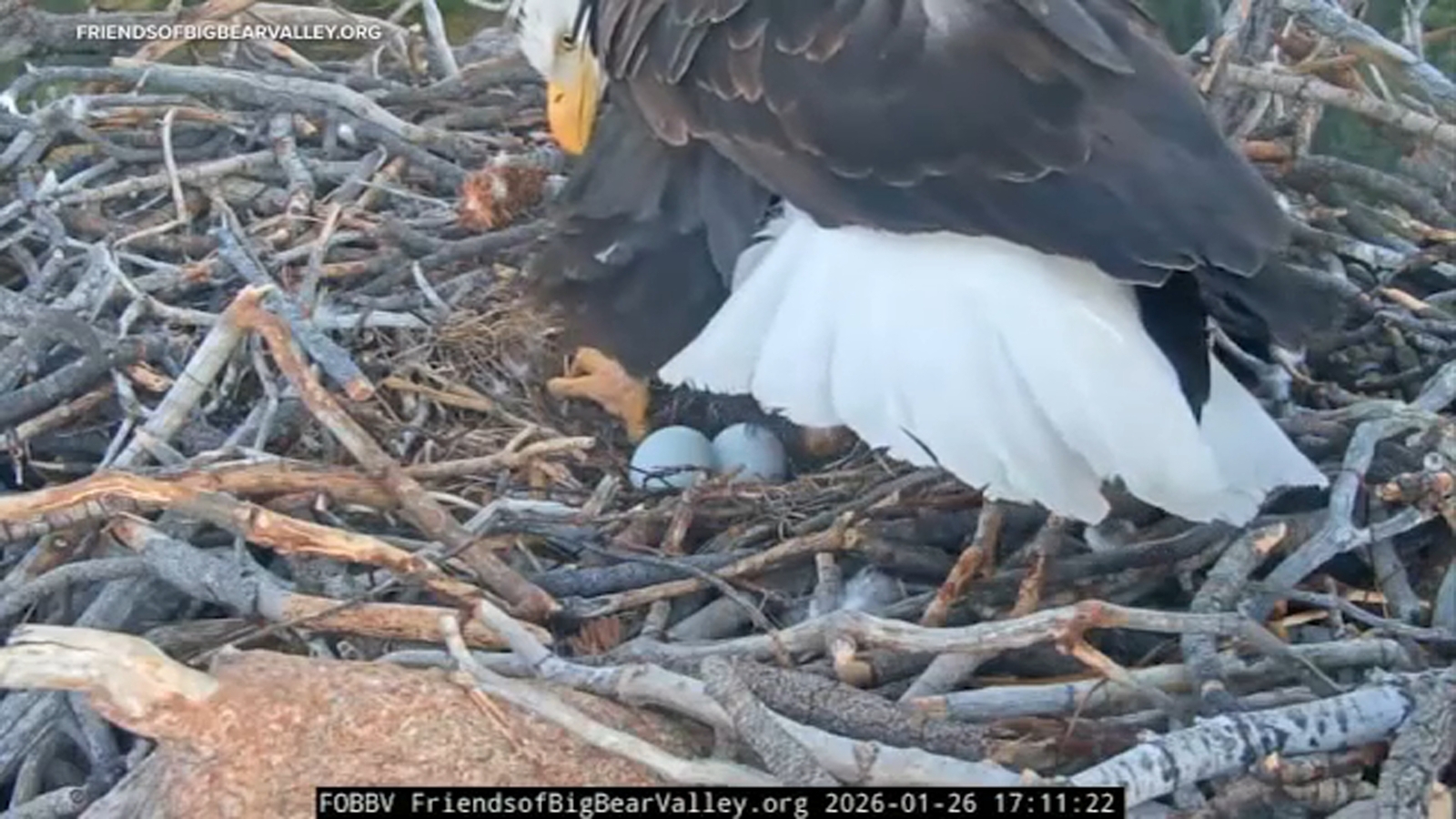
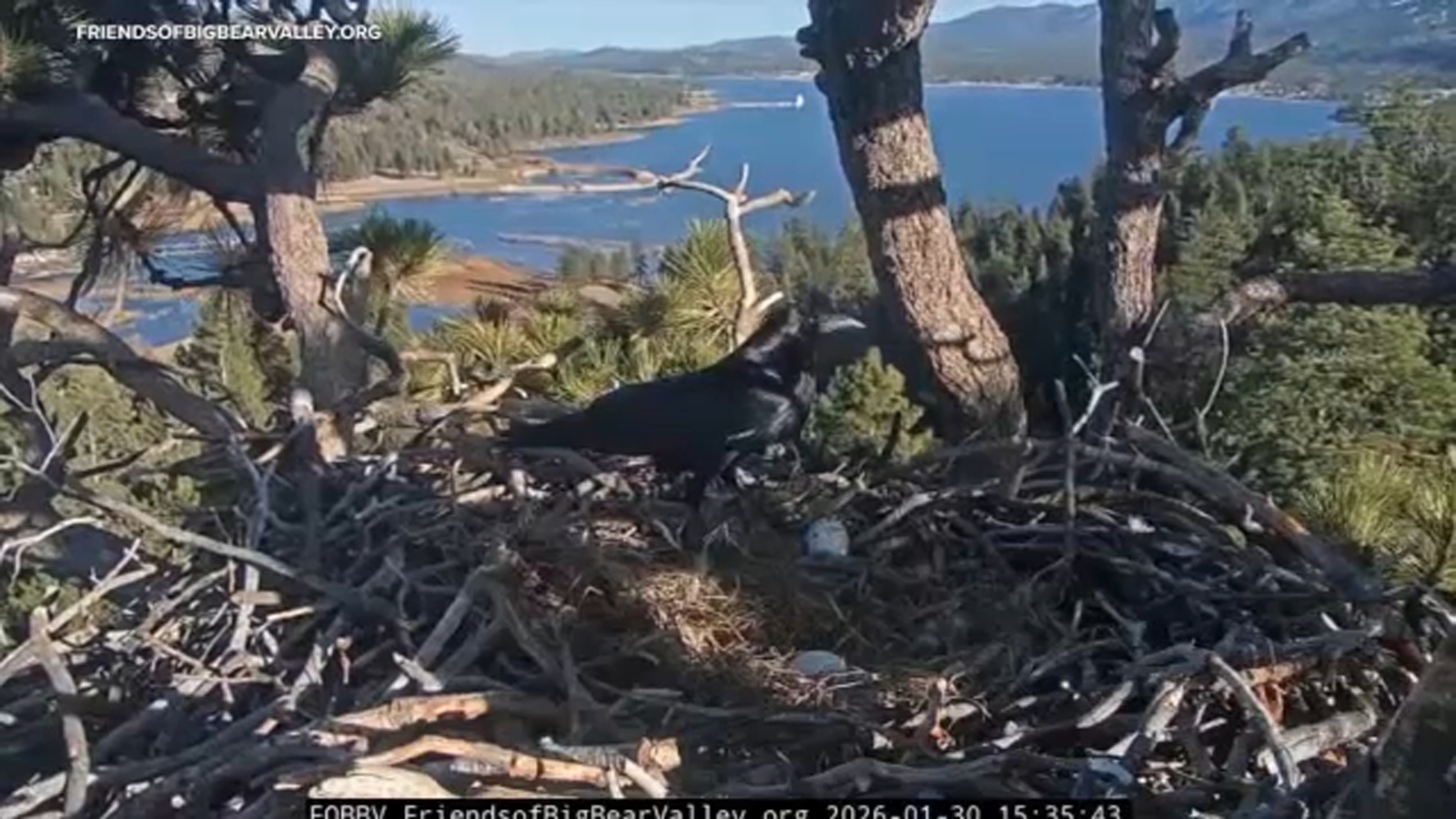
Bald eagles are powerful raptors with massive beaks, locking talons, exceptional vision, frequent scavenging, and a call that sounds like a whistling giggle rather than a scream.
fromHigh Country News
1 month agoIt's time to rethink how we care for our public lands and waters - High Country News
Wildlife populations are in decline. Recreation sites are crowded and often underfunded. Wildfires are larger, more destructive and harder to control. Climate change is reshaping natural systems, from ocean fisheries to mountain snowpacks, faster than institutions can respond. At the same time, communities are being asked to host new energy projects, transmission lines and mineral development - often without clear processes, adequate resources or trust that decisions are being made in the public interest.
Environment
fromwww.pasadenastarnews.com
2 months agoUnbearable' bear holed up under California home finally takes off 6 weeks later
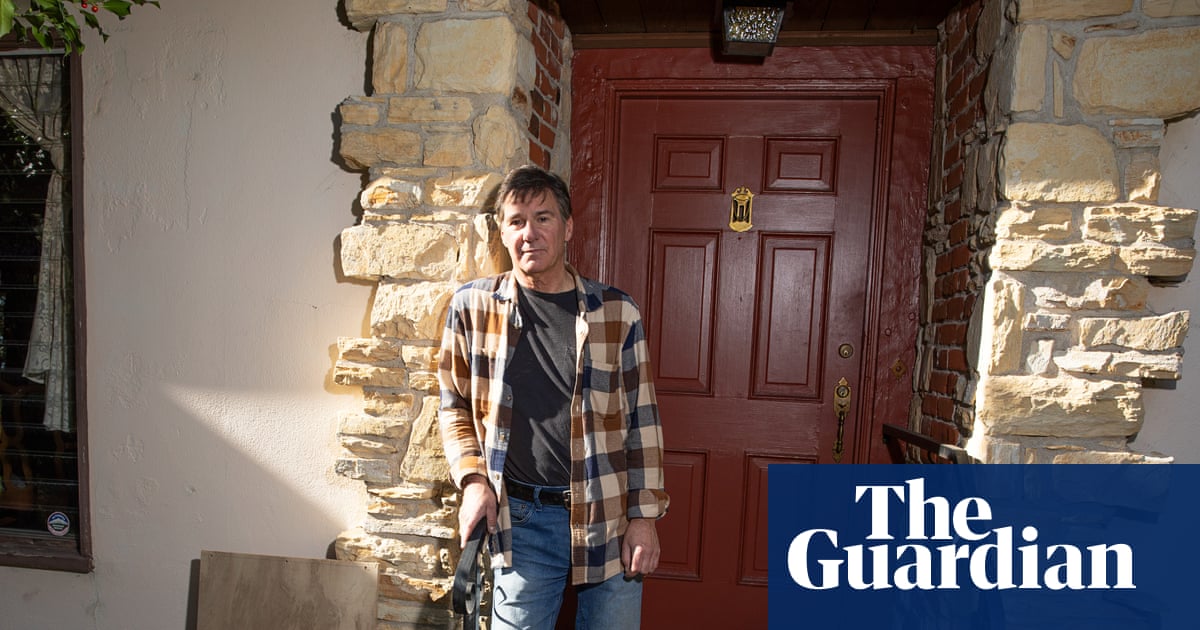
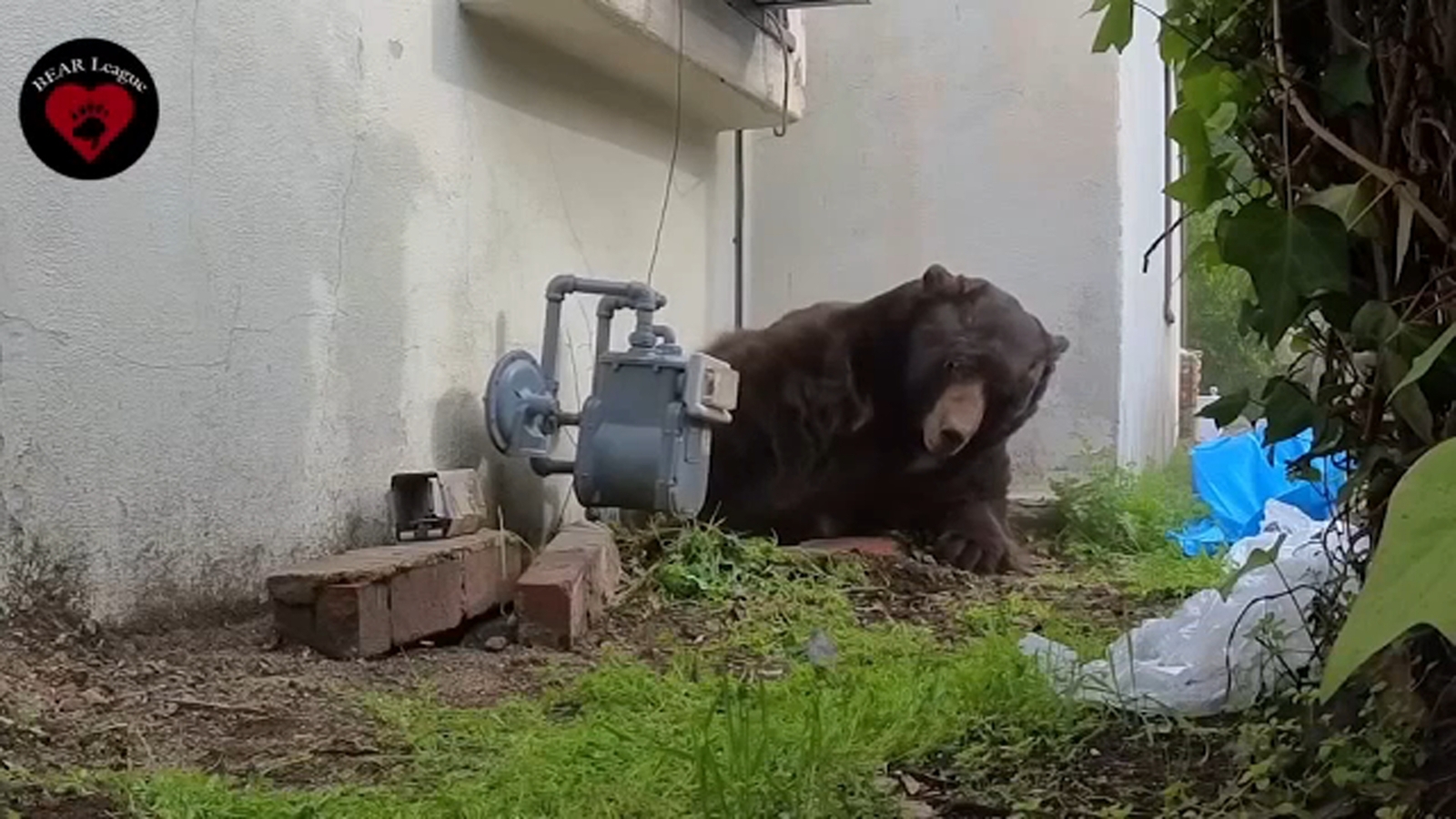
For over six weeks, Ken Johnson had an unexpected and unwanted housemate a 550-pound male bear. But with the assistance of the Lake Tahoe BEAR League, the animal finally exited from under Johnson's house on Tuesday, Jan. 6. After several unsuccessful attempts by Johnson and the California Department of Fish and Wildlife to drive the bear out by using scented lures and loud noises, the BEAR League fired off paintball guns to irritate the bear.
Environment
fromThe Atlantic
1 month agoHow Many Wolves Is Enough?
The wolves arrived in May of last year, just days after Paul Roen had driven his cattle back up to their summer pasture in Northern California's Sierra Valley. He started finding the bleeding bodies of calves-some still alive, so badly paralyzed that they'd need to be shot. After weeks of this, Roen finally saw a kill himself. "One wolf grabbed a cow and spun her around, while another grabbed a calf," he told me. "He tore it into three pieces in 30 seconds."
Environment
fromHigh Country News
2 months agoAlaska's public lands are a political battleground - High Country News
Over the past year, a wave of high-profile development proposals - from oil fields and mining roads to timber projects - has reshaped a fast-moving debate, propelling Alaska into the center of the national conversation over how to balance energy production with conservation. These projects have revived long-running tensions over what the state's public lands are for, and who they ultimately benefit.
Environment
fromHigh Country News
2 months agoThe nation's trails are disappearing - High Country News
Many of them were built for purposes that no longer exist - cattle drives, mining prospecting, early U.S. Forest Service fire patrols - while others were packed by the footprints of the Chumash people well before the colonization of North America. Sections of trail cling to steep slopes that seem to barely resist gravity, shedding soil and stone with each winter storm.
Environment
Environment
fromwww.independent.co.uk
2 months agoGrey squirrels could be given contraceptives to control numbers
Government supports research into a contraceptive 'pill' for invasive grey squirrels alongside pine-marten reintroduction, landowner grants and volunteer control to protect red squirrels and woodlands.
[ Load more ]