#breathwork
#breathwork
[ follow ]

#yoga
Yoga
fromYoga Journal
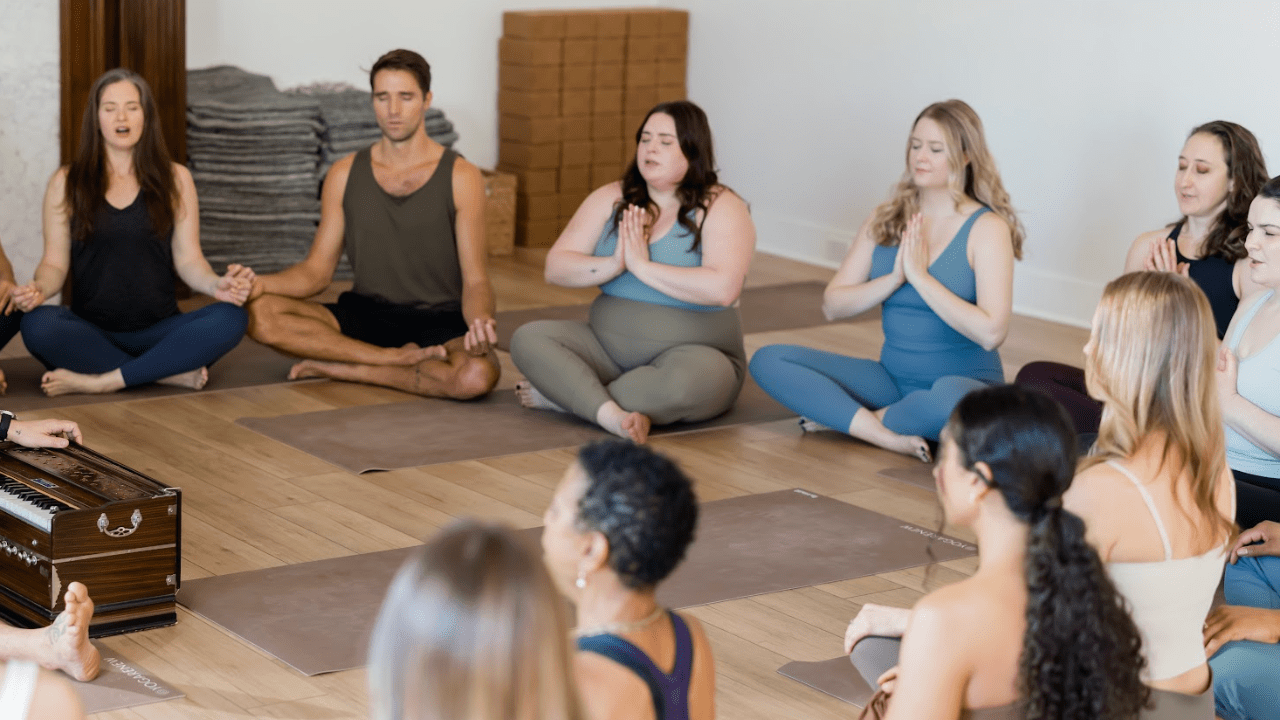
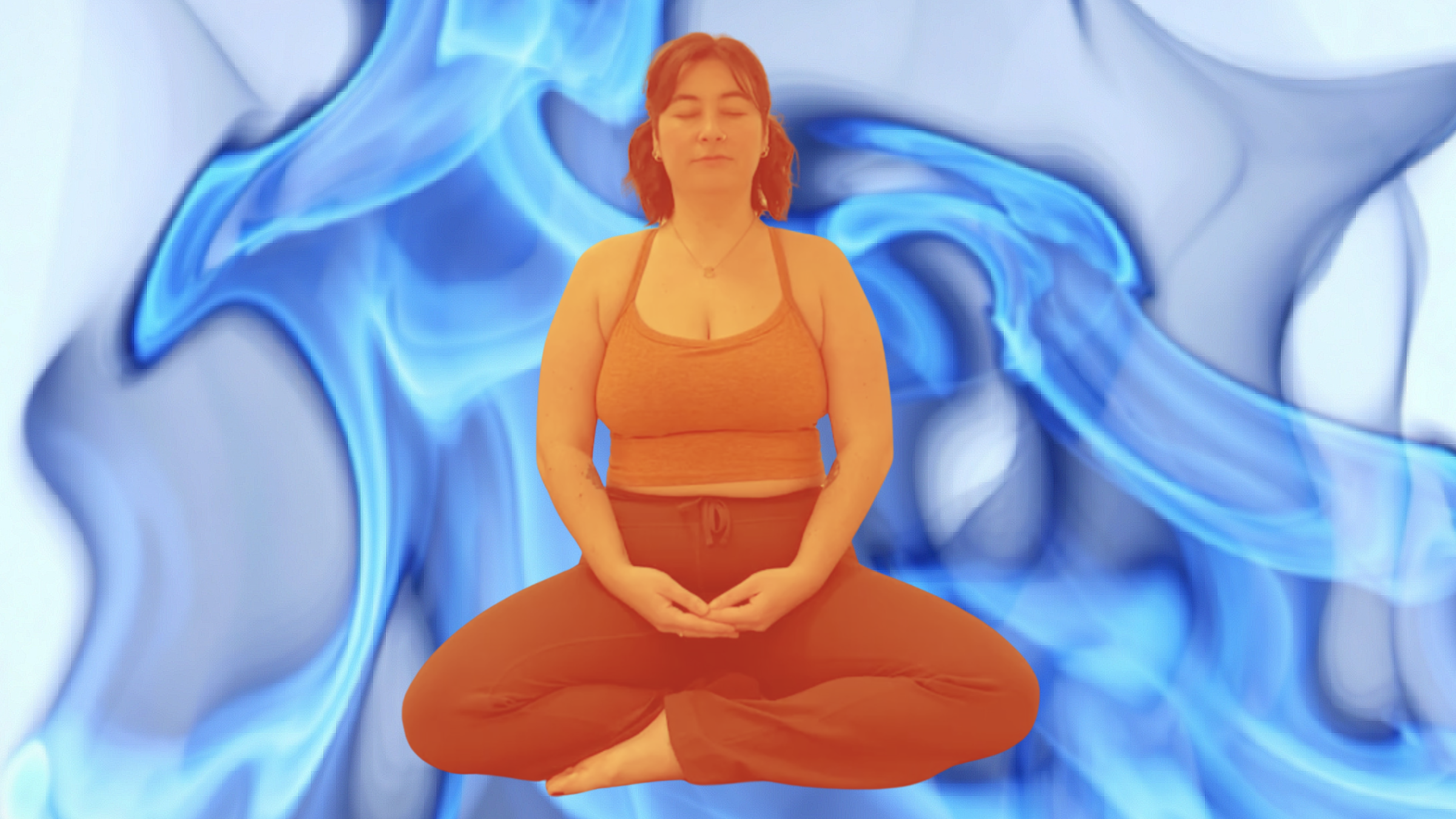
1 week agoOverstimulated? This Yoga Practice Can Get You Out of Your Head.
Grounding yoga practices can help alleviate feelings of overstimulation through breathwork and mindful movement.
Yoga
fromYoga Journal
1 month agoOverwhelmed by Tough Emotions? This Advice Can Help You Navigate Them.
Exclusive playlists for O+ members offer yoga insights to cope with life's challenges through mindful consumption.

fromAlternative Medicine Magazine
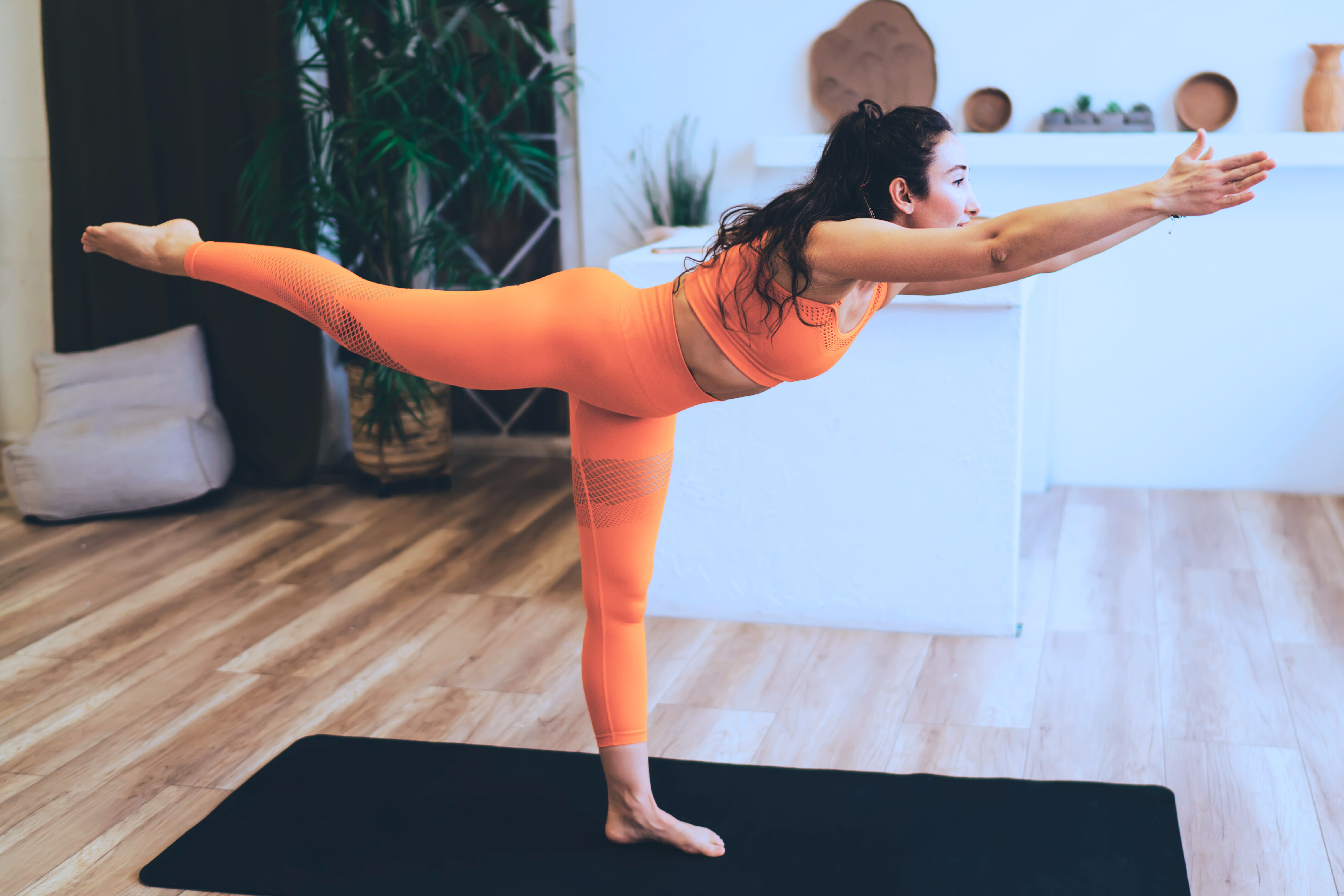
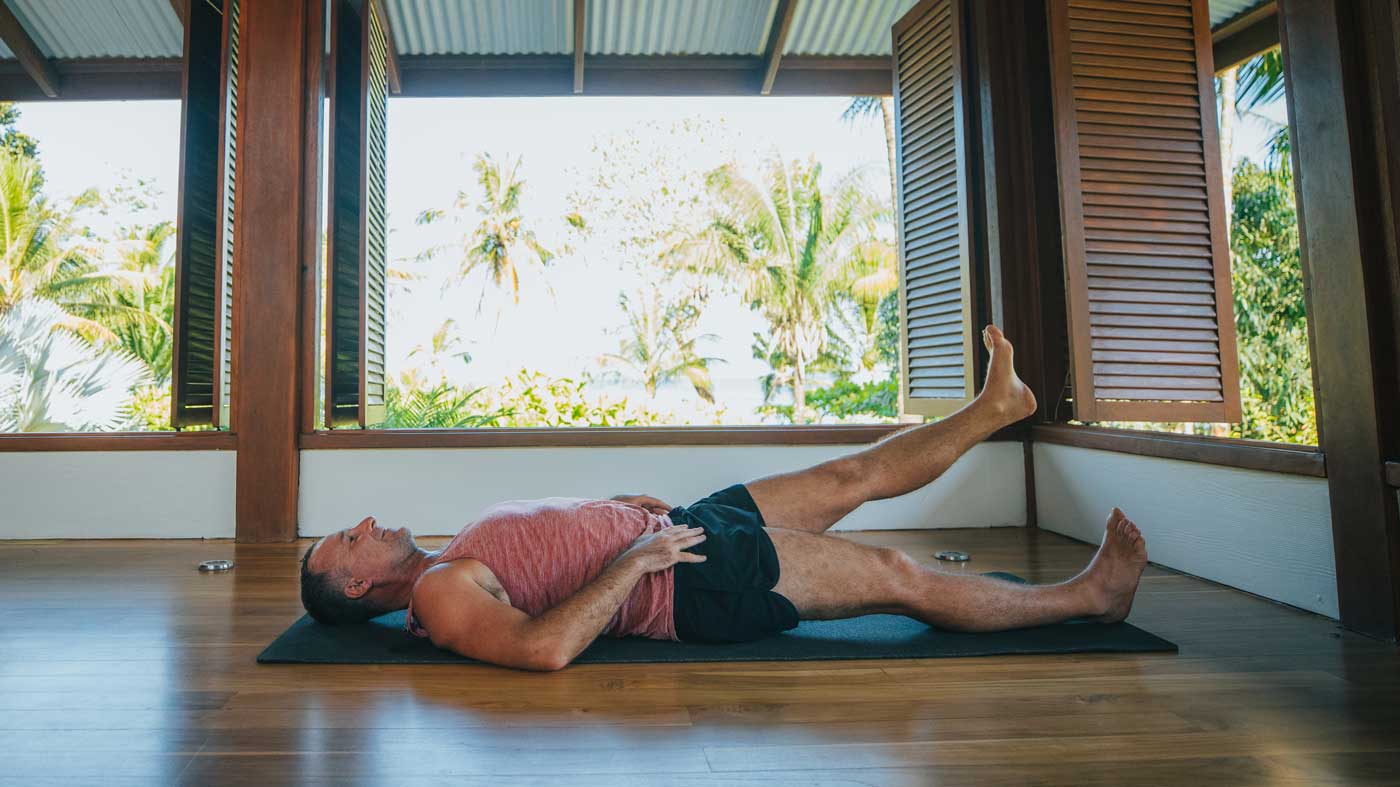
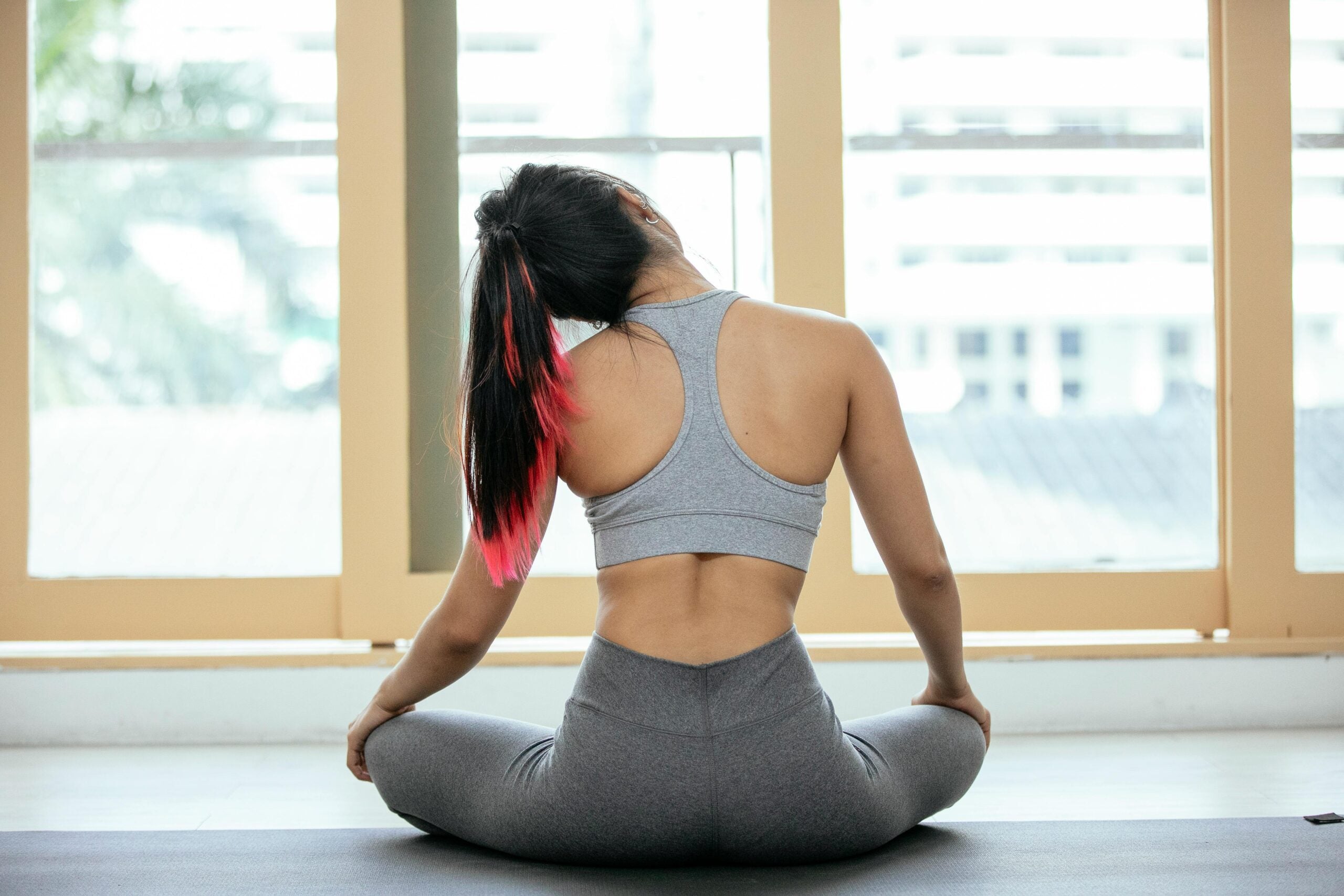
2 months ago7 Easy Tips for Grounding to Reduce Anxiety
In today's fast-paced world, stress and anxiety have become constant companions for many of us. It may feel impossible to get out from under our fears, worries, and other distressing thoughts. That's why learning how to get grounded is so important. Keep reading to discover seven quick and easy grounding techniques to reduce anxiety and help you enjoy a more peaceful, joyful life.
Alternative medicine
fromwww.theguardian.com
2 months agoBreathwork has its uses but when it comes to unlocking your fullest human potential', beware the puffery | Antiviral
He has, as one advertising lackey puts it, gotten rich selling people air that's fresher' than the stinky stuff outside. If a recent proliferation of real-life courses, books and online search interest is anything to go by, the act of getting that air into one's lungs is also now commodified. Online and in-person breathwork sessions now abound, some charging hundreds of dollars to teach participants a skill most have already acquired as a prerequisite for life: how to breathe.
Wellness
fromYoga Journal
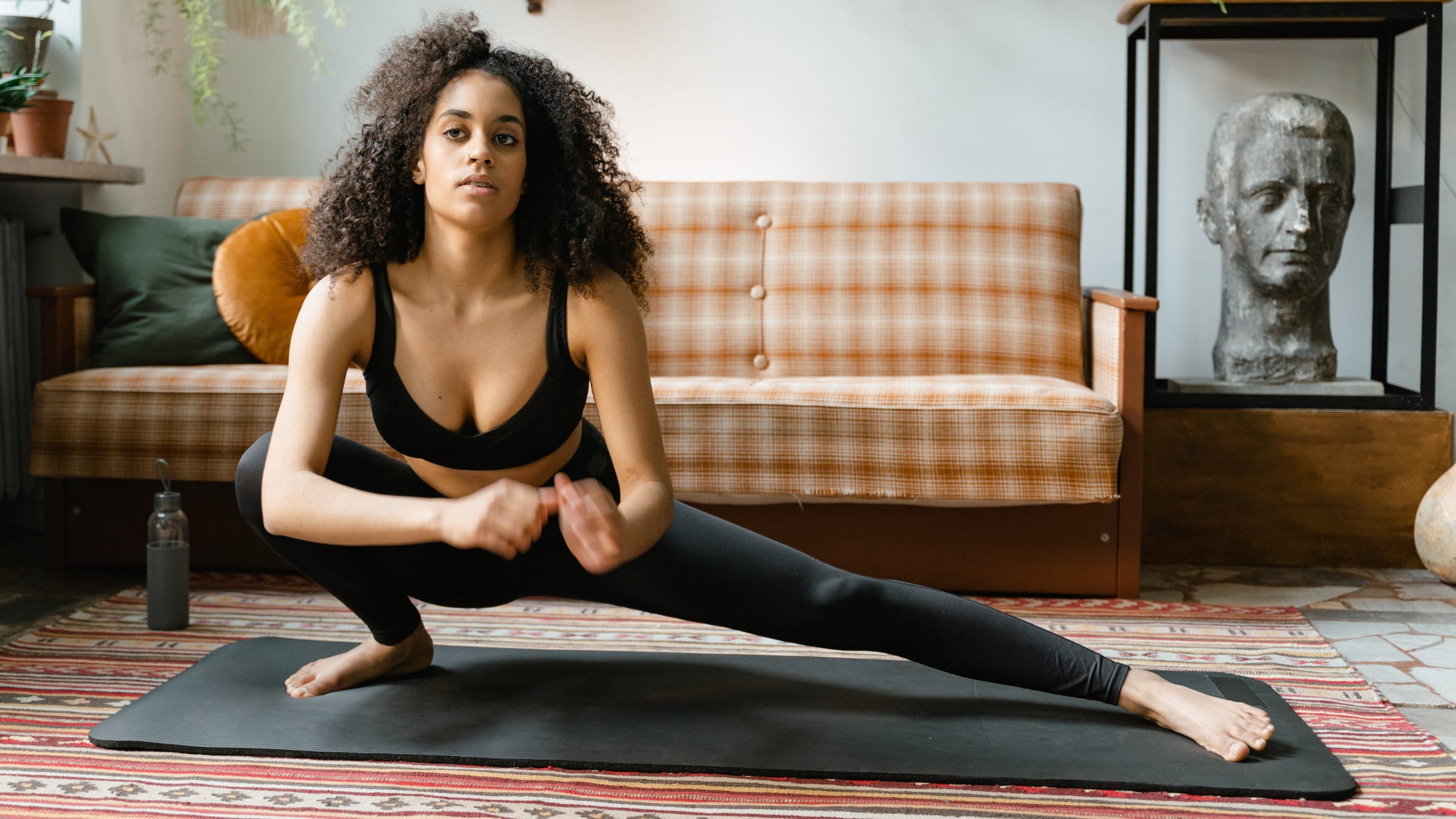
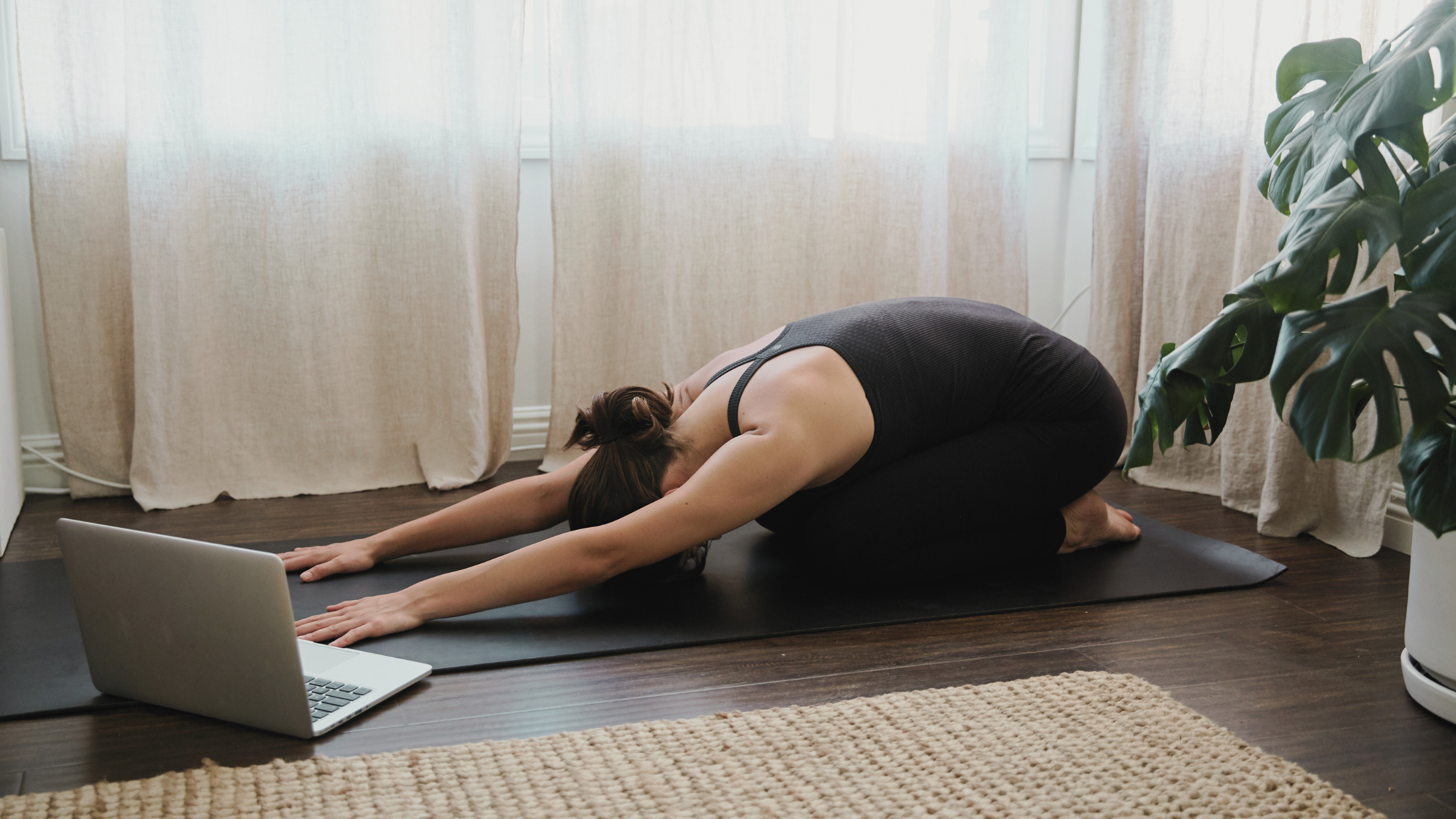
3 months ago15-Minute Yoga to Calm Your Chaotic Mind
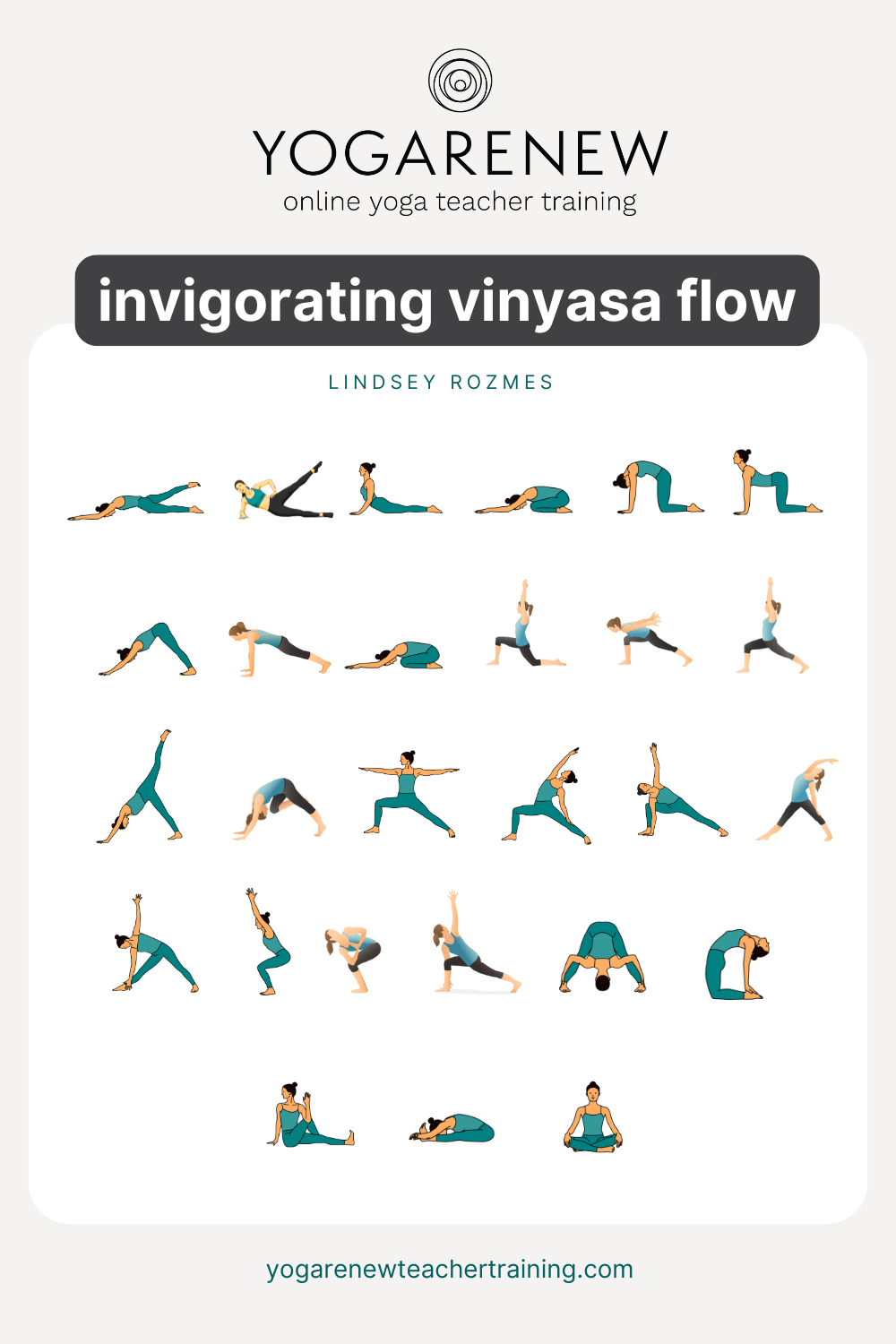
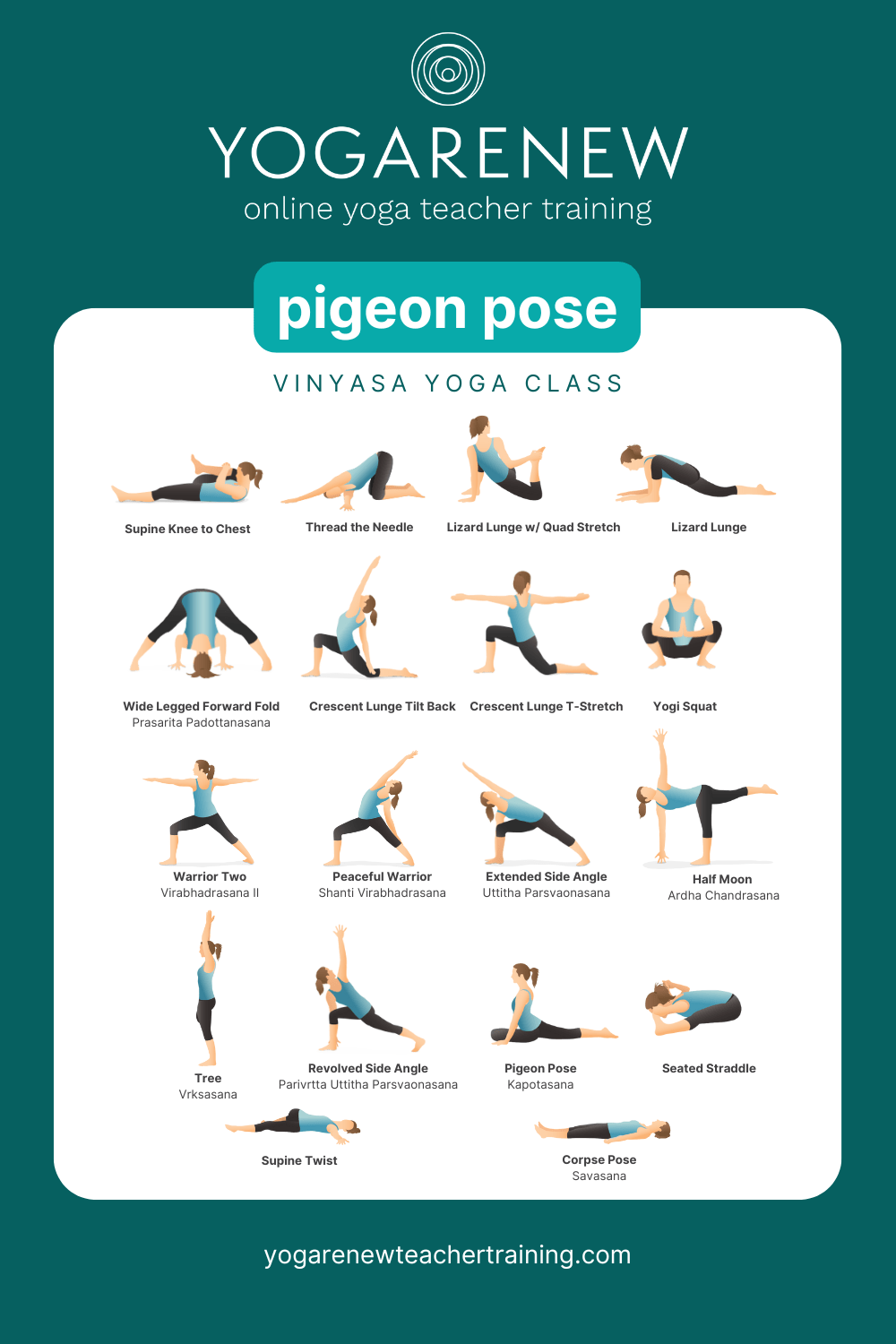
When life feels chaotic and your mind is spinning, a short yoga flow can help you slow down, breathe, and come back to your center. Rather than the nonstop twists and turns of some sequences, this practice helps you find your rhythm by taking your body through simple, repetitive movement, which offers your mind a place to find stillness. With its various iterations of the classic Sun Salutation A and B, this fluid practice grounds your energy and clears mental clutter.
Yoga
Mental health
fromenglish.elpais.com
4 months agoNazareth Castellanos, neuroscientist: We need to teach anxiety prevention techniques from school onwards'
Conscious breathing combined with sustained willpower and self-compassion can reshape the brain, reduce avoidable mental suffering, and foster growth, dwelling, and gratitude.
fromYoga Journal
4 months ago9 Calming Stretches to Help You Wind Down So You Can Sleep
You're lying in bed, staring into the darkness, and suddenly an urgent work email pops into your head, unbidden. Or maybe it's that shampoo you forgot to add to your shopping list, or the need to fill up your gas tank in the morning. Your lower back is twinging and your shoulders are tensing in response to your thoughts of all the things you need to do, or already did, or didn't do. It's a pretty universal experience.
Mindfulness
fromYoga Journal
4 months ago4 Ways to Practice Compassion-Even When It's a Tough Ask
When someone cuts you off in traffic, is your initial reaction to quietly let them speed away or to scream and show them as much of your middle finger as possible? Navigating any confrontation-whether road rage or dealing with loved ones during the holidays-with a cool head comes down to learning how to be compassionate. And, as with most things in life, it takes some practice.
Mindfulness
fromYoga Journal
4 months ago8 Warming Winter Yoga Poses to Stoke Your Inner Fire
When temperatures drop, we cover ourselves with puffy jackets, burrow underneath blankets, and keep an endless supply of warm tea on standby. Maybe yoga is the last thing on your mind (especially when it involves abandoning your protective layers). But unlike the temporary fixes that you reach for when you're feeling chilly, yoga generates warmth from the inside out. These static and dynamic postures are sorta like your body's personal space heater that you can turn on whenever you need it.
Yoga
fromPsychology Today
4 months agoThe Science of Sudarshan Kriya Yoga
To get a better understanding of how structured breathing patterns can reshape both body and mind, let's delve into the science behind Sudarshan Kriya Yoga (also known as SKY Breath). From nervous system regulation to hormonal balance and brainwave modulation, we'll unravel the physiological mechanisms that explain how targeted breathwork can transform physical and mental health. Modern life bombards us with stressors-tight deadlines, endless notifications, and constant stimulation-that keep our stress response perpetually activated.
Yoga
fromPsychology Today
4 months agoCan Breathwork Help You Stay Healthy in Winter Virus Season?
Over the past year, I started practicing breathwork to help with my mental health. Slowing my breath and breathing deep into my diaphragm has helped bring me calm and perspective, and longer sessions have helped me work through negative thought patterns. Breathwork, I have found, is an important adjunct to other components of a healthy life, such as nutrition, physical exercise, sleep, and social connection.
Wellness
fromYoga Journal
4 months ago15-Minute Heat-Building Yoga Practice to Warm You Up This Winter
Have you ever struggled to feel warm in cold weather, even when bundled up? Maybe you've wondered how that's even possible-after all, how can you be cold when you're wearing seven layers? But when temperatures drop, it's not just the world around you that cools down. During the winter, your circulation slows down and blood flow diverts from your extremities to protect your core. That's why your hands and feet often feel icy even when you're wearing cozy clothes.
Yoga
fromYoga Journal
4 months agoLow Back Pain? This Yin Yoga Practice Helps Relieve Tension.
Few of us escape lower back discomfort, whether it results from long drives, hours spent at a desk, or the aches of menstruation. Practicing yin yoga is a simple antidote that can help you undo the stresses caused by your everyday life. The long holds and mindful focus of yin yoga poses compress, stretch, and release the lower back to bring you relief from tension and discomfort.
Mindfulness




fromYogaRenew
5 months agoA Class Sequence to Improve Flexibility (Yin Yoga)
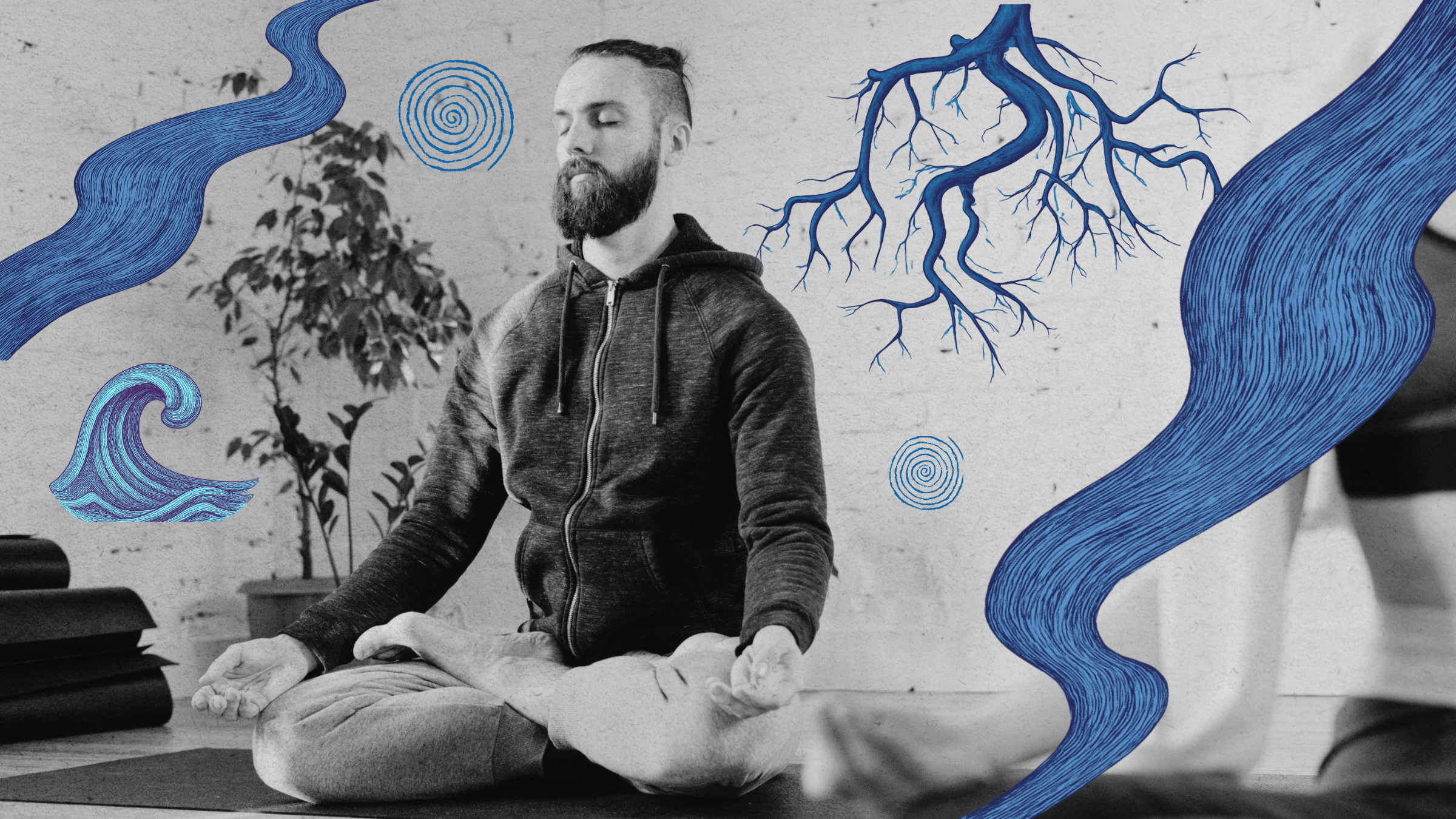
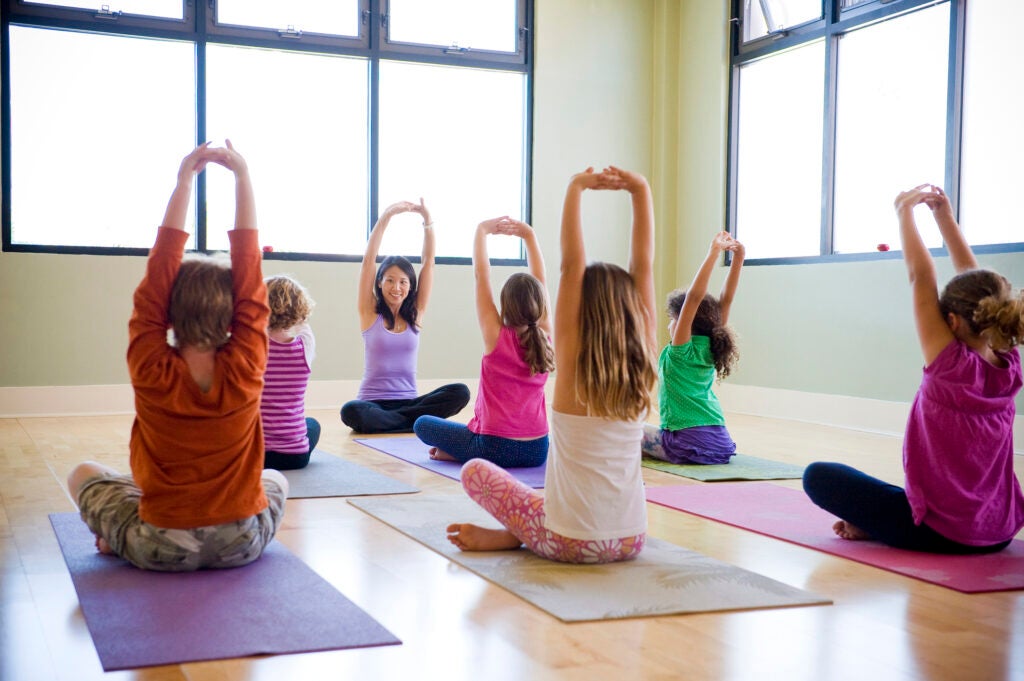
Arrival & Breath (5 minutes) How to: Begin seated or lying on your back with support under your head if needed. Close your eyes. Take 5-10 deep breaths. Let your shoulders soften, your belly soften. Set an intention for the practice-perhaps "ease," "space," or "openness." (3-5 minutes) How to: Come to a comfortable seated position. Bring the soles of the feet together and let your knees fall to the sides (or widen your legs).
Yoga
fromTiny Buddha
5 months agoSound as Medicine: A Healing Journey - Tiny Buddha
When that goes on long enough, the body tightens. The breath shortens. The nervous system stays braced for impact, even when nothing is immediately wrong. This is why practices that help us reinhabit the body and soothe the nervous system can feel so powerful. They remind us we don't have to live in a state of tension. We can soften. We can ground. We can exhale. That's what draws me to this upcoming Omega workshop, Sound as Medicine: A Healing Journey, with sound healer and guide Phyllicia Victoria.
Mindfulness
fromYoga Journal
5 months ago8 Yoga Poses to Clear Brain Fog (Which a New Study Shows We All Have)
Brain fog is very real. According to a recent study, "cognitive disability"-defined as difficulties concentrating, remembering, and making decisions-is on the rise in the U.S. The phenomenon is most dramatically affecting those between the ages of 18 to 39, with the self-reported impairments doubling over the course of the decade-long analysis. Potential culprits include stress, Covid, and digital overload. Fortunately, banishing-or at least minimizing-brain fog is within your power.
Mindfulness
fromInsideHook
5 months agoThe 10 Best Breathing Exercises for Sleep, Fitness and Calm
Legendary Italian freediver Umberto Pelizzari used to train in the Red Sea to study the breathing habits of dolphins.He was intrigued by dolphins' unique method for conserving their oxygen; whenever they dove for extended periods, they'd manage to slow down their heart rates and cling to a consistent core temperature. Pelizzari was keen to replicate these clever physiological adaptations in his own freediving.
Yoga
fromYoga Journal
6 months ago12-Minute Yoga Practice to Dissolve Your Anxious Thoughts
Practicing yoga for anxiety is a balance of sitting with the accompanying emotions and moving just enough to allow new energy to flow through you. Yoga teacher Taylor Lorenz understands this. In just over 10 minutes, she moves you through calming cycles of Cat and Cow, some gently challenging seated postures, and a reinvigorating breathwork exercise, each easing anxiety while welcoming a more grounded sense of spirit.
Mindfulness
Alternative medicine
fromNatural Health News
7 months agoScientists reveal how breathwork unlocks psychedelic bliss in the brain
High-ventilation breathwork with music can induce blissful altered states, reduce negative emotions, activate sympathetic stress responses, and decrease blood flow to emotion-processing brain regions.
fromYoga Journal
7 months ago28 Signs That You're Deep in Your Yoga Era
Yoga is a way of life. For most student, practice begins on the mat, but once you find your flow, you begin to realize that yoga touches everything you do. From exploring accompany philosophy to focusing on breath and mindfulness, the effects of entering your yoga era are a perspective-shifting experience. Once there, though, you may find yourself immersed in yoga to the point where it's impossible to separate your practice from everything else. And that's kind of the point.
Mindfulness
[ Load more ]