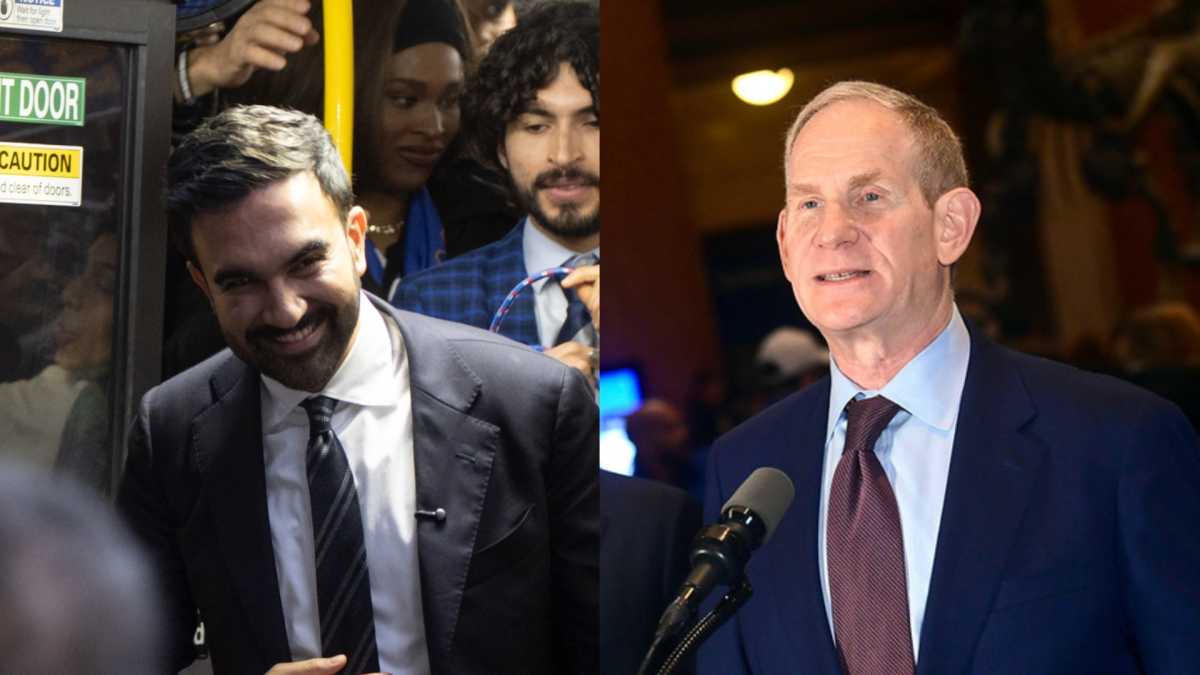
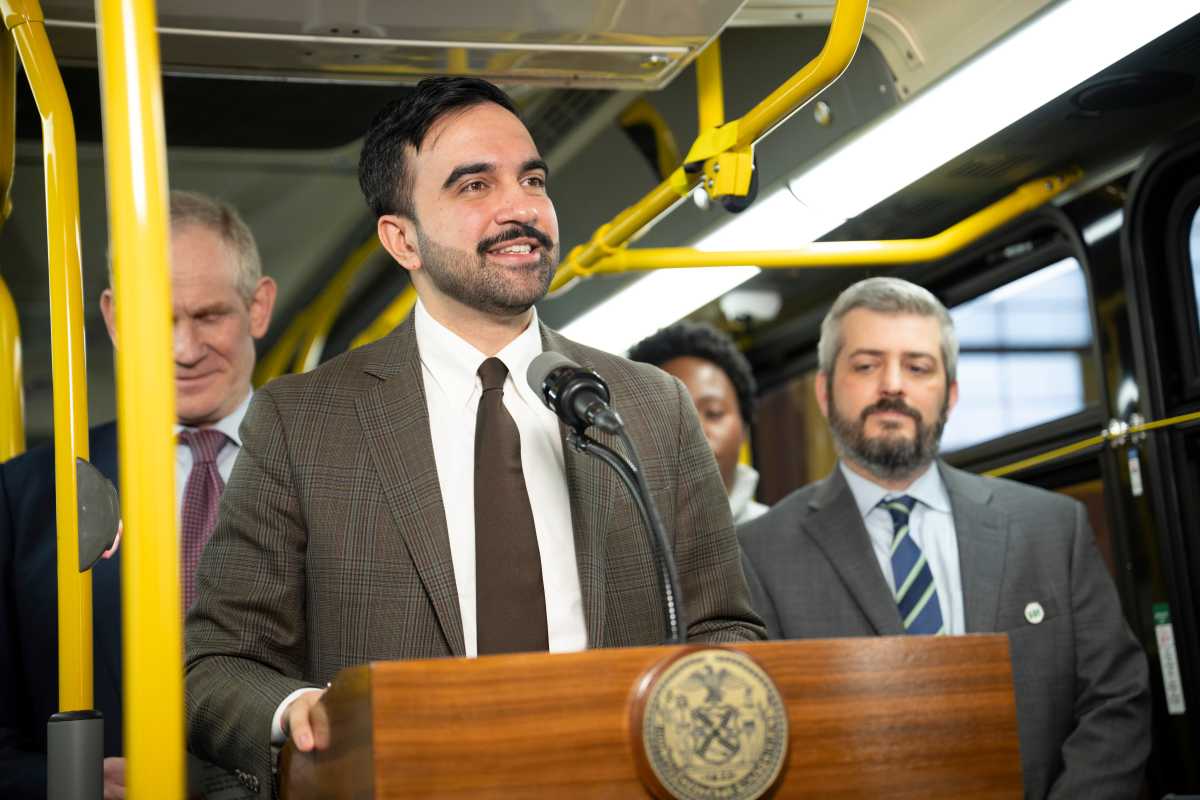
Mamdani announced the new public bathroom plan in West Harlem, where a new bathroom will be installed later this year, he said. Everyone knows the feeling of needing a bathroom and not being able to find one, Mamdani said at the Jan. 10 press conference, which was flush with bathroom puns and innuendo. With this new commitment to public toilets, we're ensuring New Yorkers can travel through our city with a little less anxiety, starting today at 12th and St. Clair.
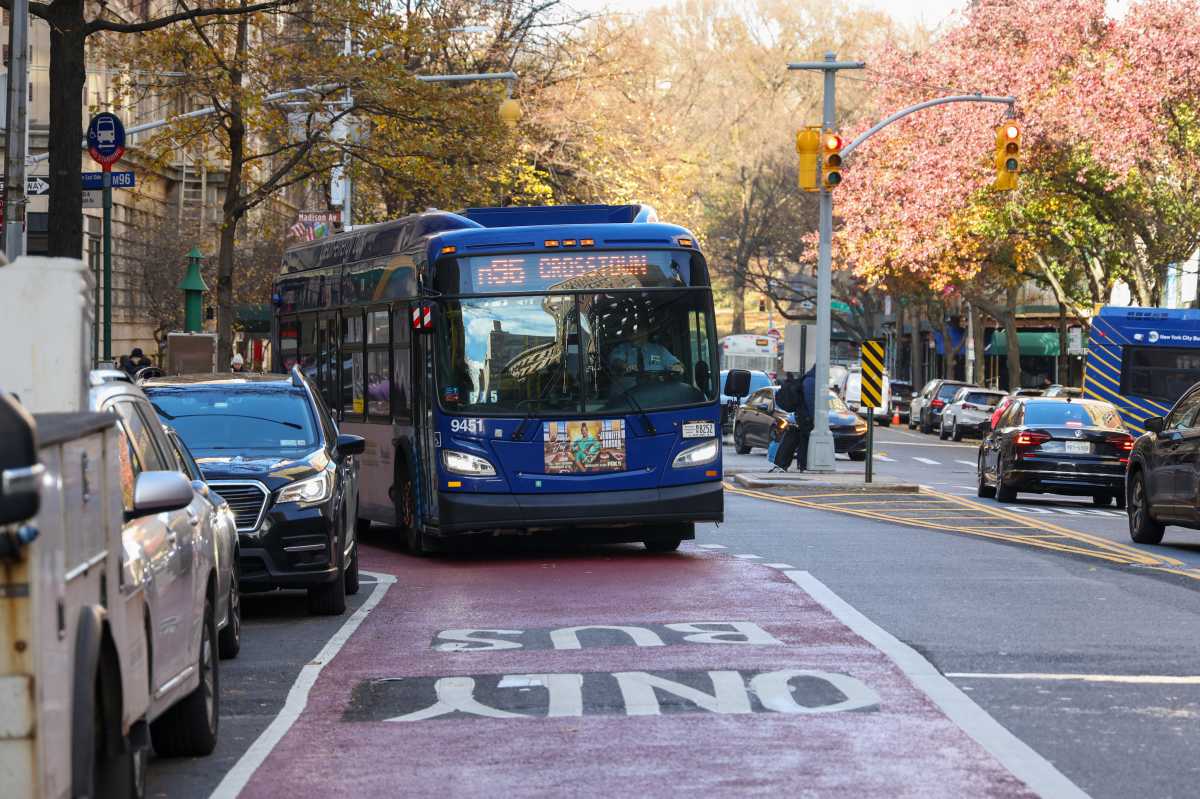
The first mayor tasked with implementing the city's Streets Master Plan pitched himself on the campaign trail as someone who wouldn't just hit the goals of the plan but surpass them. Yet four years later, the closest Adams's Department of Transportation came to the master plan's mandatory 50 miles of bike lanes per year was 31.7 miles in 2023. Mayor Adams oversaw a DOT that installed just 15 miles of new bus lanes in three years, when the law required 80.
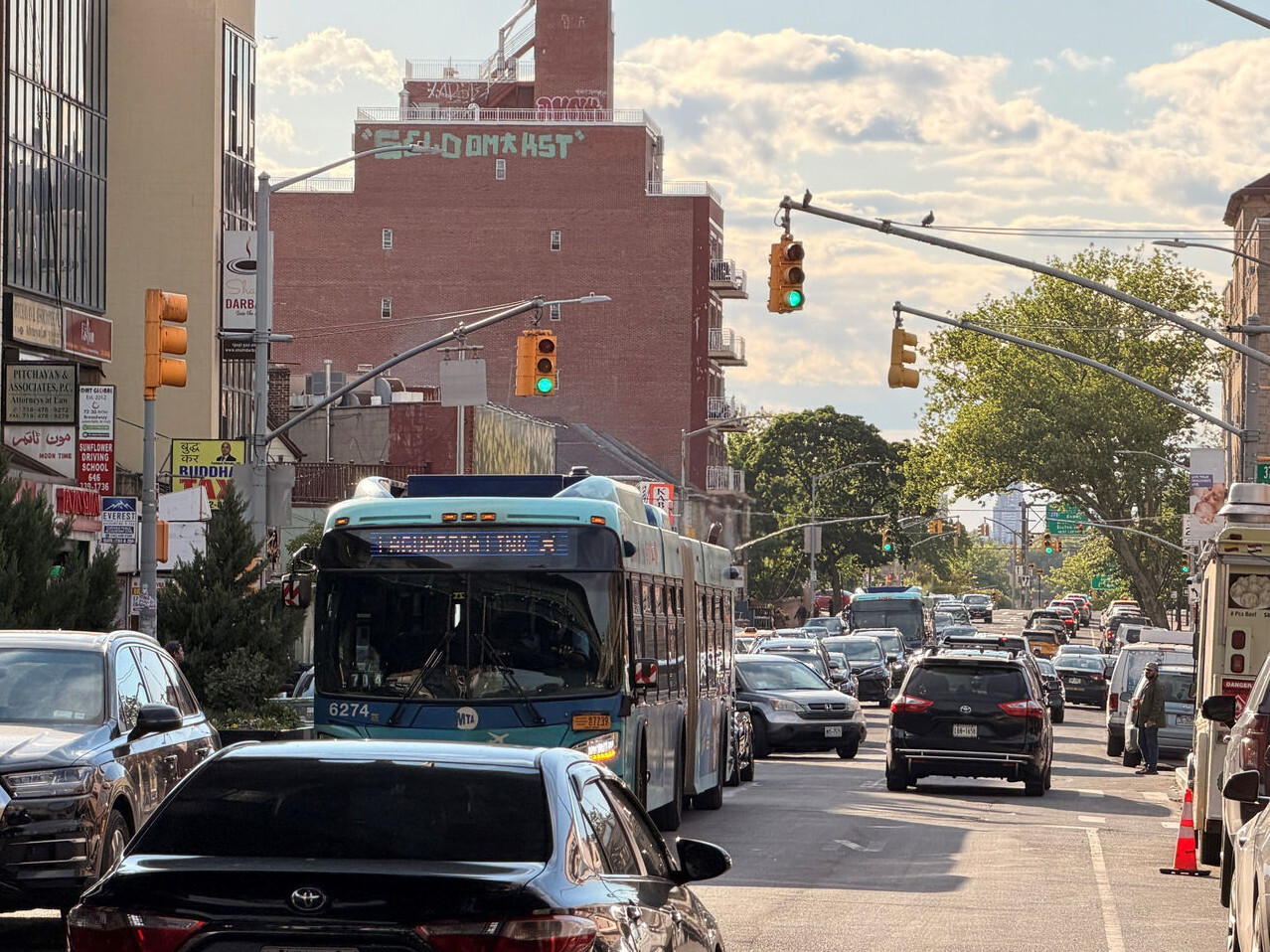
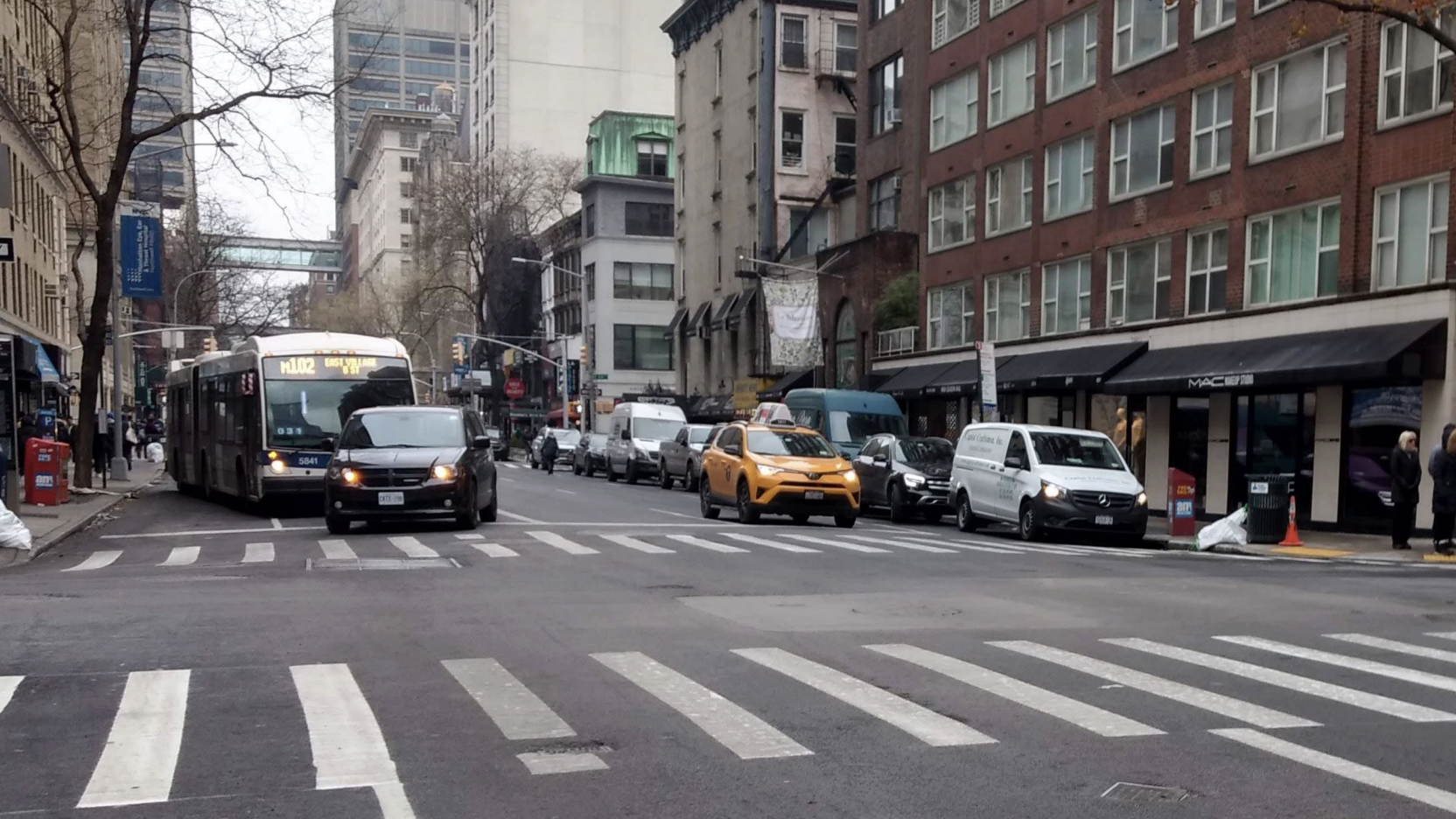
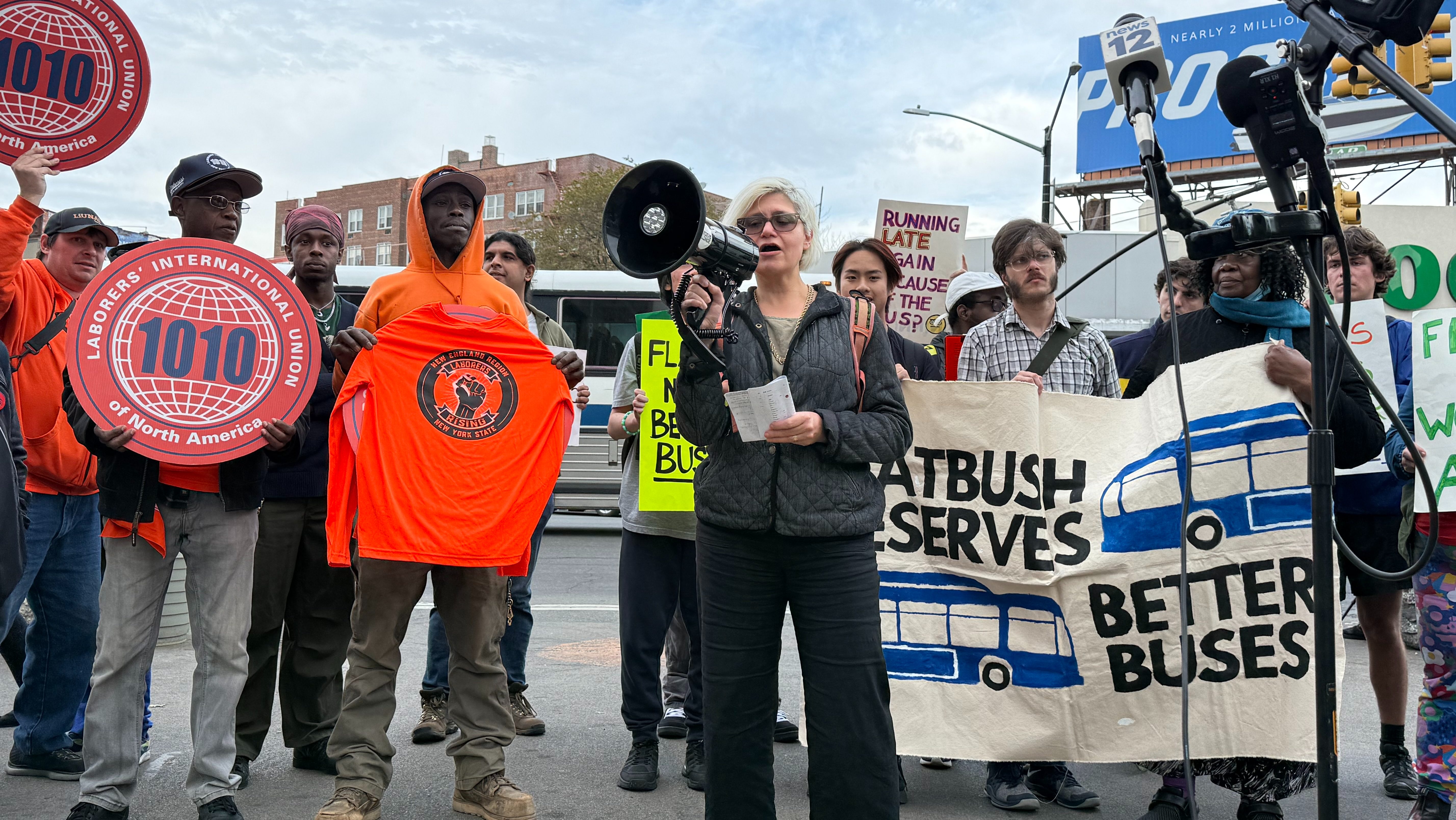
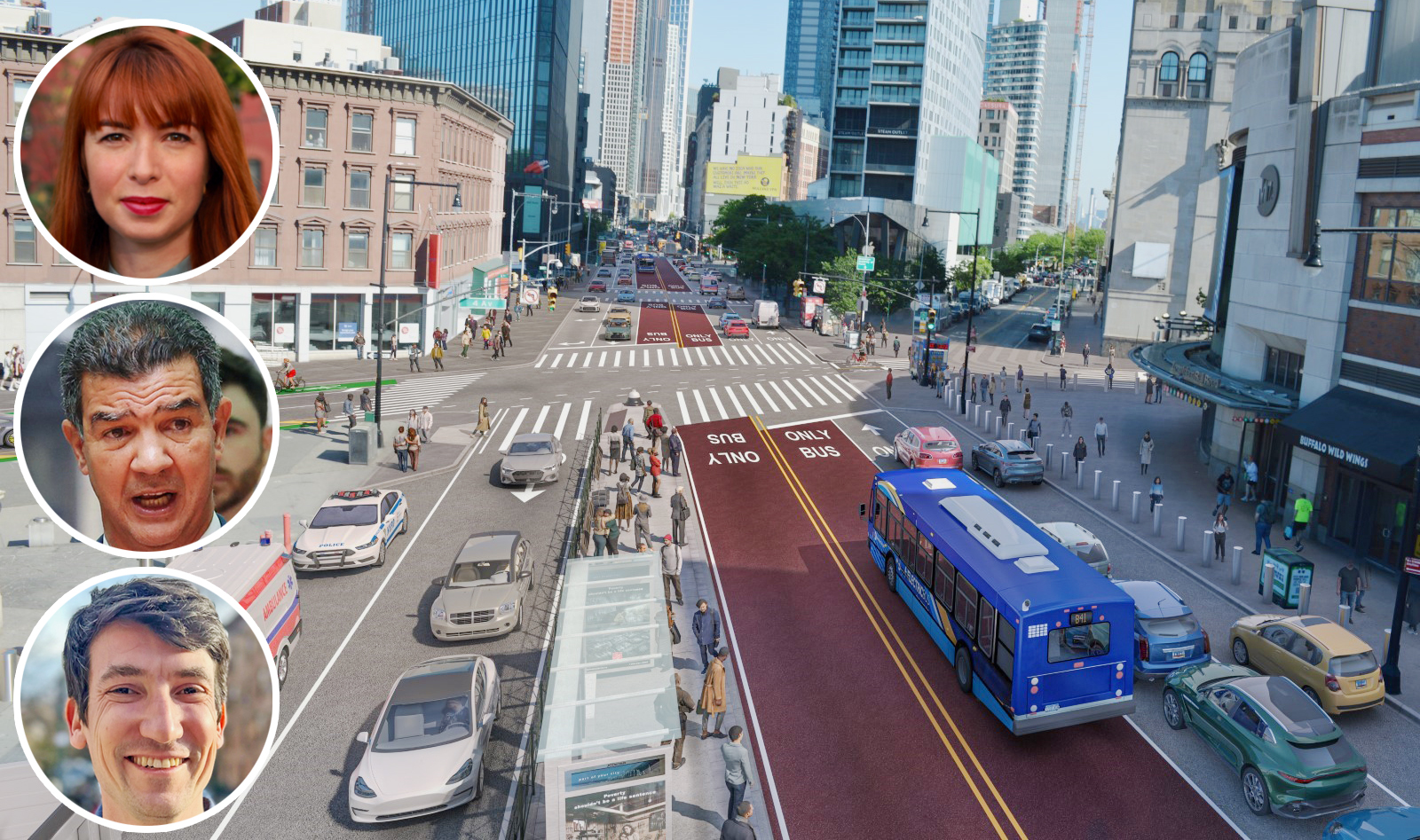
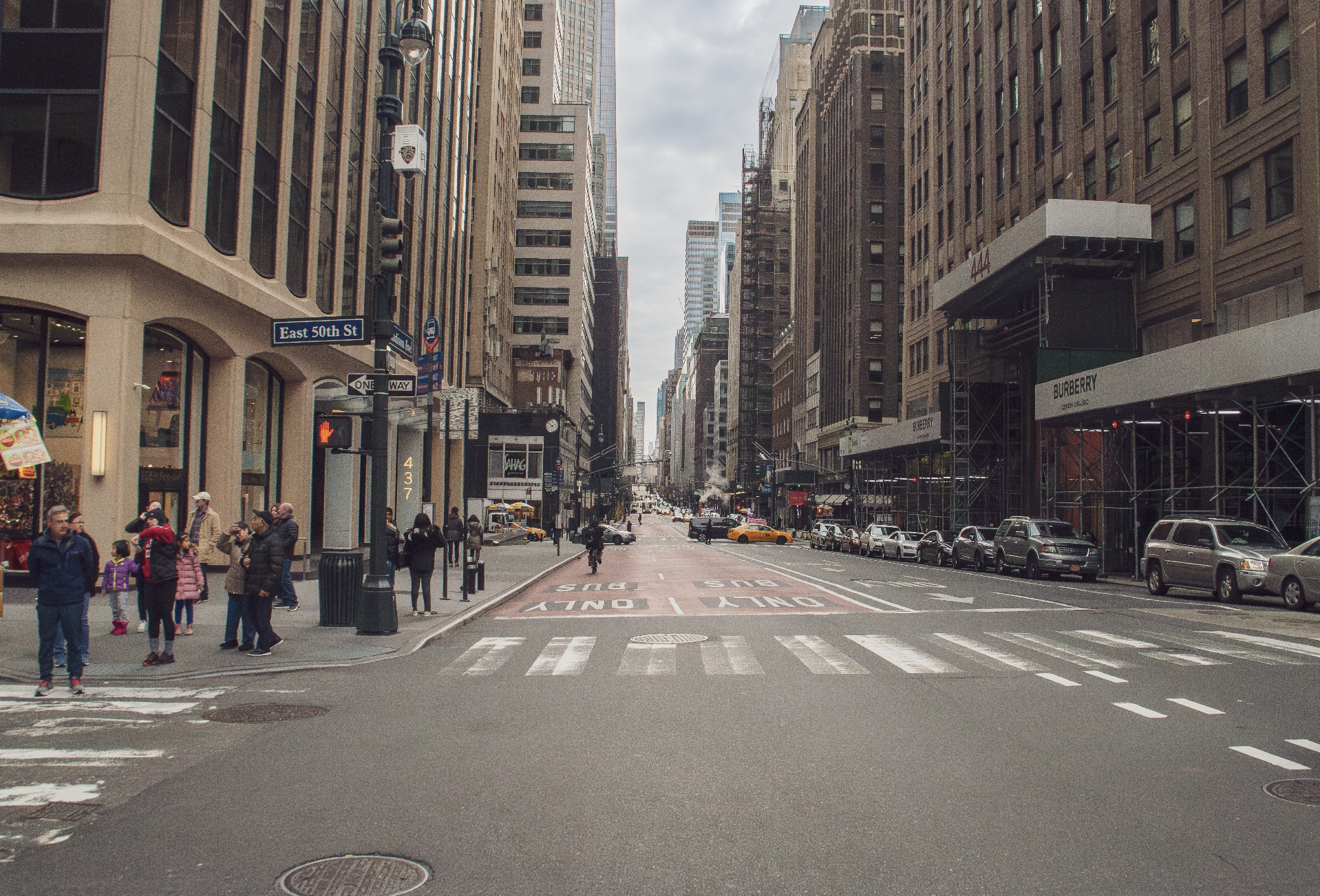
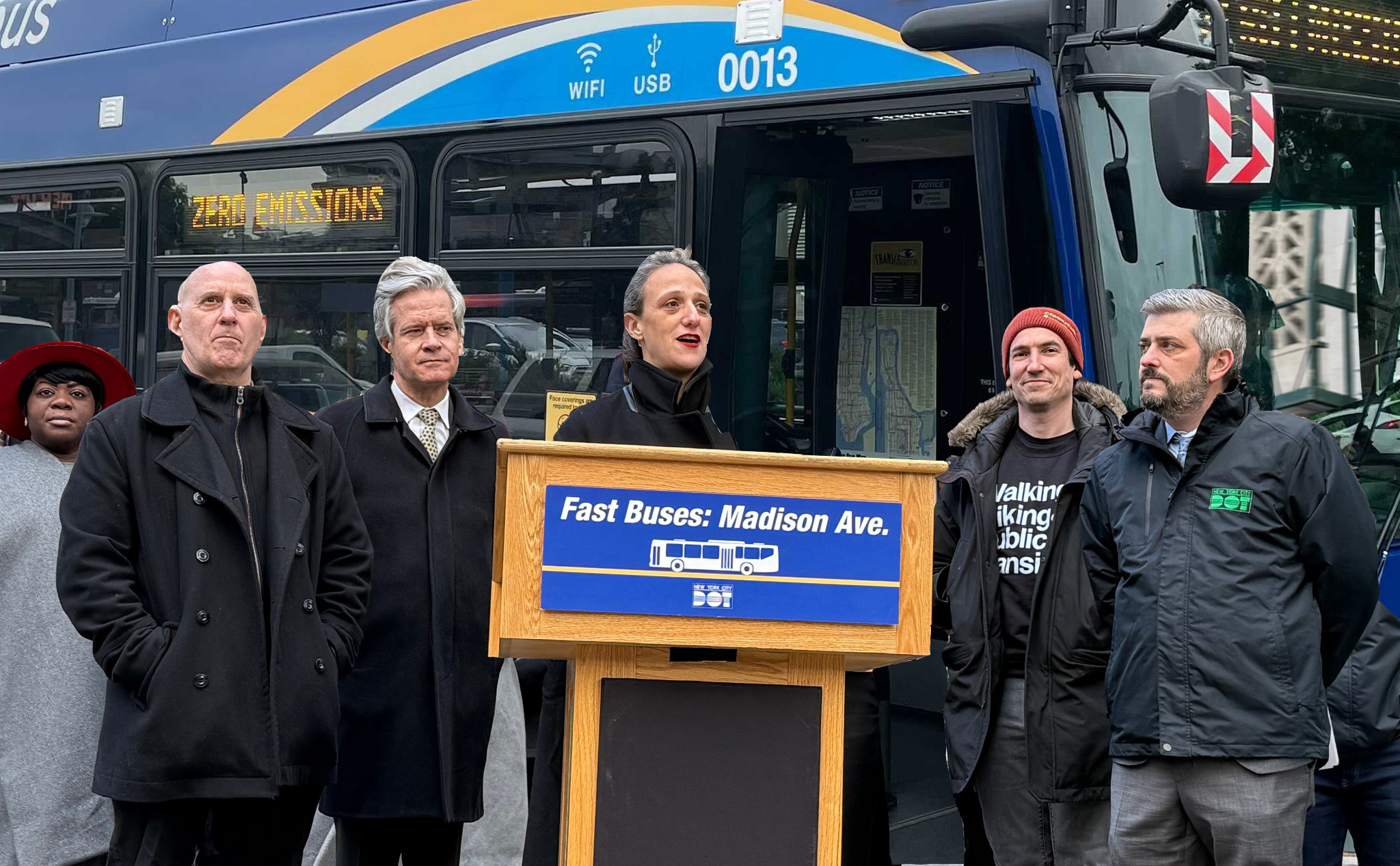
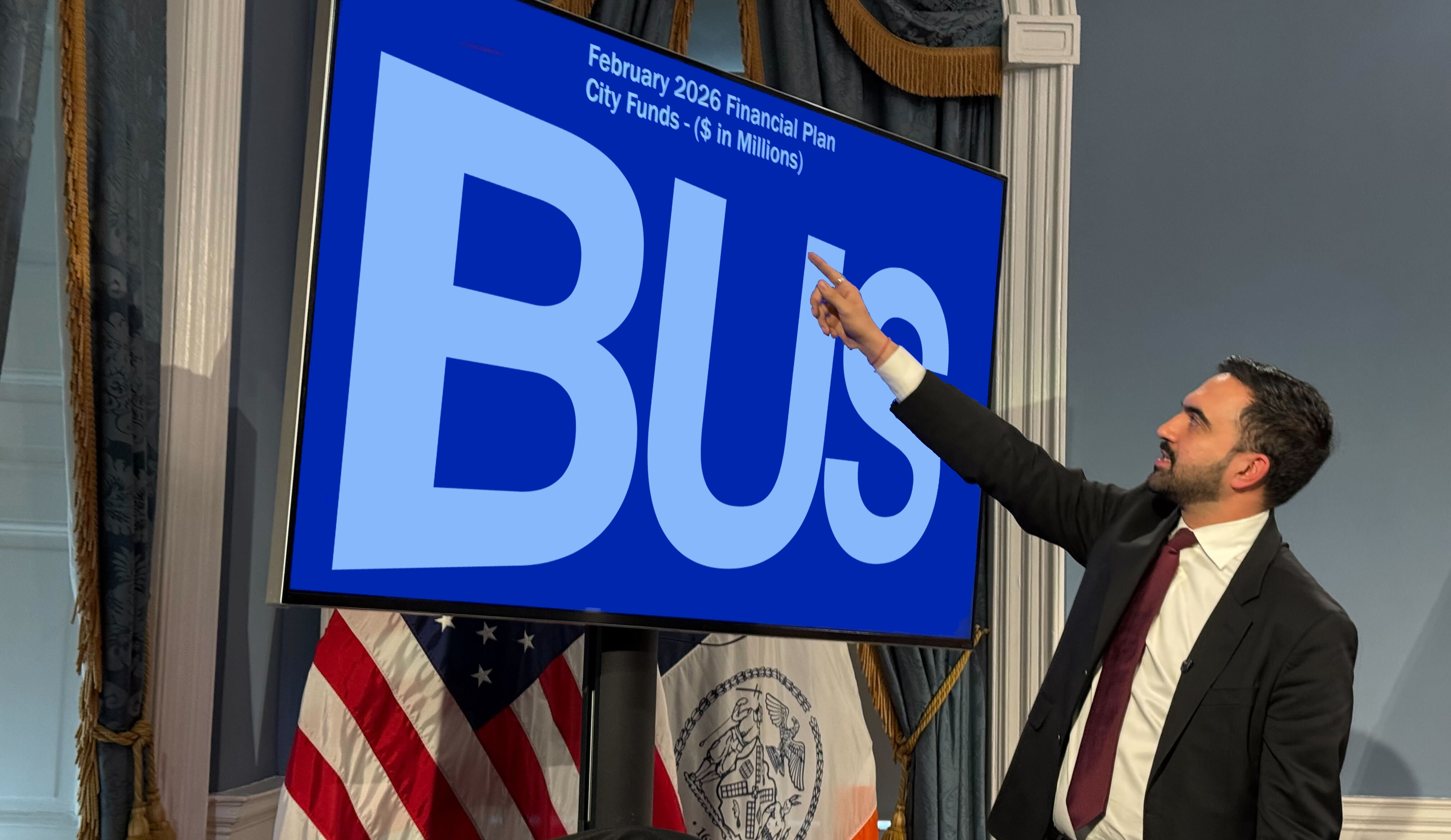
Ask any New Yorker who has taken a bus recently how they've felt about the experience, and many will tell you the same thing: They're too slow for their liking. The broad dissatisfaction with New York City's bus system became a big part of the mayoral campaign itself. Mayor-elect Zohran Mamdani wants not only to make the buses free, but also to make them faster.
When I took this job nearly a year ago, I had two priorities safety and service. As president of New York City Transit, I was going to do everything in my power to make the transit system safer, not only for our millions of daily riders, but also the tens of thousands of employees who keep this City moving. And I was going to do it while running the best possible service.
We were going to give Mayor Adams a pass after the city issued its annual Mayor's Management Report for fiscal year 2025 (also known as July 2024 through June 2025). We felt we didn't need to pile on because we've already reported so many measures of how badly Mayor Adams is building bike lanes, how slowly he's building bus lanes, how he decides on safety measures based on vibes, and how corruptly he is overseeing the public process of making the city safer.
New York City's buses are in crisis, and have been for a long time. In the year 2000, MTA buses carried 699 million passengers per year. Even as New York City has grown over the last quarter-century, gaining 470,000 new residents, bus ridership has dropped by 41 percent, to 409 million. Fare evasion is rampant. Over one-third of passengers refuse to pay, costing the MTA $568 million in 2024. Nearly one-third of buses run late.