#china-coal
#china-coal
[ follow ]
#renewable-energy #china #energy-crisis #fossil-fuels #clean-energy #middle-east-conflict #strait-of-hormuz

from24/7 Wall St.
1 day agoViper Energy's natural gas bet could deliver outsized income as LNG demand surges
Viper owns mineral and royalty interests, primarily in the Permian Basin. Royalty owners collect a percentage of production revenue from every barrel of oil, cubic foot of natural gas, and barrel of natural gas liquids produced on their acreage without bearing drilling costs or capital expenditures.
Business
fromwww.theguardian.com
5 days agoHow South Korea plans to use the Iran crisis to spur a renewables revolution
The village deliberately chose to spend solar income on welfare rather than individual dividends, a decision Jeon says residents made themselves rather than being persuaded. If you divide money as individual income, people feel disconnected.
Agriculture



fromFortune
1 week agoChina's export boom is losing steam, thanks to the Iran war and the global energy crisis | Fortune
China's exports have decelerated as the Iran war starts to affect global demand and supply chains, according to Gary Ng, a senior economist for Asia Pacific at French bank Natixis.
World news



European startups
fromFortune
3 weeks agoChina could be the 'big winner' in the AI race, thanks to abundant power, cheap manufacturing, and an open-source craze | Fortune
China's AI sector is gaining momentum due to cheaper energy, increased capital spending, and a growing number of open-source developers.
#coal

Environment
fromwww.theguardian.com
2 weeks agoAsia ramps up use of dirty fuels to cover energy shortfall triggered by Iran war
Asian governments are increasing coal use to address energy shortages caused by geopolitical conflicts, raising environmental concerns and calls for renewable energy investment.
Environment
fromwww.theguardian.com
2 weeks agoAsia ramps up use of dirty fuels to cover energy shortfall triggered by Iran war
Asian governments are increasing coal use to address energy shortages caused by geopolitical conflicts, raising environmental concerns and calls for renewable energy investment.
fromwww.theguardian.com
1 month agoThe Guardian view on EV charging: China took the right lessons from Britain's past | Editorial
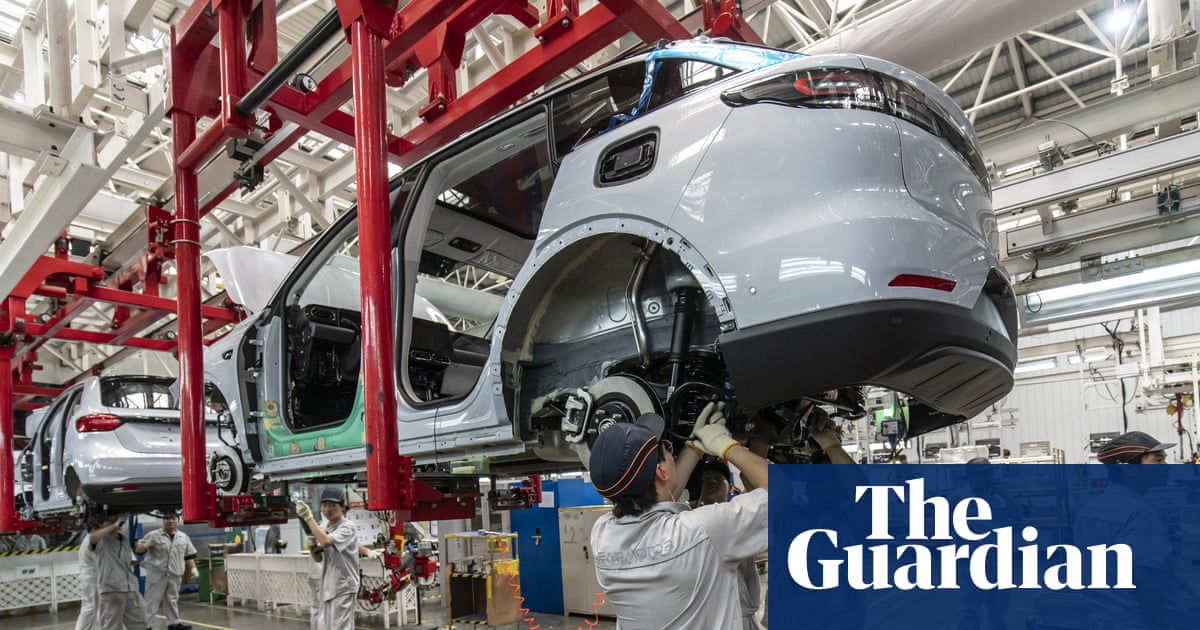
BYD, the world's biggest car seller, unveiled a new battery giving its latest electric models more than 600 miles of range. Remarkably, the Chinese motor-maker said 250 miles of range could be injected into its new batteries in just five minutes. If true, the last remaining advantages of petrol cars—long range and quick refuelling—are beginning to disappear.
London startup
World news
fromwww.theguardian.com
1 month agoAsia scrambles to confront energy crisis unleashed by Iran war with no end in sight
The closure of the Strait of Hormuz threatens global oil supplies, with Asia facing severe crude import disruptions as Middle Eastern producers reduce output and emergency reserves deplete.

Environment
fromArs Technica
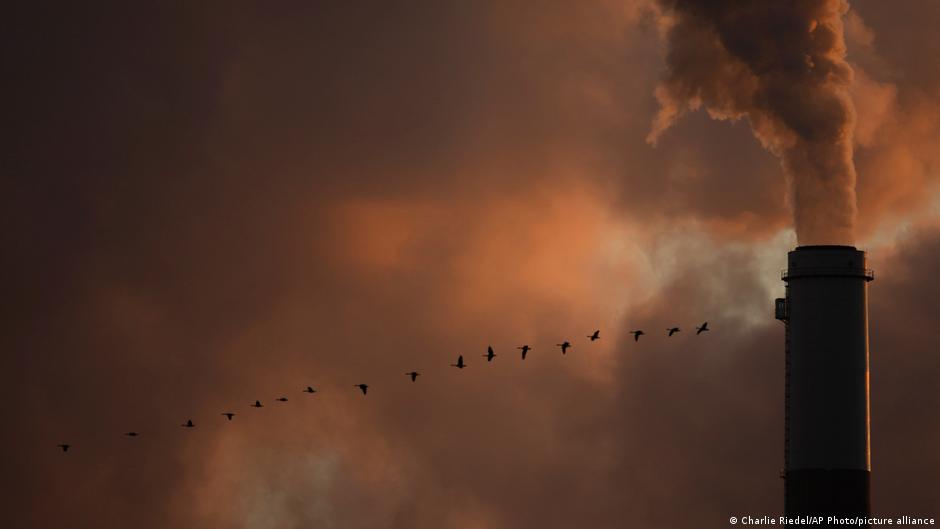
1 month agoCoal plant forced to stay open due to emergency order isn't even running
The Trump administration uses emergency orders to keep uneconomical coal plants operational despite cheaper renewable and natural gas alternatives, citing grid reliability while data shows minimal actual energy contribution.

US politics
fromwww.theguardian.com
1 month agoMost US coal plants could meet air pollution rules. Trump weakened them anyway
The Trump administration eliminated mercury and air toxics standards despite 88% of US coal plants already having compliance capability, exposing children to neurotoxic pollution.
fromwww.scientificamerican.com
1 month agoChina is reportedly testing a new airborne wind turbine
Researchers in China have reportedly tested a new, gravity-defying wind turbine system that they say could generate power from the airspace above cities. The turbine is called the S2000 Stratosphere Airborne Wind Energy System, or SAWES. Held up by what is essentially a helium blimp, the machine reportedly generated 385 kilowatts of electricity from 2,000 meters (more than 6,500 feet) above the city of Yibin in China's province of Sichuan, according to a recent Euronews report.
Science
Environment
fromwww.theguardian.com
1 month agoRevealed: the world's worst mega-leaks of methane driving global heating
Satellite analysis reveals dozens of massive methane leaks from oil, gas, and landfill facilities worldwide in 2025, primarily in Turkmenistan, with most leaks preventable through simple maintenance or fixable at no cost since captured methane can be sold.
fromArs Technica
2 months agoTrump orders the military to make agreements with coal power plants
"The Secretary of War, in coordination with the Secretary of Energy," the order reads, "shall seek to procure power from the United States coal generation fleet by approving long-term Power Purchase Agreements, or entering into any similar contractual agreements, with coal-fired energy production facilities to serve Department of War installations or other mission-critical facilities."
US politics
fromwww.aljazeera.com
1 month agoWho wins and loses in the global energy crisis?
The war in the Middle East is exposing how dependent the world is on a handful of strategic chokepoints. The Strait of Hormuz a narrow waterway in the Gulf is closed. The longer this goes on, the faster the global energy map could be reshaped.
World politics
fromwww.independent.co.uk
2 months agoEnergy boss says China's tech marks golden opportunity' for UK
The head of Britain's largest energy supplier has warned that the UK risks being "left behind" if it fails to collaborate with China on renewable technology, suggesting that importing Chinese wind farm innovations could create thousands of jobs. Greg Jackson, founder and chief executive of Octopus Energy, recently accompanied Sir Keir Starmer on a UK delegation to China. He emphasised China's significant advancements in technology and renewables, which he believes could provide Britain with crucial energy security.
US politics
World news
fromFortune
2 months agoChina's export-led growth is looking more and more unsustainable while a real estate crash and reeling consumers fuel deflationary spiral | Fortune
China's export surge drove record $1.19 trillion trade surplus and sustained 5% GDP growth in 2025 despite weak domestic consumer demand and property slump.
fromWIRED
2 months ago23 Ways You're Already Living in the Chinese Century
A decade ago, China's political leaders laid out an ambitious industrial plan: By 2025, they pledged, their country would be a world capital, with the goal of moving from "Chinese speed to Chinese quality, the transformation of Chinese products to Chinese brands." This is the difference, they wrote, between "Made in China" and "Created in China." At WIRED, we never take what the government (ours or anybody else's) says at face value.
World news
fromLondon Business News | Londonlovesbusiness.com
2 months agoRare earths market matures amid strategic demand - London Business News | Londonlovesbusiness.com
Rare earths are rapidly evolving into a strategic asset class as nations strive to reduce reliance on China, which retains overwhelming dominance in mining and refining capacity. Driven by surging demand from critical industries and heightened government intervention, the market infrastructure is maturing to meet the challenge. A pivotal milestone in this evolution is the CME Group's plan to launch rare earth futures contracts.
World news

Environment
fromHarvard Gazette
2 months agoYes, China has embraced renewables - but don't call it a transition, expert says - Harvard Gazette
China is expanding renewable energy while simultaneously increasing fossil fuel capacity, driven by growing energy demand and security concerns, raising CO2 emissions.
fromwww.theguardian.com
2 months agoThe Guardian view on Donald Trump and the climate crisis: the US is in reverse while China ploughs ahead | Editorial
Devastating wildfires, flooding and winter storms were among the 23 extreme weather and climate-related disasters in the US which cost more than a billion dollars last year at an estimated total loss of $115bn. The last three years have shattered previous records for such events. Last Wednesday, scientists said that we are closer than ever to the point after which global heating cannot be stopped.
Environment
fromFast Company
2 months agoHow to meet the surging energy demand without needing as much new electricity
When Specian dug into the data, he discovered that implementing energy-efficiency measures and shifting electricity usage to lower-demand times are two of the fastest and cheapest ways of meeting growing thirst for electricity. These moves could help meet much, if not all, of the nation's projected load growth. Moreover, they would cost only half-or less-what building out new infrastructure would, while avoiding the emissions those operations would bring.
Environment
[ Load more ]