History
fromwww.dw.com
1 day agoTeen discovers first ancient Greek artifact found in Berlin
A 13-year-old discovered a rare ancient Greek coin from Troy in Berlin, revealing potential links between ancient Greece and northern Europe.
Lebanese authorities contacted Unesco officials to express their 'deepest concerns' over reports indicating the 'destruction and complete demolition of the Citadel of Chama' by military bulldozing operations.'
The discovery comes on the heels of other recent discoveries of Mesoamerican and colonial-era sites and artefacts during archaeological salvage work associated with planning a new 232km passenger rail line between Mexico City and Querétaro.
The Rio-Antirrio Bridge, with its triangular sections resembling giant sails, is the world's longest multi-span cable-stayed bridge, spanning 2,880 meters across the Rion Strait. Completed in 2004, it transformed travel between the Peloponnese and mainland Greece, reducing ferry crossing times significantly. The views from the bridge are breathtaking, offering glimpses of the indigo waters and majestic mountain ranges.
Singapore has a special way of blending old traditions with modern life, especially evident in its historic neighborhoods like Chinatown, Little India, and Kampong Glam. There, colorful shophouses, temples, and mosques sit alongside cafes and boutiques, while long-standing food and craft traditions remain part of daily life.
The corrective fluid analysed using light infrared photography revealed a mixture of huntite and calcite, while images made using a 3D digital microscope show that there also are flecks of yellow orpiment, probably to make it blend in better with the fresh papyrus, which would have originally been pale cream in colour.
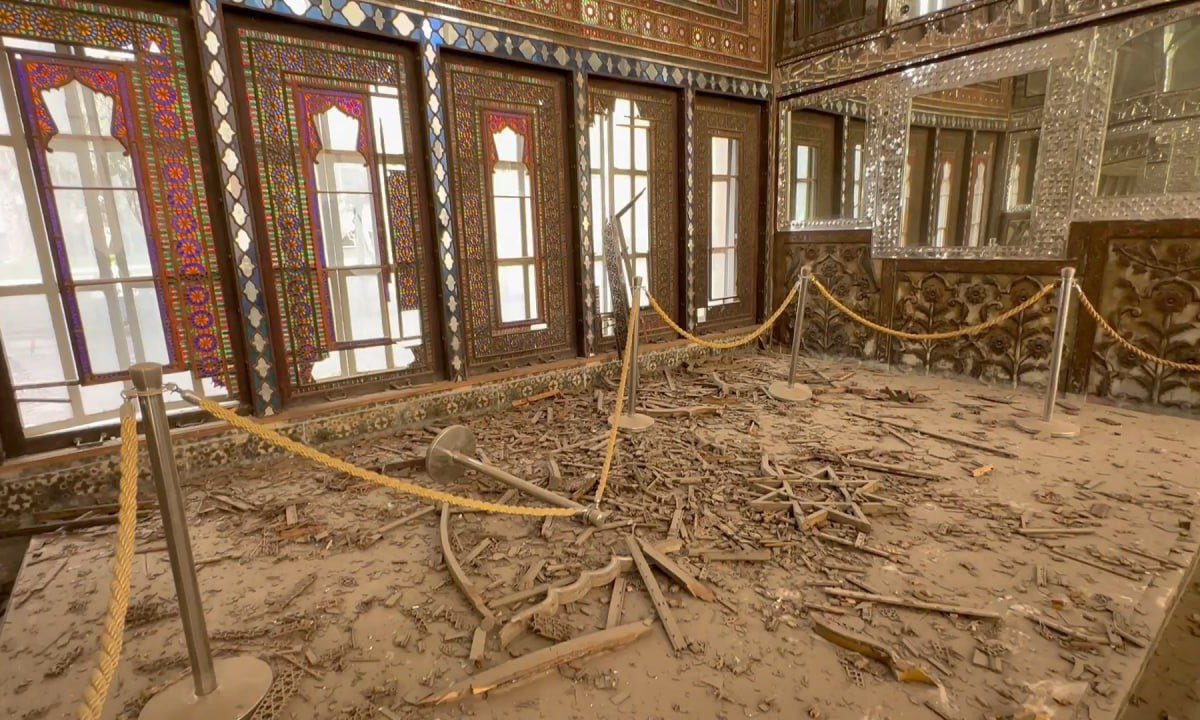
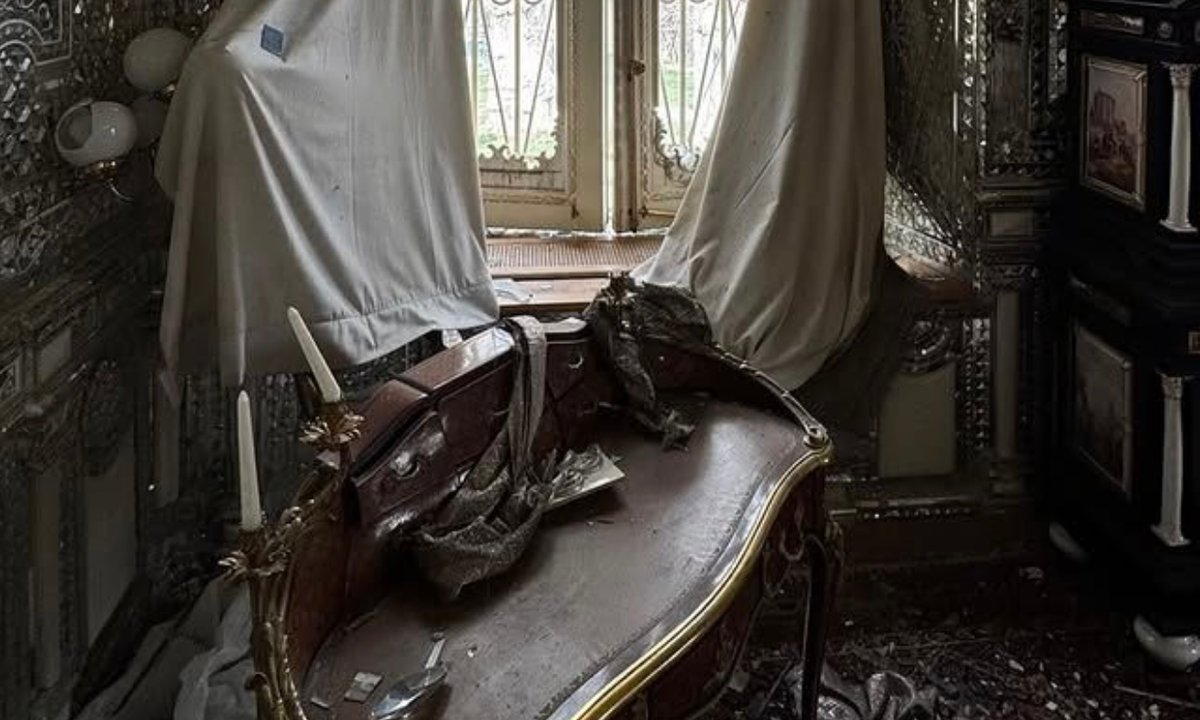
The most serious confirmed damage to date has been to Tehran's Golestan palace, dating back to the 14th century, and the 17th-century Chehel Sotoon palace in Isfahan. Judging from videos and public statements, neither historic building was hit by a missile directly but the shock wave from nearby blasts and possibly some missile debris, shattered glass and brought down tiles and masonry.
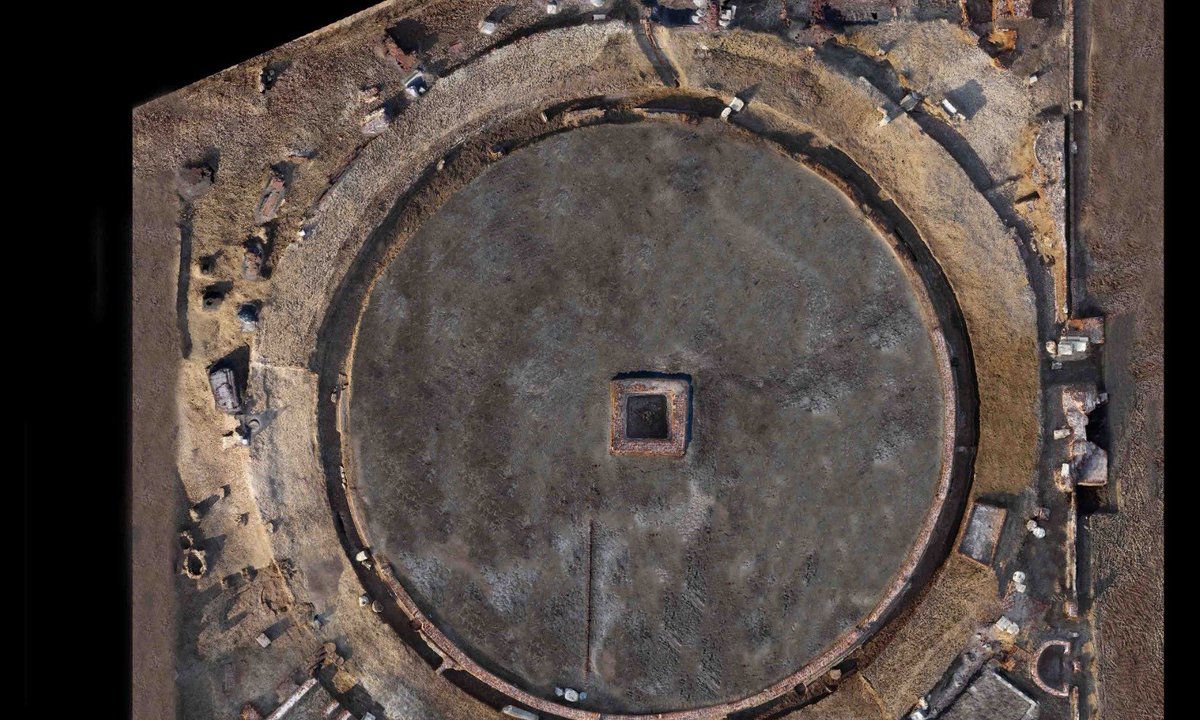
At least that's the mood director Gianfranco Rosi evokes in his mesmerizing documentary Pompei: Below the Clouds, which won a Special Jury Prize at the Venice Film Festival last year and is finally being released theatrically in the U.S., ahead of a March 27 streaming premiere on Mubi. The apocalypse Rosi presents is not just the legendary one that destroyed the ancient Roman town of the film's title but an ongoing one that encompasses the calamities of our modern era as well as the rejuvenation that sometimes accompanies destruction.
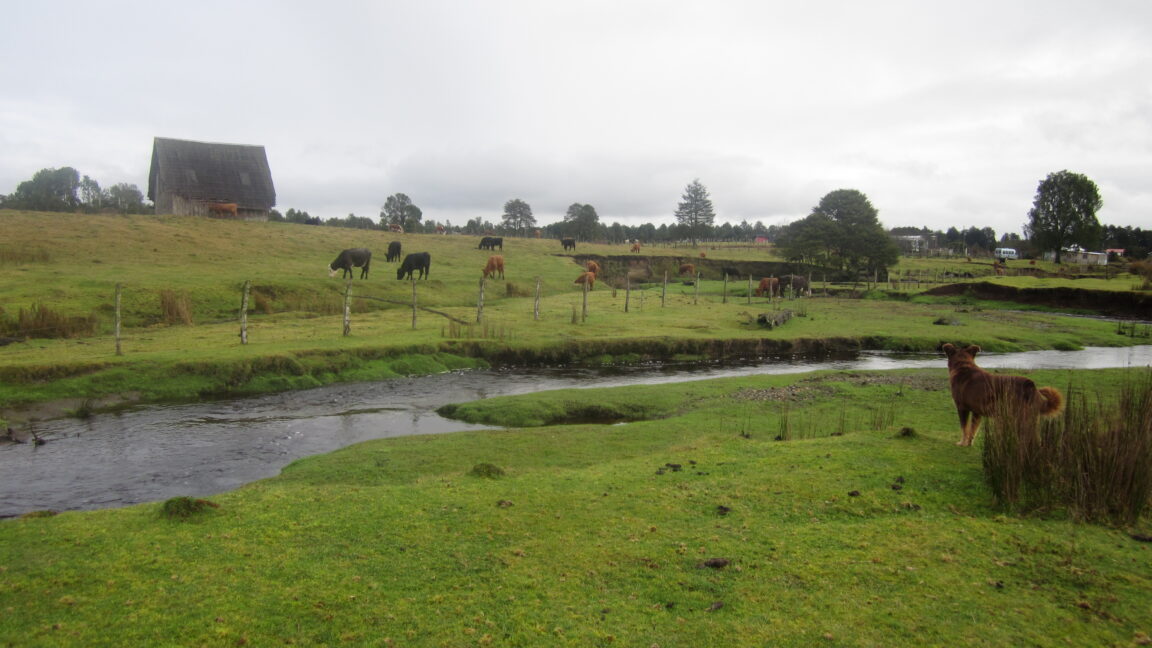
Here dwells the indigenous Tzotzil community which has kept a pastoral way of life against the march of time. Apart from the odd forest ranger and passerby, Ruvalcaba's film focuses almost entirely on the Tzotzil women. Together, they tend herds of sheep which they still shear by hand, and use traditional tools for spinning yarns and natural dye for fabrics.
An ancient Egyptian papyrus held by the British Museum has been cited as possible evidence supporting some of the Bible's most controversial claims about giants. The 3,300-year-old document, known as Anastasi I, has been in the museum's collection since 1839 and has recently resurfaced on the Associates for Biblical Research, renewing interest in its possible links to biblical accounts. The papyrus describes encounters with the Shosu people, said to stand 'four cubits or five cubits' tall, up to eight feet in height.
Seven were the strings of the lyre (unless there happened to be eight or nine), seven were the gates of Thebes, and seven were the "wandering stars" in the night sky (if you count the sun and moon). The identity of the wonders was less important than the length of their list, and indeed, additions and changes were proposed since the beginning.
Archaeologists have discovered what they believe is the world's oldest known rock art, in a cave off the island of Sulawesi, Indonesia. The hand stencil has been dated to at least 67,800 years ago, making it 1,100 years older than the earliest example of rock art that was known about before this, produced in Spain by Neanderthals. The Sulawesi work may, its finders say, provide insights into the migration of early humans to Australia.
His investigation began after identifying recurring giant T-shapes, three-level indents, and step pyramids carved into ancient stones worldwide. 'These specific symbols that are built in different size proportions, and the symbols are found in ancient stones around the world, are not supposed to exist; no cultures are supposed to have any cross-platform,' LaCroix explained. The symbols appear in locations ranging from Turkey's Van region to South America and Cambodia.
as the gods were understood as the true monarchs and the king as simply their steward. In order to maintain his authority, the king needed to court the goodwill of the gods, and although they made their approval clear through military victories, bountiful harvests, and prosperous trade, events such as the Akitu festival provided an annual opportunity for the divine to continue its relationship with the ruling house or withdraw its favor.
More than 200 scans from multiple satellites, including Italy's Cosmo-SkyMed and the US-based Capella Space, showed uniform results suggesting massive pillars about 65 feet in diameter wrapped in spirals and plunging nearly 4,000 feet deep. Those pillars appear to end in 260-foot cubic chambers beneath all three pyramids and the Sphinx, which Biondi described as 'huge chambers' measuring roughly 260 feet in length and width.