#commando-training
#commando-training
[ follow ]
#us-army #military-training #navy-seals #us-military #iran #pilot-training #fitness #strength-training #trump

Left-wing politics
fromwww.mediaite.com
1 week agoNavy SEAL Who Killed Osama Bin Laden Says Trump Needs to Stop Making Inappropriate' Truth Social Posts: Take a Deep Breath'
Robert O'Neill advises Trump to reconsider his social media posts regarding threats to Iran, emphasizing the importance of presidential decorum and Geneva Convention rules.
fromwww.businessinsider.com
2 weeks agoHere's how US combat search-and-rescue crews save downed fighter pilots in the middle of a war
Air Force combat search-and-rescue, also known as CSAR, is the military's force dedicated to rescuing downed aircrew. Combat search-and-rescue missions are dangerous under the best of conditions, ideally on dark nights with no moonlight.
Roam Research
Business intelligence
fromwww.businessinsider.com
3 weeks agoMcKinsey has expanded its leadership training program for top brass, which includes coaching by Navy SEALs
Corporate America faces stress from market uncertainty, geopolitical tensions, and AI transformation, prompting McKinsey to enhance leadership training for senior partners.


fromFast Company
1 month agoUse the Military Sleep Method to fall asleep within 2 minutes, starting tonight
A 2018 study found that people who sleep for five to six hours are 19% less productive than people who regularly sleep for seven to eight hours per night. People who sleep for fewer than five hours are nearly 30% less productive. Sure, they're awake longer. But they actually get less done.
Productivity
History
from24/7 Wall St.
1 month ago25 Weapons That Changed Warfare Over the Last Century
Technological breakthroughs over the last century transformed warfare by introducing tanks, missiles, stealth aircraft, and precision-guided weapons that forced armies to continuously adapt tactics and reshape military doctrine globally.
MMA
fromwww.mediaite.com
1 month agoKash Patel Announces FBI Agents Will Train With UFC Fighters at Upcoming Seminar
FBI Director Kash Patel announced a historic two-day training seminar between FBI agents and UFC fighters at Quantico, Virginia on March 15-16 to enhance law enforcement defensive capabilities.
Miscellaneous
from24/7 Wall St.
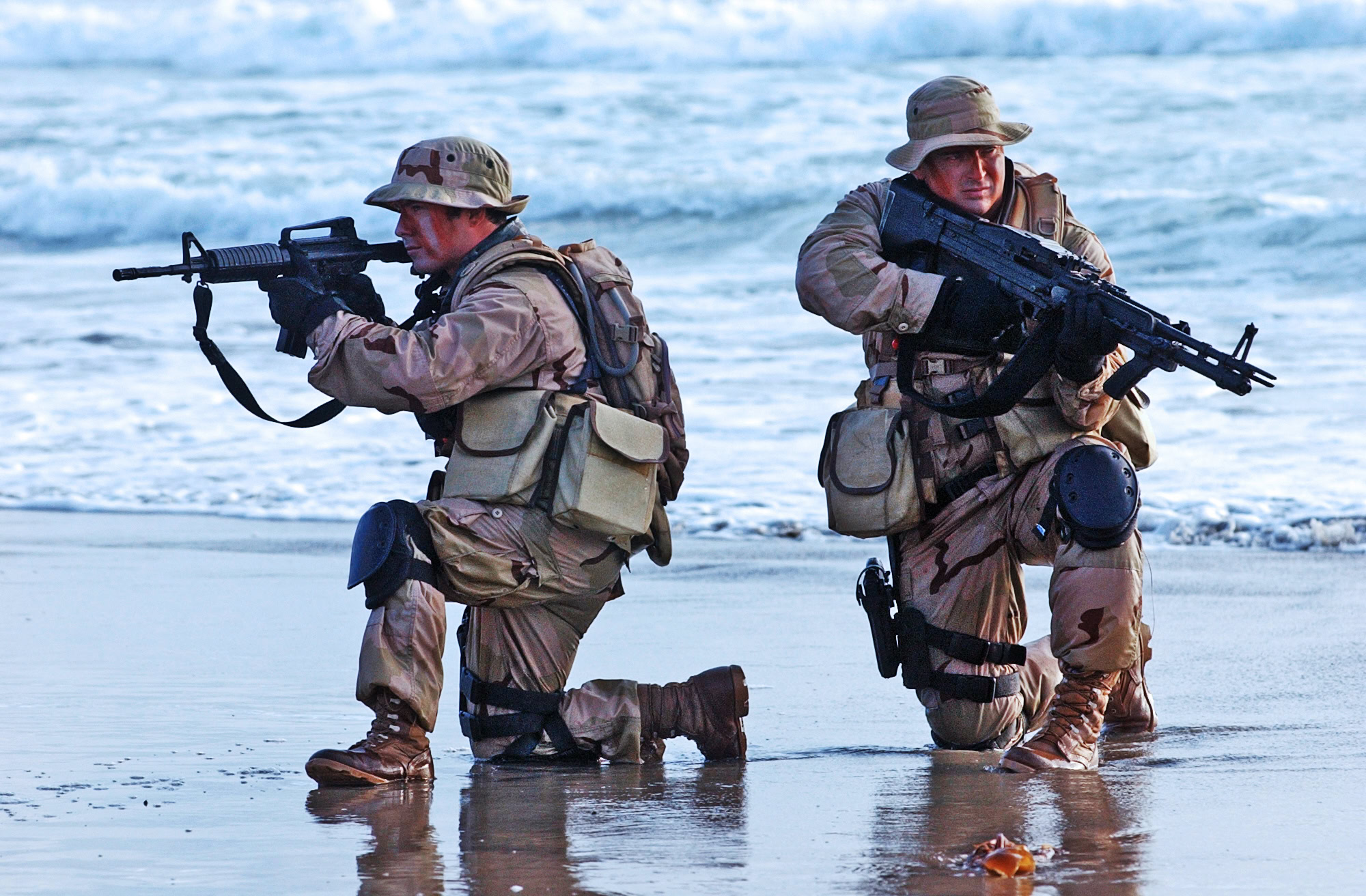
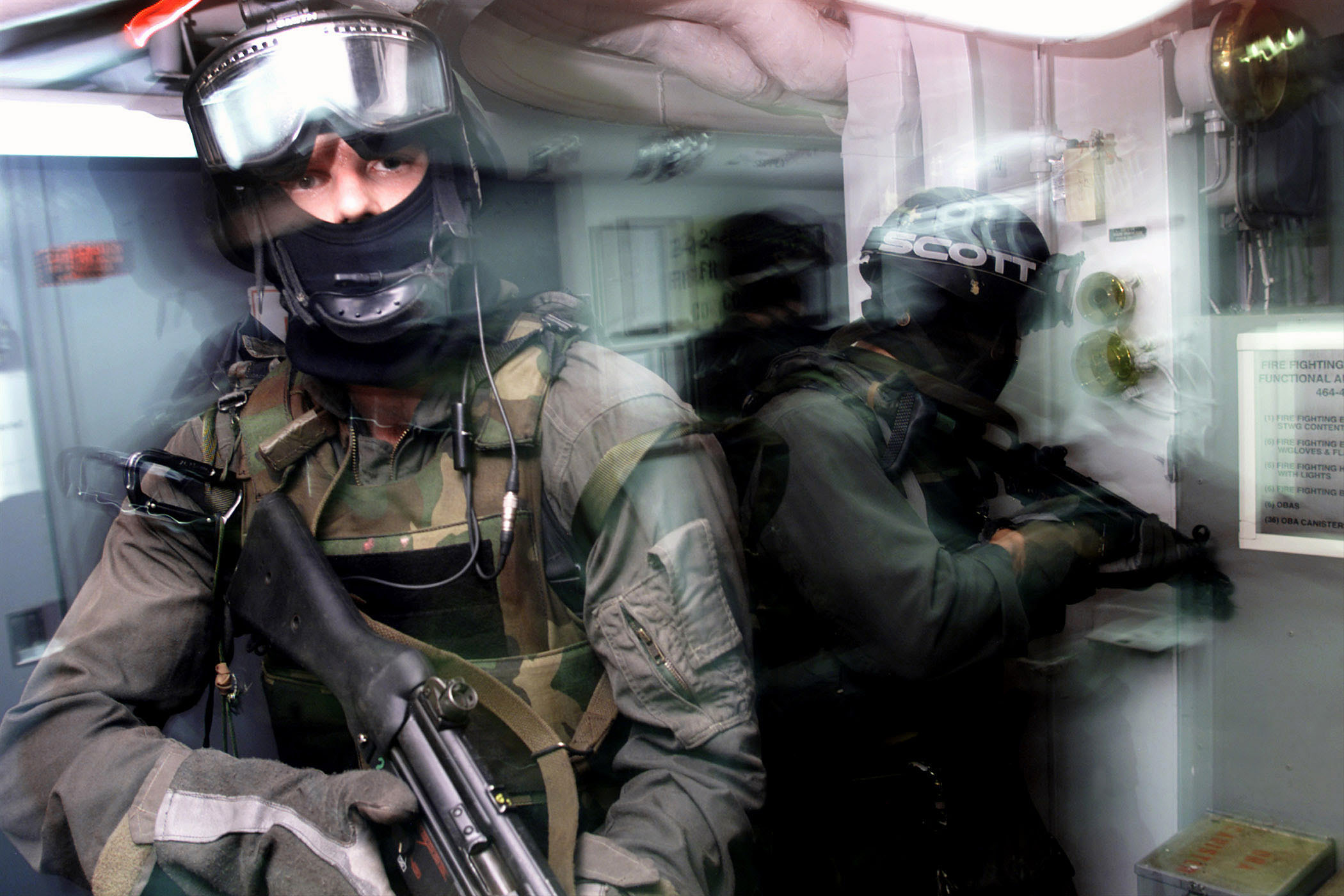
1 month agoThe Firearms That Gave Navy SEALs an Edge in Urban Combat
Navy SEAL firearms for urban combat are specifically selected based on operational experience to provide speed, precision, and reliability in close-quarters environments where reaction time is critical.
US news
fromBusiness Insider
1 month agoThe survival training that kicks in after a US pilot is shot down
Pilot survival training through ejection preparation is critical because improper body positioning during emergency ejection can cause severe injury or death, as demonstrated by a recent friendly-fire incident involving three F-15E Strike Eagles.
from24/7 Wall St.
2 months agoThe Sniper Systems That Performed Better in Combat Than Anyone Predicted
Snipers often discover a weapon's true potential only after it leaves the range and enters combat. Dust, cold, heat, and chaos expose weaknesses, but sometimes they reveal strengths no one planned for. Across multiple wars, certain sniper systems proved tougher, more accurate, and more versatile than expected, allowing operators to push ranges and missions far beyond the original design brief. Here, 24/7 Wall St. is taking a closer look at sniper systems that exceeded expectations in combat.
History
fromIndependent
2 months ago'He thought that if it worked for a fighter pilot, it might work for a football player as well'
In 2017, Bjorn Mannsverk's phone rang. A year before, what was meant to be a special 100th anniversary for Bodo/Glimt ended in heartbreak as the Norwegian club were relegated from the top flight. A fresh approach was needed to get the club back on track. Having been stationed in Bodo before in his role as a fighter pilot with the Royal Norwegian Air Force, Mannsverk was familiar with the town, but not the football club.
Soccer (FIFA)
fromInfoWorld
2 months agoStop treating force multiplication as a side gig. Make it intentional
Lead without authority. You may not have direct reports, yet you shape architecture, quality and the roadmap. Your leverage comes from artifacts, reviews and clear standards, not from title.I started by publishing a lightweight architecture template and a rollout checklist that the team could copy. That reduced ambiguity during design and cut review cycles by nearly 30 percent
DevOps
from24/7 Wall St.
2 months agoWeapons That Performed Well Except For Desert, Jungle, or Arctic Conditions
On paper, many of the world's most famous weapons looked like reliable successes. In practice, desert sand, jungle humidity, and arctic cold often had other ideas. Systems that performed well in testing or early combat sometimes broke down once environmental stress became unavoidable. Here, 24/7 Wall St. is taking a closer look at how the environment, not enemy fire, can quietly expose limits that designers never fully anticipated.
World news
fromLondon Business News | Londonlovesbusiness.com
1 month agoElite British and French paratroopers finish deployment training for Ukraine - London Business News | Londonlovesbusiness.com
Exercise Orion involved around 2,000 personnel from both British and French forces, focusing on rapid deployment, interoperability, and strengthening NATO's readiness against potential threats of insurgency and invasion, demonstrating the strategic importance of these drills.
Miscellaneous
US news
fromBusiness Insider
2 months agoWest Coast Marines want to train 500 new drone pilots a year in a crash course on everything from flying to explosions
Marines run a 15-day drone pilot course training aerial navigation, attack drone operation, and safe explosive payload preparation, aiming to certify 500 operators annually.
fromWIRED
2 months agoICE Pretends It's a Military Force. Its Tactics Would Get Real Soldiers Killed
As a veteran of the war on terror, I have spent the past year watching Immigration and Customs Enforcement officers expand their operations across the country on a heretofore unprecedented scale and with a new faux-military bearing. From equipment to weapons to tactics, ICE and other immigration enforcement bodies want to be seen as combat forces carrying out their missions.
US politics
Gadgets
fromBusiness Insider
1 month agoThe Army's new drone competition is really a talent hunt. It's scouting out what makes a top drone pilot.
The Army uses competitions to identify and select specialized drone operators with specific aptitudes instead of broadly training all soldiers to pilot unmanned aircraft.
fromBusiness Insider
1 month agoThere's a new US Army office 'getting in the dirt' with soldiers and trying to quickly turn their ideas into real battlefield tech
Number one is speed takes priority over perfection. We can iterate to get to operational capability. And the second is that early soldier feedback is critical in order to make sure we're getting the right technology for the future fight, and then we want to be able to prove the demand signal before we spend big dollars on programs.
US news
[ Load more ]