#conde-nast-galleries
#conde-nast-galleries
[ follow ]
#contemporary-art #architecture #art #photography #art-exhibition #marcel-duchamp #new-york-city #art-exhibitions
#architecture


UX design
fromdesignboom | architecture & design magazine
1 day agohow wutopia lab's 'magical realism' turns everyday spaces into ethereal interior atmospheres
Wutopia Lab creates immersive architectural experiences that transform ordinary spaces into imaginative environments, enhancing perception through design elements like light and geometry.
fromArchitectural Digest
5 hours agoActor Patina Miller Brings Major Drama to Her Manhattan Town House
Miller and Mars scoured lower Manhattan and Brooklyn for a brownstone that would meet their needs, but it wasn't until they discovered a gem nestled on a quiet Upper West Side block that they knew they'd found the one.
Renovation
Artificial intelligence
fromwww.theguardian.com
20 hours agoGrayson Perry Has Seen the Future review some of these insights into AI are just mindblowing
Artificial intelligence's impact on relationships and society is explored through personal stories and expert insights in Grayson Perry's documentary.
Photography
fromDesign You Trust - Design Daily Since 2007
21 hours agoFerraris In Offices, Invented Photo History, And Retro Corporate Mythology Define This Viral AI Wall Street Series
The series presents a stylized fantasy of 1990s Wall Street excess, misleadingly framed as a lost photographic archive.
fromdesignboom | architecture & design magazine
20 hours agolook back on olympus perspective playground: a traveling series of room-sized dreamworlds
The Olympus Perspective Playground operates as a fully built system, where walls, lighting rigs, circulation paths, and signage are developed together with each installation, creating a continuous spatial script.
Berlin
fromArchDaily
1 day agoV&A East Museum by O'Donnell + Tuomey to Open in East London's Cultural Quarter
The two-building complex aims to spotlight the many ways global artists, designers, and makers use creativity to shape the world, dedicated to creative opportunity and its power to bring change.
London
fromMpls.St.Paul Magazine
1 week agoDesign Destinations: New York City
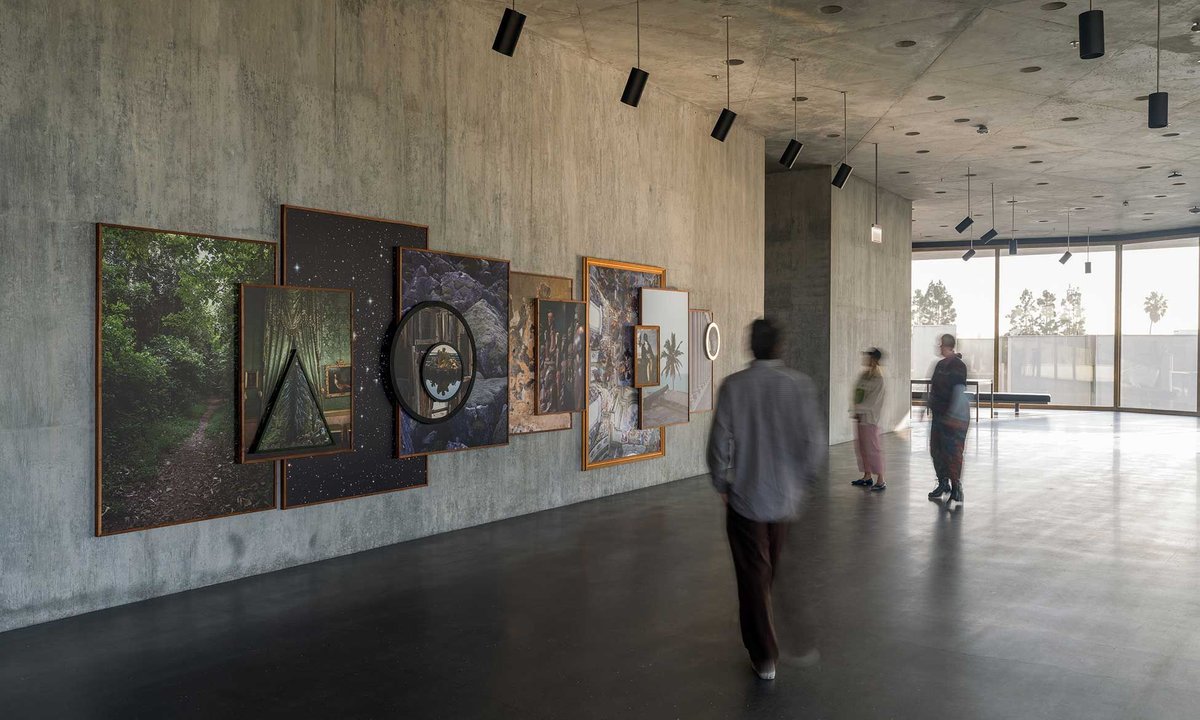
"It's a really special spot. When you start at the top and move down the gently sloped ramp, you almost feel like a marble tumbling down, looking at art as you roll by. The slight slant plays with your sense of perspective and grounding."
NYC food

Berlin
fromThe Art Newspaper - International art news and events
6 days agoIs Dubai's loss Palma's gain? Newly revived Mallorca fair offers 'sun, sand and safety' for wealthy Germans
Art Cologne Palma Mallorca showcases a diverse international art scene, emphasizing cultural tourism and local government support for the arts.
fromianVisits
3 days agoLondon's Alleys: Yarmouth Place, Mayfair, W1
Originally known as Sneads Court on John Rocque's map of London in 1746, the area was wider and more of a courtyard than an alley. Over time, it was renamed Hertford Place and later Yarmouth Mews as the neighborhood evolved into larger hotels and grand houses.
London food

fromArtnet News
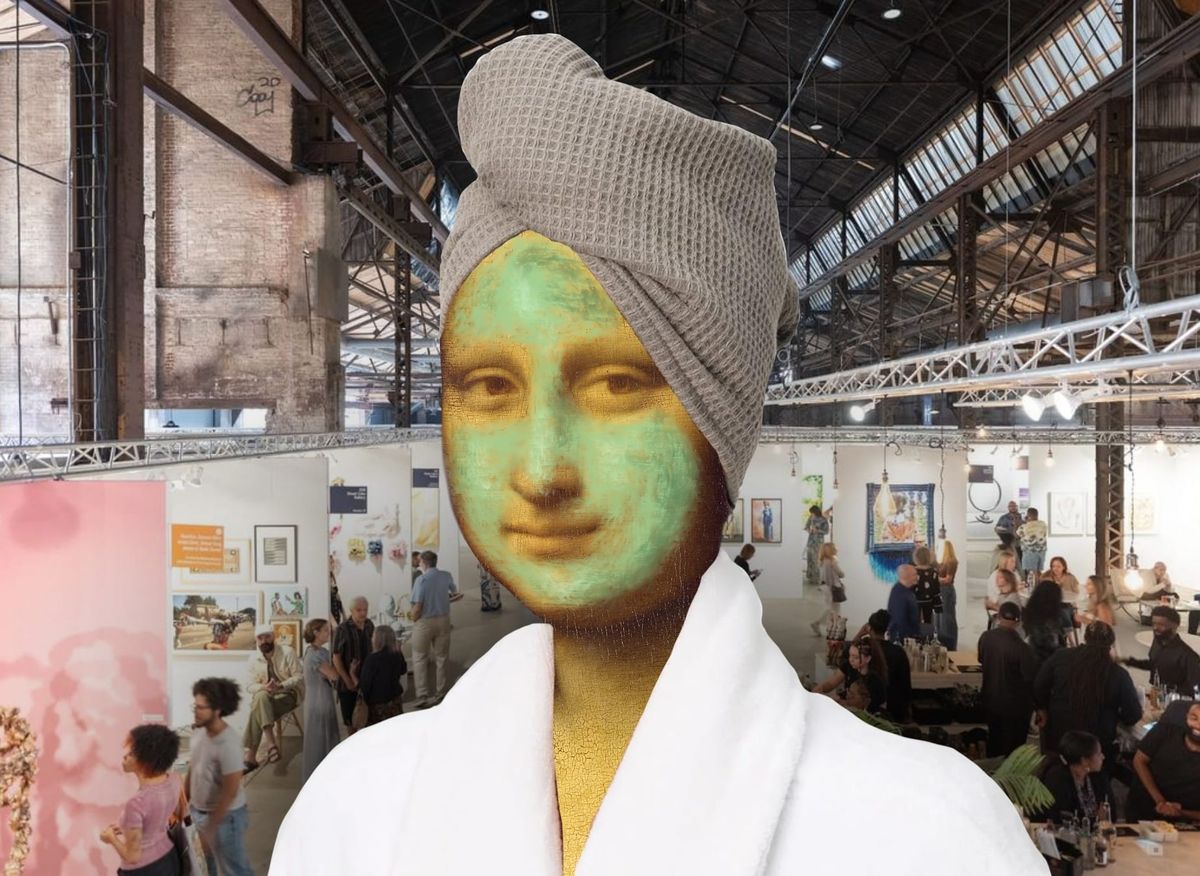
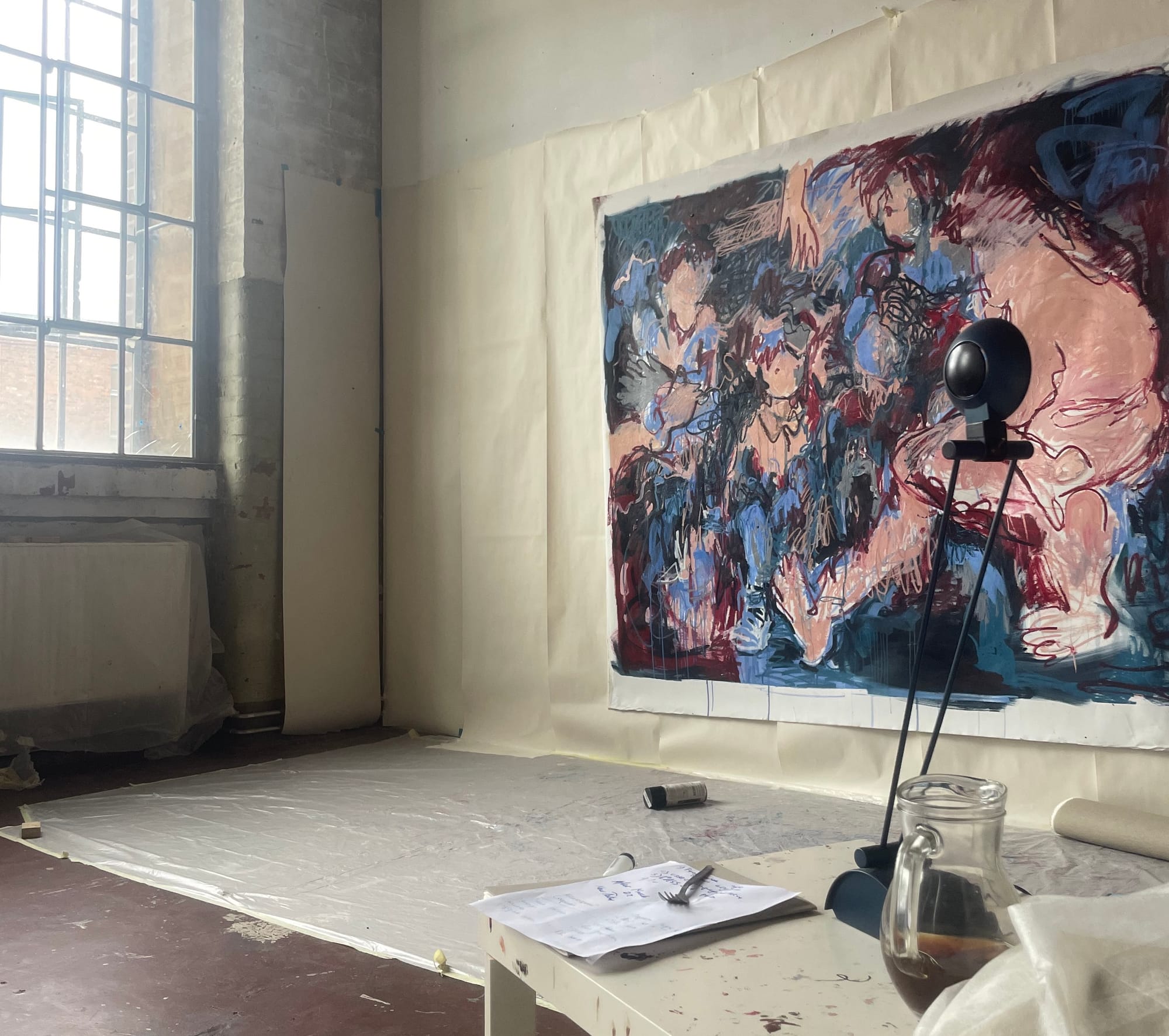
1 day agoPainting Has Entered Its Performance Era | Artnet News
Much of Instagram's video content is organized around transformation-the virtual magic of the before-and-after and clips that show cause and effect. A person makes pasta from scratch in 20 seconds via edits that compress time-intensive labor.
Arts

Arts
fromThe Art Newspaper - International art news and events
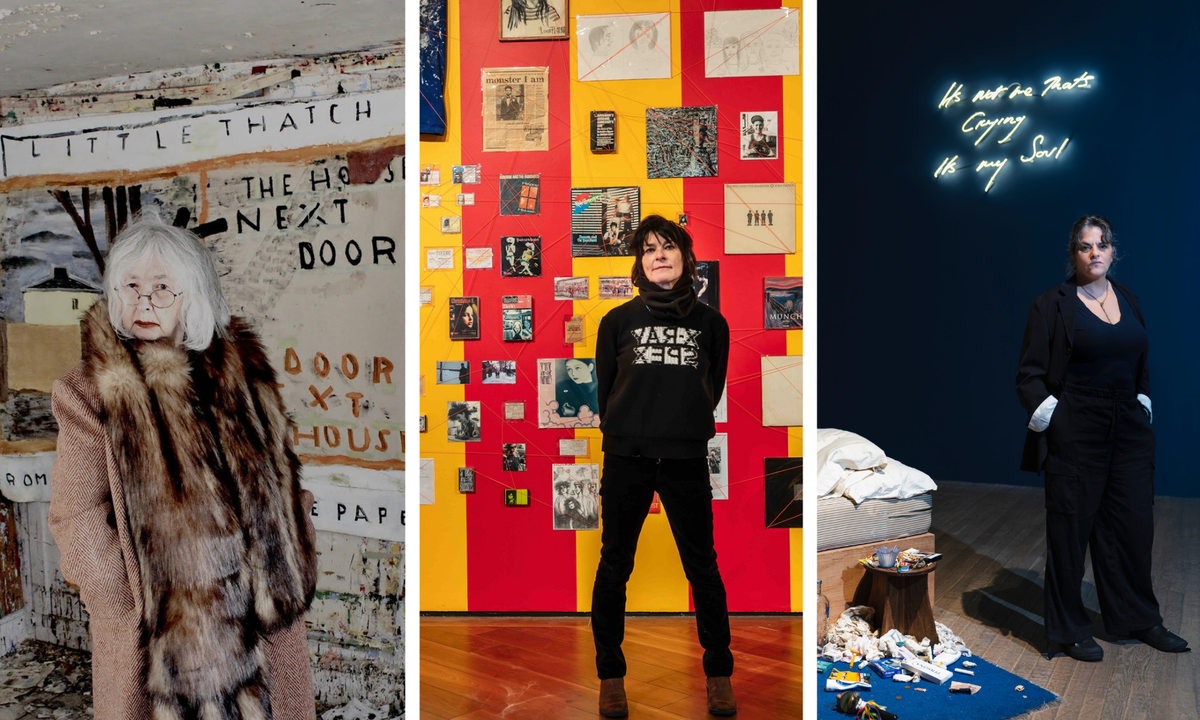
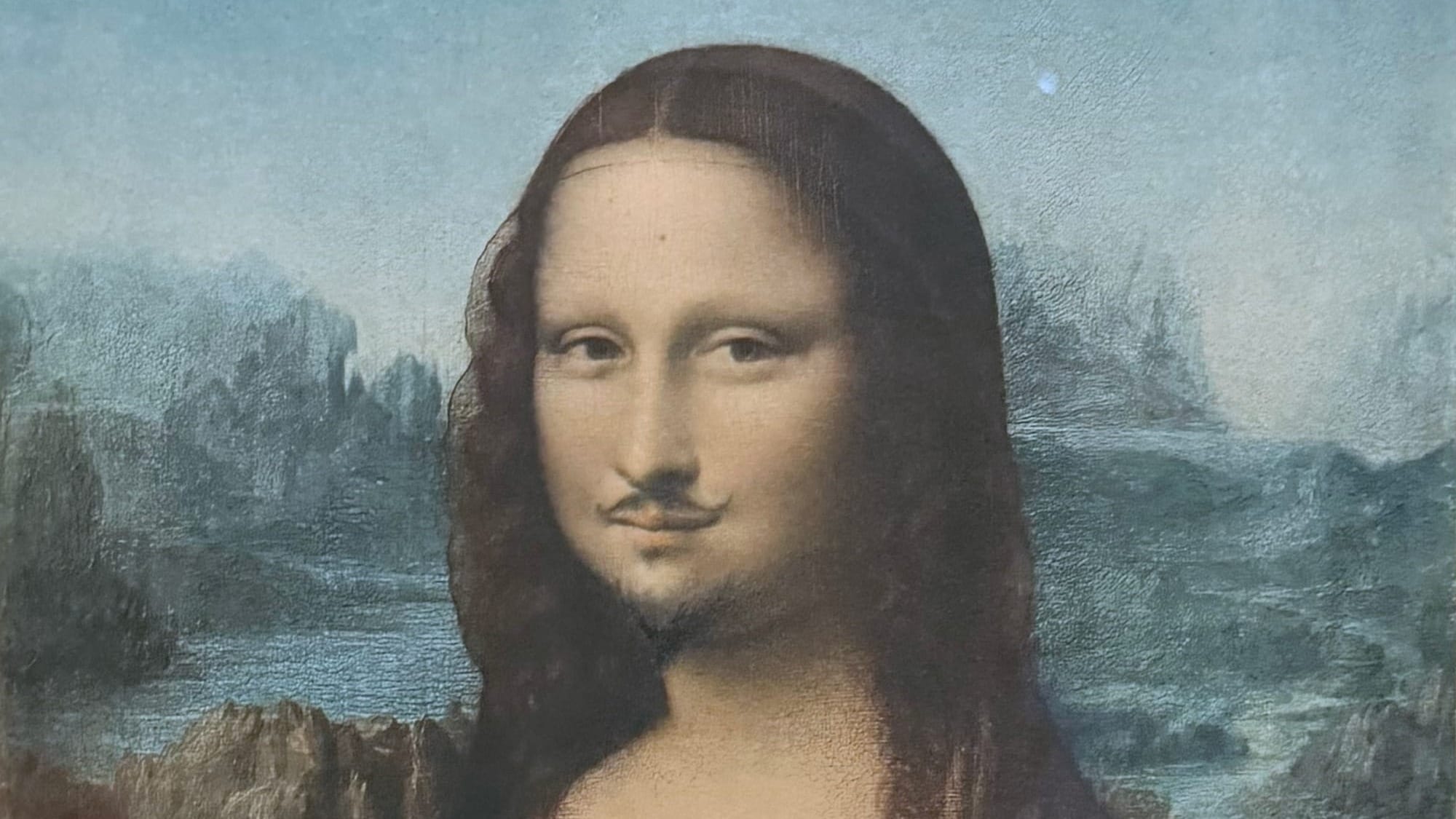
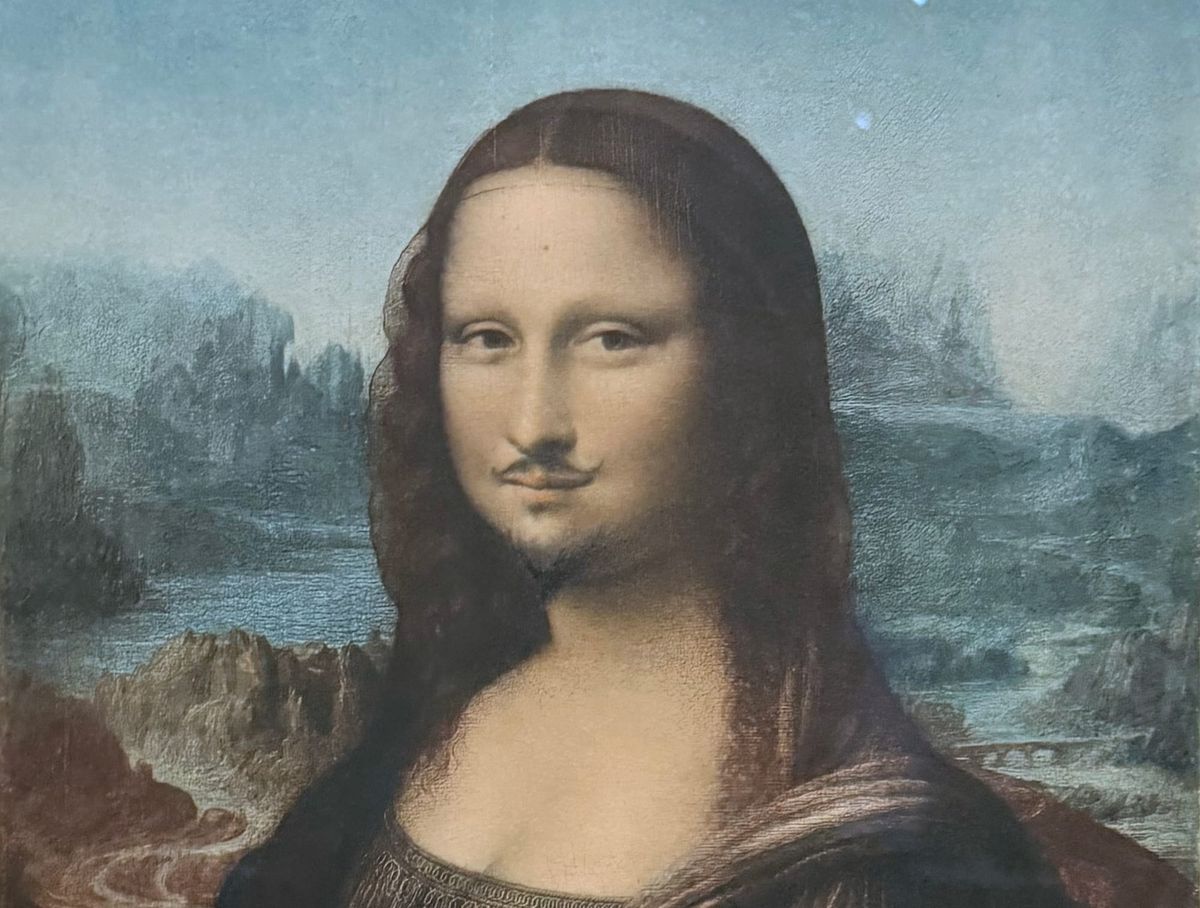
6 days agoMarcel Duchamp at MoMA, Dorothea Tanning book, Leonora Carrington at the Freud Museum, London-podcast
Three artists connected to Surrealism are highlighted, including exhibitions and publications about Marcel Duchamp, Dorothea Tanning, and Leonora Carrington.
fromwww.theguardian.com
6 days agoSmithsonian museum director to move to Guggenheim: a moment of change'
Chiu insisted that her departure is not related to Donald Trump's efforts to interfere with the Smithsonian. 'Not at all,' Chiu told the Guardian. 'The Guggenheim is an extraordinary institution. It is one of the major museums in our field. It was never part of my decision-making process.'
Arts
fromHyperallergic
2 weeks agoThe Art World Is a Joke
Kamrooz Aram is everywhere this year, from Mumbai Art Week to the Whitney Biennial, and critic Aruna D'Souza is grateful. She pens a beautiful meditation on his work, reading his abstract paintings as not simply a denunciation of Western modernism nor a reassertion of Islamic visual motifs, but something else entirely - something gestural, exuberant, riotous, and incomparably his own.
Arts
fromHyperallergic
4 weeks agoWhat Do We Really Think of the New New Museum?
The new New Museum is many things: contemporary, perhaps, but also a science, history, anthropology, and many other museums in one. It echoes the desire of its patron class to own the world and its affiliated courtier class to deliver it to them on a silver platter, or encased in perforated metal, in this case.
Arts
fromHyperallergic
1 month agoArt Problems: How Do I Get Gallery Representation?
Dealers like artists with established sales records because it lowers their already considerable financial exposure. Renting a gallery space in Tribeca costs anywhere between $8,000-30,000 a month on top of staff, marketing, and daily operations. With that kind of overhead, very few business owners can afford to take on the financial risk of untested artists.
Arts
fromHyperallergic
1 month agoEmbracing Friction in the Art World
On Franklin Street in Brooklyn's Greenpoint neighborhood, one non-commercial gallery fosters 'a small, stubbornly human space for friction.' Friction—the ubiquitous buzzword that captures the simultaneous delight and discomfort of doing things the slow way—is at the heart of artists Pap Souleye Fall and Char Jeré's current show at Subtitled NYC. It also reflects the overall spirit of this little exhibition space and of a burgeoning movement to reject our culture of optimization in favor of a bumpier, more intimate, less alienating experience.
Arts
[ Load more ]