#constitutional-policing
#constitutional-policing
[ follow ]
#surveillance #nypd #fisa #section-702 #ice #national-security #fourth-amendment #privacy #police-violence #brooklyn
#fisa


Privacy professionals
fromTechCrunch
1 day agoWith US spy laws set to expire, lawmakers are split over protecting Americans from warrantless surveillance | TechCrunch
Section 702 of FISA, allowing warrantless surveillance, is set to expire, with lawmakers divided on extending it without changes to protect privacy rights.


Privacy technologies
fromAbove the Law
1 day ago438 Experts Said Age Verification Is Dangerous. Legislators Are Moving Forward With It Anyway. - Above the Law
Age verification mandates for the internet are technically flawed, threaten privacy, and may cause more harm than good, according to 438 researchers from 32 countries.





#new-york
Non-profit organizations
fromwww.amny.com
2 days agoNY Inspector General says she's working to bring the public into government integrity as Trump erodes public trust | amNewYork
The New York inspector general's office aims to enhance public trust through transparency and integrity in government operations.


fromPadailypost
1 week agoNew police chief likes being the good guy
Reifschneider said he tries to think about a moment when he helped someone, even if it's something mundane like pulling up behind a driver who ran out of gas. He's encouraged his fellow police officers to also reflect on a good deed.
Mission District
fromSlate Magazine
3 days agoThe Supreme Court Has a Chance to Revolutionize Its Approach to the Law
In Louisiana v. Callais, the justices will rule on an incredibly important voting rights case about race and redistricting that conservatives hope will significantly undermine the Voting Rights Act.
Social justice



fromKqed
2 weeks agoCourt Orders California Sheriff to Release Personnel Records in Watchdog Investigation | KQED
The Sonoma County Sheriff's Office must comply with subpoenas issued by the county's civilian oversight board as part of a whistleblower investigation into alleged misconduct, a state appeals court ruled Thursday.
California
US politics
fromwww.theguardian.com
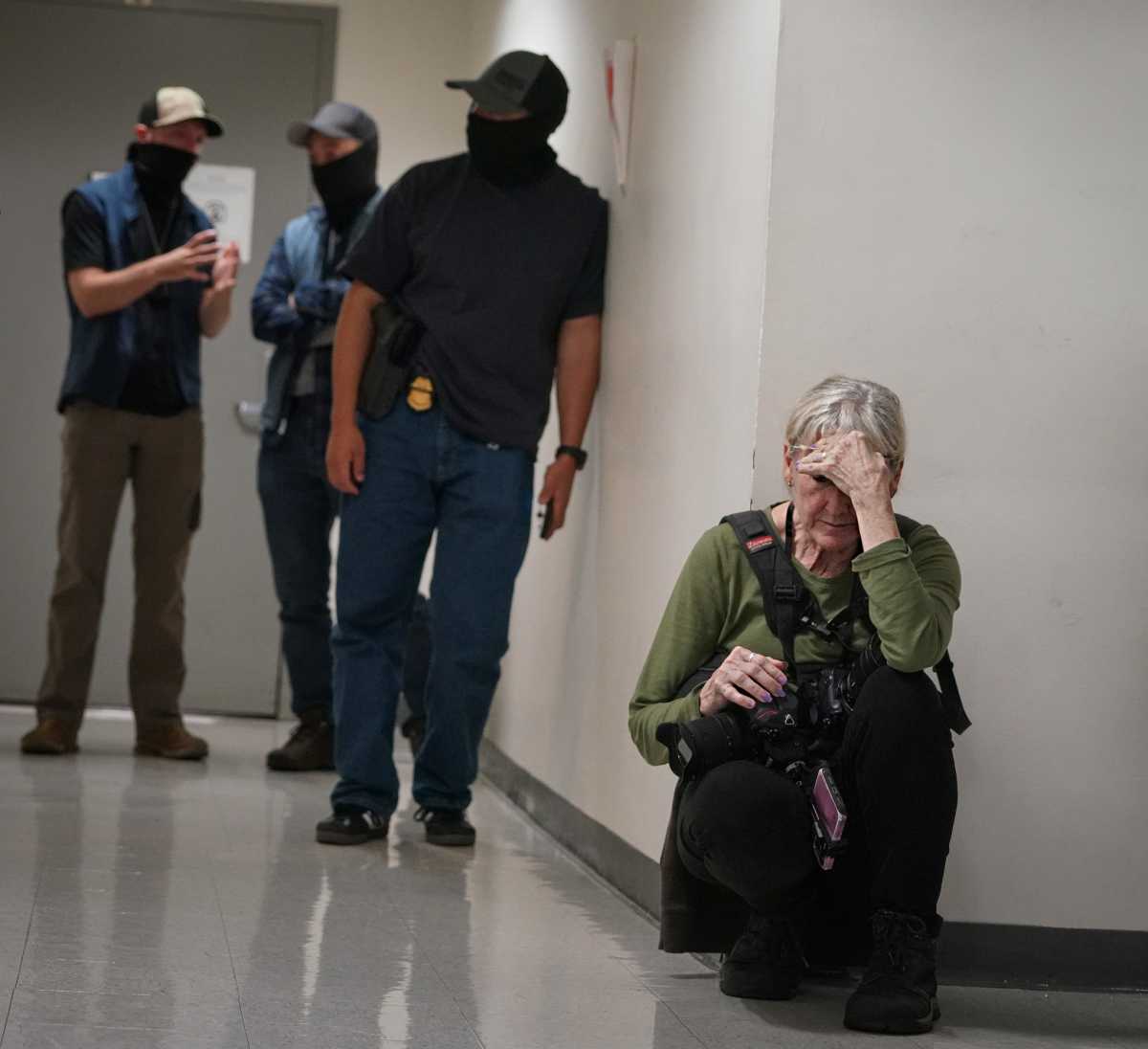
2 days agoA journalist filmed an ICE protest at a Minnesota church. Then federal agents showed up at her door
Journalist Georgia Fort livestreamed her arrest, highlighting concerns over press freedom and constitutional rights amid charges related to covering a protest.
Law
fromAbove the Law
1 month agoThe Rule Of Law Joins America's Dead Pets On The Rainbow Bridge - Above the Law
Trump attorney John Lauro claimed the DOJ improved under Attorney General Pam Bondi, contradicting legal observers who view current conditions as a constitutional crisis threatening prosecutorial independence.
fromThe American Conservative
1 month agoThey're Watching You
Private detection and spying on people was only a cottage industry by comparison with what it is today, when everything happens, if not in the glare of publicity exactly, at least within the purview of electronic surveillance of one kind or another. Surveillance is to us what electricity was to James Thurber's aunt, that is to say leaking all over the house.
Right-wing politics
Information security
fromEmptywheel
2 months agoI Con the Record Admits All This Spying Also Serves Counterintelligence
The Intelligence Community uses online anonymity and networking tools to collect foreign intelligence, including counterintelligence and cybersecurity, while asserting legal limits on targeting US citizens.


fromEmptywheel
2 months agoWarrants for Innocent People Are Not Like Warrants for Suspects
As you know, Section 215 authorities are not interpreted in the same way that grand jury subpoena authorities are, and we are concerned that when Justice Department officials suggest that the two authorities are 'analogous' they provide the public with a false understanding of how surveillance is interpreted in practice.
fromwww.mediaite.com
2 months agoAmericans Should be Terrified': Senate Dem Sounds the Alarm On ICE Breaking Down Doors' Without Warrants
And we just got this new information overnight. The Associated Press was the first to report that ICE is changing its policy. And it is now allowing its agents to forcibly enter homes without a warrant, and I just want to be clear, based solely on a more narrow administrative warrant to arrest someone on a final order of removal. Do you think this sharp turn from ICE's policy and from normal policing tactics is a violation of the Constitution's Fourth Amendment?
US politics
[ Load more ]