#cooling-efficiency
#cooling-efficiency
[ follow ]


fromwww.theguardian.com
4 days agoHouseplant hacks: can a fan help plants repel pests?
Stagnant indoor air is one of the less discussed reasons houseplants struggle. Fungal spots, mould on the compost surface and pest infestations like mealybugs can all be traced back to a room with no airflow.
Renovation
#energy-efficiency
Remodel
fromEarth911
1 month agoGuest Idea: Map Appliance Power to Identify and Tame Your Home's Top Electricity Consumers
Appliance power mapping identifies individual device energy consumption, revealing phantom loads and inefficiencies that waste up to $183 annually per household through targeted, low-cost solutions.


Remodel
fromEarth911
1 month agoGuest Idea: Map Appliance Power to Identify and Tame Your Home's Top Electricity Consumers
Appliance power mapping identifies individual device energy consumption, revealing phantom loads and inefficiencies that waste up to $183 annually per household through targeted, low-cost solutions.


Gadgets
fromLondon Business News | Londonlovesbusiness.com
5 days agoUnderstanding the impact of smart technology on household energy consumption - London Business News | Londonlovesbusiness.com
Smart home technology requires user action and guidance to effectively reduce energy bills, rather than relying solely on devices for savings.



fromArchDaily
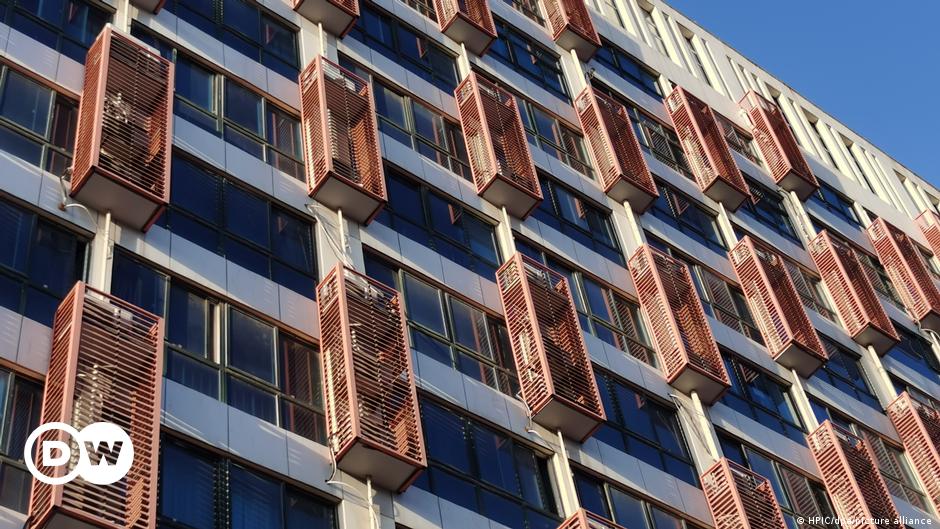
1 week agoHow Terraco Enhances Thermal Efficiency and Facade Longevity in Prefabricated Buildings
Offsite construction has delivered measurable environmental gains, with a peer-reviewed study showing an average reduction of 78.8% in construction waste compared to conventional methods. Under controlled factory conditions, reductions can reach up to 90%, highlighting significant improvements in sustainability.
Environment

#ai-infrastructure
Environment
fromFortune
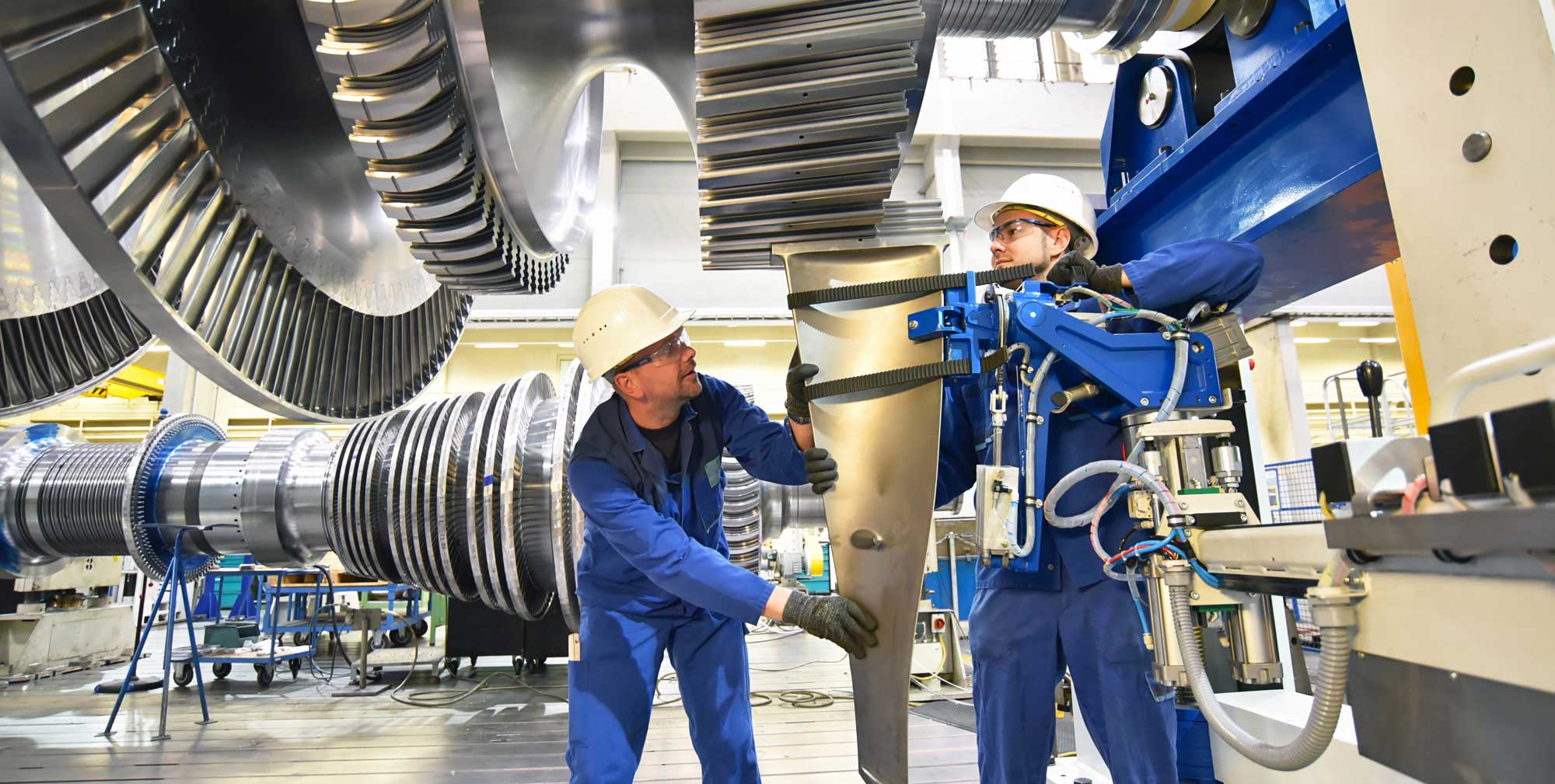
2 weeks agoData centers are so hot, their 'heat island' effect is raising temperatures up to 6 miles away and impacting 343 million people worldwide, study finds | Fortune
AI infrastructure is creating a 'data heat island effect' that raises local temperatures and impacts millions of people.

fromBusiness Matters
1 month agoIndoor air quality is becoming a business priority
MVHR (Mechanical Ventilation with Heat Recovery) systems are designed to continuously replace stale indoor air with fresh outdoor air while recovering heat that would otherwise be lost. In commercial and residential buildings, this technology provides several important advantages. First, it allows buildings to remain energy efficient without sacrificing airflow.
Real estate
fromLondon Business News | Londonlovesbusiness.com
1 month agoHow to maintain efficient heat recovery ventilation in modern commercial spaces - London Business News | Londonlovesbusiness.com
Checking your equipment once a month helps catch small issues before they turn into expensive repairs. A routine keeps everything running smoothly and extends the life of the hardware. Managers should create a simple checklist for their maintenance staff to follow.
Business
Renovation
fromYanko Design - Modern Industrial Design News
1 month ago5 Greenhouse-Based Designs That Use 90% Less Water Than Yours - Yanko Design
Integrated greenhouse systems transform homes into self-sustaining structures that merge architecture with food production, reducing resource dependence and enhancing energy efficiency.
fromSustainable Bus
1 month agoKonvekta to present CO-based thermal management systems for electric buses at mobility move 2026 - Sustainable Bus
Heating, cooling, and battery temperature control are among the biggest energy consumers in electric buses today - and thus have a direct impact on range, availability, and operating costs.
Alternative transportation
fromComputerWeekly.com
3 weeks agoWhy IT leaders need to consider AI's energy footprint | Computer Weekly
We are making sure that we have renewable energy powering all of our datacentre footprint. We have 100% renewable power today that is powering all of Azure, and we're very proud to build that base and essentially stimulate renewable energy around the world and in the UK.
Environment
fromArchDaily
2 months agoWhen Light Meets Energy in Glass Ceilings
From the large industrial roofs and galleries of the 19th century to the contemporary atriums of museums and public buildings, glass has been a recurring material in shaping large and monumental interior spaces. More than a technological or engineering solution, these horizontal glazed planes introduce a distinct luminous quality: light that comes from above. Unlike lateral daylight entering through façades, zenithal light is more evenly distributed, reduces harsh shadows, and lends spaces a sense of continuity and openness that is difficult to achieve otherwise.
Design




fromArchDaily
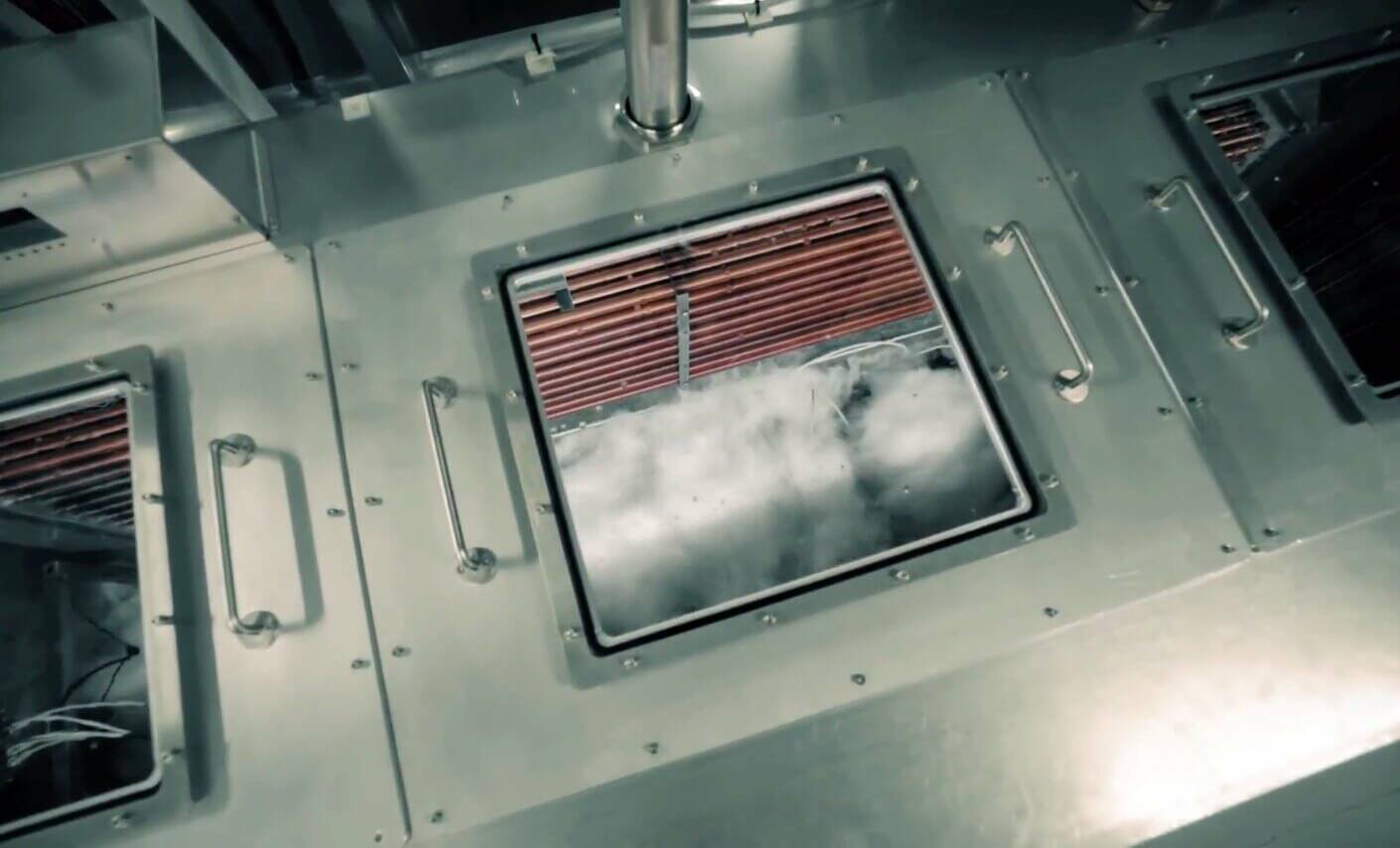
1 month agoThermal Memory: How Climate Shapes Architectural Heritage
Heritage is usually catalogued by what can be drawn, not by what changed temperature. In heat, buildings are learned first through skin, only later through sight. Generations learn, through their bodies, what works. Shade reduces glare and radiant heat. Air movement shifts perception by several degrees. Thick walls slow temperature swings.
Miscellaneous
Design
fromYanko Design - Modern Industrial Design News
2 months agoWhy This Air Conditioner Filter Took Design Cues from Your Toolbox - Yanko Design
Snapcool reimagines AC filter maintenance with a tape-measure-inspired sliding filter, making cleaning effortless, visible via an orange compartment, and visually appealing.
Business
from24/7 Wall St.
3 months ago3 Stocks Are Betting on Data Center Cooling. Here's Who's Best Positioned.
AI-driven server density and powerful GPUs create severe cooling needs, positioning data-center cooling suppliers, especially Modine, to benefit from hyperscaler infrastructure investments.
Design
fromYanko Design - Modern Industrial Design News
1 month agoA Swiss Designer Just Replaced Your HVAC System With a 500-Year-Old Pot - Yanko Design
Ancient terracotta-based heating and cooling systems offer a unified, energy-efficient alternative to modern split infrastructure by leveraging centuries-old physics of thermal absorption and evaporative cooling.
Renovation
fromArchDaily
1 month agoUnderstanding U-Value: The Foundation of Energy-Efficient Envelopes
Building envelope thermal transmittance (U-value) is the fundamental metric determining energy efficiency, calculated by dividing heat flow by surface area and temperature difference to assess insulation performance.
Gadgets
fromYanko Design - Modern Industrial Design News
1 month agoA Water Heater That Doubles as a Data Center - and Cuts Your Energy Bill - Yanko Design
Superheat H1 replaces traditional heating elements with processors that simultaneously compute and heat water, using a single electricity input twice to reduce hot water energy consumption by up to 80 percent.
fromSilicon Canals
2 months agoWhy your house is dustier than your neighbor's and the airflow mistake causing it - Silicon Canals
I was that person who only changed their HVAC filter when it looked like it had grown its own ecosystem. Richie Drew, Vice President of Operations at One Hour Heating & Air Conditioning, puts it bluntly: "Dirty filters can reduce airflow, increase dust in your home and strain your heating system." Think about it this way: your HVAC filter is like the bouncer at an exclusive club, except instead of keeping out people without the right shoes, it's blocking dust particles from circulating through your home.
Remodel
fromZDNET
3 months agoThese unassuming devices promised to lower my electricity bills - only this one was legit
They do nothing to save you power Scam "power saving" devices are rampant online. These devices plug into an outlet and promise to "improve the use of energy," "extend the life of electrical equipment," and even "avoid illegal electrical waste." Sounds great, right? Also: This USB power meter I tested is shockingly accurate - especially for how cheap it is Well, despite the bold claims and the sticker on the front of the unit, they are too good to be true.
Gadgets
#heat-pump-technology
Environment
fromwww.dw.com
1 month agoDo heat pumps work in cold weather?
Heat pumps function effectively in extreme cold temperatures, with refrigerants operating below minus 40°C and air-source models working reliably at minus 25°C, making them viable alternatives to fossil fuel heating systems even in harsh climates.
fromWIRED
2 months agoI Love My Dehumidifier and Will Never Go Back to the Damp
You should buy a dehumidifier. It will almost certainly improve your home environment. Pulling moisture from the air helps banish condensation and mold, making it cheaper and easier to regulate the temperature in your house or apartment. There's a reason the chatter about dehumidifiers has grown so loud and sales are soaring; it's because they work. Whether you've seen a persuasive Reddit thread, a life hack on TikTok, or an expert guide to the best dehumidifiers, the hype is real.
Environment
fromBest Products
2 months agoOur Favorite Humidifiers to Turn Your Home Office Into the Best Remote Destination
The purpose of a humidifier is to increase and regulate the indoor air's moisture level. How this works is different depending on the season and temperature both inside and outside. Overall, though, a humidifier helps maintain a comfortable, healthy, and optimal humidity range of 30 to 50%. To create this environment, most humidifiers use water vapor or steam to help combat dryness caused by heating systems or harsh climates (which often happen indoors during winter).
Environment
[ Load more ]