#cycling-maintenance
#cycling-maintenance
[ follow ]
#cycling #e-bikes #mountain-biking #32-inch-wheels #biking #gravel-bikes #safety #cycling-safety #innovation


fromBikerumor
4 days agoPanaracer's New GravelKing ZX is a Semi-Slick Gravel Tire Blending Speed & Grip: First Rides
The all-new Panaracer Gravel King ZX tire was built to maximize speed for intense gravel racing, developed to go as fast as possible on the straights with essentially the low-rolling resistance of a road slick.
Bicycling

fromTheoldguybicycleblog
2 months agoWhy I Choose Budget Cycling Gloves Over Expensive Ones (After 155,000+ Miles)
Why Cycling Gloves Wear Out So Fast The palm of your glove absorbs: Constant road vibration Brake pressure and grip force Sweat and salt Friction against bar tape Impact in the event of a fall That contact area gets worked every single mile. Helmets last years. Shoes last seasons. Bib shorts rotate. Gloves? If you ride consistently, one year is normal.
Gadgets
fromBikerumor
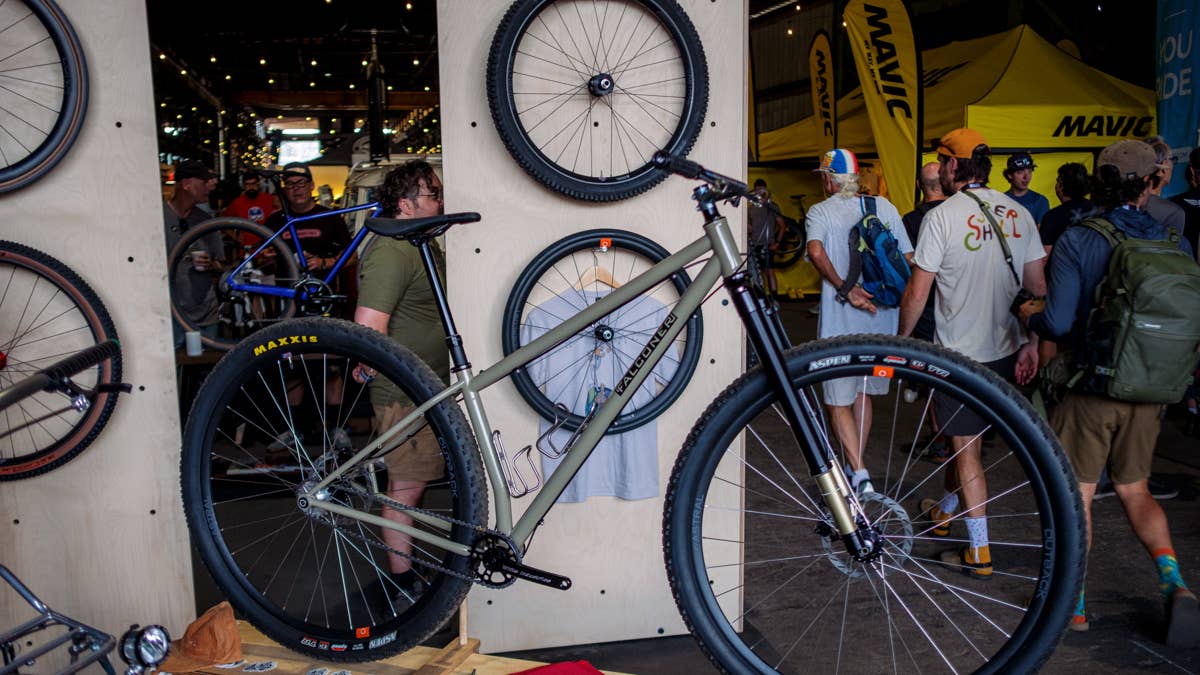
3 weeks agoTaipei Unofficially Confirms It: 32" Tires Are Here for XC, Trail, Gravel & Entry-Level Bikes
The 32" tire started with a simple concept. Can it make top level XC racers faster in a real race situation? Our short tests have been pretty inconclusive. From what we've heard, it feels a tiny bit slower, yet it is incrementally quicker. That's great for an elite racer, but less so for my relatively slow rides.
Bicycling
Bicycling
fromBikerumor
1 month agoPortland Design Works Joins the Mini Electric Pump Game with New Essentials Electric Pump
Portland Design Works' Essentials Electric Pump offers customizable pressure presets for different bike types, USB-C charging, and inflates 3-6 tires per charge at 105dB noise level.
fromBikerumor
1 month agoMuc-Off Expands Lubrication Portfolio with New Dark Energy Chain Wax
Developed for road, gravel, and MTB, Dark Energy is the outcome of four years of dedicated research and development both inside the unique Muc-Off R&D Lab and also working closely with pro-team riders and performance staff. Over that period, more than 90 formulations were created and tested through a structured loop of rigorous screening, consisting of over 8,500 hours of dynamometer and tribometer testing and over 100,000km of real-world testing.
Bicycling
fromBikerumor
1 month agoHow To Travel With (and Prep) Your Bike with Ben Delaney, Mike Wilson & Macky Franklin
Start with the tires and chain. Is your chain cleaned and lubed? Is the sealant in your tubeless tires good to go? If not, refresh both. Pop your bike in a stand like the Feedback Sports Pro Mechanic or Sport Mechanic 2.0, confirming that it's shifting correctly and brakes are functioning properly before embarking on any significant cycling journey.
Bicycling
Bicycling
fromBikerumor
1 month agoLOOK X-One-G Pedal Review: Blending Road Pedal Efficiency & Weight w/ MTB Cleats
LOOK's X-One-G gravel pedal combines road pedal efficiency with off-road durability, featuring a wider platform and single-sided SPD-compatible design optimized for race-focused gravel riding.
fromBikerumor
1 month agoShifting Gear: Wheels Mfg Jewels, PDW's Otter-shaped Cage, Silca Wax Magic & More!
The beauty of chainrings is that they wear out, generally after a few seasons depending on how you ride, which means they are a perfect opportunity to give your old bike some new bling. At $75 a pop, they aren't exactly cheap. But the precision of these machined-in-Colorado 7075 chainrings is on point, and Wheels Mfg has a long record of making solid, long-lasting components.
Bicycling
fromTheoldguybicycleblog
2 months agoWhen a Bicycle Tour Ends Before It Begins - And How I Still Finished the Year Strong
I had trained for a full year to complete a self-supported bicycle tour from San Diego to Las Cruces, New Mexico. It was meant to be the next-to-last chapter in my coast-to-coast cycling journey - one more long stretch of road before the final piece fell into place. Thirty-four miles into the ride, it was over. A microfiber towel caught in my derailleur. A fluke. One of those things you never plan for and still struggle to explain afterward.
Bicycling
fromTheoldguybicycleblog
1 month agoTraining for 7 Days of Bicycle Touring at 70 (My Double-Day Method)
Quick Take: For this post, stacking means two rides in one day-morning and evening-so I practice riding when I'm not perfectly fresh. It prepares me for 7 straight days of touring without destroying myself in training. I'm training for a 7-day, 470-mile Mississippi River tour where the real test isn't day one-it's day five. By then your legs have opinions, your energy fluctuates, and your mind starts negotiating.
Bicycling
fromBikerumor
2 months agoShifting Gear: Affordable Wireless Shifting, Shoes, Lights, and More Fresh Products
Try as we might, it's not always easy to keep up with it all, and sometimes, it can be a challenge to give everything the attention it deserves. In our new Shifting Gear series (see what we did there?), we'll be highlighting products that have just arrived, we're excited to try out, or that we're particularly stoked to tell you about but haven't had a chance to review yet.
Bicycling
fromBikerumor
2 months agoRimpact Components Slashes Chain Damper's Price While Adding Two Tuning Options
Rimpact's Chain Damper was launched in 2024, and since then, interest in drivetrain feedback mitigation seems to be gaining momentum. The fact that current World Cup DH ruler Jackson Goldstone uses a similar device on his bike has likely caused quite a spike in interest. On their part, Rimpact supported 15 World Cup DH Teams through last season, and they're expecting that number to grow this year.
Bicycling
Bicycling
fromBikerumor
1 month agoTesting the New Teravail Feldspar Carbon Drop Bar, Stratum Carbon Post & Radia Bar Tape
Teravail's Feldspar Carbon Drop Bar offers gravel-specific performance with multi-stage flare and reinforced clamping zones, though its lack of back sweep may not suit all riders' preferences.
[ Load more ]