Public health
fromTruthout
13 hours agoNew Federal Data Reveals 1 in 3 US Households Struggle to Afford Energy Bills
Energy insecurity affects millions of American households, worsening rapidly and forcing difficult trade-offs to meet energy needs.
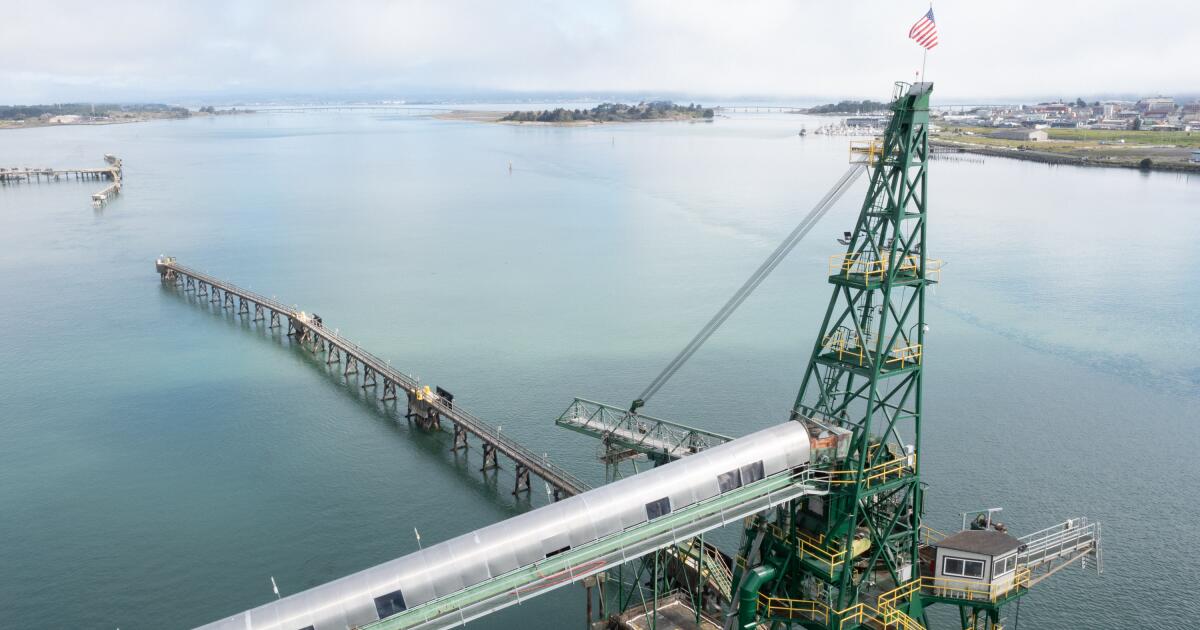
Shipping costs have increased by more than 10 percent in the past month due to the US-Israel war on Iran. The 60-day waiver for the Jones Act aimed to lower energy costs but has had little impact on oil prices, which continue to rise amid the ongoing conflict.
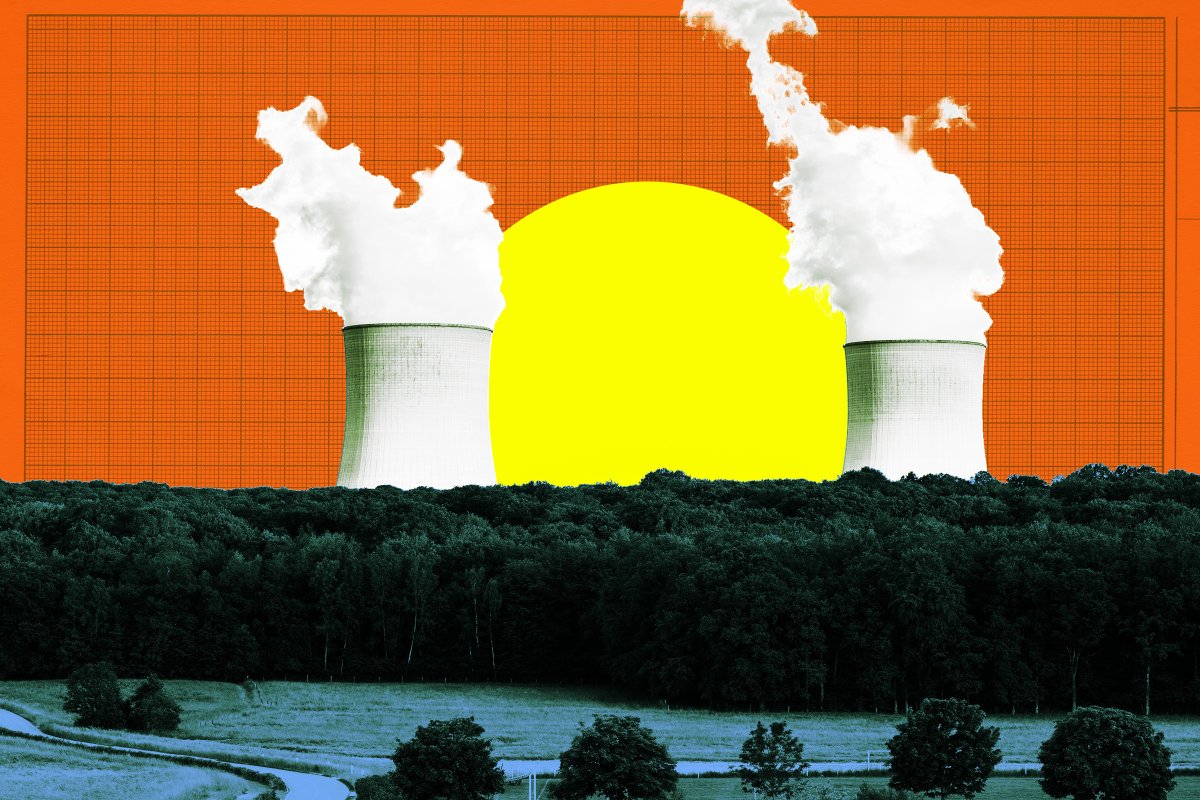
The DOE issued a Request for Information (RFI) on Wednesday, seeking responses from states that may be interested in hosting the campuses, which will operate a "full‑cycle nuclear ecosystem." In practice, this means these sites will be expected to provide facilities for atomic waste reprocessing and disposal, in addition to fuel fabrication and enrichment. They may also serve as locations for nuclear reactors and co‑located datacenters powered by them.
For over 15 years, the EFRC program has provided a transformational research environment that has brought together the strengths of our National Laboratories and universities to accelerate discovery, develop innovative tools, and train the next generation of the American energy science workforce. The EFRCs will continue to play a vital role in bridging disciplines and institutions, advancing foundational science and strengthening America's leadership to push forward scientific frontiers critical for new energy technologies.
"If we're worried about ratepayers paying data-center energy costs, then knowing how much energy data centers are using is a necessary part of that calculation. It's not the only piece of information you need, but it certainly is a piece of the puzzle."
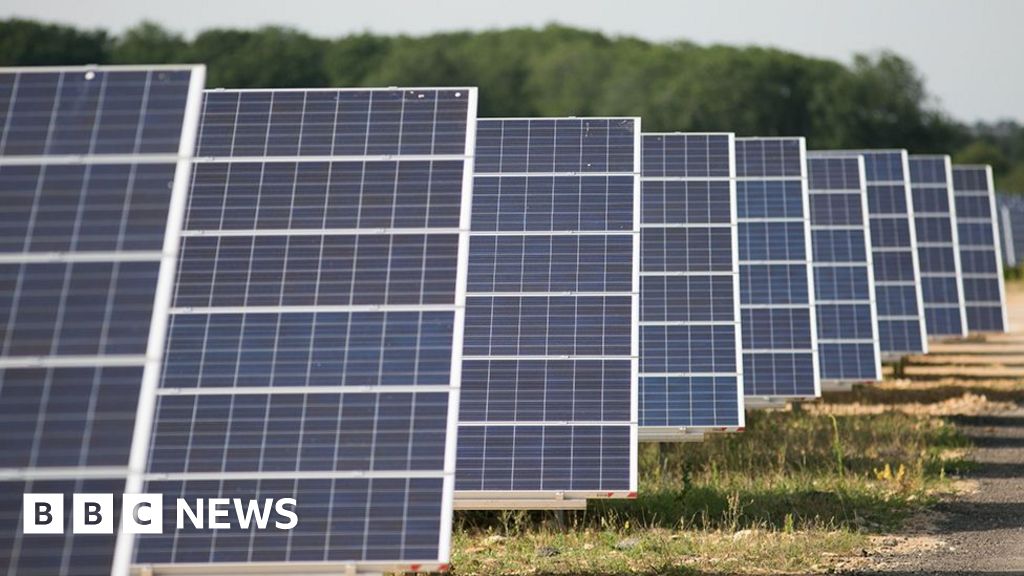
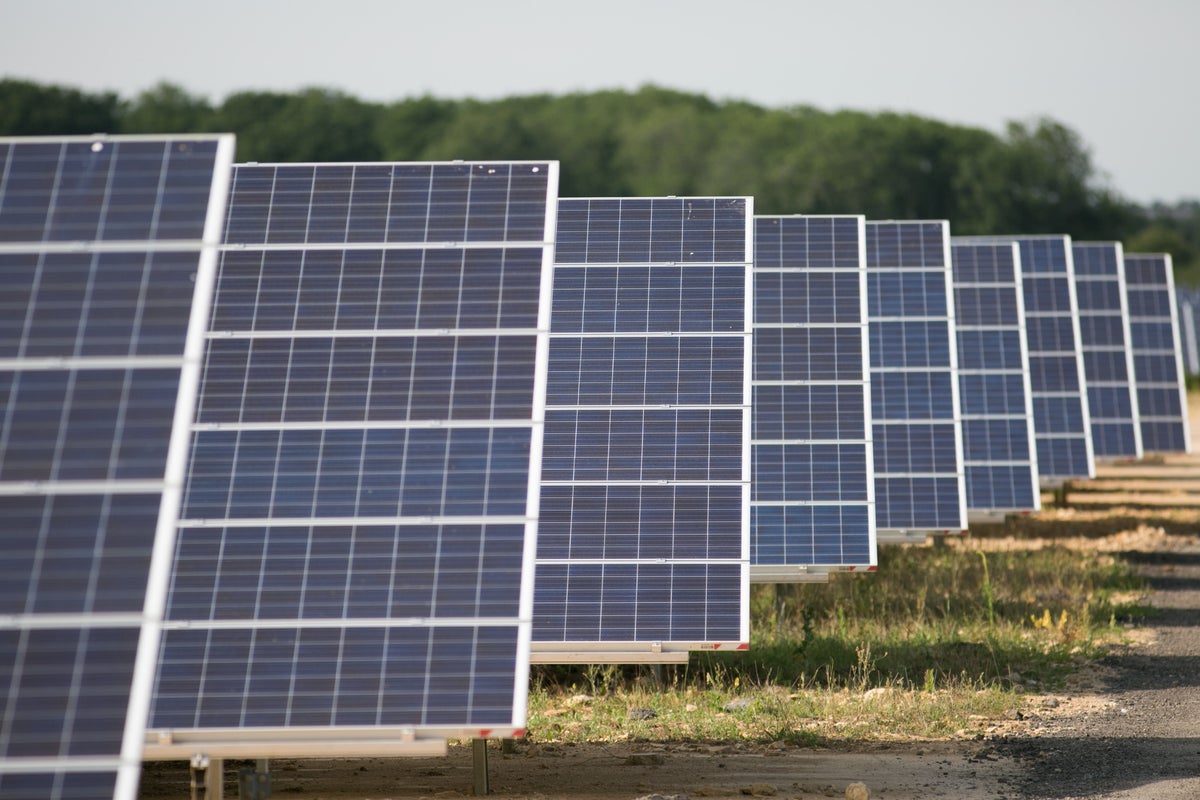
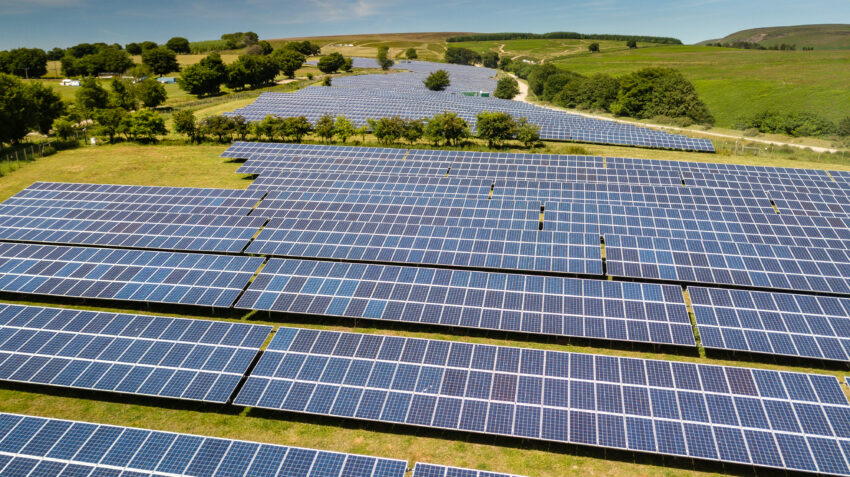
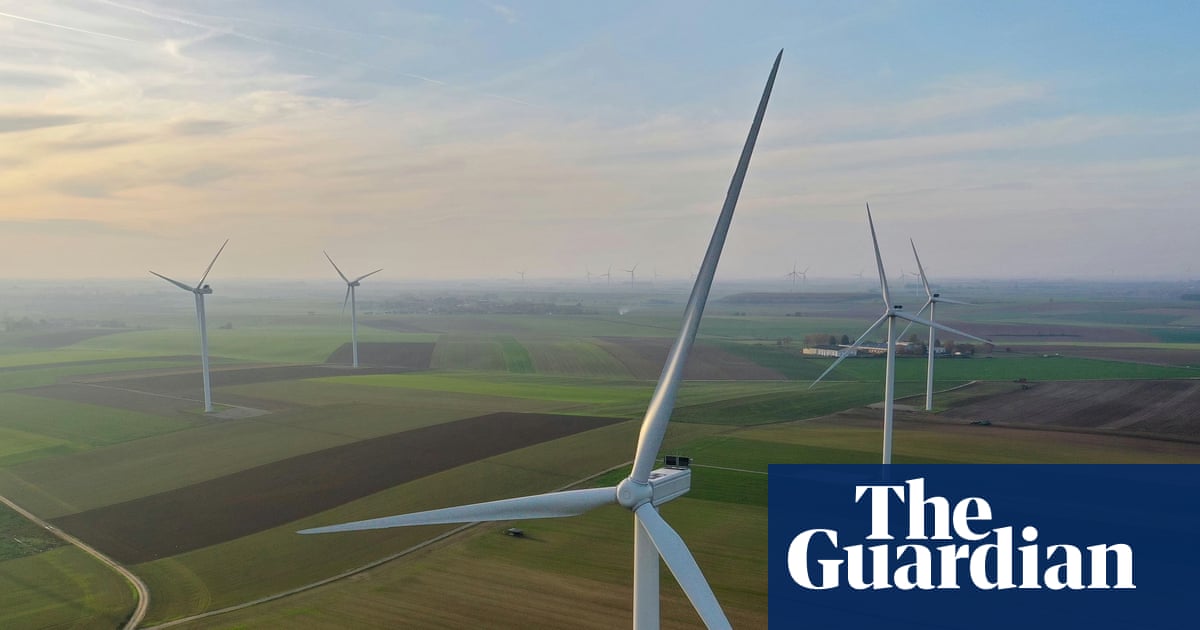
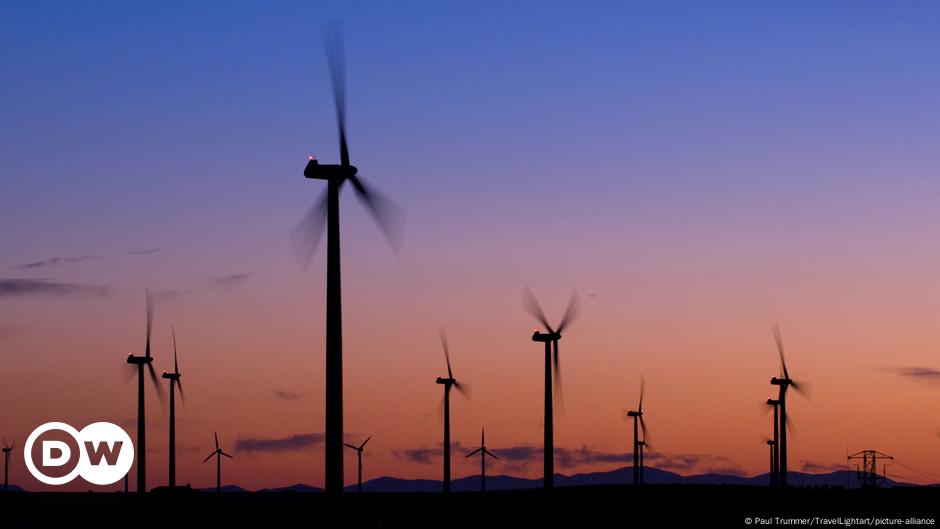
Solar and wind power provided more electricity than coal and gas last year, leading a global trend, said think tank Ember. Solar and wind power outperformed fossil fuels in the European Union for the first time last year, a new high watermark on Europe's transition to green and autonomous energy. The two sources of energy generated 30 percent of EU electricity, compared with 29 percent for coal and gas, Ember, a global energy think tank, said on Thursday in its European Electricity Review.
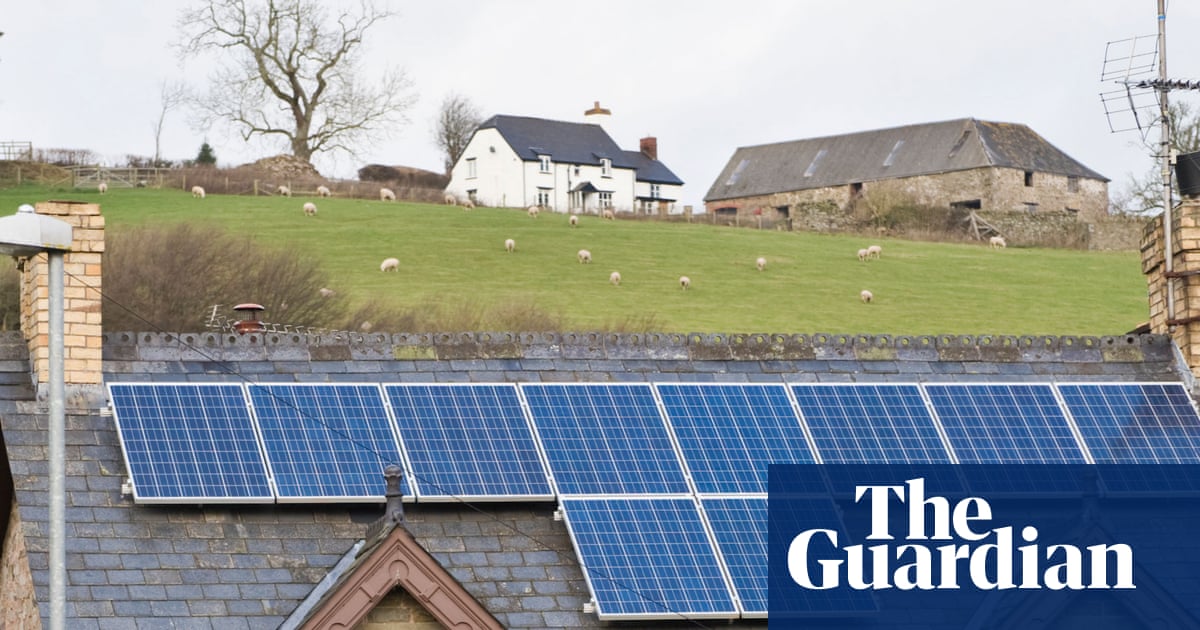
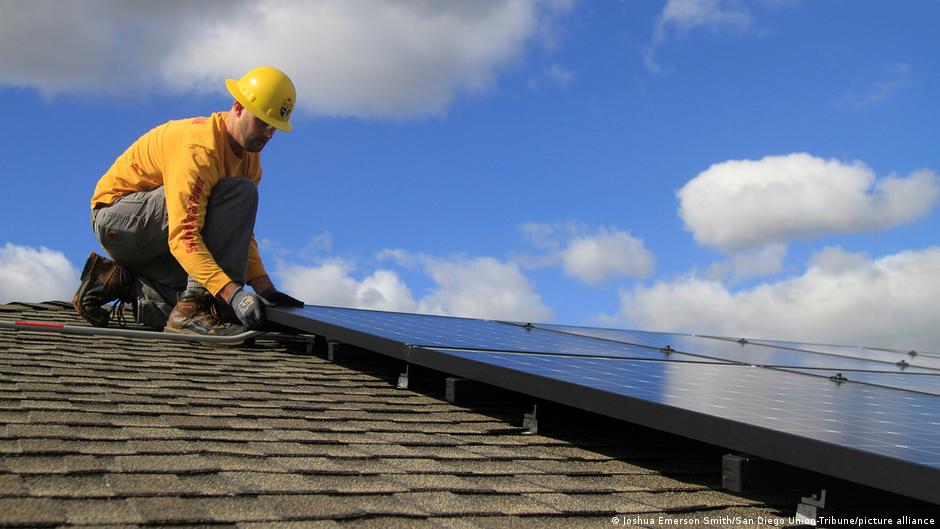
We can keep tethering ourselves to volatile geopolitics, to fossil fuel prices we'll never control, and to an energy system built on instability and extraction-or we can choose the alternative that's right in front of us: harnessing the sun here at home on our own rooftops. By rapidly accelerating local solar in New York, we can build power right here in our communities, beyond the reach of coups, cartels, and commodity shocks.