#digital-wellness

[ follow ]
fromSilicon Canals
1 hour ago

What research reveals about people who feel physically drained after checking their phone for twenty minutes but can hike for hours without fatigue - Silicon Canals

Your brain accounts for roughly 2% of your body weight but consumes about 20% of your daily energy. That consumption isn't evenly distributed across all mental activities. Focused, voluntary attention (the kind you use when navigating a rocky trail or solving a puzzle you care about) draws on neural circuits that are remarkably efficient when properly engaged.
Mental health
fromEngadget
14 hours ago

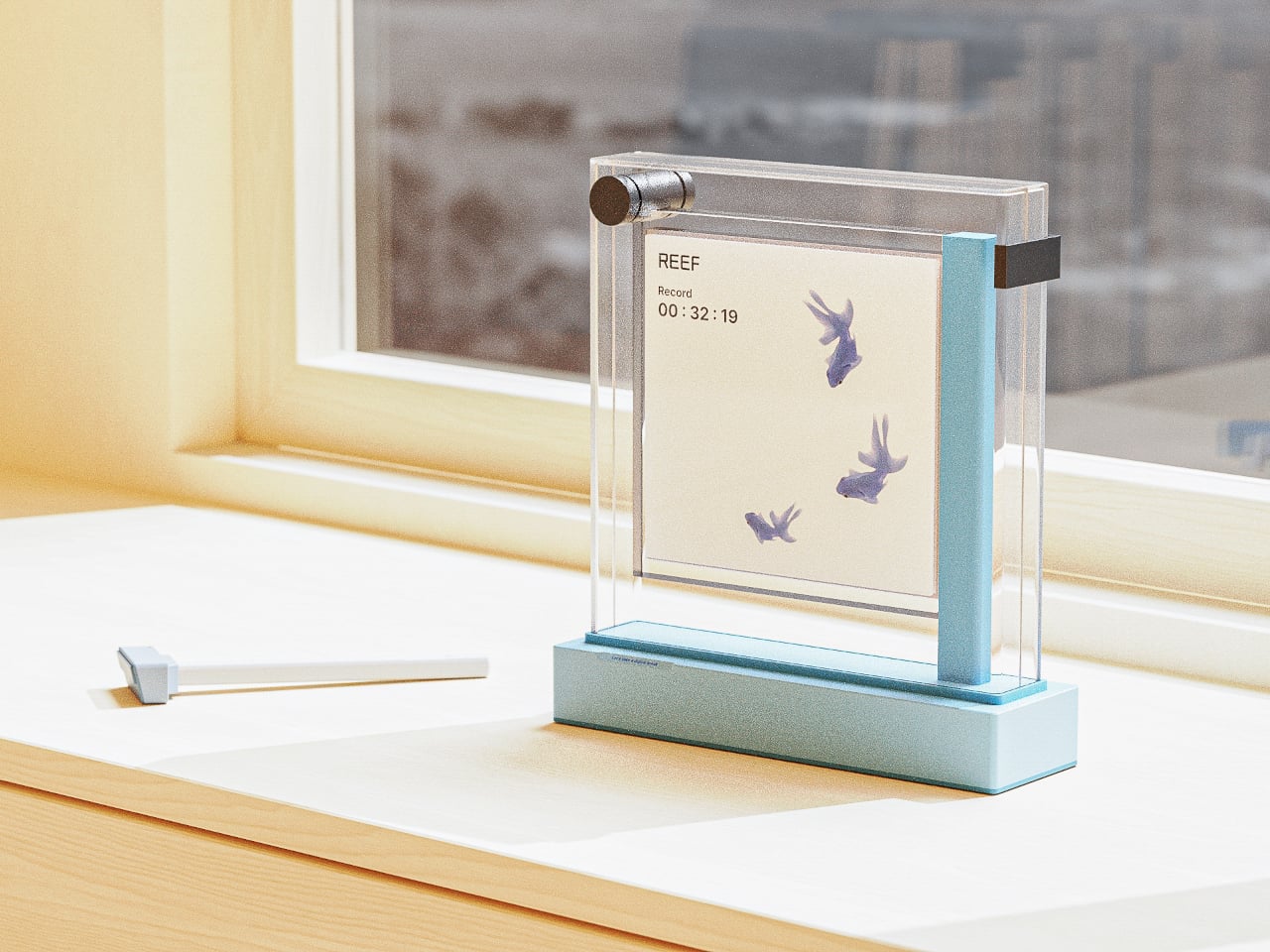
Ambient Dreamie bedside companion review: The best sleep I've had in years

Ambient's Dreamie offers many of the conveniences of a smartphone-connected device - highly customizable alarm schedules, a library of soundscapes and noise masks, Bluetooth so you can connect earbuds and podcasts (soon). But it is phone-free every step of the way, with all controls and features built-in so you don't end up getting sucked into a doomscroll while you're trying to wind down.
Gadgets
Digital life
fromSilicon Canals
20 hours ago

I tracked my screen time for a year but then I started tracking what I was avoiding each time I picked up my phone and that second dataset changed how I understand my own mind - Silicon Canals

Screen time quantity alone reveals nothing about why you use your phone; tracking emotional triggers before use provides actionable insight that raw duration metrics cannot.
Parenting
fromBusiness Insider
21 hours ago

Top Anthropic executive limits his child's YouTube algorithm access: 'It freaks me out'

Tech executives including Jack Clark, Steve Jobs, and Peter Thiel restrict their children's screen time and algorithmic exposure despite working in technology industries.
fromSilicon Canals
2 days ago

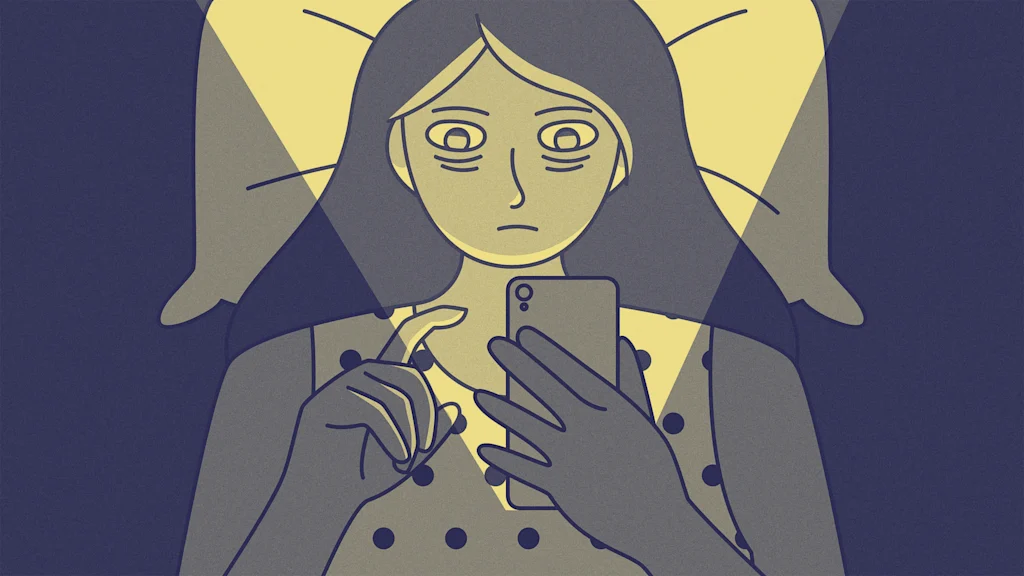
The cognitive damage of doomscrolling is measurable, psychology says, and it can look like anxiety - Silicon Canals

A recent Washington Post piece pulled together what a lot of us have been describing for years: the "brain rot" feeling isn't just slang. Researchers are linking heavy social media use and rapid-fire content to measurable changes in attention and memory, and the way it shows up day-to-day can look a lot like anxiety.
Digital life
Digital life
fromSocial Media Today
1 month ago

YouTube Adds More Protections for Teen Users

Principles developed by youth advisors and global experts define criteria that distinguish low-quality from high-quality content for teen audiences.
#technology
fromPsychology Today
8 months ago

Notice My Breathing? Really?

A study revealed that a mindfulness app significantly reduced negative thinking and increased mindfulness among users, demonstrating its effectiveness regardless of available psychological care.
Mindfulness
Gadgets
fromFast Company
9 months ago

Treat yourself to a taste of the weird web of yesteryear

Exploring virtual windows can provide a refreshing break during busy workdays, enhancing mood and productivity.
Marketing tech
fromZDNET
9 months ago

TikTok's surprising new feature sets a bedtime for teens (but anyone can turn it on)

TikTok introduces features to help teens reduce late-night scrolling through meditation and enhanced parental controls.
fromKqed
9 months ago

Get Away From the News This Summer With These 7 Bay Area Diversions | KQED

Our phones are full of stimulating images, sounds, news and entertainment, all packaged in apps...designed so we'll scroll until the world ends or our batteries die.
San Francisco
Mindfulness
fromMedium
10 months ago

The UX of Quiet: Why Silence Is the Next Big Thing in Digital Design

Silence in app design is the new trend, prioritizing user peace over constant notifications.
[ Load more ]