#economic-prosperity
#economic-prosperity
[ follow ]
#inflation #uk-economy #investment #sp-500 #iran-war #entrepreneurship #economic-growth #energy-crisis


fromThe Atlantic
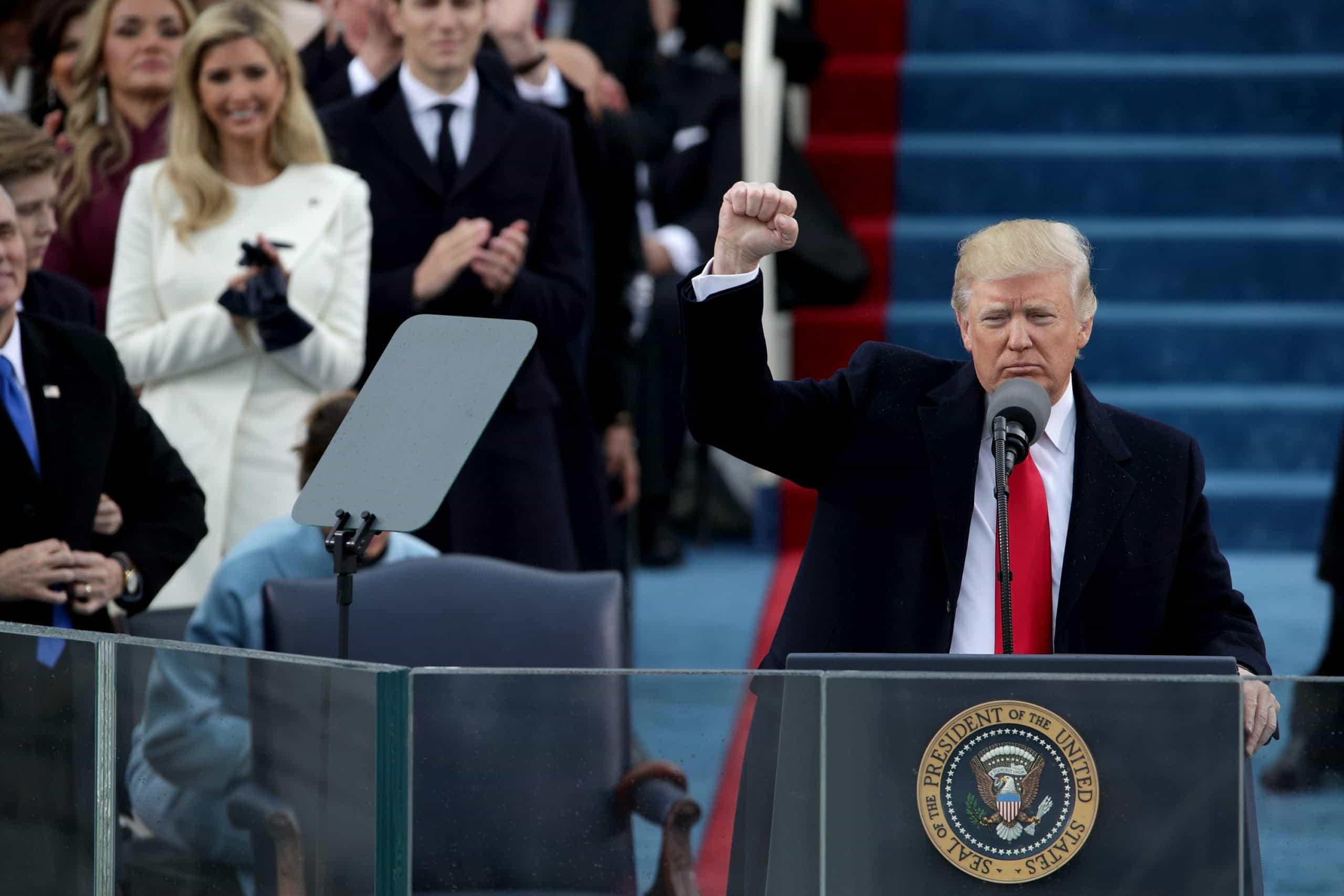
1 day agoA Pillar of the Economics Establishment Admits That It Was Wrong
The World Bank's recent report argues that government intervention, when done right, can actually be an essential ingredient of economic success, reversing decades of opposition to industrial policy.
World politics
#uk-economy

UK news
fromLondon Business News | Londonlovesbusiness.com
2 days agoBrits face a tougher outlook as Middle East tensions squeeze UK growth - London Business News | Londonlovesbusiness.com
The IMF projects UK growth at 0.8% due to high energy costs and geopolitical tensions affecting prices and confidence.
UK news
fromLondon Business News | Londonlovesbusiness.com
2 days agoBrits face a tougher outlook as Middle East tensions squeeze UK growth - London Business News | Londonlovesbusiness.com
The IMF projects UK growth at 0.8% due to high energy costs and geopolitical tensions affecting prices and confidence.
UK politics
fromLondon Business News | Londonlovesbusiness.com
1 day agoIMF warns the UK is on track for the fastest tax rise in major economies - London Business News | Londonlovesbusiness.com
The UK is projected to experience one of the largest tax increases among advanced economies, raising its tax-to-GDP ratio significantly by 2030.


#tariffs
European startups
fromFortune
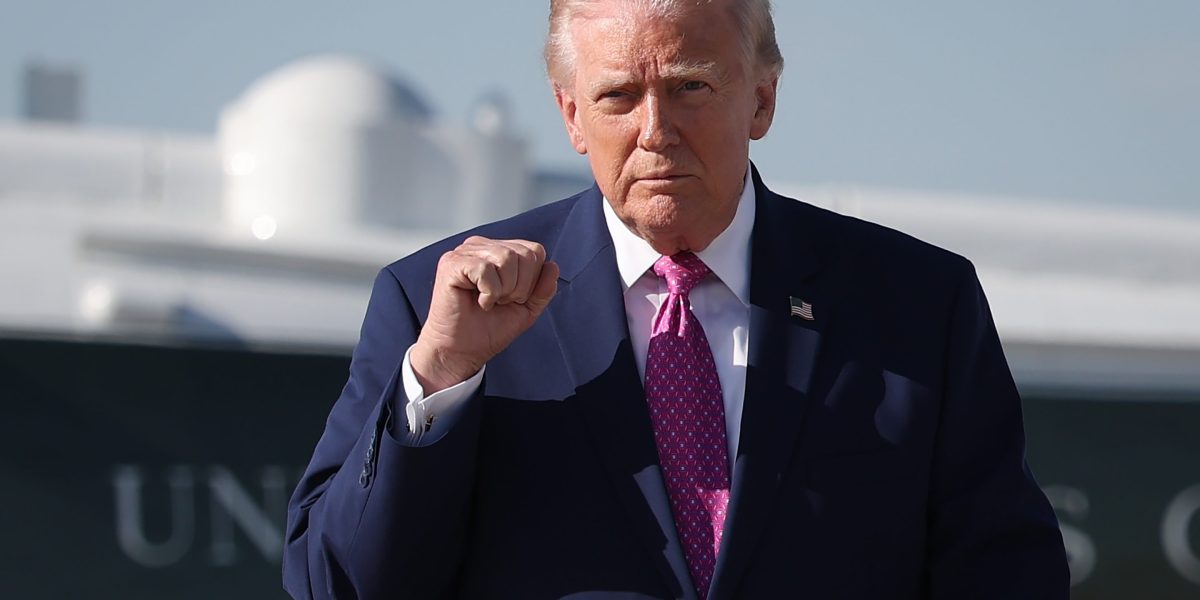
3 days agoTariffs are the new normal, and now most CEOs expect the import taxes to outlast the Trump administration, PwC report finds | Fortune
CEOs are treating tariffs as a permanent aspect of business planning, expecting them to remain for years despite legal uncertainties.
fromwww.mediaite.com
3 days agoTop Trump Economic Aide Predicts Zero Inflation If Iran War Resolves Itself Somehow'
Hassett acknowledged that grocery prices have improved, but electricity prices remain high, along with health insurance and airline fares, indicating ongoing inflationary pressures.
US politics
fromLondon Business News | Londonlovesbusiness.com
2 days agoUncertainty grips UK plc as bosses delay investment and expansion plans - London Business News | Londonlovesbusiness.com
Ongoing conflict in the Middle East continues to disrupt global markets and oil prices, adding a persistent layer of uncertainty for UK firms. This geopolitical instability is driving higher cost pressures and intensifying concerns around supply chains and energy security, all of which are critical factors in strategic business decision making.
London startup
#business-growth
Growth hacking
fromLondon Business News | Londonlovesbusiness.com
3 weeks agoHow businesses can grow without changing ownership - London Business News | Londonlovesbusiness.com
Successful business growth can be achieved without outside capital by optimizing operations and focusing on pricing and customer relationships.
Mindfulness
fromSilicon Canals
5 days agoSomewhere between 1995 and 2010, patience stopped being a virtue and became a market failure - and we built an entire civilization on top of that assumption - Silicon Canals
Impatience has become an integral part of modern infrastructure, influencing how we interact with the world and perceive waiting.
#economic-growth
Business intelligence
fromLondon Business News | Londonlovesbusiness.com
1 week agoOECD warns global growth at risk unless countries embrace structural reform - London Business News | Londonlovesbusiness.com
Global economic growth is pressured by uncertainties and structural challenges, requiring comprehensive reforms to enhance productivity and competitiveness.

Business intelligence
fromLondon Business News | Londonlovesbusiness.com
1 week agoOECD warns global growth at risk unless countries embrace structural reform - London Business News | Londonlovesbusiness.com
Global economic growth is pressured by uncertainties and structural challenges, requiring comprehensive reforms to enhance productivity and competitiveness.



fromFuturism
5 days agoBillionaire Says Insider Trading Should Be Fully Legalized
"I'm in favor of not having any rules against insider trading. I would like all the information out there as soon as it's available. Because look, as a society, we are better off knowing as soon as possible anything that is knowable."
Business
Right-wing politics
fromFortune
4 weeks agoEconomists agree: You're not crazy for feeling like the rich get richer, and the poor are doing worse. Welcome to the 'K-shaped economy' | Fortune
The K recovery illustrates a growing economic divide where the wealthy prosper while the poor struggle, echoing historical patterns of inequality.
London startup
fromLondon Business News | Londonlovesbusiness.com
2 weeks agoSME confidence edges up despite cautious economic outlook - London Business News | Londonlovesbusiness.com
SMEs in the UK and Ireland show renewed optimism despite economic uncertainty, with expectations for sales growth and workforce expansion.
Bootstrapping
fromEntrepreneur
4 weeks agoEconomic Outlook: What's in Store for Small Business in 2026
Small businesses adopting digital-first models, optimizing cross-border payments, managing cash flow strategically, and investing in cybersecurity will build resilience and achieve sustainable growth in 2026.
Bootstrapping
fromLondon Business News | Londonlovesbusiness.com
1 month agoFive international expansion tips for businesses to expand sustainably - London Business News | Londonlovesbusiness.com
International expansion requires thorough market research, local partnerships, localized marketing strategies, and technology infrastructure to succeed.
fromFast Company
2 months agoWhy inclusion is the new standard for economic growth
In places where inclusion is part of the infrastructure of their economy-supply chains, procurement processes, capital access, or business ownership-people thrive. Inclusive economies create more resilience by expanding the base of potential business owners who can build, own, innovate, and hire. They allow more opportunities for homeownership and investing in the longevity of communities. As our economy becomes increasingly stratified and volatile, we need as much resiliency as we can get.
Social justice
Business
fromLondon Business News | Londonlovesbusiness.com
1 month agoLong-term capital is shaping modern business strategies - London Business News | Londonlovesbusiness.com
Family offices provide patient capital and strategic support for long-term business growth, prioritizing stability and multi-generational wealth preservation over short-term returns.
fromThe Drum
2 months agoWhat happens when our common currency becomes uncommon?
This is not new news, of course, but many in the industry seem to be finally waking up to the hard truth that data-driven media buying, as we know it today, is severely under threat and has to change. Cookies power everything we do, from humble frequency capping through to complex multi-touch attribution models, ad personalisation and audience segmentation. They underpin most of the gains we've made in performance advertising, as well as brand advertising, over the past decade.
fromFast Company
2 months ago5 lessons for building up an industry, not just a company
But if you're innovating within your industry, it's a problem you should expect and prepare for because it means having to operate in two realities-the internal reality where you know the challenges in your industry and how you're going to solve them, and the external reality where nobody else has recognized the problem that needs to be solved. In a highly regulated industry like healthcare, safety, and stability create an inertia that often works against innovation.
Startup companies
UK politics
fromLondon Business News | Londonlovesbusiness.com
2 months agoSupporting scale ups can boost the UK's growth prospects and lower tax bills - London Business News | Londonlovesbusiness.com
The Chancellor should reverse the planned cut to Venture Capital Trust income tax relief to preserve funding for high-growth UK startups and scale-ups.
fromLondon Business News | Londonlovesbusiness.com
1 month agoThe significant events in the global economy over the past week - London Business News | Londonlovesbusiness.com
U.S. financial markets ended the week on a cautious note as investors weighed strong employment data against growing concerns about the impact of artificial intelligence on traditional business models. Major stock indexes declined, led by technology-heavy shares, reflecting worries that rapid AI developments may disrupt established industries and earnings outlooks. The Nasdaq Composite recorded the steepest losses, while the S&P 500 and Dow Jones Industrial Average also finished lower. Value-oriented stocks continued to outperform growth stocks, extending a trend that has persisted for several weeks.
US news
US politics
fromFortune
1 month agoTrump brags that America is 'winning so much.' Without tariffs, "we could have seen more of the good news," IMF director says. | Fortune
The U.S. economy shows strong growth and resilience, but chronic budget deficits and tariff-based trade policies threaten its long-term fiscal health.
US news
fromLondon Business News | Londonlovesbusiness.com
1 month agoThe Significant Events in the Global Economy Explained - London Business News | Londonlovesbusiness.com
Supreme Court tariff reversal lifted investor sentiment and stocks, while Fed division on rates, rising inflation, and slowing GDP kept markets cautious.
fromwww.theguardian.com
2 months agoIMF warns tariffs and geopolitical tensions threaten markets and global growth
The International Monetary Fund has warned mounting geopolitical tensions and an escalation of Donald Trump's tariff war could hit global economic growth and trigger a backlash in financial markets. In an update as Trump threatens to impose tariffs on Nato allies opposed to his ambitions in Greenland, the Washington-based fund said a renewed eruption in trade tensions was among the biggest risks to global growth in 2026.
World news
Business
fromLondon Business News | Londonlovesbusiness.com
1 month agoThe significant events in the global economy over the past week - London Business News | Londonlovesbusiness.com
U.S. equity markets declined amid AI disruption concerns and trade uncertainty, while European markets gained strength with solid earnings and diversification appeal.
Business
fromLondon Business News | Londonlovesbusiness.com
2 months agoA look at the significant events in the global economy over the past week - London Business News | Londonlovesbusiness.com
U.S. markets rotated away from large-cap technology toward smaller and value stocks amid cooling labor-market signals, mixed economic activity, and falling bond yields.
fromBusiness Insider
2 months agoAmerica's new sink-or-swim era of work is here
Perks have vanished, in-office mandates are on the rise, and layoffs continue even as profits hold up - changes that reflect a system that prioritizes shareholder returns over stakeholder capitalism and corporate loyalty. With job openings thinning, wages struggling to keep pace with inflation, and AI looming as a threat to entire occupations, the recalibration is altering how advancement and compensation are determined inside companies.
Business
[ Load more ]