#elise-williams
#elise-williams
[ follow ]
#contemporary-art #art-exhibition #art #photography #creativity #art-exhibitions #painting #art-fairs #art-history


fromOregon ArtsWatch * Arts & Culture News
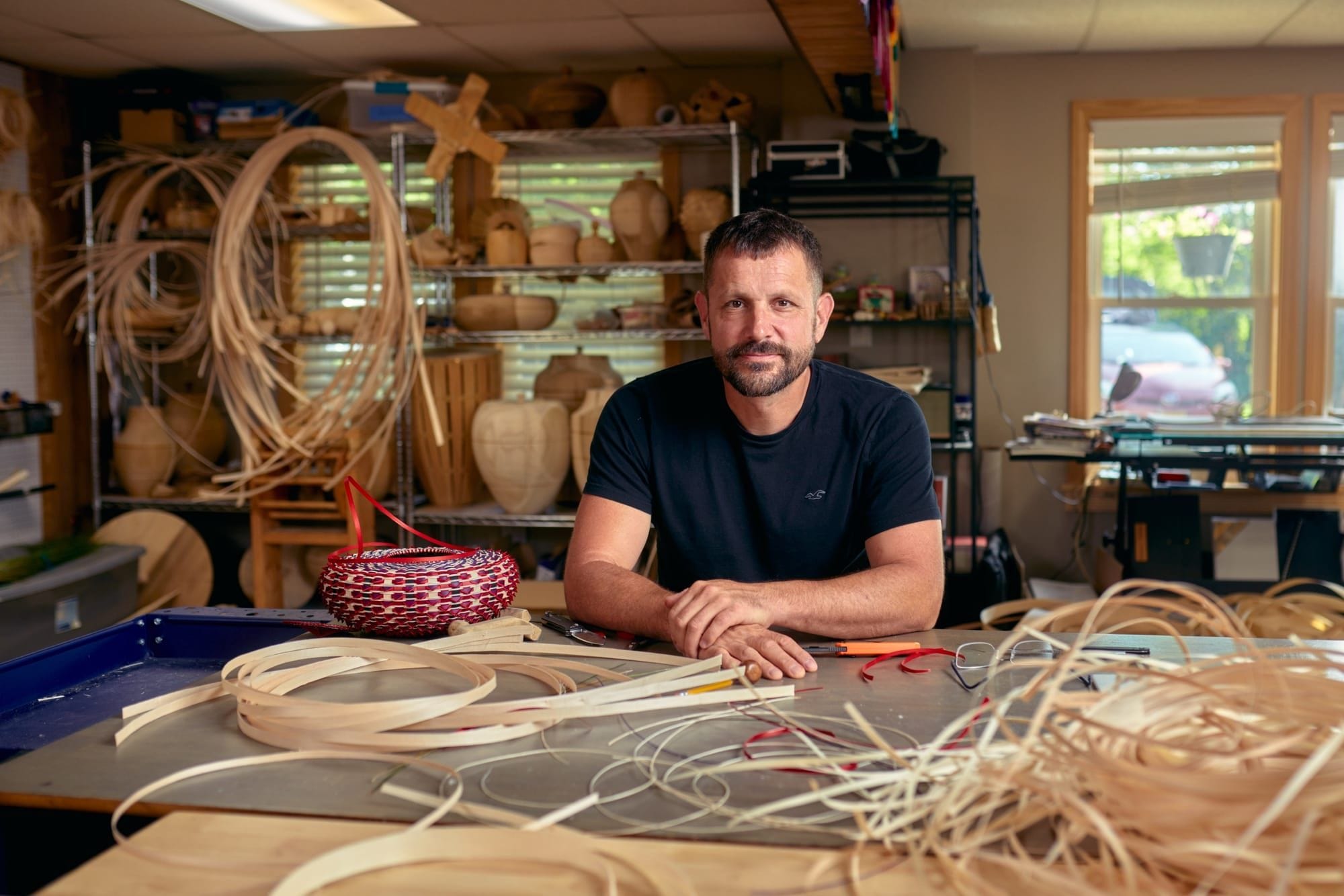
1 day agoTom Prochaska: Through the Open Door * Oregon ArtsWatch
Tom Prochaska distinguished himself in many mediums: He was a masterful printmaker, an intuitive painter, a builder of papier-mâché figures, a creator of fused glass panels, and graphite-on-paper drawings.
Arts


fromThe Art Newspaper - International art news and events
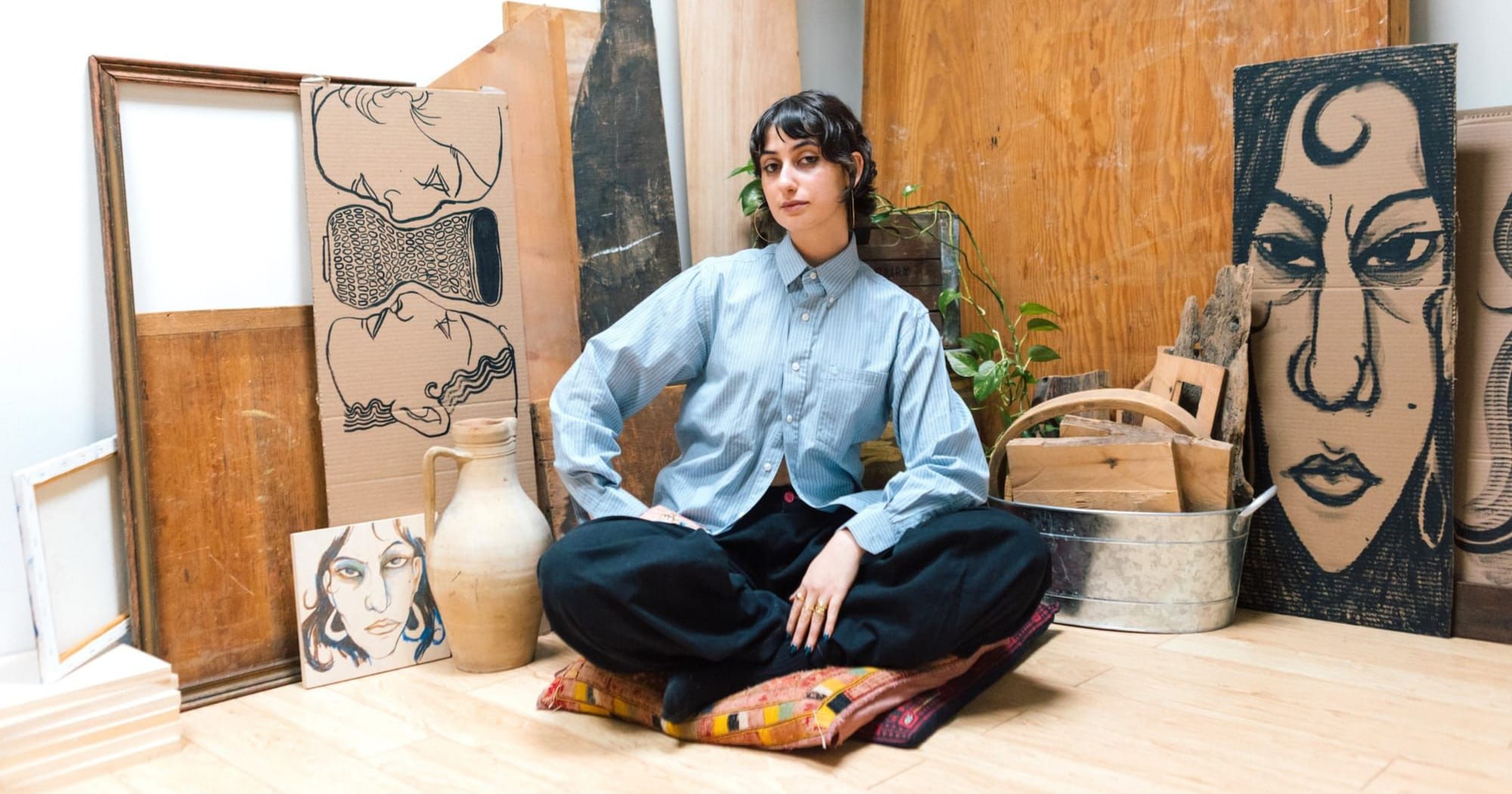
2 days agoArtist interview: Sarah Rosalena
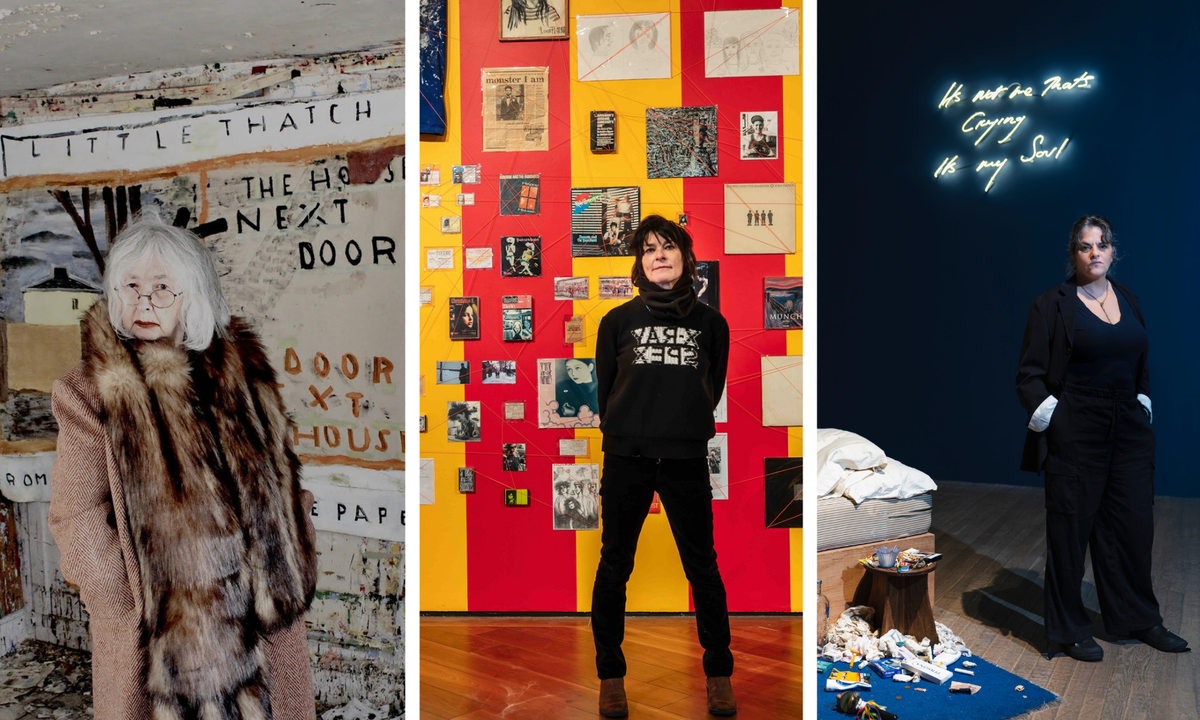
I see myself first and foremost as a weaver working at the intersection of craft and technology. As an Angeleno, I grew up learning how to weave in the Wixárika tradition of my matriarchal bloodline by watching my mother and my grandmother.
Arts

fromArtnet News
3 days agoPainting Has Entered Its Performance Era | Artnet News
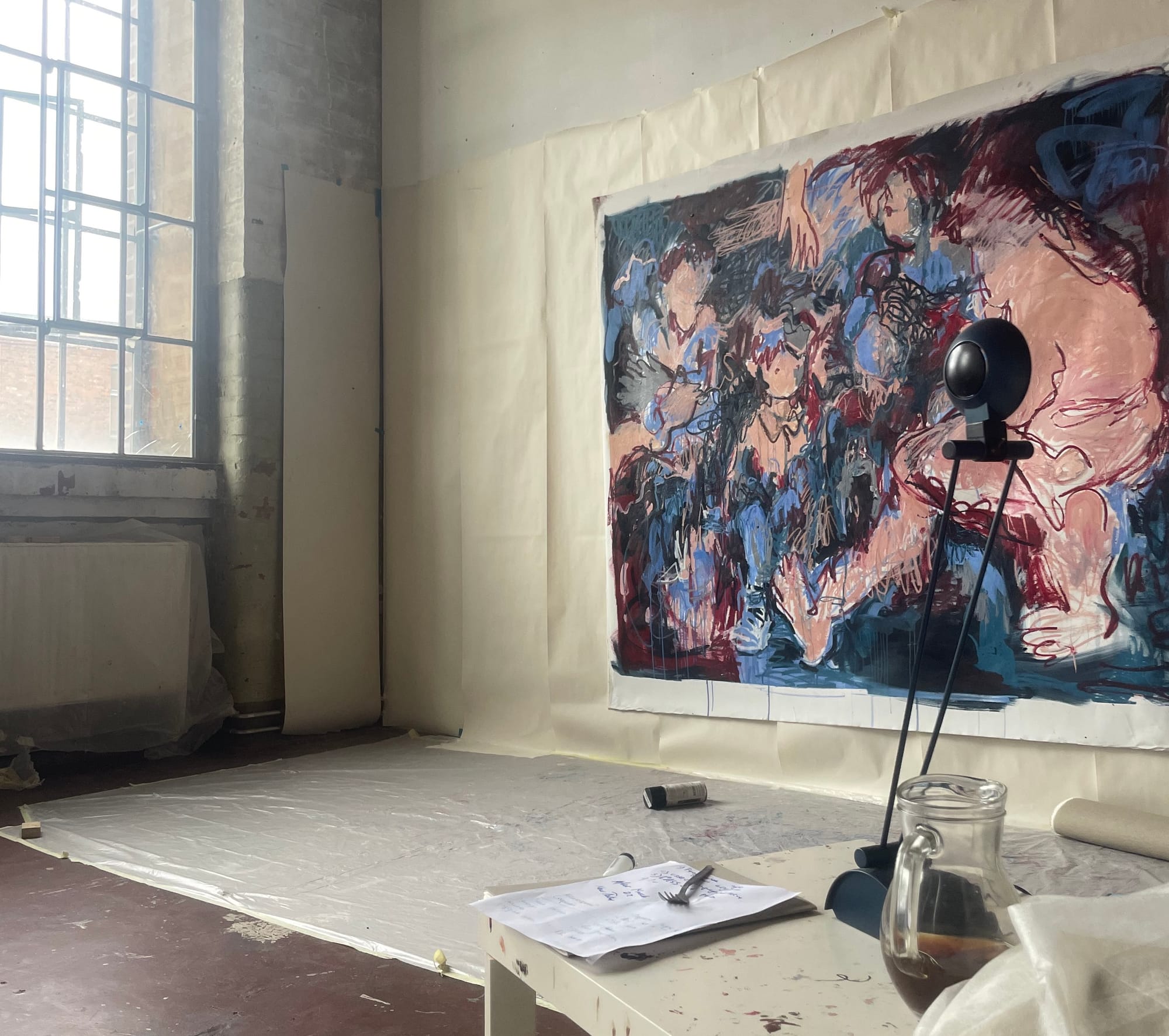
Much of Instagram's video content is organized around transformation-the virtual magic of the before-and-after and clips that show cause and effect. A person makes pasta from scratch in 20 seconds via edits that compress time-intensive labor.
Arts
fromHyperallergic
2 days agoMoMA PS1's "Greater New York" Is Gritty, Stunning, and Gutting
The curators of Greater New York really captured the energy of the city well - not the out-of-towner's New York with its glossy surfaces, brands, and trendy fare, but the gritty New York that's always in the process of formation, that rejects surface in favor of rawness.
Arts
Arts
fromThe Art Newspaper - International art news and events
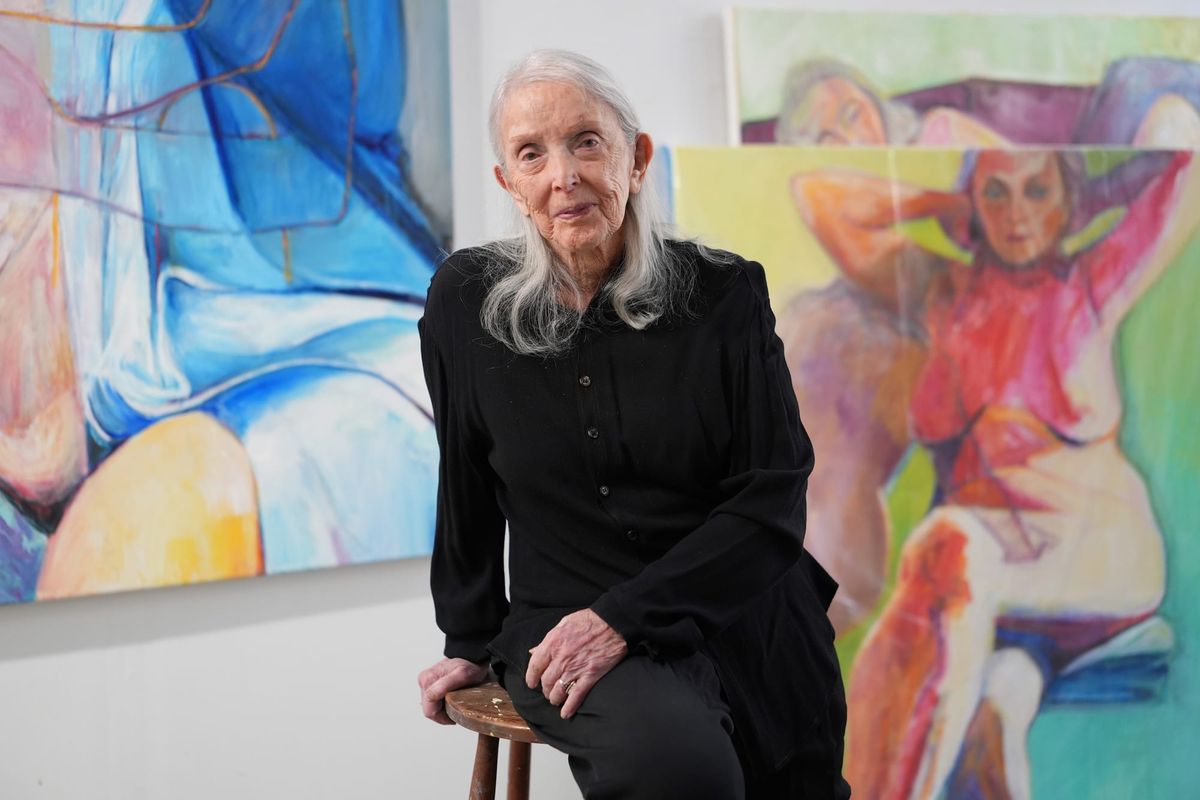
3 days ago'It was my job to create the view': US artist Liza Lou on making colourful works in her windowless warehouse
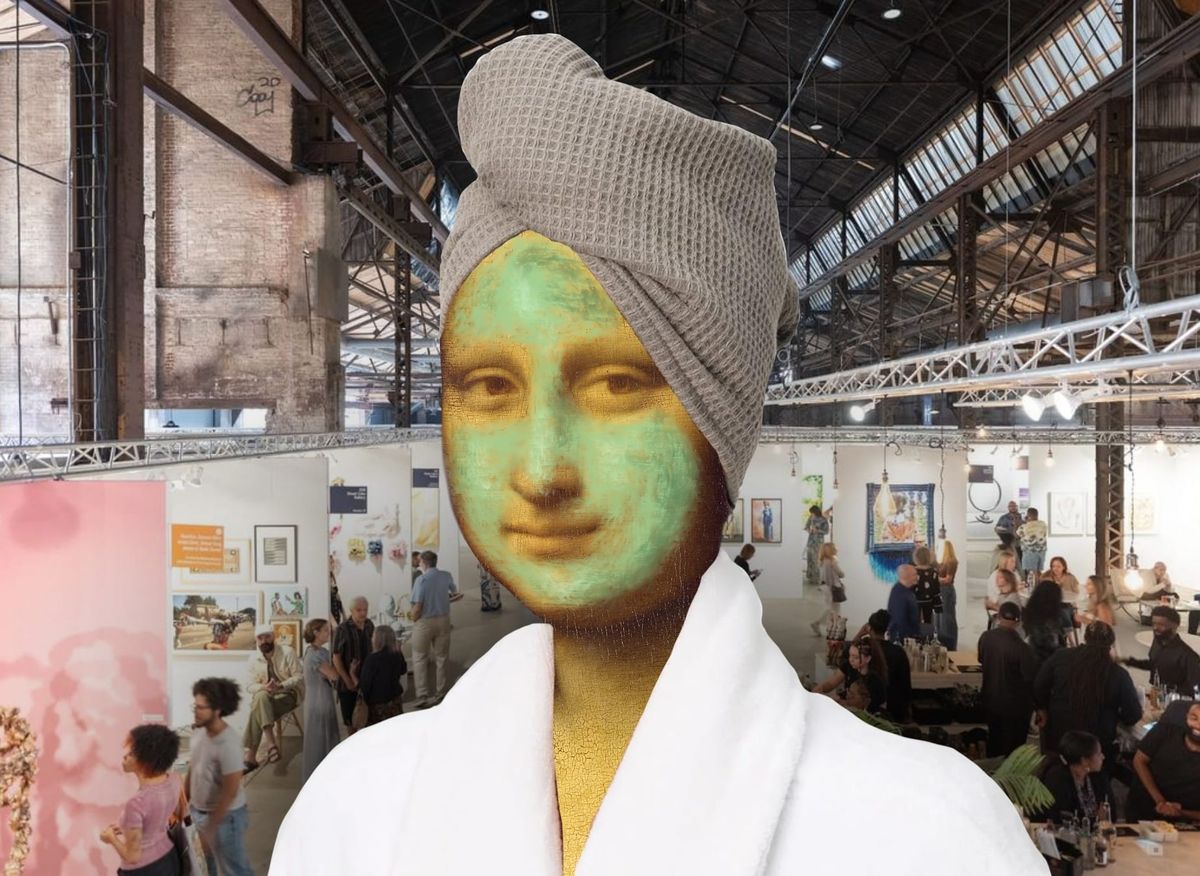
Liza Lou's artistic journey emphasizes the significance of color and materiality in her work, blending oil painting with glass beads.

fromJuxtapoz
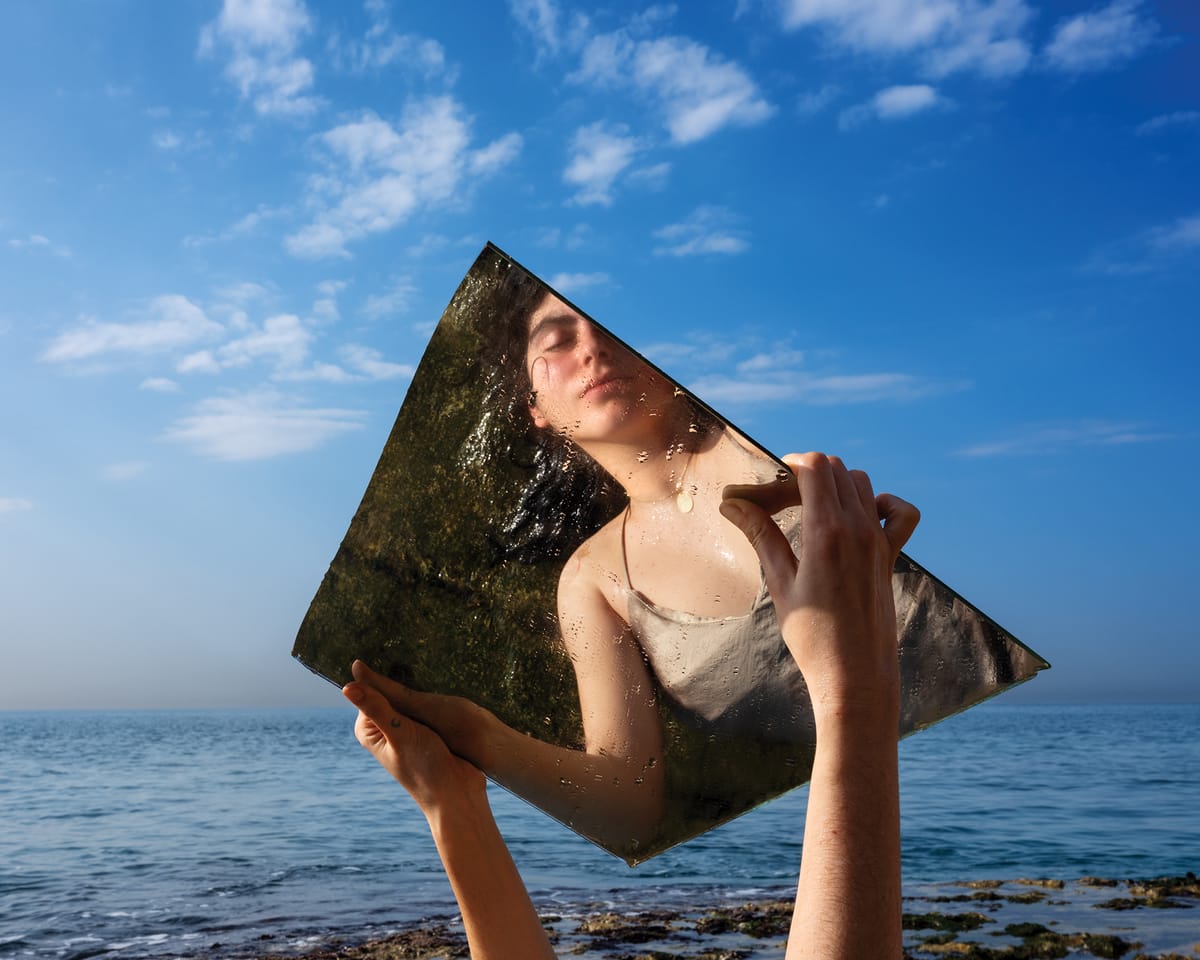
2 weeks agoJuxtapoz Magazine - Last Days to See Kate Meissner's New Paintings @ Lyles & King's Project Space, NYC
"These works are an exploration of the human body's elasticity and capacity to metamorphose. Informed by my own experience of pregnancy and the birth of my first child last year, these paintings are a meditation on physiological transformation and the body's underlying animalistic and mammalian nature."
Arts
fromHyperallergic
1 month agoEmbracing Friction in the Art World
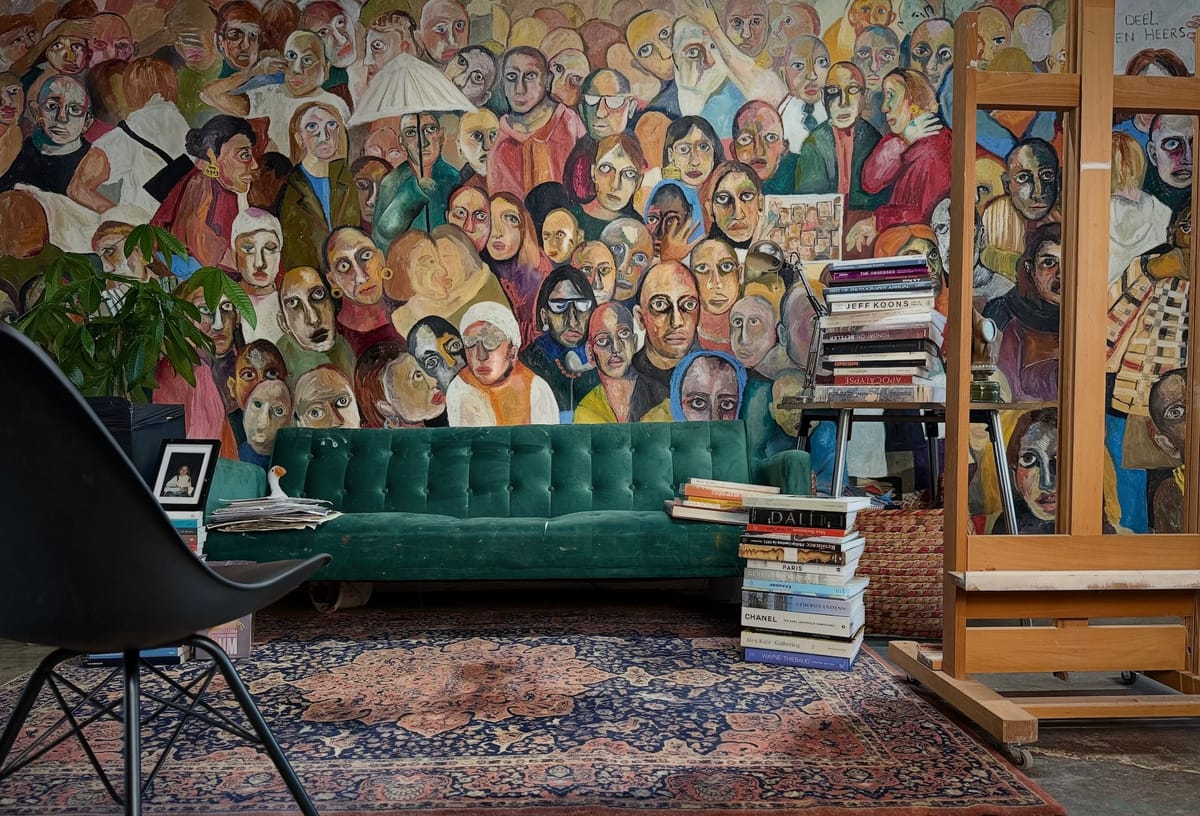
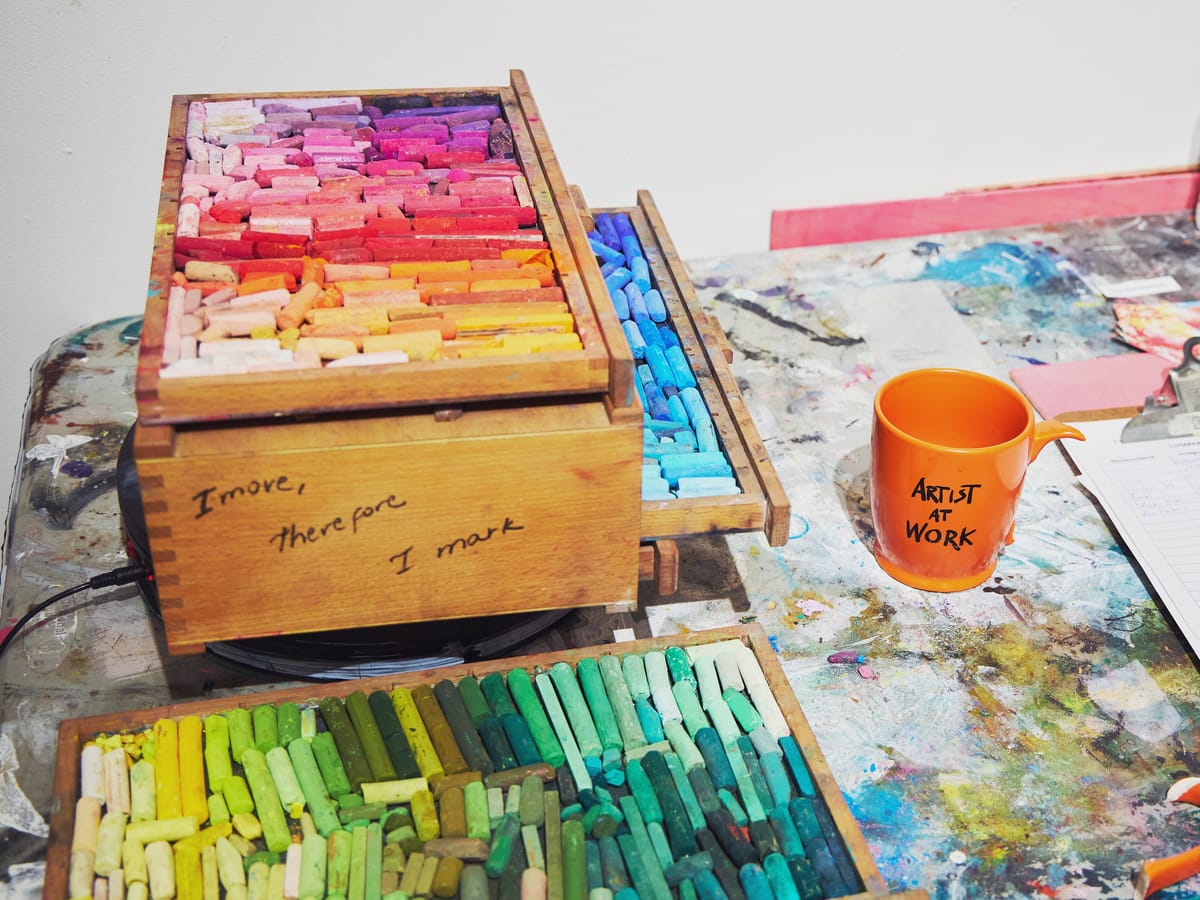
On Franklin Street in Brooklyn's Greenpoint neighborhood, one non-commercial gallery fosters 'a small, stubbornly human space for friction.' Friction—the ubiquitous buzzword that captures the simultaneous delight and discomfort of doing things the slow way—is at the heart of artists Pap Souleye Fall and Char Jeré's current show at Subtitled NYC. It also reflects the overall spirit of this little exhibition space and of a burgeoning movement to reject our culture of optimization in favor of a bumpier, more intimate, less alienating experience.
Arts
Arts
fromArtnet News
1 month agoBlink and You'll Miss It! 3 New York Shows With Painfully Short Runs | Artnet News
Gallery exhibition runs have lengthened from weeks to five or six weeks due to increased competition and high mounting costs, though a countermovement of brief, limited-time shows is emerging.
fromHyperallergic
1 month agoArt Problems: How Do I Get Gallery Representation?
Dealers like artists with established sales records because it lowers their already considerable financial exposure. Renting a gallery space in Tribeca costs anywhere between $8,000-30,000 a month on top of staff, marketing, and daily operations. With that kind of overhead, very few business owners can afford to take on the financial risk of untested artists.
Arts
fromArtnet News
1 month agoInside the Forum Where Women in the Arts Are Taking on the Status Quo
What began as a passion for collecting became a responsibility. She not only believes in the artistic genius of women, but she wants society in general to hold men and women artists in equal esteem-and to place the same monetary value on their work.
Arts
fromHyperallergic
2 months agoA View From the Easel
I work outside, carving and shaping the stone. Outside my house, I have a table, an extension cord, and tools. It's very cold and I have to wear all my winter clothes. When it's too cold, I do the filing and finishing work inside after I shape it outside. I listen to all kinds of music. I listen to Eminem all the time; his albums are all my favorites. For drawings, I work at Kinngait Studios or at home on my kitchen table.
Arts
fromHyperallergic
2 months agoA View From the Easel
Mornings are best for concentrated work. In the winter, I turn on the heat at 8am and get started around 10am. Summer, I start around 9am. I have two areas in the studio for projects. The large, heavy wood sculptures are carved in the front section of the studio, closest to the roll-up wide door. Smaller sculptures are placed on a hydraulic workbench. Before I start, I focus, connect with the Source, and ask for guidance.
Arts
fromJuxtapoz
2 months agoJuxtapoz Magazine - Left Open: Lily Taylor @ Monya Rowe Gallery, NYC
The paintings are charged with potential discomfort- from middle school angst to family dynamics. The work wrestles with the nebulous nature of memory and piecing together the past. Taylor embraces the power of sentimentality and nostalgia, but also confronts the complexity of misunderstood communication. Even shared experiences can be perceived vastly differently. By looking to the past we can begin to better understand ourselves, and those around us.
Arts
fromwww.amny.com
2 months agoDreams full of voltage: Karina Lumiere's abstract works electrify the art scene amNewYork
Karina Lumiere paints like someone who trusts color more than language. Her work does not whisper its intentions. It glows, pulses, seduces. This is abstraction born not from theory, but from devotiondevotion to intuition, to sensation, to the unapologetic power of hue as an emotional instrument. Her path to abstract expressionism was never academic. It unfolded in solitude, shaped by meditation and spiritual practice, where listening became more important than learning and presence eclipsed instruction.
Arts
[ Load more ]