#field-guide
#field-guide
[ follow ]
#conservation #biodiversity #wildlife #birdwatching #gardening #pollinators #biodiversity-loss #climate-change #art
Photography
fromYanko Design - Modern Industrial Design News
2 days agoThis minimal AI camera blends into the wild while quietly tracking wildlife - Yanko Design
A minimal AI camera concept enhances wildlife observation by integrating intelligence into the environment, reducing human interference and improving monitoring accuracy.

fromTheregister
2 weeks agoBees and hummingbirds get trace alcohol from nectar
A study by researchers at the University of California Berkeley has found that ethanol is surprisingly common in floral nectar, the sugary fuel that keeps pollinators alive. Yeast feeding on those sugars produces trace amounts of alcohol, and in this study, it showed up in 26 of the 29 plant species sampled.
Beer
fromMail Online
2 weeks agoBritain has just 20 years to save its wildlife, experts warn
'Our results show that the next 20 years are critical,' lead author Dr Rob Cooke told the Daily Mail. 'By around 2050, we reach a point where the choices we make on emissions and land use will largely determine whether Britain moves towards a much more degraded or a much more nature‑positive future.'
Environment

#butterfly-conservation
London politics
fromwww.independent.co.uk
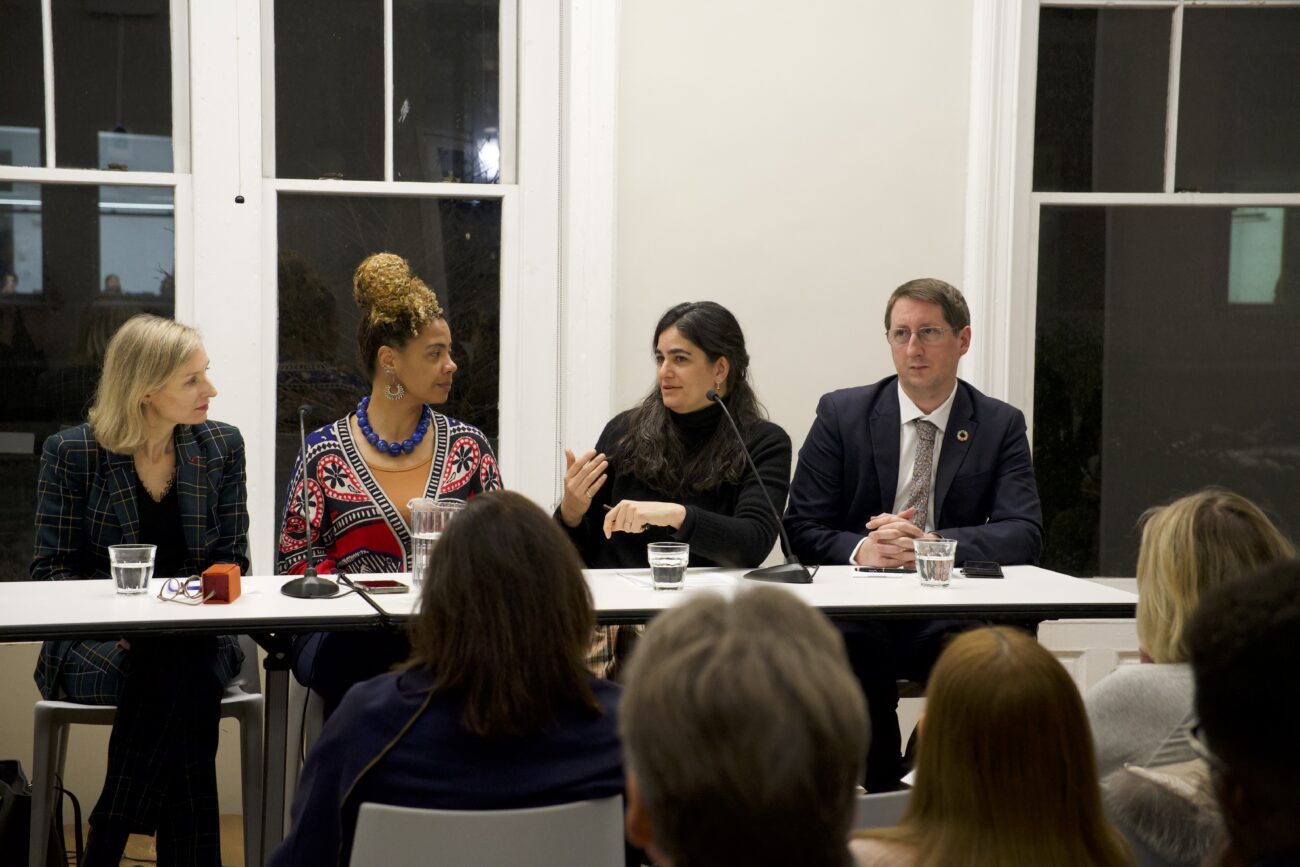
3 weeks agoMarket town pledges to save butterflies from shocking decline in UK first
Gillingham becomes the first UK local authority to commit to a nationwide challenge reversing butterfly population decline through habitat protection, pesticide elimination, and light pollution reduction.
London
fromwww.theguardian.com
1 month agoLarge tortoiseshell butterfly confirmed no longer extinct in UK
The large tortoiseshell butterfly, extinct in Britain for decades, has returned as a resident species with spring sightings across southern England, increasing Britain's native butterfly count to 60.
OMG science
fromwww.theguardian.com
3 weeks agoButterflies crossing oceans, moths navigating by the stars: unravelling the mysteries of insect migrations
Insects, including butterflies and dragonflies, undertake massive long-distance migrations across continents and oceans, with trillions traveling annually over previously unknown routes.
fromwww.theguardian.com
4 weeks agoSmall changes in how we garden can make a big difference to birds | Letter
Around a third of UK gardeners use pesticides, and our studies found that house sparrow numbers, for example, were nearly 40% lower in gardens where the pesticide metaldehyde was used. By reducing pesticide use, you can actively encourage birds back into your outdoor spaces, as they rely on invertebrates such as slugs and snails as natural prey.
Pets
fromFlowingData
1 month agoBird search patterns
A comprehensive analysis of Google search patterns related to birds explores what species people seek information about most frequently. The investigation spans six interconnected analyses examining bird variety, taxonomic classifications, information sharing behaviors, birder sighting correlations with search trends, regional popularity differences across states, and temporal patterns in search interest.
Data science
fromdesignboom | architecture & design magazine
1 month agoEntoPedia magnetic camera turns insect encounters into digital specimens without capture
EntoPedia is a wearable digital collection system designed by Junfei Teng to reframe insect 'collecting' as documentation, turning everyday encounters into moments of observation, learning, and shared knowledge without physical capture. The project received the 2026 French Design Awards Gold (Professional) in Product Design, Educational Toys & Games, recognizing its approach to ecological education through wearable interaction and community-built datasets.
Wearables
fromwww.mercurynews.com
1 month agoAccessible walks bring the joys of birding to people with mobility and other limitations
It's an opportunity for people to get out and see birds without pressure, no matter how long it takes or how many birds we see, said OBara, a retired nurse who has been leading the accessible outings for three years. She said disabled people often cannot keep up on traditional outings, especially when competitive birders are focused on checking off a list of the greatest possible number of species.
Skiing
Science
fromwww.scientificamerican.com
1 month agoScientists created a digital library full of ants
Researchers created Antscan, a digital library of 3D scans and morphological data from 2,193 ants across 212 genera, using particle accelerator technology to advance biodiversity research and understanding of ant anatomy.
OMG science
fromwww.theguardian.com
1 month agoI love midges because I know what their hearts look like': is the passion for taxonomy in danger of dying out?
Taxonomist Art Borkent warns that biting midges and other organism groups face extinction from scientific study as aging researchers lack successors and funding dries up.
fromwww.theguardian.com
1 month agoI did it. I actually saw a Cetti's warbler | Lev Parikian
Cetti's warblers barely existed in Britain in my childhood, with just a handful of sightings. But since the first breeding record in 1972 they've made inroads. Nowadays, if I visit a watery reserve and don't hear one, I write a strongly worded letter of complaint to the relevant authorities.
London music
fromYanko Design - Modern Industrial Design News
2 months agoWhen Zoo Design Tells the Story of Life Itself - Yanko Design
The House of Elements, set to become the crown jewel of Orientarium Zoo in Łódź, Poland, takes the classical elements (earth, ice, water, fire, and air) and transforms them into a 6,000-square-meter narrative experience. Rather than designing a building where you walk from exhibit to exhibit, VMA created a continuous downward-then-upward journey that mirrors the evolution of life itself. Designer: VMA Design Studio for Orientarium Zoo
Design
fromwww.kaltblut-magazine.com
2 months agoTerrain
The body is a shifting landscape transformed by surfaces and sensations. Each look captures a different tactile world: the heat of blood, the cool weight of metal, the yielding drift of water. The result is a sculptural study of how the elements carve, shield, and release the self. The materials we embody become the emotions we carry, and the body becomes a materialised exhibition of our emotions, from the pulse of Blood to the discipline of Metal to the surrender of Water.
Fashion & style
fromAeon
2 months agoThere's a gentle artistry to a museum taxidermist's craft | Aeon Videos
This short captures Tim Bovard, the staff taxidermist for the Natural History Museum of Los Angeles County, as he reflects on over five decades spent perfecting his craft. Sparked by a childhood fascination with the museum's dioramas that never faded, Bovard has devoted his career to shaping what he calls the 'illusion of life' - a process that requires both scientific precision and imaginative interpretation.
Philosophy
fromNature
2 months agoBiodiversity conservation has an evidence problem - it's time to fix it
Biodiversity loss is continuing at an unprecedented rate, with species becoming extinct at between 100 and 1,000 times the average pre-human, or 'background', rate. Human activities are the main cause. Although there are hundreds of local, regional and international initiatives to conserve and sustainably use species and ecosystems, many conservation scientists worry that measures such as interventions to conserve individual species or incentives to create protected areas are not supported by strong evidence from research.
Environment
fromKqed
1 month agoWhat an Insect View Really Looks Like | KQED
On a spring day in 1694, Antonie van Leeuwenhoek - the father of microbiology - used a magnifying lens to look at a candle through the dissected eye of a dragonfly. But instead of seeing 1 candle flame, he saw hundreds of tiny flames, repeated over and over. But spoiler alert - this is not how insects see. Hi, I'm Niba, and today we're going to explore how insects really see the world.
Science
fromwww.theguardian.com
2 months agoFrom scorpions to peacocks: the species thriving in London's hidden microclimates
London is the only place in the UK where you can find scorpions, snakes, turtles, seals, peacocks, falcons all in one city and not London zoo. Step outside and you will encounter a patchwork of writhing, buzzing, bubbling urban microclimates. Sam Davenport, the director of nature recovery at the London Wildlife Trust, emphasises the sheer variation in habitats that you find in UK cities, which creates an amazing mosaic of wildlife.
London
fromianVisits
2 months agoTickets Alert: 200th anniversary tours of London Zoo
To celebrate its bicentenary, London Zoo is launching a programme of monthly history tours that delve into two centuries of animals, architecture and scientific discovery. The guided walks are included as a free extra with a paid Zoo visit and run on a rotating theme throughout the year, allowing visitors to choose tours that match their particular interests in the Zoo's long and varied past.
London
fromNature
2 months agoDaily briefing: The battle over the identity of the first animals
Wooden objects carrying the marks of carving and use could be the oldest wooden tools ever found. Researchers dated the artefacts, found in what is now Greece, to 430,000 years ago - and suggest they might have been made by early Neanderthals or their ancestors, Homo heidelbergensis. A separate study describes 480,000-old flint-knapping tools made from antler and elephant bone, from what is now the United Kingdom.
Science
fromwww.mercurynews.com
2 months agoFrom fuzzy flowers to see-through sea slugs, here are some of the new species discovered last year by California scientists
But as he swept his flashlight through the dark waters, something unexpected emerged. Inching through the beam of light, an alien creature crawled across the surface of the sand, resembling an inch-long cluster of ghostly leaves fringed with silvery filigree and capped with a pair of antennae-like stalks. It immediately caught my eye, said Gosliner, Invertebrate Zoology Curator for the California Academy of Sciences. I've been diving there for 30 years and this one immediately struck me as different.
Science

fromwww.dw.com
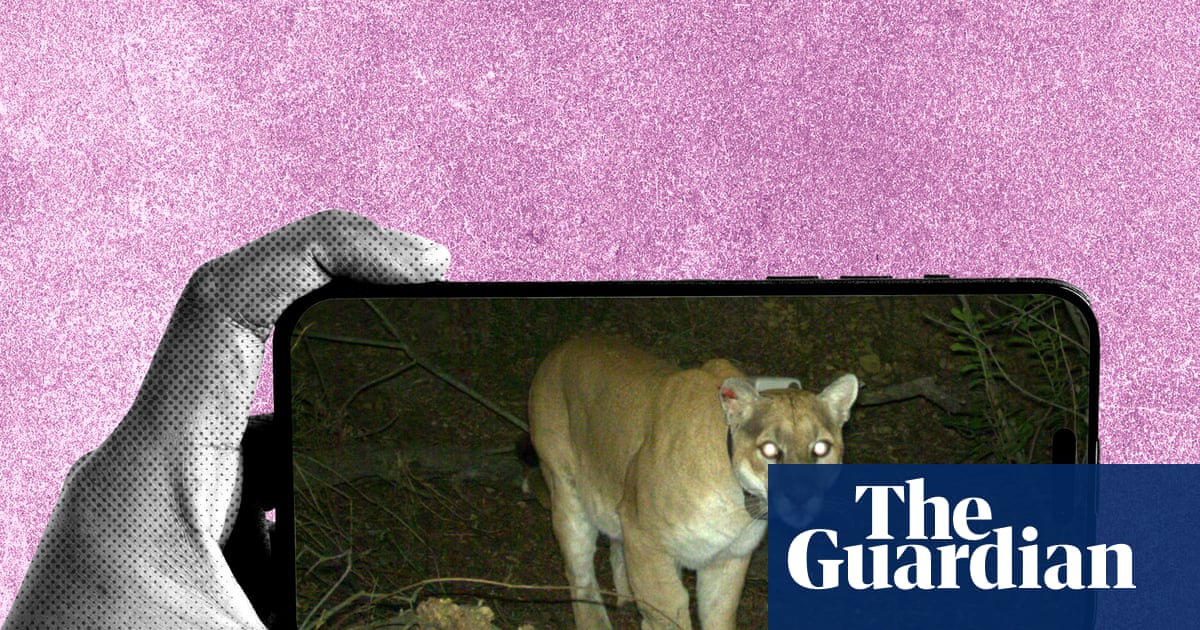
2 months agoThe business of saving nature
The world spends 30 times more money destroying nature than protecting it. That's according to a new report from the United Nations Environment Programme (UNEP) that exposes a massive gulf between so-called "harmful investments" and financing that promotes nature preservation. The global environment agency's latest "State of Finance for Nature" (SNF) report is calling to phase out the US$7.3 trillion (6.2 trillion) in global investments that damage nature including into high-emissions energy infrastructure and manufacturing, for example.
Environment
[ Load more ]