#financial-markets
#financial-markets
[ follow ]
#oil-prices #cryptocurrency #investment-strategy #investing #bitcoin #digital-assets #trump #iran #investment
fromwww.nytimes.com
2 weeks agoWhat Trump Gained, and Didn't, From China
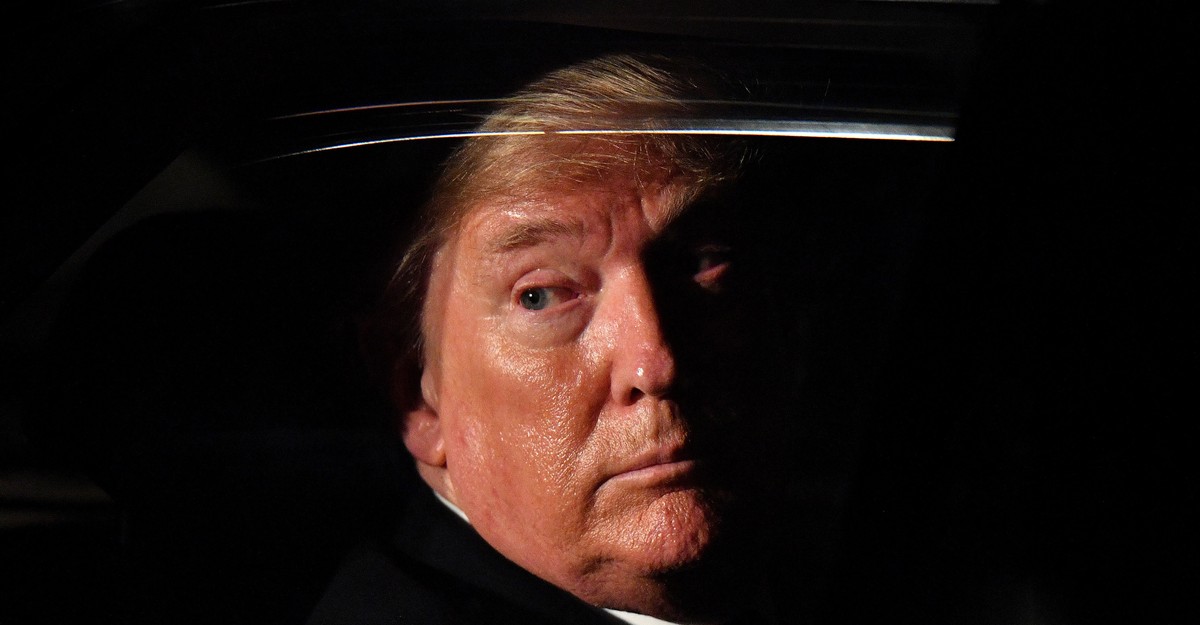
The summit seems to have fallen short of already diminished expectations. While there were optics of cooperation between Trump and Xi Jinping, concrete deals — including on Nvidia chips or tariffs — were few. Trump just said that he rejected a proposal from Xi, China's leader, to help broker a peace between the U.S. and Iran, leaving the critical Strait of Hormuz effectively shut. Ultimately, the president is coming home to rising oil prices and a slumping bond market.
World news
fromLondon Business News | Londonlovesbusiness.com
2 weeks agoSurprise growth for the UK too little, too late for the Prime Minister - London Business News | Londonlovesbusiness.com
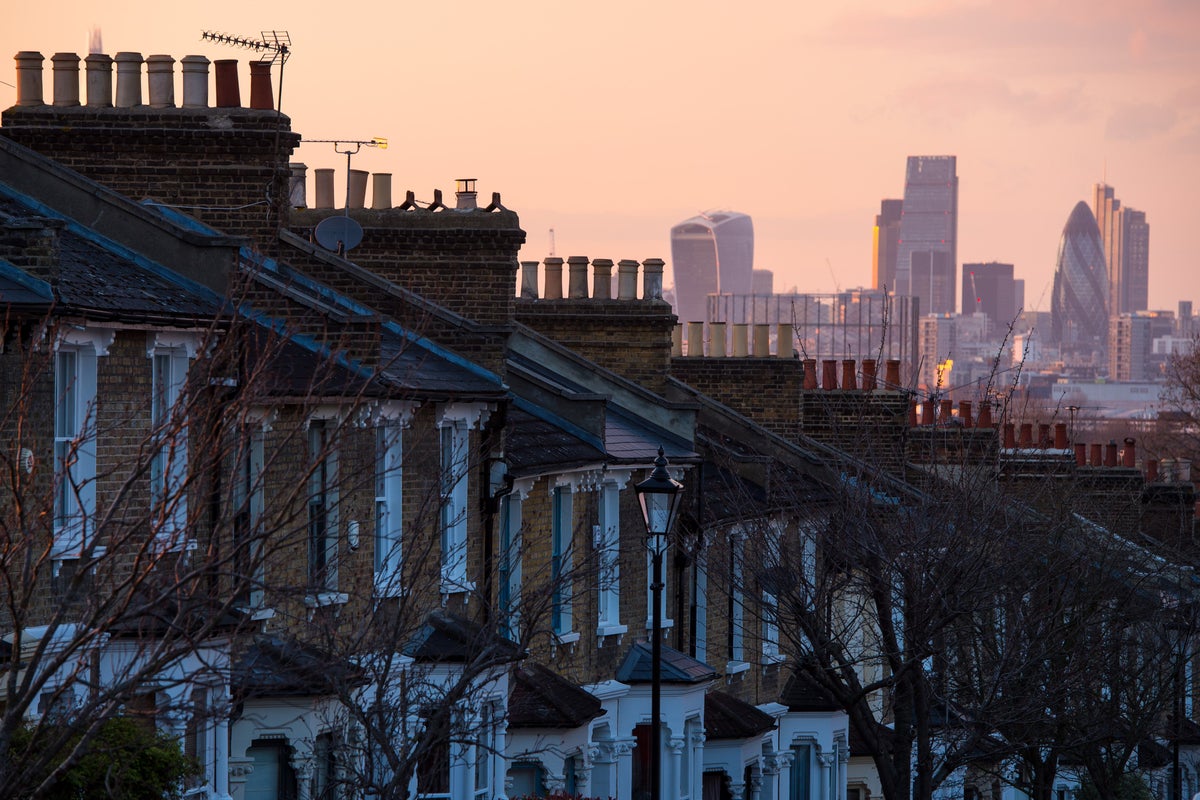
Official figures showed GDP grew by 0.3 per cent during the month after a 0.4 per cent rise in February, while the economy expanded by 0.6 per cent across the first quarter of 2026. The stronger-than-expected performance came even as global markets were rattled by surging oil prices, mounting instability in the Middle East and growing fears of a prolonged energy shock following the conflict involving Iran. Investors welcomed the figures as evidence that the British economy had so far remained more resilient than many analysts predicted.
UK news
#bitcoin
Cryptocurrency
fromnews.bitcoin.com
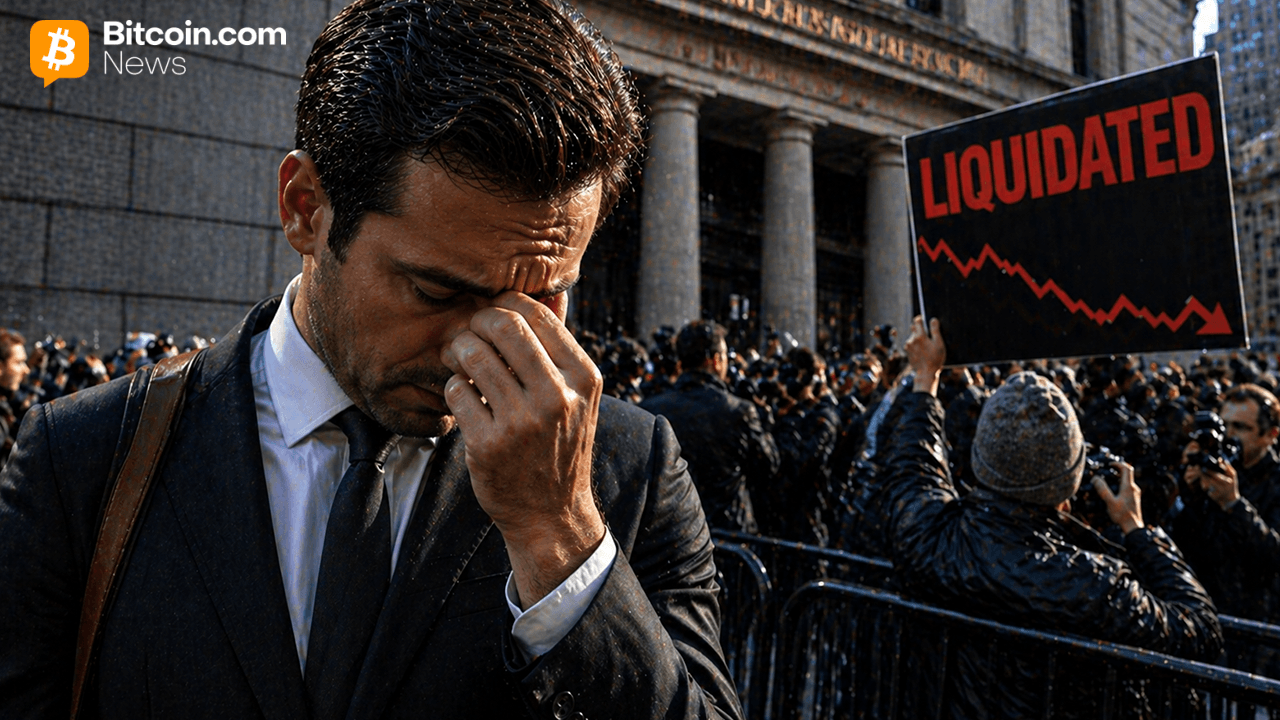
3 weeks agoCrypto Traders Liquidate $66M Shorts as Bitcoin Spikes Past $82,000 Level
Bitcoin surged to $82,000 on May 6, driven by easing geopolitical tensions and increasing market capitalization to $1.64 trillion.
Cryptocurrency
fromnews.bitcoin.com
1 month agoBitcoin Treasuries Report: Strategy Buys 44,377 BTC in March 2026 as STRC Volume Hits $746M Record
Strategy purchased 44,377 bitcoin in March 2026, holding two-thirds of all public company bitcoin holdings.
fromBitcoin Magazine
3 weeks agoCrypto Exchange Bullish Strikes $4.2 Billion Deal For Equiniti To Build Tokenized Securities Infrastructure
The transaction reflects a broader push across financial markets to bring equities and other assets onto blockchain infrastructure, addressing a gap in tokenized markets.
Venture
Poker
fromFortune
3 weeks agoWarren Buffett says markets are like a church with a casino attached, but 'we've never had people in a more gambling mood than now' | Fortune
Warren Buffett criticizes the gambling culture in financial markets, emphasizing the importance of patience and caution in investing.
from24/7 Wall St.
1 month ago1 Ultra-Safe Real Estate ETF That Actually Gained in 2008, and It Pays a 4% Monthly Yield
The ETF itself is a bond fund that tracks a market of investment-grade U.S. agency mortgage-backed securities, meaning pools of home loans packaged into bonds and issued or guaranteed by Fannie Mae, Freddie Mac, and Ginnie Mae.
Real estate

World politics
fromenglish.elpais.com
1 month agoLarry Fink, CEO of BlackRock and the most powerful man in finance: The global economy will enter a recession if the war in Iran lasts more than a year'
Larry Fink's influence in financial markets stems from his leadership at BlackRock, managing $14 trillion in assets.
fromLondon Business News | Londonlovesbusiness.com
2 months agoGlobal markets react to geopolitical tensions and rising energy costs - London Business News | Londonlovesbusiness.com
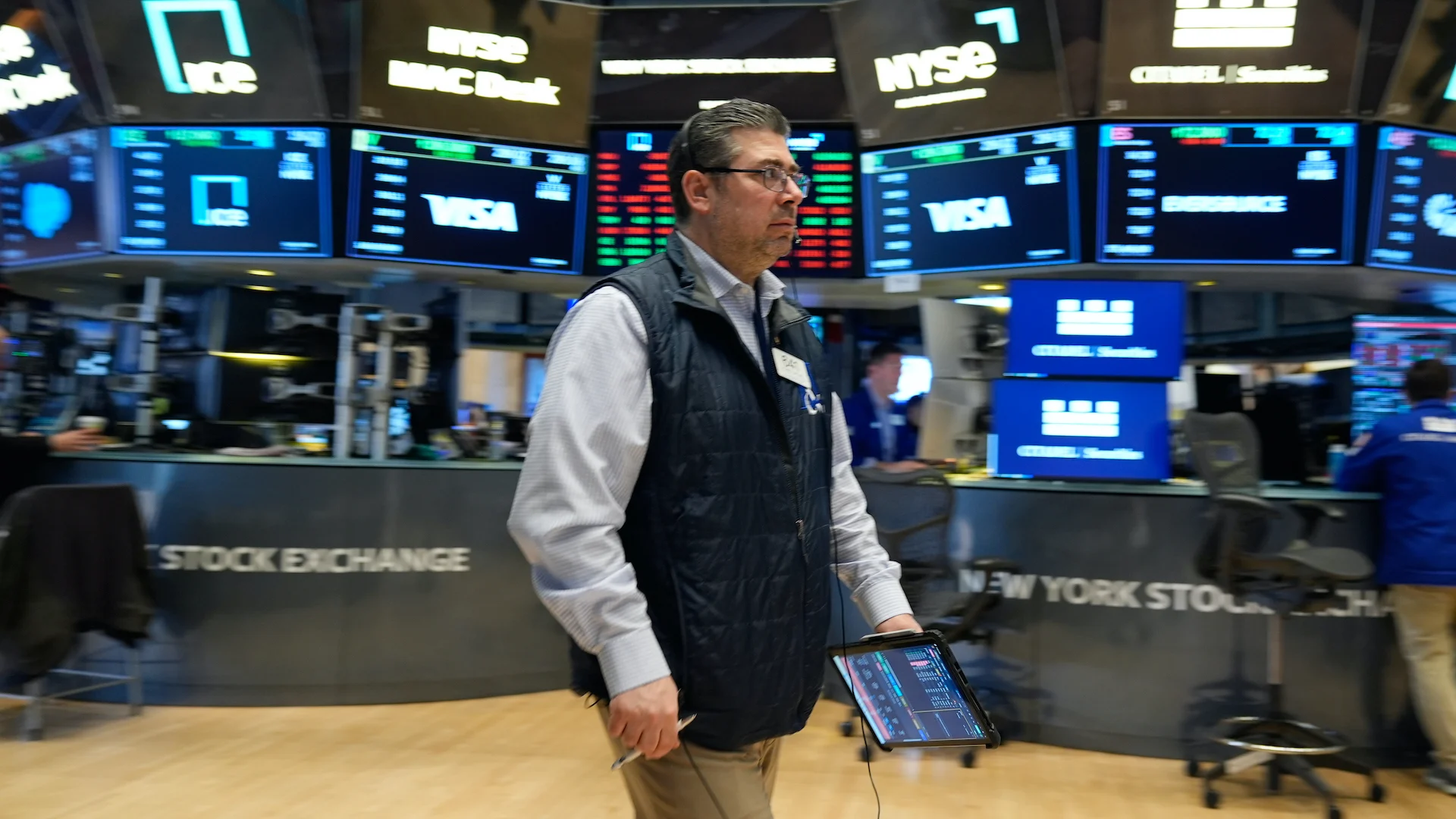
U.S. financial markets experienced a volatile week, largely influenced by geopolitical developments in the Middle East and fluctuations in energy prices. Investor sentiment was driven primarily by external events rather than domestic fundamentals.
Business
fromOpen Culture
2 months agoWatch Errol Morris's Tune Out the Noise Free Online: A Documentary About the Financial Revolution That Transformed Investing
The Efficient Market Hypothesis holds that the prices in any financial market already reflect all available information relevant to what's being traded within them.
Business

Europe news
fromLondon Business News | Londonlovesbusiness.com
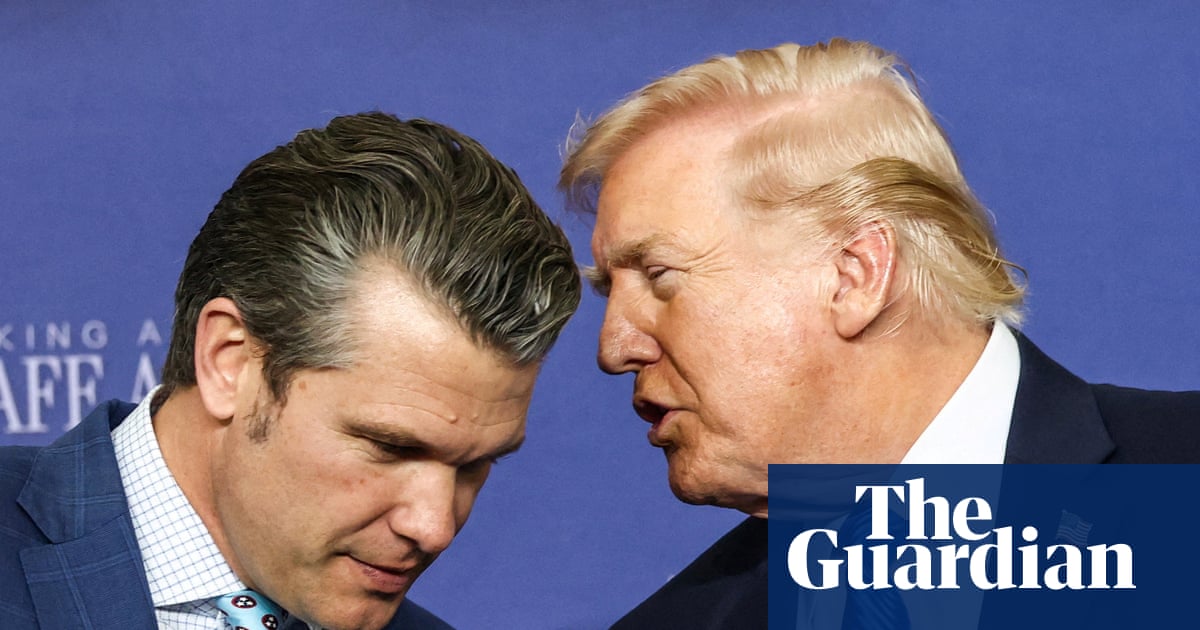
2 months agoOil prices retreat as Trump announces pause on Iran strikes - London Business News | Londonlovesbusiness.com
Global oil prices fell significantly after the postponement of U.S. strikes on Iran, reflecting hopes for de-escalation in the conflict.
fromFast Company
2 months agoThe price of crude is nearly $115 a barrel following Iran's strikes on these key Gulf energy facilities
Global energy prices soared Thursday after Iran attacked two oil refineries in Kuwait and a key natural gas facility in Qatar that can supply one-fifth of the world's liquified natural gas. The attacks added to fears the energy crisis triggered by the closure of the Strait of Hormuz to tanker traffic may be longer and more extensive than feared, with lasting damage to oil and gas production.
World news
fromwww.theguardian.com
2 months agoUK interest rate cuts unlikely this year amid Iran war and a rise could be ahead
Before the Iran war began, a rate cut at the Bank's next meeting on 19 March had been an 80% chance, but policymakers are now expected to wait to see how the conflict develops with a 99% probability of a hold at the meeting and no rate cuts for the rest of 2026, markets indicate.
UK news
World news
fromFortune
2 months agoOil prices soar past $100 while Dow futures sink 900 points as Iran war spirals into worst-case fears and U.S. eyes special forces mission | Fortune
Wall Street prices in prolonged U.S.-Israeli conflict with Iran as oil surges past $100 per barrel, threatening $4 pump prices and broader market instability.
fromwww.independent.co.uk
2 months agoOil surges after Iran strikes what does it mean for petrol prices and your money?
It is becoming increasingly common for geopolitical incidents to have a direct impact on people's finances and this looks certain to happen again after the US and Israel launched strikes on Iran, sparking conflict across the Middle East. The latest escalation comes after a year in which US president Donald Trump instigated tariffs on nations around the world during the prolonged tension between Iran and Israel.
World news
World news
fromSilicon Canals
3 months agoSanae Takaichi's cabinet is out. Japan's parliament is about to reappoint her as PM anyway - Silicon Canals
Sanae Takaichi used a mass cabinet resignation to reset her government, consolidate support, and prepare a reshuffled cabinet alongside a risky big-spending agenda.
fromAxios
3 months agoThe Goldilocks economy, if you don't look too close
Employers added a healthy 130,000 jobs in January, the Labor Department said this week, as the unemployment rate edged down to 4.3%. The caveat? That announcement came with revisions that showed job creation flatlined over the last year, with only 15,000 jobs being added per month on average. Service sectors like finance and professional services that normally power the creation of high-paying office positions have instead been shedding jobs, perhaps reflecting employers' anticipation of AI-related cost savings.
US news
US politics
fromLondon Business News | Londonlovesbusiness.com
4 months agoMarkets rally overt using Trump no force, but tariffs weapon looms, warns deVere - London Business News | Londonlovesbusiness.com
Tariffs are emerging as President Donald Trump's primary tool to pursue influence over Greenland after military force was excluded.
World news
fromLondon Business News | Londonlovesbusiness.com
4 months agoFresh highs for gold as Trump heads to Davos - London Business News | Londonlovesbusiness.com
Great power rivalry is driving strong states to seize resources and territory, while financial markets—especially the US bond market—may act as the main deterrent.
[ Load more ]