#freedom
#freedom
[ follow ]
#parenting #identity #existentialism #bitcoin #ross-ulbricht #slavery #childhood #retirement #travel #adventure
:max_bytes(150000):strip_icc()/seattle-washington-TRVLALONEUS1221-4c1bfeabf58b402ca1eec6fc05c86408.jpg)
#parenting
Writing
fromSilicon Canals
1 day agoThe hardest thing to explain to younger generations about growing up in the 1960s and 1970s isn't the lack of technology - it's the specific quality of unsupervised time, the slow afternoons, the boredom that produced things, the freedom that came with no adult tracking your location - and most of those conditions have been correctly retired, but the people they produced are unlikely to be replicated - Silicon Canals
Children today are heavily monitored and scheduled, losing the freedom and boredom that fosters creativity and self-discovery.
Parenting
fromSilicon Canals
1 week agoChildren who grew up in the 1960s and 70s without structured schedules didn't just learn independence - they built an internal compass that modern children, supervised into adolescence, are rarely given the chance to develop - Silicon Canals
Children today have less freedom and fewer opportunities to solve problems independently compared to previous generations.
#retirement
fromSilicon Canals
1 month agoRetirement
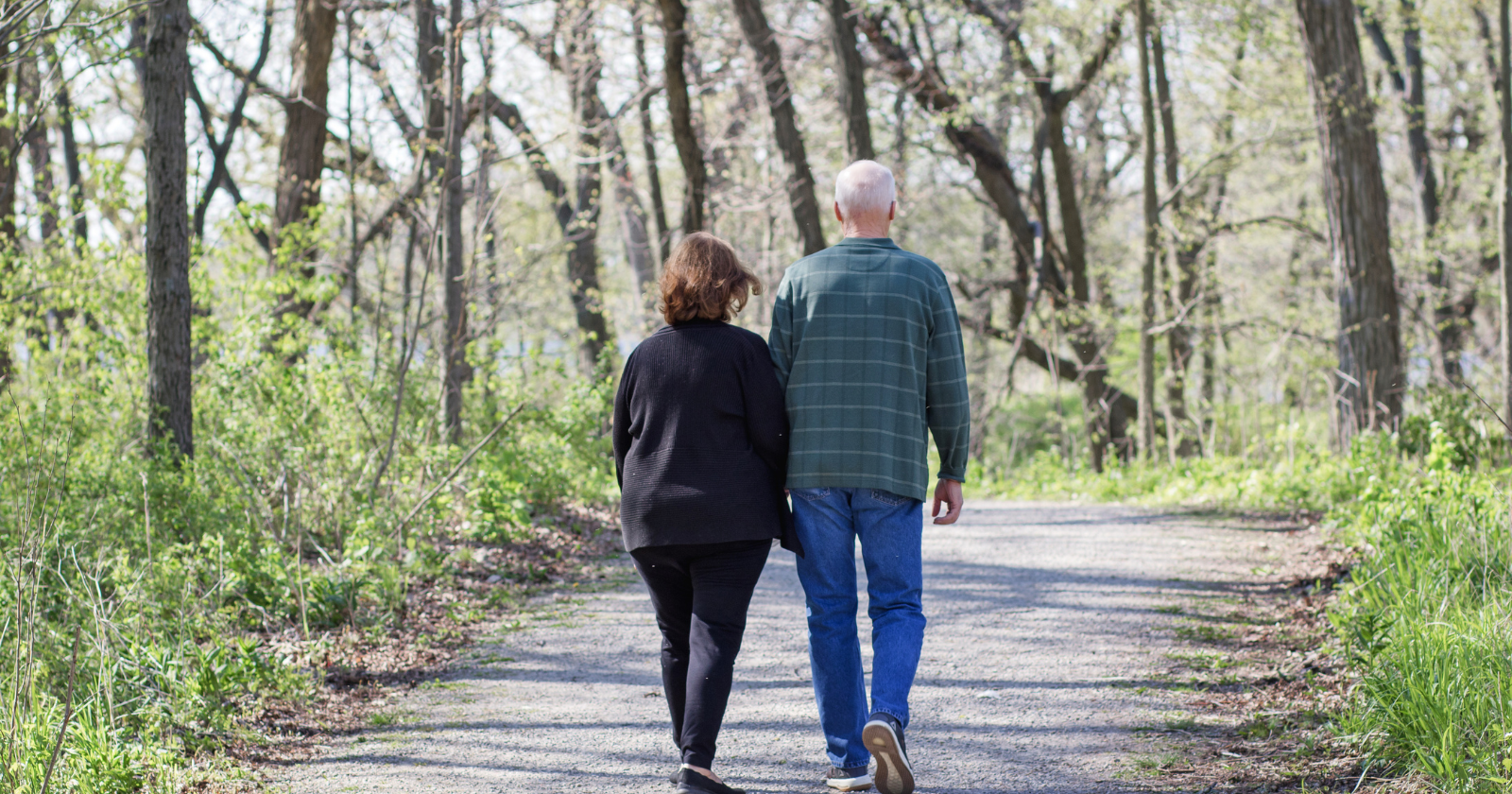
There's a version of retirement happiness that nobody puts in the brochures - it's not the traveling or the golf or the grandchildren visits, it's the first morning you wake up and realize you have absolutely no one to impress and the relief of that lands in your chest like something you've been waiting your whole life to feel - Silicon Canals
Retirement
fromSilicon Canals
3 weeks agoI always assumed retirement would bring peace - instead it feels like being handed the life I never had time to live, and the weight of that freedom is scarier than any deadline ever was - Silicon Canals
Retirement can lead to an identity crisis and feelings of purposelessness after decades of structured work life.
Retirement
fromSilicon Canals
1 month agoThere's a version of retirement happiness that nobody puts in the brochures - it's not the traveling or the golf or the grandchildren visits, it's the first morning you wake up and realize you have absolutely no one to impress and the relief of that lands in your chest like something you've been waiting your whole life to feel - Silicon Canals
Retirement brings a profound realization of freedom from the need to impress others.
fromKqed
2 weeks agoWhat Draws People Into Cults? A New Book Tracks Two Followers
Hippies placed a premium on freedom, on the right to improvise their lives as they saw fit. And yet the 1960s and seventies also revealed the limits of freedom - how an endless array of options could be confusing, overwhelming, even debilitating.
Books
Relationships
fromSilicon Canals
2 weeks agoA letter to the person who is terrified of giving up being single: the freedom you're protecting is real, and the loneliness you're tolerating is also real, and the courage isn't in choosing one over the other, it's in admitting you've been holding both this entire time - Silicon Canals
Long-term singleness can bring both genuine freedom and loneliness, challenging the narratives of being either broken or enlightened.
fromThe Atlantic
3 months agoOne of Our Own
For Lowell There are things which, said and true, are of this generation's past; of fighting freedom's battles and of taking off the mask- stories of the actions taken, to blot out the blights of sin, how heroes and the valorous fought their enemies within, Would we be traitors to our bugle, which beckons with its call? - They won freedom for their people but in fine print said: be damned.
US politics
fromwww.theguardian.com
4 months agoCan we have more comedies?': Armenian cinema processes trauma as country wrangles EU membership and Trump
There is a point during Tamara Stepanyan's My Armenian Phantoms when the documentary cuts to the final scene of the 1980 Soviet film, A Piece of Sky, in which the orphaned lead character, joyfully rides a horse and cart through the town that had long shunned him and the sex worker he married as social outcasts. A flock of birds are then framed gliding through the pristine blue sky above.
Film


fromenglish.elpais.com
7 months agoTsitsi Dangarembga: We are never completely free; we have moments of freedom'
I don't think we'll ever reach freedom. I think that it's a thing we sometimes get closer to, and sometimes we move further away from. Some people believe that freedom is an individual matter. And they may have a lived context that allows them to believe that they are free. But something always happens that makes it clear that we are never completely free; we have moments of freedom. Freedom is a desire. Achieving it requires us to move towards it.
Books





Retirement
fromBusiness Insider
10 months agoMy husband and I sold everything to travel full-time. We keep to a $3,000 monthly budget and have strategies to keep costs down.
Selling everything to travel full-time transformed our lives, emphasizing intentional living and financial planning to sustain our new lifestyle.
fromPsychology Today
10 months agoFreedom and Shame in Addiction
To be sure, addicts typically suffer impaired control. But substance misuse doesn't involve tropisms and reflexes. The addict believes, and believes correctly, that there are ways, often requiring help and support, to regain and leverage the power of self-control, and to act and be different in the future than they are now.
Mindfulness


#slavery
History
fromWorld History Encyclopedia
10 months agoHarriet Tubman's Escape from Slavery
Sojourner Truth and Harriet Tubman escaped slavery with determination and courage.


[ Load more ]