#frieze-abu-dhabi
#frieze-abu-dhabi
[ follow ]
#contemporary-art #art-fairs #art #art-exhibitions #art-basel-qatar #architecture #art-dubai #art-exhibition

#art
fromThe Art Newspaper - International art news and events
4 days agoArts
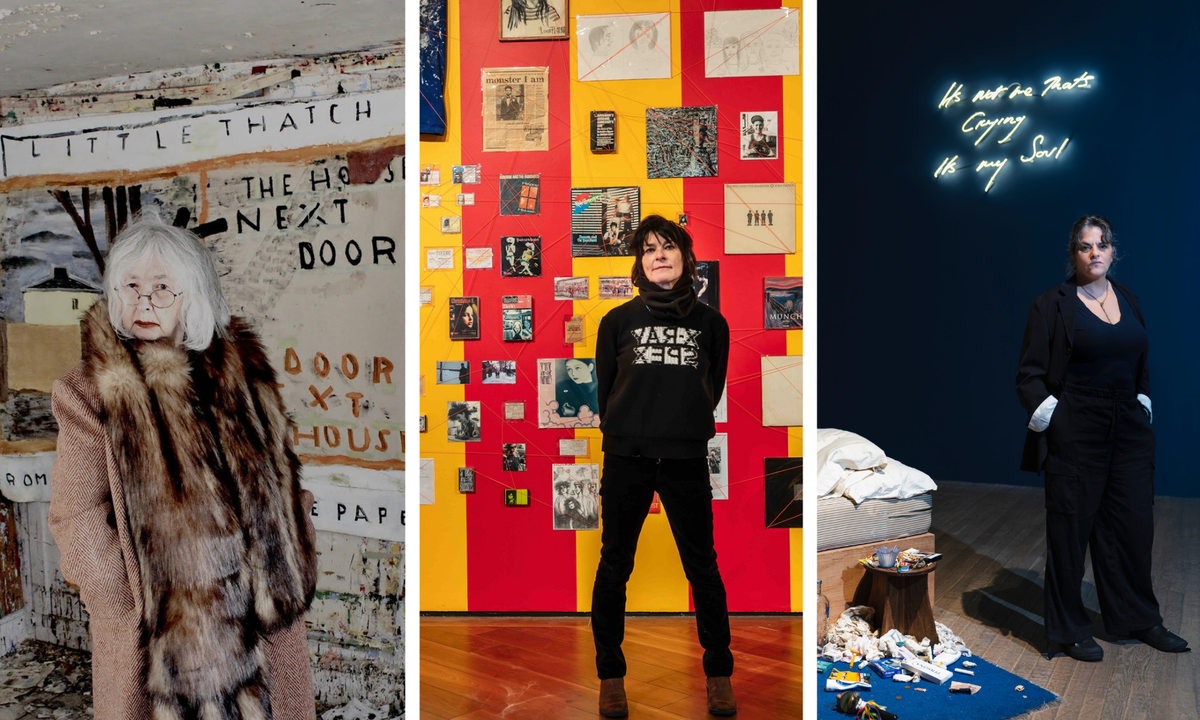
Defiant women and daring paintings: Emin, Webster and Wylie create a buzz in the UK's exhibition calendar
The UK's art scene is thriving with exhibitions from three influential women artists, showcasing their creativity and breaking conventions.
fromIrish Independent
2 weeks agoArts
'You have to step in and experience it' - artists on the rise of AI-generated art and the 'essential' gallery visit
Miriam Fitzgerald Juskova's exhibit combines paper quilling with mathematics, showcasing intricate art that engages viewers and emphasizes the value of handmade creations.
Arts
fromIrish Independent
2 weeks ago'You have to step in and experience it' - artists on the rise of AI-generated art and the 'essential' gallery visit
Miriam Fitzgerald Juskova's exhibit combines paper quilling with mathematics, showcasing intricate art that engages viewers and emphasizes the value of handmade creations.
fromArchDaily
3 days agoV&A East Museum by O'Donnell + Tuomey to Open in East London's Cultural Quarter
The two-building complex aims to spotlight the many ways global artists, designers, and makers use creativity to shape the world, dedicated to creative opportunity and its power to bring change.
London
World news
fromLondon Business News | Londonlovesbusiness.com
1 week agoThe UAE's policies fuel serenity amid geopolitical uncertainty - London Business News | Londonlovesbusiness.com
The UAE's crisis management showcases efficiency and inclusivity, emphasizing support for expatriates and residents during recent disruptions.
#art-fair

Berlin
fromThe Art Newspaper - International art news and events
1 week agoIs Dubai's loss Palma's gain? Newly revived Mallorca fair offers 'sun, sand and safety' for wealthy Germans
Art Cologne Palma Mallorca showcases a diverse international art scene, emphasizing cultural tourism and local government support for the arts.


fromConde Nast Traveler
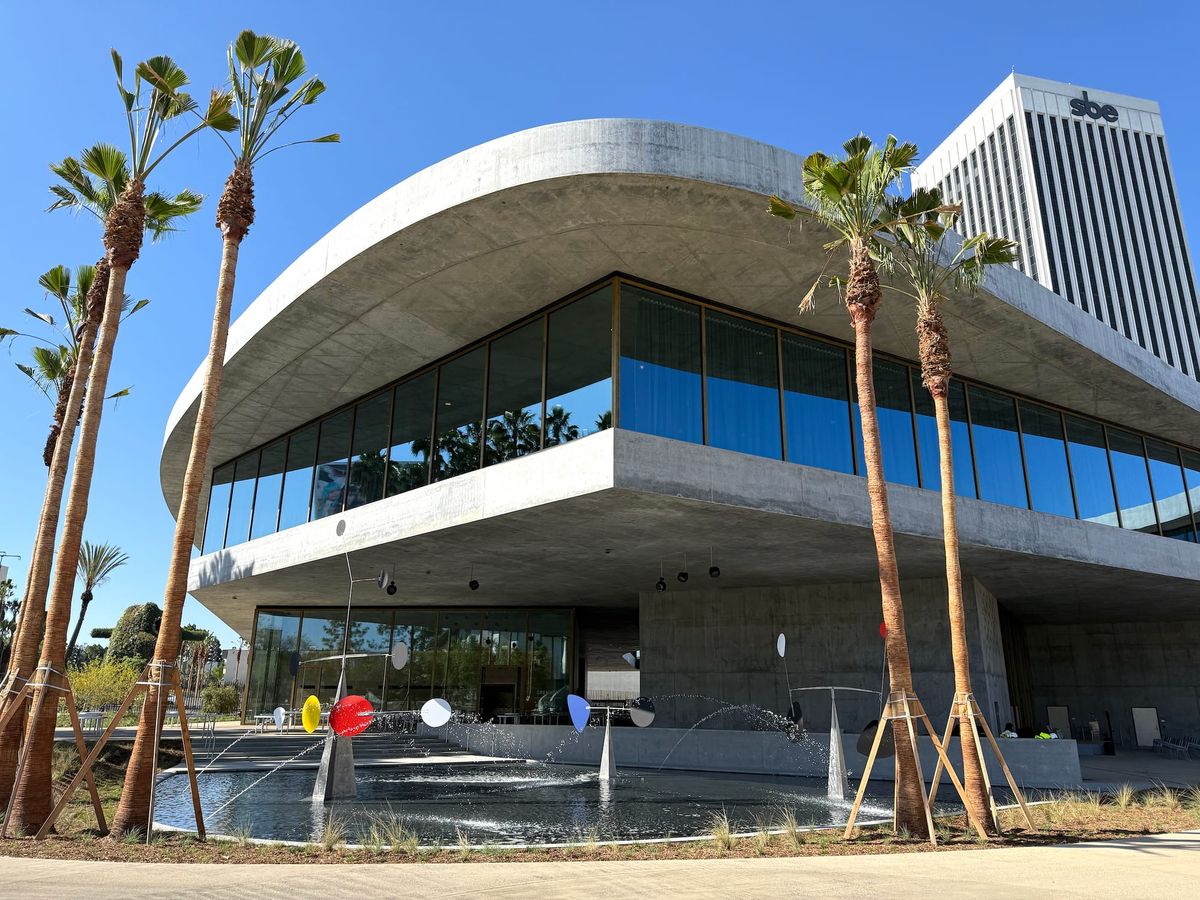
2 months agoA Guide to Saadiyat Cultural District, Abu Dhabi's Art-Centric Island
Sitting at the western tip of one of Abu Dhabi's many coastal islands, Saadiyat Cultural District's transformation from an expanse of featureless sand into the home of one of the world's most ambitious cultural projects has taken almost two decades. But, after years of construction shrouded in clouds of windblown dust, the much-anticipated cultural quarter has come into its own almost overnight, earning itself a spot on Condé Nast Traveler's list of The Best Places to Go in 2026.
Travel
fromArtnet News
3 days agoPainting Has Entered Its Performance Era | Artnet News
Much of Instagram's video content is organized around transformation-the virtual magic of the before-and-after and clips that show cause and effect. A person makes pasta from scratch in 20 seconds via edits that compress time-intensive labor.
Arts
fromArtnet News
3 days agoArtnet and Artsy Come Together Under Shared Leadership | Artnet News
Artnet was founded to bring transparency to the art world, and Artsy-to make discovering and buying art more accessible. Connecting the businesses opens up new possibilities, including modernizing and building upon the art world's most trusted pricing tools.
Arts
fromArtnet News
5 days agoThe "Next Asian Art Hub" May Be the Wrong Question
In both places, there was a sense of energy building that was not yet fully visible. The experiences made me realize that, while sales totals and fair brands can serve as benchmarks of centrality, slower, structural transformations are taking place throughout Asia that merit closer attention.
Arts
fromTravel + Leisure
2 months agoThis Middle Eastern Destination Is the Most Exciting Art City Right Now-With World-Class Museums and a New Art Fair
Five bronze towers soar 400 feet above Saadiyat Island, the ever-expanding cultural district just off the coast of Abu Dhabi. The structures-which recall the wings of a falcon, a highly prized symbol in the United Arab Emirates-are the architectural signature of the Zayed National Museum, which opened in December. Two weeks before, another vastinstitution, the Natural History Museum, debuted. They will be followed later this year by the most ambitious of all-the late Frank Gehry's Guggenheim Abu Dhabi.
World news

fromHyperallergic
2 weeks agoThe Art World Is a Joke
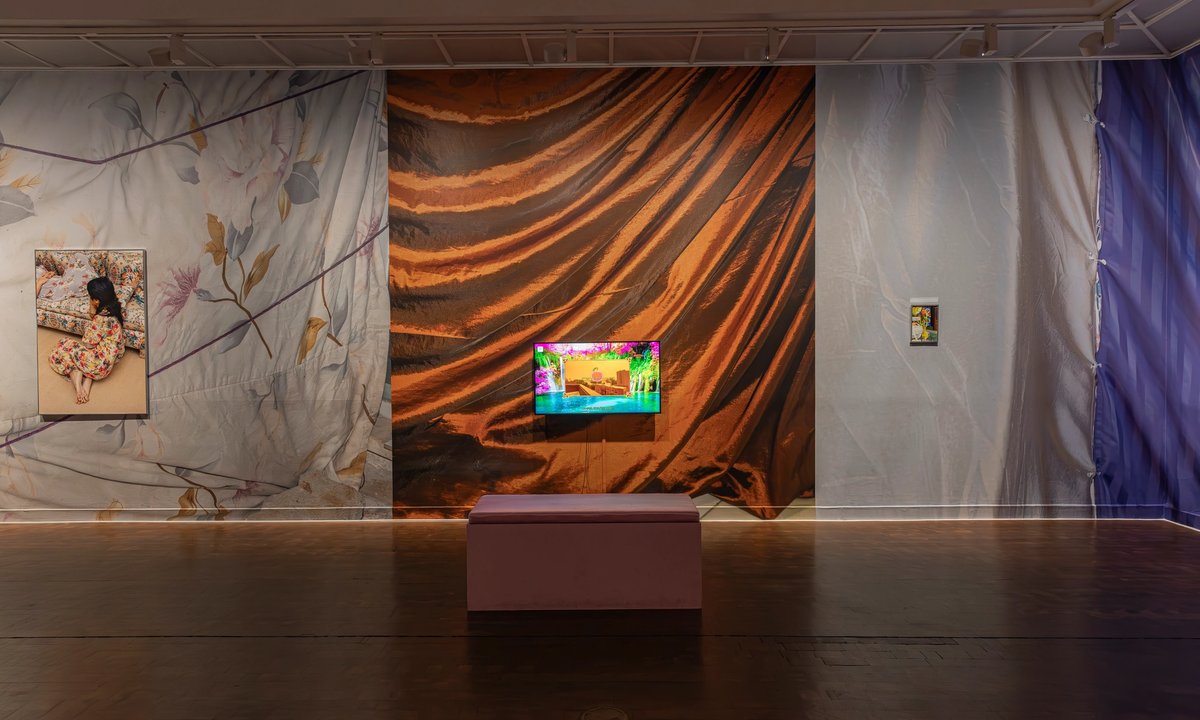
Kamrooz Aram is everywhere this year, from Mumbai Art Week to the Whitney Biennial, and critic Aruna D'Souza is grateful. She pens a beautiful meditation on his work, reading his abstract paintings as not simply a denunciation of Western modernism nor a reassertion of Islamic visual motifs, but something else entirely - something gestural, exuberant, riotous, and incomparably his own.
Arts
Arts
fromThe Art Newspaper - International art news and events
4 weeks agoArt Dubai 2026 to be postponed and adapted in response to regional conflict
Art Dubai 2026 moves to May with adapted format, flexible pricing based on sales instead of stand fees, and remote participation options due to regional conflict.
fromHyperallergic
1 month agoEmbracing Friction in the Art World
On Franklin Street in Brooklyn's Greenpoint neighborhood, one non-commercial gallery fosters 'a small, stubbornly human space for friction.' Friction—the ubiquitous buzzword that captures the simultaneous delight and discomfort of doing things the slow way—is at the heart of artists Pap Souleye Fall and Char Jeré's current show at Subtitled NYC. It also reflects the overall spirit of this little exhibition space and of a burgeoning movement to reject our culture of optimization in favor of a bumpier, more intimate, less alienating experience.
Arts



fromThe Art Newspaper - International art news and events
2 months agoLouvre Abu Dhabi director Manuel Rabate leaves to head India's largest private art museum
I have always had a keen interest in South Asia and in India in particular for both its cultural richness and its institutional life. I am excited to be part of a project that will change the museum landscape of the subcontinent. My role will be transversal to the full life of the museum, engaging with all its activities, with the primary focus on ensuring readiness to operate at the highest international and regional standards, to serve India and its communities and its visitors.
Arts
fromArtnet News
2 months agoSingapore to Doha to Delhi: The New Cultural Corridor Shaping Asia's Art Market | Artnet News
This year's Art SG, which closed last month, featured an intriguing debut: South Asian Insights, a modest pavilion dedicated to contemporary art from the region. Part of the TVS Initiative for Indian and South Asian Contemporary Art, it was backed by India's TVS Motor Company, one of the world's largest two-wheel manufacturers, which has its global headquarters in Singapore. Eight galleries-five from India-were each given a wall to showcase art.
Arts
Arts
fromThe Art Newspaper - International art news and events
2 months agoIndia Art Fair strengthens its role as launchpad for South Asian talent
India Art Fair's 17th edition broadens South Asian art's global visibility with 87 galleries and spotlights regional artists advancing to major international exhibitions.
Arts
fromThe Art Newspaper - International art news and events
2 months ago'An institution where you delve into works': details of AlUla Contemporary Art Museum announced
AlUla Contemporary Art Museum, designed by Lina Ghotmeh, will open in AlUla, Saudi Arabia, focusing on heritage, environment, community and artist-centred collections.


fromThe Art Newspaper - International art news and events
2 months agoLawrence Abu Hamdan and Lydia Ourahmane among artists confirmed for new Qatar quadrennial
The quadrennial exhibition introduces a new type of transnational, transdisciplinary program to Doha, rooted in issues that affect both Qatar and the wider region. The artists exhibiting broadly represent the diverse nationalities that live in Qatar, while their work reflects the shared geographical, environmenta
Arts
Arts
fromThe Art Newspaper - International art news and events
1 month agoIn Pictures: Sculpture gets a leg up at Frieze Los Angeles
Contemporary artists showcase innovative sculptural works at art fairs, blending traditional materials with conceptual themes and attracting significant collector interest.
Arts
fromThe Art Newspaper - International art news and events
2 months agoFrom a bakery pop-up to an I.M. Pei survey: the exhibitions to see in Doha during Art Basel Qatar
Rirkrit Tiravanija's Untitled 2025 is an interactive bakery installation enabling communal baking sessions that foster cultural connectivity and participatory social exchange.
[ Load more ]