#health--parkinsons
#health--parkinsons
[ follow ]
#alzheimers-disease #parkinsons-disease #clinical-trials #dementia #gene-therapy #adhd #dopamine #brain-health







fromIndependent
2 weeks ago'Motor neurone disease had never crossed my mind, but in that moment I was told, my life changed forever'
When Lorraine Kelly Donnelly felt a cramp in her left hand at the start of 2025, she didn't think anything of it. But when a week later the pain was still there, she made an appointment to see her GP.
Medicine
fromPsychology Today
1 month agoWeeding Out Agitation: A New Leaf for Dementia Care
Over the past six years, I've had the privilege of caring for patients with varying degrees of cognitive impairment. As a medical cannabis doctor, I often visit these patients in memory care units, seeing these once self-sufficient individuals, their personas now diminished, no longer able to care for themselves. They become angry and anxious as they confront the fact that their minds, their memories, what made them who they were, recollections of all that they have lived through and accomplished, are slipping away from them.
Healthcare
Cannabis
fromwww.theguardian.com
1 month agoSyngenta says it will stop making pesticide linked to Parkinson's disease
Syngenta will cease paraquat production by June 2024, citing low sales contribution and generic competition, while facing thousands of Parkinson's disease lawsuits from exposed individuals.
Medicine
fromenglish.elpais.com
4 weeks agoWhy some people get hooked and others don't: genetics, childhood and brain circuits explain addiction
Addiction is a mental disorder requiring professional treatment, not a matter of willpower or personal choice, yet society continues to stigmatize it as a moral failing.
fromBrooklyn Eagle
2 months agoMaimonides Health opens new Women's Neurology Center
MAIMONIDES HEALTH HAS OPENED THE FIRST WOMEN'S NEUROLOGY CENTER in New York City, a comprehensive-specialty neurology and OB/GYN care practice designed to meet women's unique neurologic health care needs throughout the lifespan. The first of its kind in the five boroughs, this neurology center will utilize a comprehensive care model based on emerging medical knowledge that helps women of all ages achieve long-term neurologic health.
Brooklyn
fromSilicon Canals
2 months agoNeurologists reveal the everyday habit that doubles your dementia risk - Silicon Canals
A groundbreaking study found that adults who sit for 10 or more hours daily face a significantly higher risk of dementia compared to those who sit less. The research, which tracked over 50,000 adults using wearable devices, revealed that the risk increases dramatically after crossing that 10-hour threshold.
Health
fromwww.bostonherald.com
1 month agoWhat is ALS, the disease that killed actor Eric Dane?
It affects nerve cells in the brain and spinal cord, causing loss of muscle control and getting worse over time. ALS causes nerve cells in the upper and lower parts of the body to stop working and die. Nerves no longer trigger specific muscles, eventually leading to paralysis. People with ALS may develop problems with mobility, speaking, swallowing and breathing.
Public health
Science
fromNews Center
2 months agoTargeting Key Proteins in Fight Against ALS - News Center
RAD23 controls both degradation and stabilization of misfolded proteins; reducing RAD23 enhances clearance of disease-linked aggregates, offering a therapeutic target for neurodegenerative proteostasis dysfunction.
fromNature
1 month agoDopamine takes a hit: how neuroscience is rethinking the 'feel-good' chemical
Dopamine is one of the most extensively studied neurotransmitters, chemicals that convey signals from cell to cell. It's the one with the highest profile outside neuroscience: often known as the 'pleasure chemical', it's depicted as the hit of reward that people get from recreational drugs or scrolling through social media. That's a gross simplification of what dopamine does; on that, researchers agree.
Medicine
Medicine
fromwww.theguardian.com
1 month agoRestraining and sedating dementia patients routine' in hospitals in England, study finds
Dementia patients in English hospitals routinely experience restraints and non-consensual sedation as embedded ward practices, with staff often unaware these constitute restrictive interventions.
fromPsychology Today
2 months agoWhen Memory Worries Deserve Attention
Most people will forget a name, misplace their phone, or lose track of a conversation at some point. Usually, those moments pass without much thought. But for many adults, especially as they age, small lapses can trigger a much deeper fear: Is this the beginning of cognitive decline? As a neurologist, I hear this concern often. And as a researcher, I have learned something important: Worry about cognition and cognitive disease are not the same thing.
Mental health


fromFast Company
2 months ago4 things to look for when choosing a long-term care facility for a loved one
Sometimes it's a fall that brings a broken hip and a loss of mobility. Or memory problems that bubble into danger. Or the death of the partner who was relied upon for care.The need to move to a nursing home, assisted living facility or another type of care setting often comes suddenly, setting off an abrupt, daunting search. It's likely something no one ever wanted, but knowing what to look for and what to ask can make a big difference.
Public health
#gene-therapy


Medicine
fromNews Center
1 month agoFirst Gene Regulation Clinical Trials for Epilepsy Show Promising Results - News Center
Zorevunersen, a gene-regulation therapy, demonstrates safety and effectiveness in reducing seizures and improving developmental outcomes in Dravet syndrome patients by targeting the underlying genetic cause.
fromPsychology Today
1 month agoCould Glial Cells Be the Key to New Schizophrenia Treatments?
Anyone living with schizophrenia understands the true limitations of current treatment options. Antipsychotics remain the single leading treatment for the disorder, and they are riddled with undesirable side effects. Weight gain, tardive dyskinesia, and excessive drowsiness are a few. Much research is devoted to expanding the range of medication options, and few academics have pursued other avenues. However, there is a possibility that treatment for schizophrenia can be approached through cellular methods if long-term research validates early signs of hope.
Mental health
Medicine
fromwww.theguardian.com
1 month agoRecreational drugs can more than double risk of stroke, study suggests
Amphetamine and cocaine use more than double stroke risk, with cannabis increasing risk by 37%, while opioids show no increased stroke risk according to analysis of over 100 million people.
fromSilicon Canals
2 months agoWhy your hands shake slightly after 60 and when doctors say you should worry - Silicon Canals
Remember when you first noticed your parents' hands trembling slightly as they poured coffee or signed a check? I started paying attention after my mother mentioned it during one of our Sunday calls, brushing it off as "just getting older." But that conversation sent me down a research rabbit hole that revealed something fascinating: those tiny tremors that appear after 60 aren't always what they seem, and knowing the difference between normal aging and something more serious could change everything.
Medicine

fromwww.scientificamerican.com
1 month agoAlzheimer's blood tests may predict when a person will develop symptoms
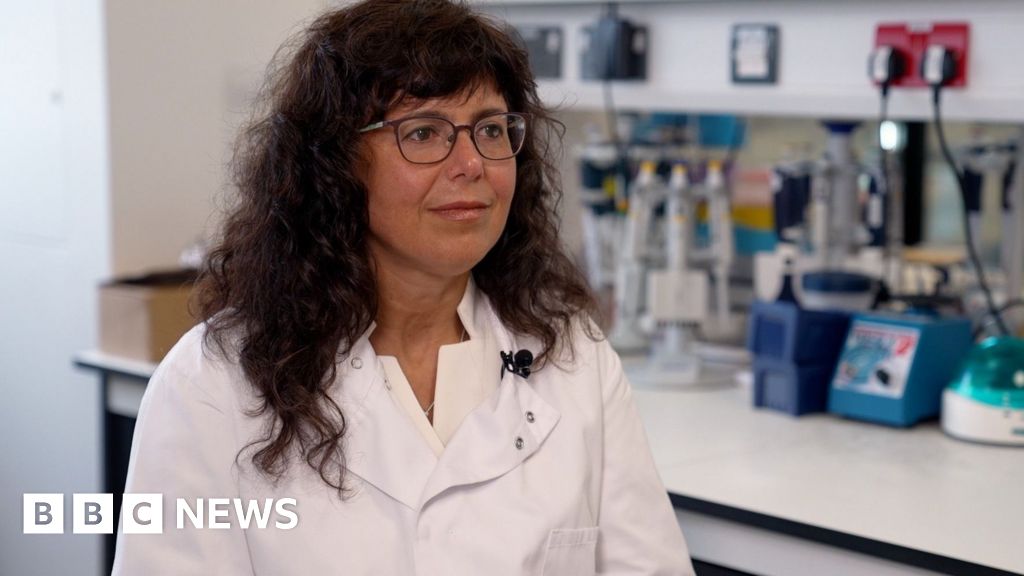
But questions remain about the accuracy and uncertainty of these tests, and experts caution that the assays aren't ready for prime time. While the results here are encouraging, they are not yet at the level of having significant clinical benefit for individual patients, says Corey Bolton, a clinical neuropsychologist and an assistant professor of medicine at Vanderbilt University Medical Center, who was not involved in the new study.
Medicine
fromNews Center
3 months agoExperimental Drug Shows Promise for Rare Genetic Disorder - News Center
Mucopolysaccharidosis type II (MPS II), or Hunter syndrome, is a rare genetic disorder primarily affecting boys, caused by a deficiency in the enzyme needed to break down sugar molecules. This harmful buildup in cells and tissues impacts multiple body systems, causing frequent infections, organ enlargement and developmental disabilities. Management involves supportive care and enzyme replacement therapy, as there is currently no cure,
Medicine
fromNature
2 months agoDaily briefing: Caffeine might reduce dementia risk and slow cognitive decline
Researchers used data from two health studies to track the caffeine-drinking habits of more than 130,000 people over four decades. They found that drinking 2-3 cups of coffee or 1-2 cups of tea a day was associated with the greatest reductions in rate of cognitive decline, a result that held true even in people with a genetic variant called APOE4, which is associated with Alzheimer's disease.
Medicine
[ Load more ]