Healthcare
fromwww.amny.com
12 hours agoOp-Ed | Why NYC's New Health Plan Is Failing Its Workforce | amNewYork
New York City's transition to a new health plan has disrupted access to care for many municipal employees and retirees.
Patients are increasingly selective in choosing their healthcare providers, demanding convenience, transparency, and personalised service at each point of contact. Dental practices understand that a positive patient experience can lead to strong word-of-mouth referrals and favourable online reviews, which directly impact their reputation in the market.
Most people leave doctor visits with prescriptions, but still feel unsure—instructions make sense, but no one asks about their life. In contrast, when a provider knows your name, remembers your story, and explains care in a way that fits you, the experience feels different—and that difference matters.
In light of the systemic dismantling of America's public health agencies, these moves essentially create a shadow infrastructure to maintain some of what is being lost. While this is a promising development, it does nothing to stop a troubling trend that has been emerging for some time: The country is quickly becoming fragmented along partisan lines when it comes to public health.
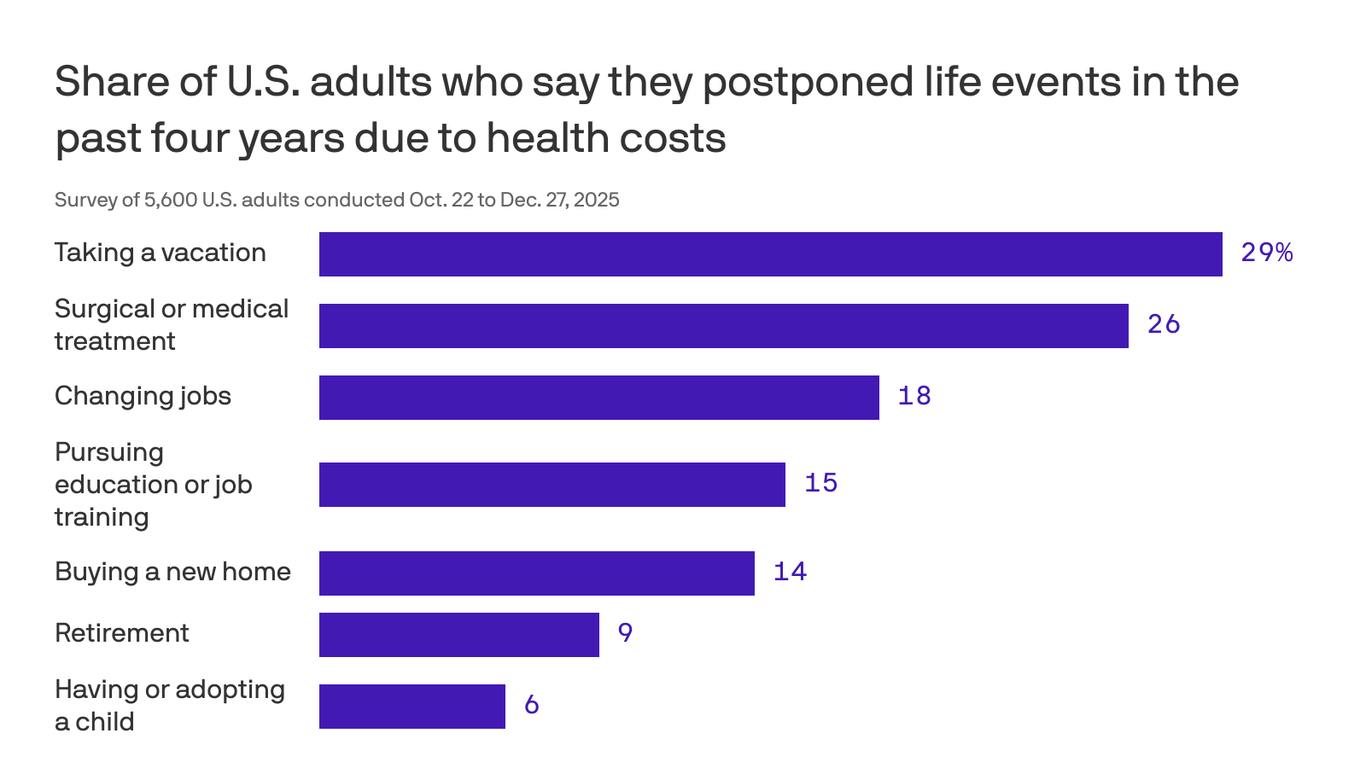
The issue is particularly critical right now for people who have insurance plans through the Affordable Care Act marketplace. Prices for those plans have skyrocketed this year after Congress failed to extend critical tax credits. Without those credits, monthly premiums for ACA plans have, on average, more than doubled. Early data on ACA enrollments for 2026 not only suggests that fewer people are signing up for the plans, but also that those who are enrolling are often choosing bronze plans, which are high-deductible plans.
Between March 2020 and March 2022, over 100 million telemedicine services were delivered to approximately 17 million Australians. The Australian government invested $409 million to make telehealth permanent, whilst the UK announced £600 million for digital health infrastructure in April 2025. Patient adoption is equally impressive: 60% find telemedicine more convenient than in-person appointments, 55% report higher satisfaction with teleconsultations, and 74% of millennials prefer virtual appointments for routine care. These aren't temporary shifts; they represent a fundamental transformation in healthcare delivery.