#healthy-aging
#healthy-aging
[ follow ]
fromSilicon Canals
3 weeks agoPeople who genuinely shock others when they reveal their age after 60 all share these 10 non-negotiable daily habits - Silicon Canals
You've heard it before, but these folks take water seriously. We're talking 8-10 glasses minimum, every single day without fail. But here's what sets them apart: They don't wait until they're thirsty. They start their morning with a full glass before coffee, keep a water bottle within arm's reach all day, and track their intake like they track their bank balance.
Wellness
Wellness
fromSilicon Canals
3 weeks ago8 everyday habits that make people in their 60s and 70s seem decades younger than they actually are - Silicon Canals
Daily, simple habits—consistent movement, genuine curiosity, and small routines—produce youthful energy and preserve physical and cognitive vitality.
#longevity

Mindfulness
fromBusiness Insider
3 months agoMy 81-year-old grandma is still in remarkable health. She says not chasing traditional success is the key to her longevity.
An 81-year-old grandmother credits longevity to strong family and church community, daily activity, healthy eating, mental engagement, and redefining success.
Wellness
fromBusiness Insider
5 months agoA 96-year-old doctor retired only 4 years ago. He credits his longevity to career passion, a low-fat diet, and his cat.
Lifelong professional engagement, a low-fat diet, stress management, curiosity, and strong social ties support sustained physical and cognitive health into the late 90s.
Wellness
fromSilicon Canals
4 weeks agoIf you adopt these 8 habits before you turn 60, you'll maintain your youthful energy for decades - Silicon Canals
Consistent daily movement and deliberate stress recovery preserve mobility, energy, and resilience, enabling healthier aging through small, sustainable habits.
Alternative medicine
fromAlternative Medicine Magazine
1 month agoNew Bio-Luteolin Supplement for Healthy Aging Benefits
Bio-Luteolin™ provides dramatically increased luteolin bioavailability—up to 14× overall and up to 10× free luteolin—using a fenugreek galactomannan coating to enhance healthy aging benefits.

fromwww.npr.org
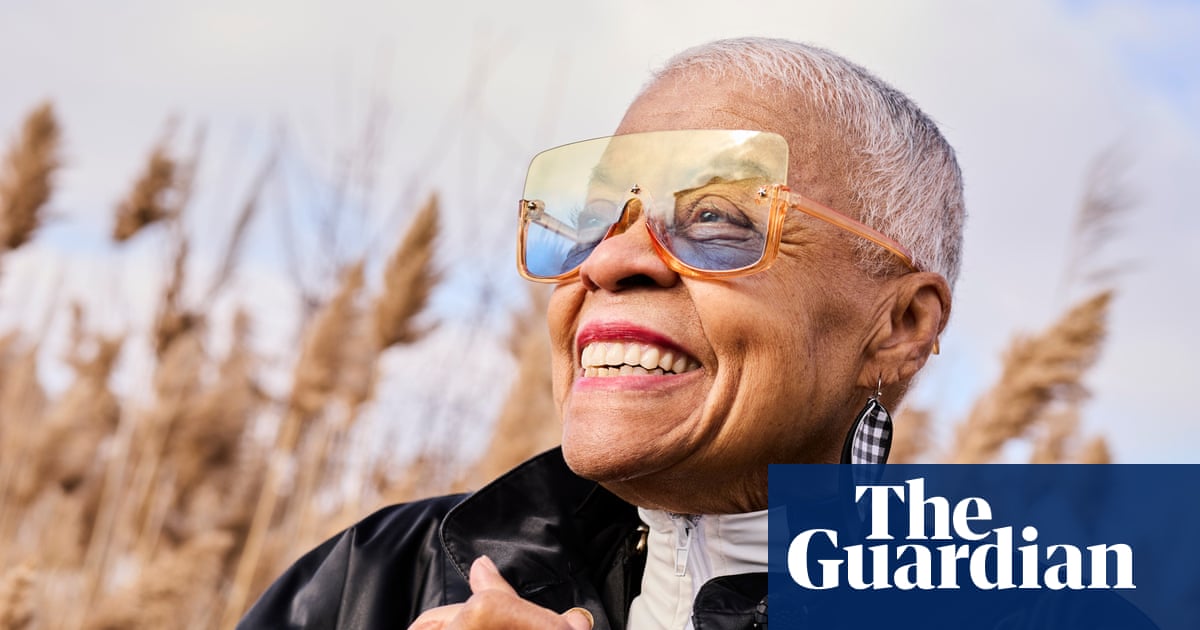
1 month agoCan exercise and anti-inflammatories fend off aging? A study aims to find out
"As we get older, the immune system is shifting away from good inflammation," which is the body's short-term, acute response to fend off injury or infection and promote healing, explains Dr. Thomas Marron, one of the researchers leading the new study. Marron directs early phase clinical trials at The Tisch Cancer Institute at the Icahn School of Medicine at Mount Sinai.
Medicine
Public health
fromBusiness Insider
2 months agoI spent a year interviewing America's oldest workers. Here are their 5 tips for staying healthy and active.
Mental stimulation, strong social connections, purpose, routines, optimism, and engagement support healthy aging and longer, more fulfilling lives for many older workers.
fromPsychology Today
2 months ago6 Success Strategies for Aging Well
The view that aging is all downhill may be one that you implicitly believe in. How many times have you made jokes about your age, made jokes about someone else's age, or just looked in the mirror with despair at the toll time takes on your face? Yet, the media is full of images of people whose aging brings them joy rather than pain.
Public health
fromBusiness Insider
3 months agoA founder marked his 55th birthday by sharing 55 reasons he feels healthier than ever. 5 could add 10 years to your life.
These tips point to what has been seen in many scientific studies - healthy behaviors such as maintaining an ideal body weight, keeping moving, eating a high-quality diet, getting enough sleep, and keeping your brain active are the best ways to optimize your aging. Moreover, evidence shows that doing all of these together can add 10 years to your life!
Health
fromPsychology Today
3 months agoThe Aging Trap: Why Big Plans Fail and Small Habits Win
Most people believe aging well requires dramatic changes: strict diets, expensive routines, or hours of daily self-care. But healthy aging has far less to do with perfection and far more to do with consistency. In a new survey of more than 500 adults across the U.S., respondents shared their top priorities for aging well. Keeping physically active ranked first at 40%. Staying mentally sharp followed at 26%. Maintaining strong immunity came in at 12%.
Wellness
fromPsychology Today
4 months agoOld Age Doesn't Have to Mean Poor Mental or Physical Health
For this study, researchers Mable Ho and Esme Fuller-Thomson of the University of Toronto focused on those who were over 60 after participating in the three-year study. Their analysis of the data shows that we can put aside our 'gerascophobia' ( fear of aging) and look forward to many years of optimal health even if we experience a setback related to disease or injury. The secret is how healthy we were before the illness, and our lifestyle choices afterwards.
Public health
Alternative medicine
fromAlternative Medicine Magazine
5 months agoNew Ashwagandha Supplement Combats Modern Stress
Chronic stress raises dementia risk; PureHealth Research released a doctor-approved Ashwagandha (600 mg whole-root, high-withanolide) to support stress management, sleep, recovery, and cognition.
Alternative medicine
fromAlternative Medicine Magazine
5 months agoBlack Coffee: Is It Good For Health? What the Science Says
Drinking 1–3 cups of regular black coffee daily is associated with lower risks of heart disease, type 2 diabetes, and premature mortality when consumed with minimal cream or sugar.
[ Load more ]