#electrification
#electrification
[ follow ]
#heat-pumps #public-transport #sustainability #electric-vehicles #renewable-energy #automotive-industry
#electric-vehicles



Alternative transportation
fromLondon Business News | Londonlovesbusiness.com
14 hours agoPowering the future with precision: Richard Sajiun on preparing NYC's aging electrical systems for the EV charging revolution - London Business News | Londonlovesbusiness.com
New York City is advancing electrification, but faces challenges due to outdated electrical infrastructure.
fromTechCrunch
1 day agoBlue Energy raises $380M to build grid-scale nuclear reactors in shipyards | TechCrunch
"The nuclear power technology that is most common - light water reactors - was originally invented for nuclear submarines. There has actually always been a history of basically pre-fabbing it and looking at it in a shipyard context."
Science
fromSustainable Bus
2 days agoMarket, policy and operations in focus for zero-emission intercity buses, at Sustainable Bus Tour session in Bus2Bus - Sustainable Bus
Intercity bus transport in Europe is characterized by a fragmented operator landscape, including a high number of small and medium-sized companies, alongside less standardized operational patterns and frequent dual-use vehicle profiles.
Alternative transportation
#public-transport
Germany news
fromSustainable Bus
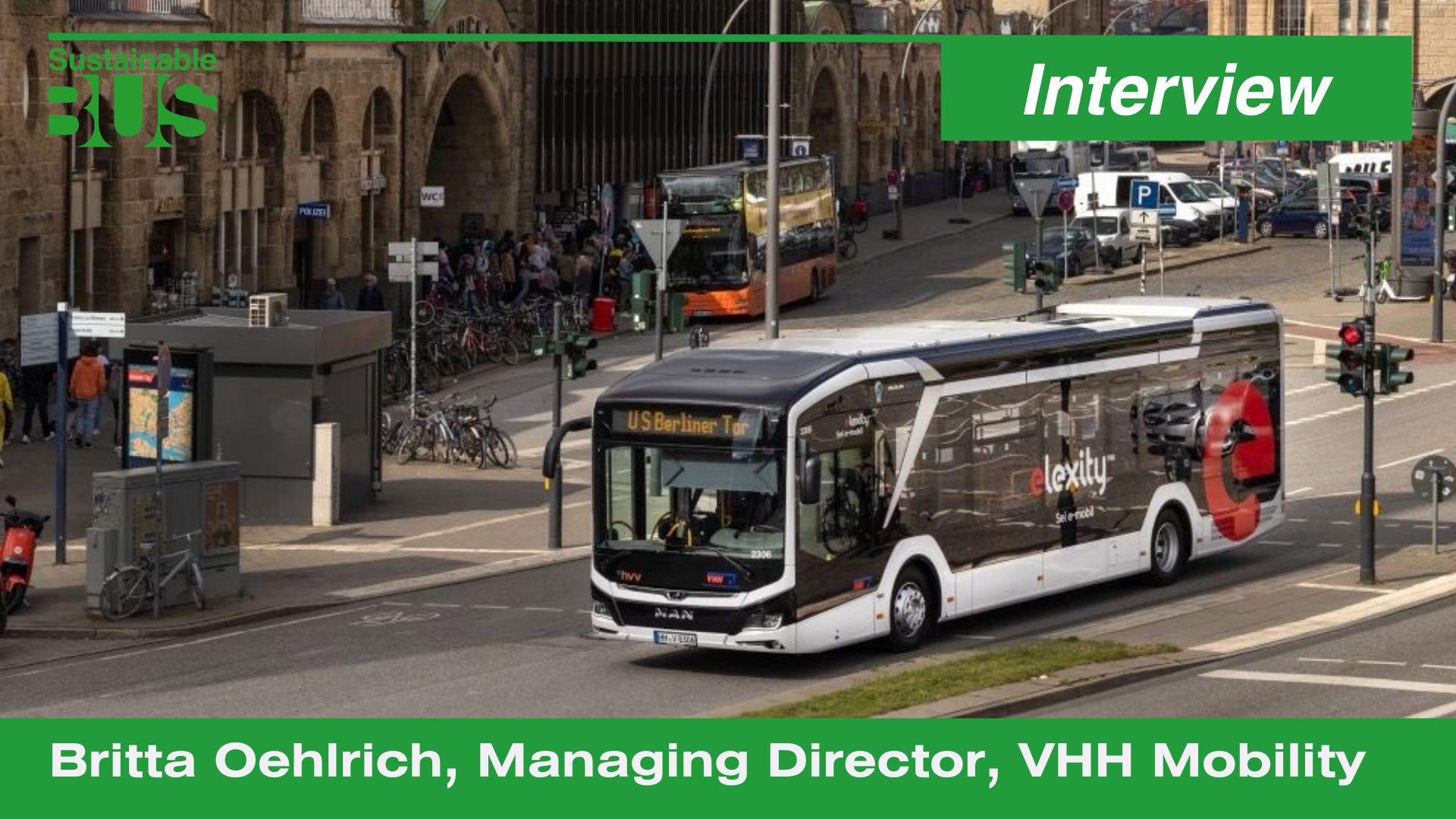
1 week agoVHH Mobility within rising cost pressure, tender reform push and evolving fleet strategy: our interview with Managing Director Britta Oehlrich - Sustainable Bus
German public transport operators face rising ridership and financial pressure, complicating service expansion, cost control, and innovation investment.
fromThe Local France
2 weeks agoEDF announces 240m plan to help France electrify
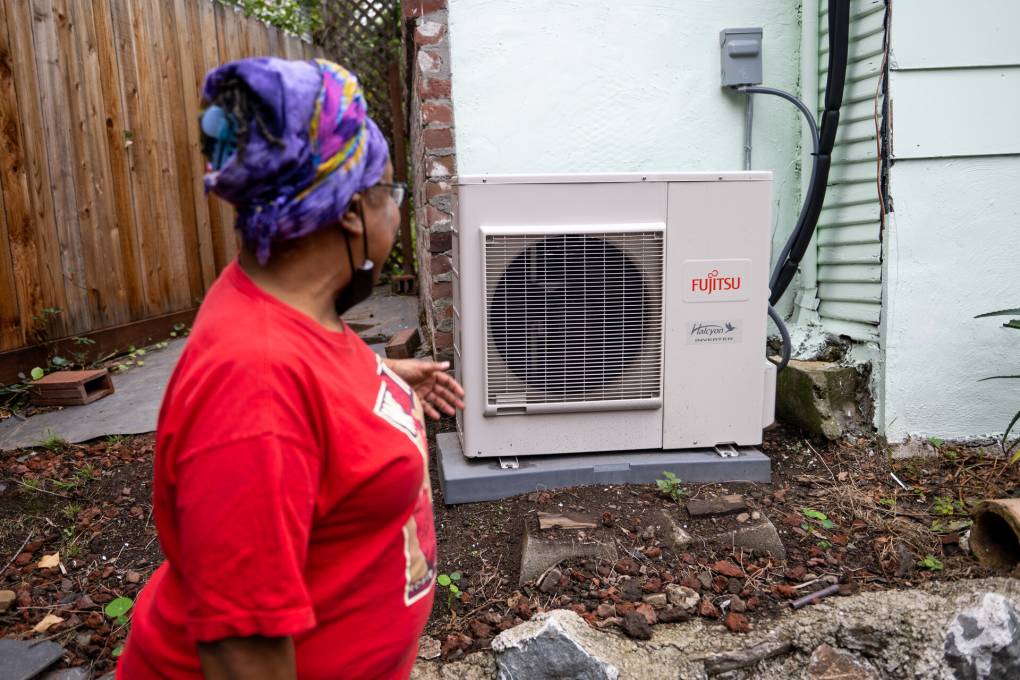
EDF chairman Bernard Fontana stated that financial aid will be targeted at low income households, providing up to €1,000 towards the cost of installing a heat pump. This can be combined with existing government aid schemes for heat pumps, resulting in a total out-of-pocket cost of €3,000 for installation, which is less than the cost of a replacement gas heating system.
France news


Cars
fromYanko Design - Modern Industrial Design News
2 weeks agoFreelander reincarnates as an all-electric off-road SUV with six models planned - Yanko Design
Freelander returns as an independent electrified vehicle brand, focusing on a new generation of SUVs through a joint venture between JLR and Chery.
Alternative transportation
fromSustainable Bus
3 weeks agoZero-emission buses move beyond cities: intercity transition in Sustainable Bus' session at BUS2BUS - Sustainable Bus
Electrification of intercity and coach segments in Europe is advancing, requiring new infrastructure and operational strategies for zero-emission mobility.

Europe news
fromSustainable Bus
1 month agoScania 2025 results: deliveries down -8% to 94,073 vehicles while zero-emission volumes grow - Sustainable Bus
Scania delivered 94,073 vehicles in 2025, down 8% from 2024, with revenue declining to SEK 198.5 billion amid geopolitical uncertainty and softer demand, while zero-emission vehicle deliveries surged 126%.
fromwww.theguardian.com
2 months agoThe US is merely the latest to join the global rush to hoard critical minerals
We live in a new world of strategic competition between states over scarce but essential resources, with shocks to supplies from human activity and natural disasters an ever-present risk. This means recalibrating how we think about our economy: the new economic fundamentals today are resource constraints and climate and nature crises, and these, rather than human activity, will increasingly shape the world we inhabit. Flows of finance and stocks of wealth will matter less than stocks and flows of real material resources.
World news
Remodel
fromSan Jose Inside
2 months agoWhy Homeowners Trust Fuse Service for Complex Electrical, HVAC and Plumbing Projects
Fuse Service provides integrated HVAC, electrical, plumbing, and refrigeration expertise to manage complex whole-home electrification and multi-trade residential projects in the Bay Area.
California
fromStreetsblog
2 months agoOpEd: How High-Speed Rail Could Reach LA by 2039...Without Waiting for the Mountains - Streetsblog California
Electrifying and sharing the Antelope Valley Line enables one-seat San Francisco–Los Angeles high-speed service earlier, lowering cost and risk while modernizing Metrolink.


Alternative transportation
fromSustainable Bus
2 months agoAltas Auto's 2026 roadmap: diversification, growth and a new wave of e-bus demand. Our interview with CEO Ignas Pranskevicius - Sustainable Bus
Altas Auto expanded sales, launched Altas Trade, advanced electrification with the upcoming e-Sprinter, and reorganized to compete amid rising Asian entrants.
fromwww.berkeleyside.org
2 months agoBerkeley's BESO mandate for home sales now requires energy-saving updates
On Jan. 1 the city of Berkeley implemented a critical new measure toward reaching its ambitious goal of zero-net energy consumption for new and existing buildings, and it has a big impact on people selling and buying homes. Also, homeowners staying put can consider it as a road map for updates. The Building Emissions Saving Ordinance (BESO) that once required only an assessment of energy efficiency at the time of sale, now demands further action from sellers and buyers.
East Bay real estate

from24/7 Wall St.
4 months agoMy Top Small-Cap Growth Stock Pick I Think Can 10x In 2026
When the word "innovation" is thrown around in the finance world, most investors would immediately jump to the conclusion that a particular investors is talking about a technology company. That's simply because most of the premier examples of innovation that changes the way we live and work has indeed come via technology, at least over the course of the past few decades.
Business
frominsideevs.com
4 months agoBMW's New CEO Has His Work Cut Out
Electrification is tricky business for any legacy car company, but BMW has gotten a lot right. Maybe that's because the automaker has actually been in this game a long time. The i3 city car, which you could call BMW EV 1.0, launched way back in 2013. In any case, the current lineup of the iX, i4, i5 and i7 has been pretty well-received. Most importantly, BMW has run circles around arch-nemesis Mercedes on the electrification front. What comes next is critical, though.
Cars
Germany news
fromSustainable Bus
5 months agoMAN to reduce 2,300 positions in Germany amid cost and competition challenges - Sustainable Bus
MAN Truck & Bus will reduce about 2,300 German roles over ten years using socially responsible, non‑layoff measures while investing in electrification and cost stability.


Business
fromSustainable Bus
5 months agoPrivate equity firm TPG to acquire 70% stake in Australasian largest public transport operator Kinetic - Sustainable Bus
TPG will acquire 70% of Kinetic, becoming majority shareholder to accelerate its net-zero transition across bus and rail operations in Australasia and international markets.
fromSustainable Bus
5 months agoBranford Public Schools awards $60 million contract to Zum for transition to fully electric school bus fleet - Sustainable Bus
Branford Public Schools has signed a 10-year, $60 million (€55 million) transportation contract with California-based Zum, marking the first agreement of its kind in Connecticut and setting the district on a path to a fully electric school bus fleet within five years. The Branford initiative aligns with Connecticut's legislative goal of deploying zero-emission school buses in environmental justice communities by 2030. The project is supported by federal and state funding programs, including the U.S. Environmental Protection Agency's Clean School Bus Rebate Program, with allocations exceeding $6 million (€5.6 million) for vehicle and infrastructure costs.
Environment
fromSustainable Bus
5 months agoArriva rolls out AI-based fleet management software across London bus operations - Sustainable Bus
This technology is all about delivering the best service to Londoners, using AI insights that support our teams to make the right decisions at the right time. If we can provide more reliable services and improved experiences for customers, we can encourage more people to choose buses as their primary form of transport.
Artificial intelligence

fromSustainable Bus
5 months agoMiddle East bus market set to grow 33% by 2030 up to USD 5.86 billion, according to study - Sustainable Bus
The Middle East bus market, valued at USD 4.4 billion in 2024, is projected to grow to USD 5.86 billion by 2030, corresponding to a compound annual growth rate of 4.8%, according to the Middle East Bus Market Report 2025 by Research and Markets. The market is then expected to increase by USD 1.46 billion, or roughly 33%, over the six-year period.
World news
fromSustainable Bus
6 months agoFrom 300 deliveries in Italy to 300 in France: Otokar outlines European growth at Busworld 2025 - Sustainable Bus
The company closed 2024 with a turnover of USD 962 million, with 64% of revenues coming from exports, confirming its role as both a leading Turkish bus manufacturer - a position it has held for 16 consecutive years - and an increasingly significant player in Europe. More than 68,000 Otokar buses are now in operation in over 60 countries, with Spain, France, and Italy representing its largest European markets.
Business


European startups
fromBerlin Startup Jobs
7 months agoJob Vacancy: VP Operations & Electrification // NexDash | Operations & Support Jobs | Berlin Startup Jobs
Lead operations and electrification to scale Europe's zero-emission freight network, owning route prioritization, charging partnerships, KPIs, and P&L.
fromwww.theguardian.com
7 months agoWeakening net zero policy will spook investors', warns UK's climate adviser
He said: The business community want strong, stable policy signals, and flip-flopping is not good for investment. We see it right now in the US with a huge brain drain and capital drain, as whole sectors are being de-invested or even attacked. Consistency in the direction of UK policy over the last 20 years when successive Labour and Conservative governments vowed to press ahead with tackling the climate crisis, until Rishi Sunak's premiership had benefitted the economy, he said.
Environment
US politics
fromLos Angeles Times
7 months agoConfused about expiring energy credits under the Trump administration? Ask an 'electricity coach'
Federal rebates and tax credits for home and vehicle electrification are being eliminated, prompting nonprofits to help consumers claim incentives before they expire.
E-Commerce
fromSustainable Bus
9 months agoArriva has completed a 17m electrification project at Norwood Depot in South London - Sustainable Bus
Arriva Group invested £17m for electrification at Norwood Depot in London, enhancing sustainable public transport through advanced infrastructure and new electric buses.
Alternative transportation
fromSustainable Bus
10 months agoIveco Bus highlights comprehensive e-mobility solutions at UITP Summit 2025 - Sustainable Bus
Iveco Bus showcases its comprehensive support for electrification at UITP Summit 2025, emphasizing advancements in electric and hydrogen bus technologies.
Silicon Valley
fromThe Mercury News
10 months agoSunnyvale residents can get help going electric
Silicon Valley Clean Energy offers rebates for Sunnyvale homeowners replacing gas appliances with electric ones.
League of Women Voters Cupertino-Sunnyvale has elected new officers for the term.
NOVA Workforce Services hosts a wage law webinar for local employers.


European startups
fromSustainable Bus
11 months agoVolvo Buses' transition journey in Europe: strategy, economics and next steps in EU's head Thomas Nylund's words - Sustainable Bus
Volvo Buses is transitioning to a new European business model focusing on electrification and profitability through ecosystem support.
[ Load more ]