#julia-hyman
#julia-hyman
[ follow ]
#contemporary-art #art #art-exhibition #new-york-city #photography #whitney-biennial #fashion #creativity
fromDesign Milk
3 days agoSabah House NYC Pays Homage To Set + Setting
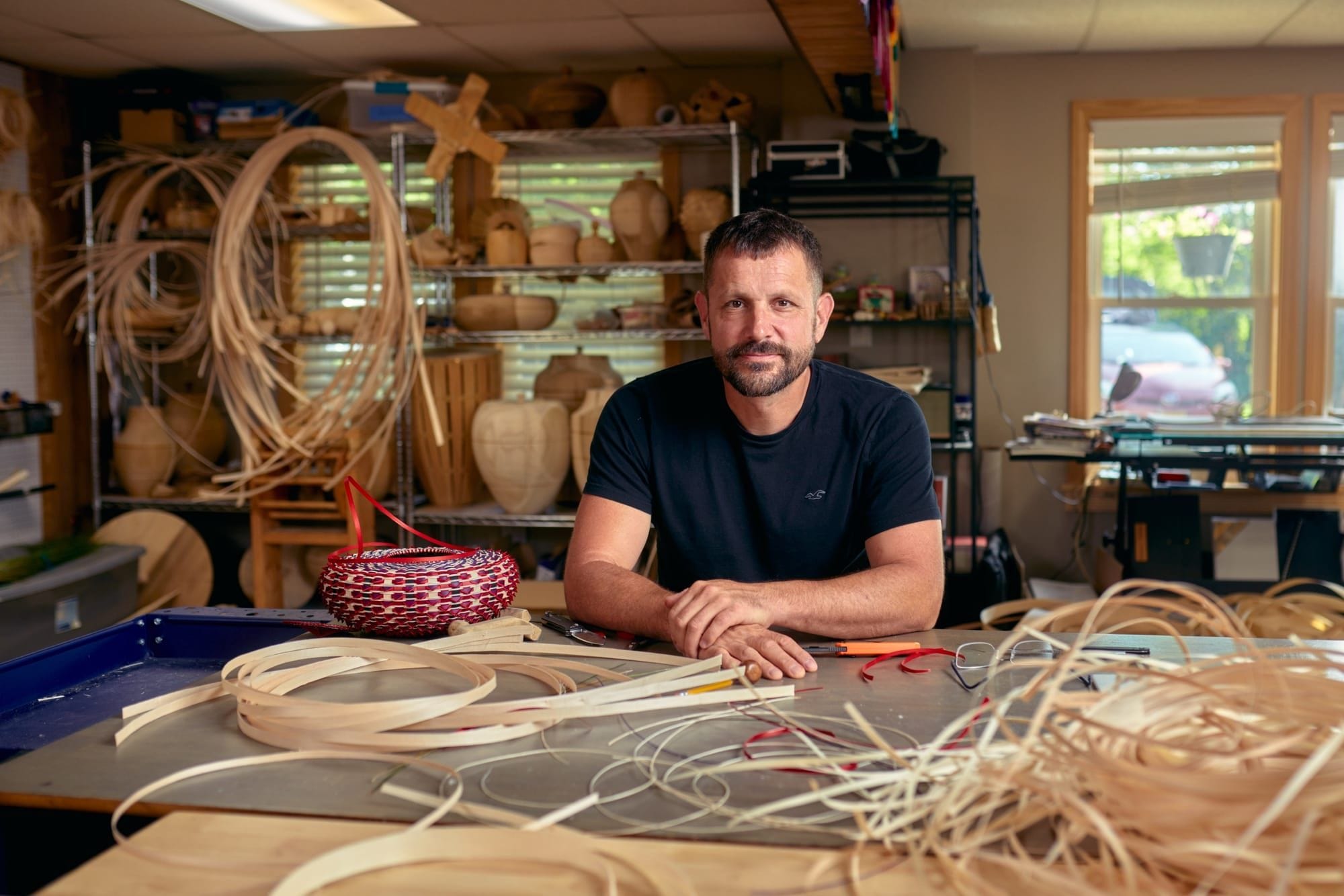
Sabahs are made entirely by hand from 100% leather in either Texas or Turkey—two regions with distinct yet deeply rooted relationships to the material. The result is a shoe that varies subtly from pair to pair, even within the same size.
Brooklyn
fromHyperallergic
4 days agoMoMA PS1's "Greater New York" Is Gritty, Stunning, and Gutting
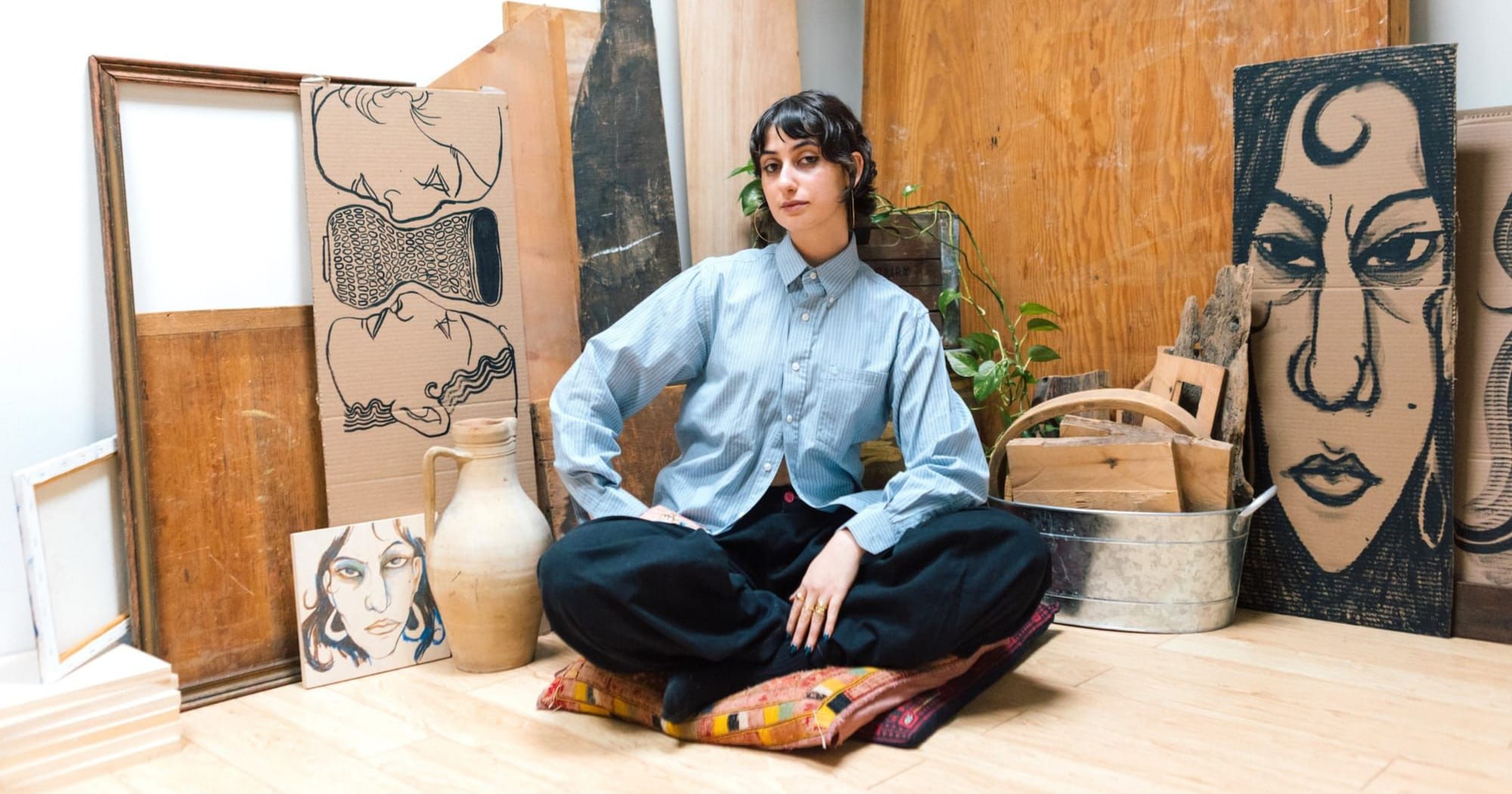
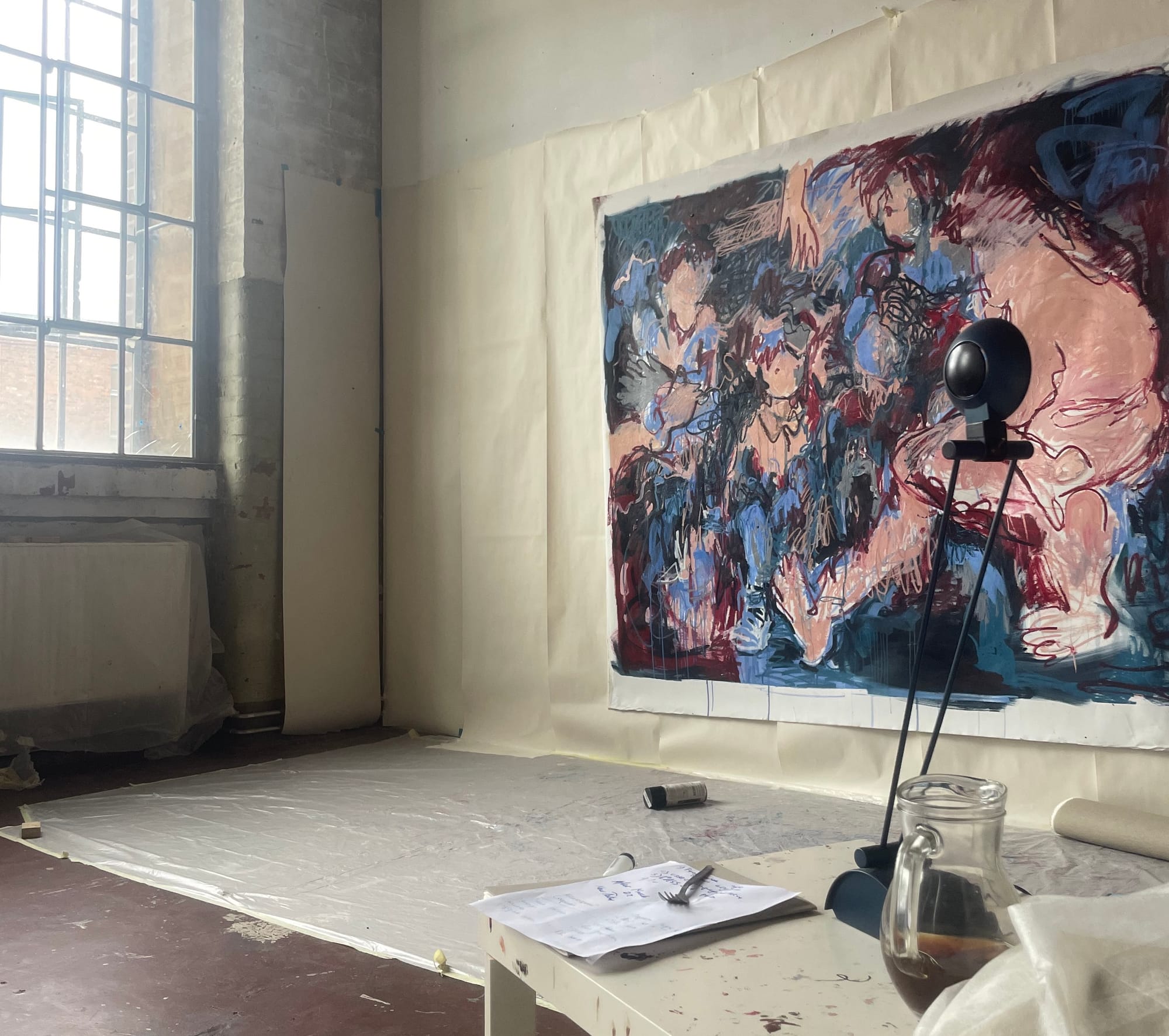
The curators of Greater New York really captured the energy of the city well - not the out-of-towner's New York with its glossy surfaces, brands, and trendy fare, but the gritty New York that's always in the process of formation, that rejects surface in favor of rawness.
Arts


fromForbes
1 month agoThe Peninsula New York's Spring Art Exhibition Celebrates The City's Evolution
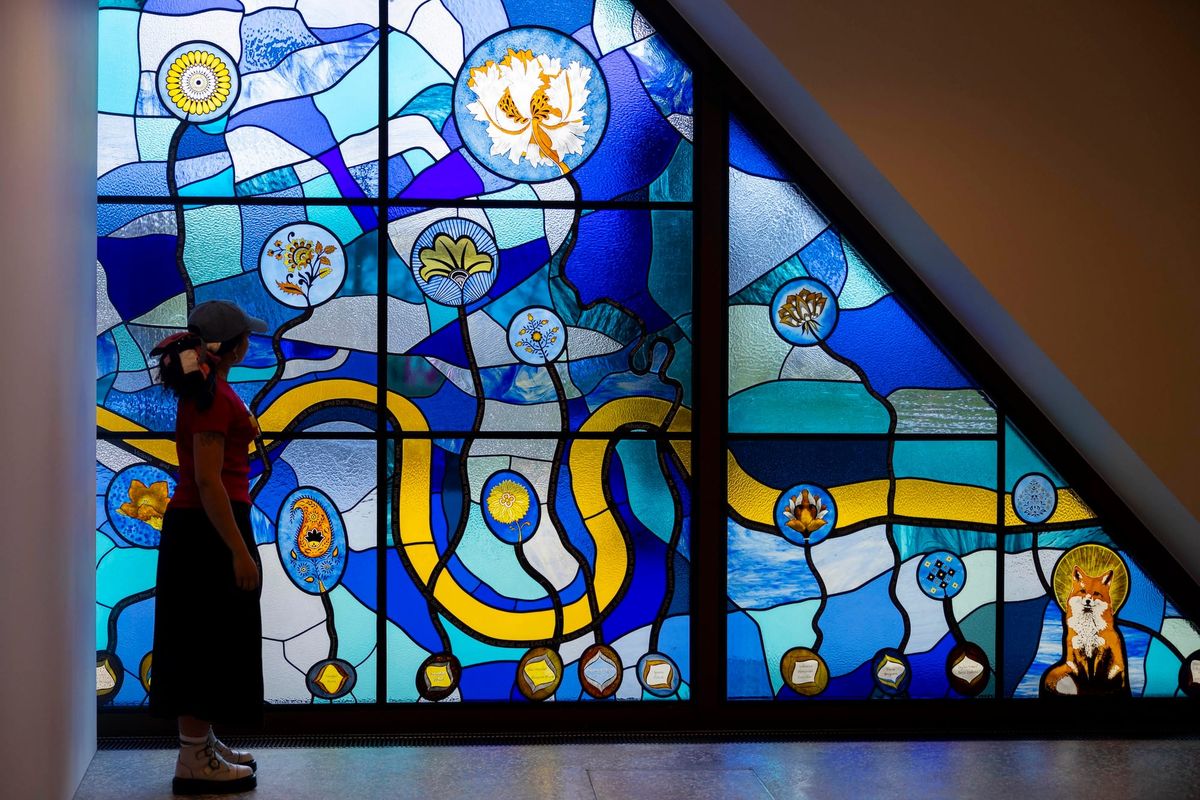
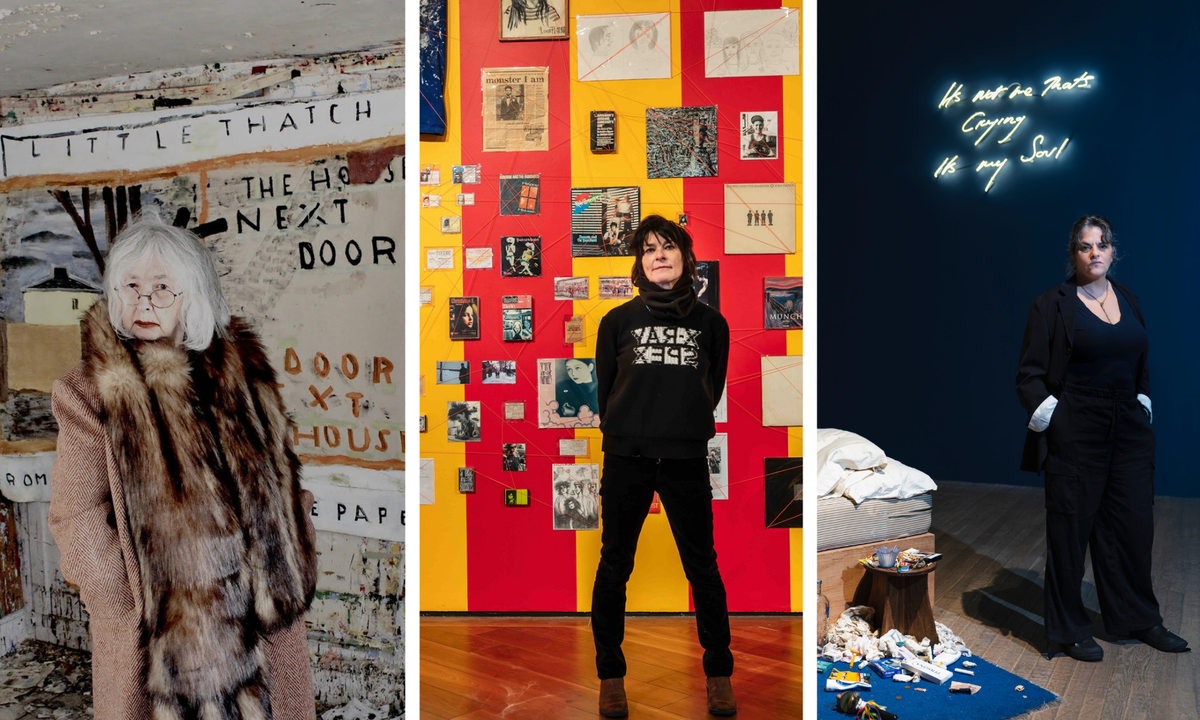
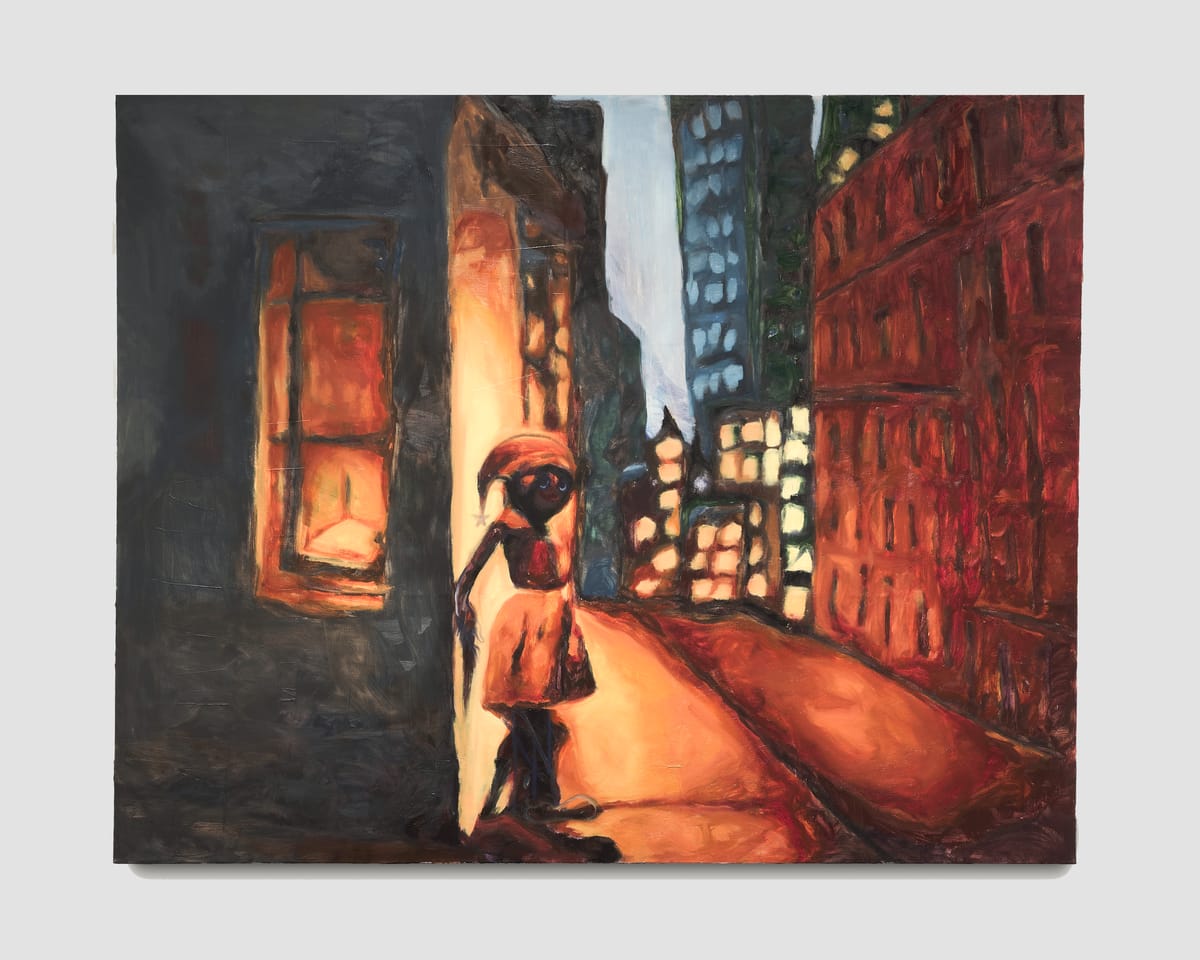
The exhibit reflects the energy and evolution of the city's artistic scene across generations. Art is central to the experience of cultural immersion we offer at The Peninsula, and this exhibition invites guests and local residents to alike to participate in this distinctive aspect of our city's character.
Berlin
fromThe Art Newspaper - International art news and events
4 days agoArtist interview: Sarah Rosalena
I see myself first and foremost as a weaver working at the intersection of craft and technology. As an Angeleno, I grew up learning how to weave in the Wixárika tradition of my matriarchal bloodline by watching my mother and my grandmother.
Arts
fromArtnet News
6 days agoPainting Has Entered Its Performance Era | Artnet News
Much of Instagram's video content is organized around transformation-the virtual magic of the before-and-after and clips that show cause and effect. A person makes pasta from scratch in 20 seconds via edits that compress time-intensive labor.
Arts
fromBOOOOOOOM!
1 month agoIllustrator Spotlight: Julija Panova
Of Lithuanian-Russian heritage, Panova's work is informed by that layered cultural inheritance as growing up between cultures has shaped her sensitivity to shifting narratives. Her work explores folklore, quiet, and images that feel suspended between past and present.
Graphic design

Arts
fromdesignboom | architecture & design magazine
5 days agoactivated space: allan kaprow's happenings and their afterlife in immersive environments
Allan Kaprow's 'happening' redefines art as an event involving space, body, and instructions, emphasizing active participation over passive observation.
fromwww.amny.com
2 months agoThe Modern Salon redefines art and brings quiet design authority to the Winter Show | amNewYork
In the midst of the fabulous The Winter Show last weekwhere connoisseurship, collecting, and cultivated taste converge under one vaulted roofthere was a moment of pause, exhale, and recalibration at the heart of the fair: the VIP Collectors Lounge. This year, not as sponsorship, but as philosophy made spatial. It was titled The Modern Salon. Conceived and designed by frenchCALIFORNIA, The Modern Salon rejected the trade-fair instinct toward visual noise and brand fragmentation.
Design
Arts
fromHyperallergic
1 month agoCONDUCTOR Is New York's First Art Fair Committed to the Global Majority
CONDUCTOR art fair debuts in Brooklyn April 30-May 3, 2026, featuring 27 galleries and 17 special projects showcasing artists from Africa, Latin America, the Caribbean, South Asia, Southeast Asia, the Middle East, Oceania, and Indigenous Nations.
fromHyperallergic
1 month agoWhat Do We Really Think of the New New Museum?
The new New Museum is many things: contemporary, perhaps, but also a science, history, anthropology, and many other museums in one. It echoes the desire of its patron class to own the world and its affiliated courtier class to deliver it to them on a silver platter, or encased in perforated metal, in this case.
Arts
Arts
fromArtnet News
1 month agoBlink and You'll Miss It! 3 New York Shows With Painfully Short Runs | Artnet News
Gallery exhibition runs have lengthened from weeks to five or six weeks due to increased competition and high mounting costs, though a countermovement of brief, limited-time shows is emerging.
fromHyperallergic
1 month agoEmbracing Friction in the Art World
On Franklin Street in Brooklyn's Greenpoint neighborhood, one non-commercial gallery fosters 'a small, stubbornly human space for friction.' Friction—the ubiquitous buzzword that captures the simultaneous delight and discomfort of doing things the slow way—is at the heart of artists Pap Souleye Fall and Char Jeré's current show at Subtitled NYC. It also reflects the overall spirit of this little exhibition space and of a burgeoning movement to reject our culture of optimization in favor of a bumpier, more intimate, less alienating experience.
Arts
Arts
fromJuxtapoz
1 month agoJuxtapoz Magazine - Rise above it: John Rivas @ Francois Ghebaly New York
Salvadoran-American artist John Rivas expands his mixed-media practice into hand-carved wooden sculpture, exploring cultural identity, family labor, and personal memory through material resourcefulness and collaborative processes.
fromHyperallergic
2 months agoA View From the Easel
I work outside, carving and shaping the stone. Outside my house, I have a table, an extension cord, and tools. It's very cold and I have to wear all my winter clothes. When it's too cold, I do the filing and finishing work inside after I shape it outside. I listen to all kinds of music. I listen to Eminem all the time; his albums are all my favorites. For drawings, I work at Kinngait Studios or at home on my kitchen table.
Arts
fromHyperallergic
2 months agoRequired Reading
Sprouting from the roof of the San Francisco Museum of Modern Art, artist Rose B. Simpson's newly installed bronze sculpture "Behold" has its gaze fixed on the cityscape before it. The Tewa of Khaʼpʼoe Ówîngeh artist, herself a mother, crafted a tender portrait of an interconnected parent and child that "asks us to be human with each other, to change our narrative through wonder, witness and a foundation in the soft warmth of our humanity," she said in a statement.
Arts
Arts
fromwww.theguardian.com
2 months agoArtist Sarah Sze: A work of art is finished when everything teeters'
Sarah Sze’s Gagosian Beverly Hills exhibition uses 13 works—large, intricate paintings and video installations—to create immersive, disorienting landscapes reflecting an image‑saturated, unstable contemporary world.
Arts
fromThe Art Newspaper - International art news and events
1 month agoA selective history of the moving image comes to downtown Los Angeles
The Julia Stoschek Foundation presents over 40 time-based works from the 1960s to present day at Los Angeles's Variety Arts Theater, celebrating the city's pivotal role in visual media history.
Arts
fromThe Art Newspaper - International art news and events
2 months agoNew experimental art organisation opens in New York
Summer Guthery and Francesca Sonara launch Times, a small, nimble three-year Manhattan art space prioritizing artists' needs, flexibility, and rejection of perpetual-growth institutional models.
fromHyperallergic
2 months agoThe Sticky Politics of Wall Texts
In 2024, I made a vow to never base my art criticism on wall labels. My decision came after reading reactions to that year's Whitney Biennial. "If every label in 'Even Better Than the Real Thing,' the 81st installment of the Whitney Biennial, were peeled off the walls and tossed into the Hudson, what would happen?" asked Jackson Arn in the New Yorker. (He went on to suggest that the overall show would have been much better.)
Arts
[ Load more ]