#kohls-corporation
#kohls-corporation
[ follow ]
#retail-strategy #costco #retail #walmart #e-commerce #aldi #retail-media #grocery-shopping #customer-experience


Boston real estate
fromFortune
1 week agoBed Bath & Beyond's Container Store acquisition echoes past retail mergers that failed to deliver | Fortune
Bed Bath & Beyond aims to create a home-oriented conglomerate by acquiring the Container Store to enhance its offerings and return to brick-and-mortar retail.

fromwww.businessinsider.com
4 weeks agoI visited an Eddie Bauer store, and it quickly became clear why the retailer is closing locations
Business Insider reported on Monday that nearly 200 Eddie Bauer locations in the US and Canada are expected to close after the operating entity behind the stores failed to find a buyer during its Chapter 11 restructuring.
Fashion & style
from24/7 Wall St.
1 month agoKohl's Corporation Faces Fresh Downgrades From Goldman Sachs and JP Morgan
Goldman Sachs views Kohl's Q4 as a story where the headline earnings number flatters the underlying business. Below-the-line items offset decelerating comp momentum and a sales miss, according to the firm's research note. In other words, expense cuts, favorable tax treatment, and one-time items helped deliver a profit beat that doesn't reflect the health of the core retail operation.
Business intelligence
Fashion & style
fromFortune
1 month agoNordstrom's 'glow-up': How going private is helping the retailer thrive as Saks Global languishes | Fortune
Nordstrom's strategic renovations across its flagship store and department chain, including beauty and jewelry overhauls, have driven sales to record $15.9 billion in 2025, surpassing pre-pandemic levels.
Business intelligence
from24/7 Wall St.
1 month agoGrocery Outlet and Scholastic Face New Analyst Scrutiny on Consumer Trends
Wall Street shows divergent sentiment on consumer stocks: Grocery Outlet faces structural headwinds with analyst downgrades, while Scholastic is downgraded due to positive news already priced into the market.
fromFast Company
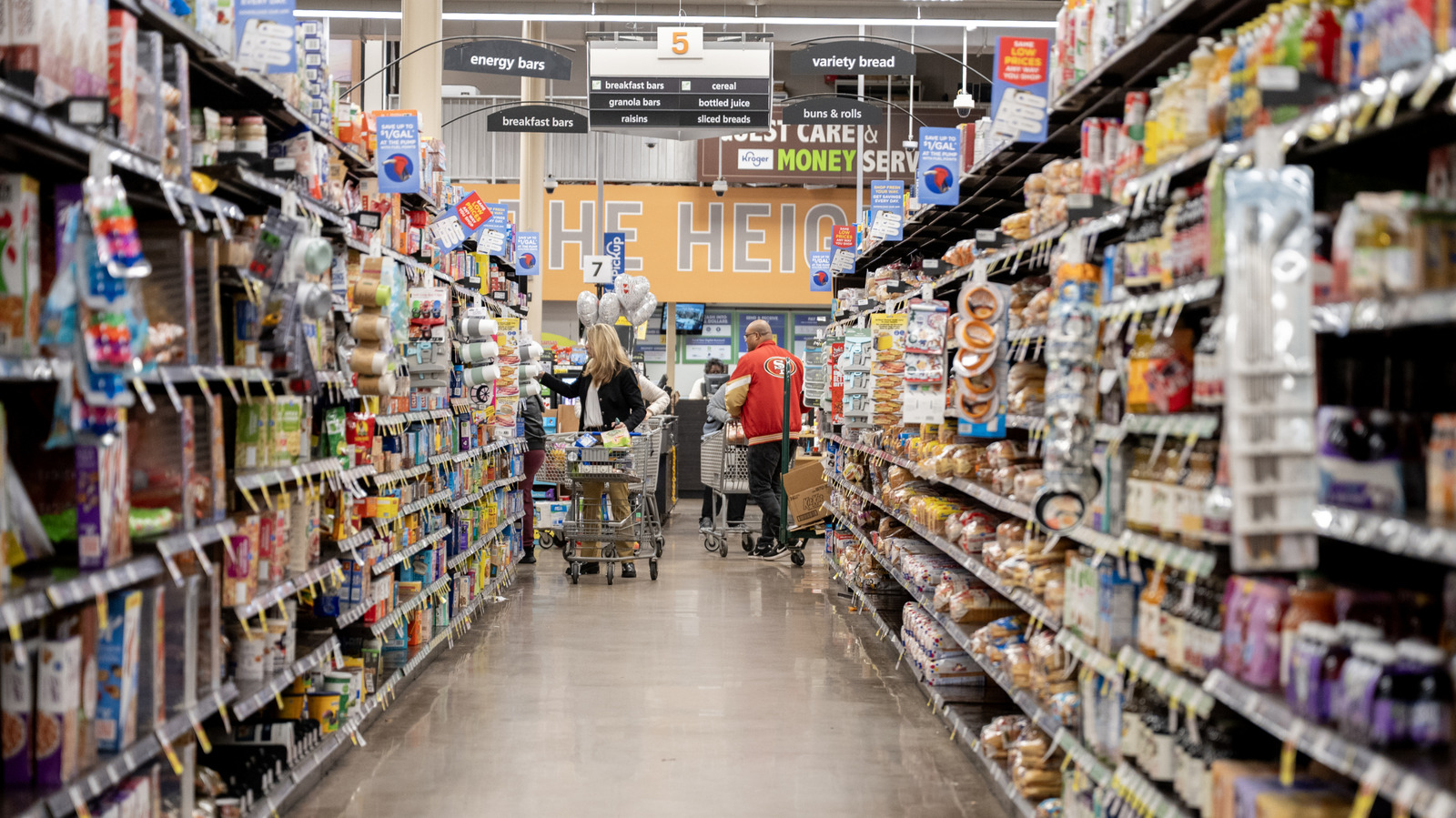
1 month agoKroger is closing stores: See the updated list that shows shuttered locations across the country
The Cincinnati-based supermarket company has been shuttering locations since June of last year, when it announced a footprint optimization plan that would result in the closure of about 60 stores. According to a Fast Company review of local media reports and online review platforms like Yelp, Kroger could be more than halfway through that process.
SF food
Marketing tech
fromwww.independent.co.uk
1 month agoIlluminating blind spots in store strategy execution
Consumer goods brands require real-time retail intelligence and visibility of in-store execution to compete effectively, as legacy tools fail to provide actionable data needed for optimal product placement, pricing, and promotion management.
#retail-strategy
E-Commerce
fromFortune
1 month agoTarget is over being 'an everything store,' CEO says. It's doubling down on baby items and groceries-and investing $1 billion in its supply chain | Fortune
Target's new CEO plans to refocus on busy families through expanded baby care and groceries while reducing corporate overhead and investing $1 billion in supply chain and technology improvements.
Tech industry
fromwww.businessinsider.com
1 month agoTarget's tech chief says AI isn't replacing workers as the company looks to mount a comeback
Target's tech chief states AI adoption across the organization accelerates growth and experimentation without reducing workforce needs, requiring full team engagement for ambitious turnaround plans.

Everyday cooking
fromTasting Table
1 month agoLowe's Vs Best Buy: Which Is The Better Store For Kitchen Appliances? - Tasting Table
Best Buy offers significantly more large kitchen appliance selections online with 11,700 items compared to Lowe's 4,600, particularly for stoves and microwaves, making it the better choice for customers seeking variety.
from24/7 Wall St.
1 month agoCostco is the Only "Safety Play" with a 90% Renewal Tailwind
With members sticking around for the excellent value proposition as well as the $1.50 hot dog combo, it's clear that Costco has pretty much perfected the in-store experience at this point. The 90% renewal rate might just be the floor as the firm opens new stores across the globe while doubling down on e-commerce, perhaps there's room to bump up that renewal rate further.
E-Commerce
Toronto startup
fromBusiness Insider
1 month agoTarget shifts away from being an 'everything store' in new strategy focused on 'busy families'
Target is refocusing as a specialized retailer targeting busy families by investing $1 billion to enhance specific categories like baby and home, moving away from being an 'everything store.'
fromThe Motley Fool
1 month agoBest Consumer Stock to Buy Right Now: Costco or Walmart? | The Motley Fool
Costco sells its products with very little markup, choosing instead to make most of its money from membership sales. This business model makes sense: The better deals it has, the more likely people are to want a membership. Memberships at Costco are booming. In the fiscal first quarter of 2026, overall memberships were up 5% year over year to 146 million. And its higher-priced executive memberships were up a stronger 9%.
Business intelligence
E-Commerce
from24/7 Wall St.
1 month agoMargins Up, Foot Traffic Down: Target's Q4 Tells Two Stories
Target beat EPS estimates but faces declining foot traffic, comparable store sales, and transactions, with earnings driven by margin improvements and advertising revenue rather than core retail recovery.
Business
fromBusiness Insider
1 month agoTarget finished out a difficult year with declining sales, but says growth is ahead
Target reported a 1.7% fiscal year sales decline, extending three years of flat or declining comparable sales, but shows signs of recovery with increased transactions and positive February results positioning the retailer for 2026 growth.
fromInc
1 month agoThe New Rules of Big-Box Retail
The outlook for 2026 I'm watching 2026 with equal parts optimism and urgency. Optimism because consumer demand is still there. Retail sales have remained resilient in recent data. Urgency because the operating environment is only getting tighter. Coming out of FY2025, large retailers demonstrated resilience amid inflation pressure, shifting consumer behavior, and global supply-chain complexity. Walmart raised its outlook and leaned further into a model that blends physical stores, e-commerce scale, and execution discipline.
E-Commerce
[ Load more ]