#lagoon-layer
#lagoon-layer
[ follow ]
#climate-change #biodiversity #conservation #sea-level-rise #marine-biology #ecosystems #environmental-impact

fromwww.theguardian.com
4 days agoWe are totally out of our depth': experts say whale stranded in Baltic is beyond saving
The drama has captivated the country, making politicians cry and drawing shamans from distant parts. Experts brought in first to help save the whale, and then to ease the animal's demise, have faced death threats.
Germany news
fromQueerty
1 week agoWATCH: Neon Reef dives into the sexy, hopeful mission two gay guys took on to save Miami's coral wonderland - Queerty
The South Florida Reef Tract, once decimated by dredging in the 1950s, has bounced back, a resilient sign of hope in these ecologically depressing times.
Miami food
fromTravel + Leisure
1 week agoWhat Actually Makes Some Ocean Water Such a Vibrant Turquoise Color-the Science Behind That Dreamy Shade
When light shines through water, colors with longer wavelengths are absorbed by the water, with the longest wavelengths absorbed first. Blue and violet have the shortest wavelengths of visible light, so they are able to penetrate the deepest.
Travel
fromArs Technica
2 weeks agoHow new fishing tech can reduce bycatch of turtles and other creatures
"There are not very many conservation issues that I'm aware of where industry and conservationists and consumers and the fishermen and the resource users all want the same thing. Every stakeholder wants less bycatch."
Pets


Psychology
fromwww.scientificamerican.com
1 month agoThese fish can tell when you're staring
Fish can perceive when they or their offspring are being watched and respond with increased aggression, demonstrating attention attribution abilities previously documented mainly in primates, birds, and domestic animals.
fromwww.theguardian.com
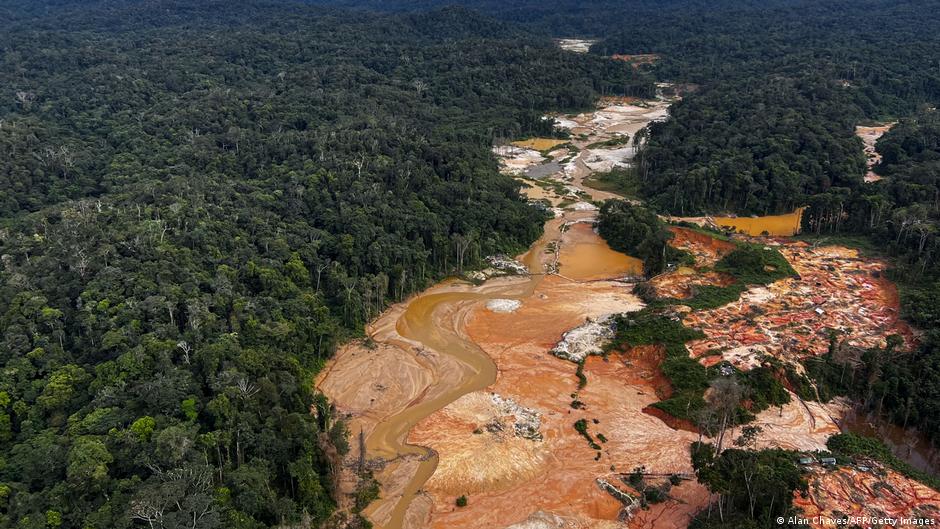
1 week agoThe water is no longer our friend': how dredging is pushing Lagos Lagoon towards ecosystem collapse photo essay
When you dredge sand at that scale without a proper assessment of its environmental impacts, it destroys or wipes out certain species, which harms fisheries and, ultimately, everyone who depends on them.
Environment
fromwww.scientificamerican.com
2 weeks agoSee these ziti-sized fish scale a 50-foot waterfall
During major floods, thousands of tiny fish convene at Luvilombo Falls in the upper Congo River Basin to undertake a peculiar vertical migration, described for the first time today in Scientific Reports.
OMG science
fromwww.bbc.com
2 months agoSwimming spots that could become designated dips
The government said the plans would increase the number of England's official bathing sites to 464. An official bathing spot on the Thames in London would mark a "vast transformation" in water quality in the river which was declared biologically dead in the 1950s due to pollution, officials said. Water minister Emma Hardy said rivers and beaches were "at the heart of so many communities, where people come together, families make memories and swimmers of all ages feel the benefits of being outdoors safely".
UK news
fromFast Company
3 weeks agoBeach cleanups can save the lives of marine animals. This calculator tells you exactly how many
If you enter the amounts of different types of plastic that you clean up into the Wildlife Impact Calculator, it will tell you how many animal lives would have been at risk, had those items made their way into the ocean and been ingested.
Environment
fromenglish.elpais.com
2 months agoSharks become easy prey for criminal groups
In February 2023, an article in the Mexican press announced the capture of a vessel some 195 nautical miles from the port of Lazaro Cardenas in the state of Michoacan. It had been carrying nearly 700 pounds of cocaine packaged in plastic-wrapped bricks, in addition to 1,650 liters of hydrocarbons in 33 plastic containers. Two Ecuadorian fishermen were among the five detainees, and their immigration records showed unusual activity.
Law
OMG science
fromwww.theguardian.com
1 month agoTesting the waters: can pumping chemicals into the ocean help stop global heating?
Ocean alkalinity enhancement uses alkaline chemicals to increase the ocean's natural carbon storage capacity, potentially combating climate change and ocean acidification simultaneously.
fromwww.mercurynews.com
2 months agoFrom fuzzy flowers to see-through sea slugs, here are some of the new species discovered last year by California scientists
But as he swept his flashlight through the dark waters, something unexpected emerged. Inching through the beam of light, an alien creature crawled across the surface of the sand, resembling an inch-long cluster of ghostly leaves fringed with silvery filigree and capped with a pair of antennae-like stalks. It immediately caught my eye, said Gosliner, Invertebrate Zoology Curator for the California Academy of Sciences. I've been diving there for 30 years and this one immediately struck me as different.
Science
Environment
fromwww.montereyherald.com
1 month agoFinding Sanctuary: Ranking the most wanted kelp forests
Northern California kelp forests have declined dramatically, central California shows patchy loss; small-scale restoration cannot offset losses, requiring prioritization and high-resolution monitoring.
Environment
fromwww.theguardian.com
1 month agoChronic ocean heating fuels staggering' loss of marine life, study finds
Chronic ocean warming reduces fish biomass by 7.2% per 0.1°C of seabed warming per decade, with marine heatwaves masking long-term decline through temporary population booms in cold-water regions.
Environment
fromABC7 San Francisco
1 month agoTracking fisherman to track fish: The new technological approach to better understand ocean life
Global Fishing Watch uses AIS transponder data and artificial intelligence to track fishing vessels worldwide, providing unprecedented visibility into global fishing fleet movements and activities.

Environment
fromEarth911
2 months agoSustainability In Your Ear: The Ocean Conservancy's Dr. Erin Murphy Documents the Lethality of Ocean Plastics
Lethal plastic thresholds were identified across marine species, showing even small amounts of plastic can be deadly and requiring lifecycle-wide policy action.
Environment
fromState of the Planet
1 month agoHarnessing AI, Scientists Discover a Rise in Floating Algae Across the Global Ocean
Floating algae blooms have increased globally since about 2008–2010, driven by warming oceans, changing currents, and nutrient pollution, with coastal ecological and economic harms.
fromLos Angeles Times
2 months agoHeated debate over California water plan as environmentalists warn of 'ecosystem collapse'
The question of how to protect fish and the ecological health of rivers that feed California's largest estuary is generating heated debate in a series of hearings in Sacramento, as state officials try to gain support for a plan that has been years in the making. "I am passionate that this is the pathway to recover fish," said state Natural Resources Secretary Wade Crowfoot. "This is the paradigm we need: collaborative, adaptive management versus conflict and litigation."
Environment
fromwww.theguardian.com
1 month agoDigested week: Just when you thought it was safe to go back in the water ' but this time, it's real | Emma Brockes
The three-part docudrama Dirty Business, which started on Channel 4 on Monday and concluded midweek, has made the notion of going into the sea in the UK terrifying and unlike Jaws, this story is real. It is an example of what good drama can do that even the best reporting can't quite achieve.
Environment
fromSun Sentinel
2 months ago'We got lucky': How Florida wildlife died - or survived - in the brutal February freeze
The record-breaking arctic blast that hit Florida earlier this month may have sent humans scurrying for winter coats, but it sent wildlife scurrying, swimming and slithering for their lives. Some of those animals were native, some were invasive. Some survived. Thousands of others did not. The benchmark for cold snaps in Florida is the 2010 freeze, which killed manatees, crocodiles, iguanas, thousands of snook and goliath grouper, and caused 50% to 90% of invasive pythons to die in some areas.
Environment
[ Load more ]