#li-yuan-chia
#li-yuan-chia
[ follow ]
fromAnOther
5 days agoYoung-jun Tak's Eyes Are Always on the Audience
"It's bizarre to watch people in this way - even in gay cruising areas you wouldn't stare at other bodies this intensely. Now, whenever I go to a concert, especially at the Berliner Philharmonie with its encircling seating, my gaze hovers over the audience as well as the stage."
Berlin
fromdesignboom | architecture & design magazine
1 week agohow lachlan turczan reshapes matter by bending light and water in atmospheric installations
Lachlan Turczan's practice sits in the space between physics, optics, and environmental art, as he works with lasers, water, mist, and custom-built lenses to produce sculptures made entirely from light.
Berlin music

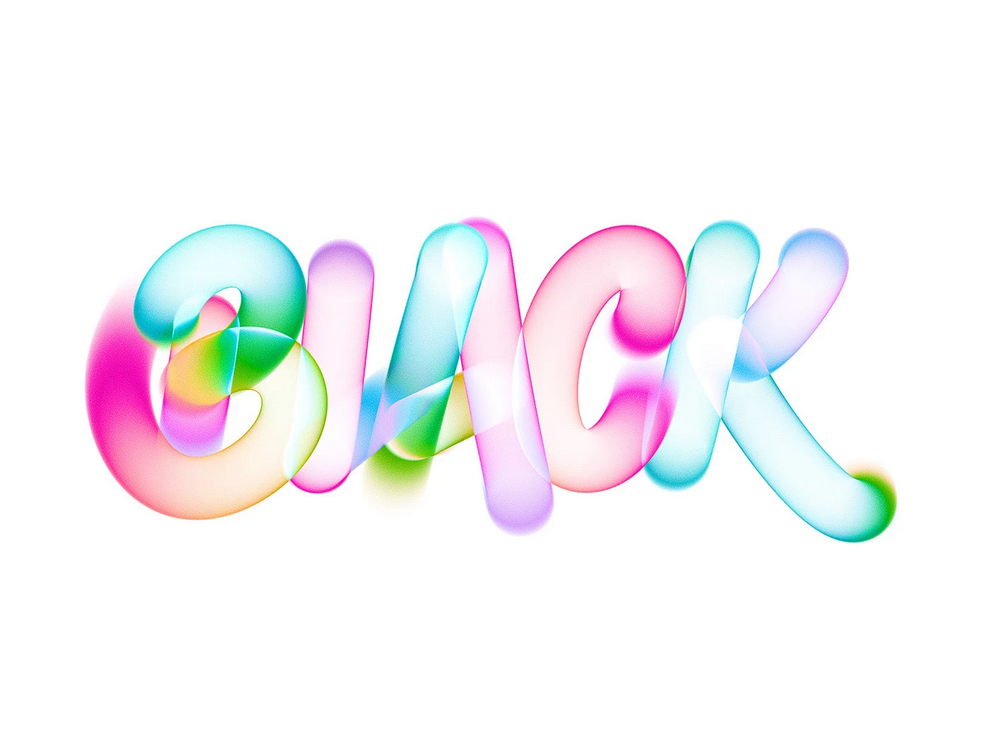
Graphic design
fromThe Art Newspaper - International art news and events
2 weeks agoSwimming pools and school rules: artist Chan Wai Lap on the unusual themes behind his installations
Chan Wai Lap explores the structured environment of public swimming pools through art, focusing on their visual order and social dynamics.
Design
fromdesignboom | architecture & design magazine
2 weeks agoartwork uses floating fabric corridor and bodily movement to visualize climate change
Ryo Yamada's Perception Corridor is an immersive installation in Edinburgh that explores perception and environmental awareness through a 40-meter fabric corridor.
Berlin music
fromdesignboom | architecture & design magazine
3 weeks agohow yuri suzuki builds social architecture through sound sculptures and playful interaction
Yuri Suzuki uses sound sculptures and horns as social connectors that build collective experiences and community through shared listening and interactive participation in public spaces.


Design
fromYanko Design - Modern Industrial Design News
3 weeks agoThis walkable steel sculpture turns geometric chaos into an experience - Yanko Design
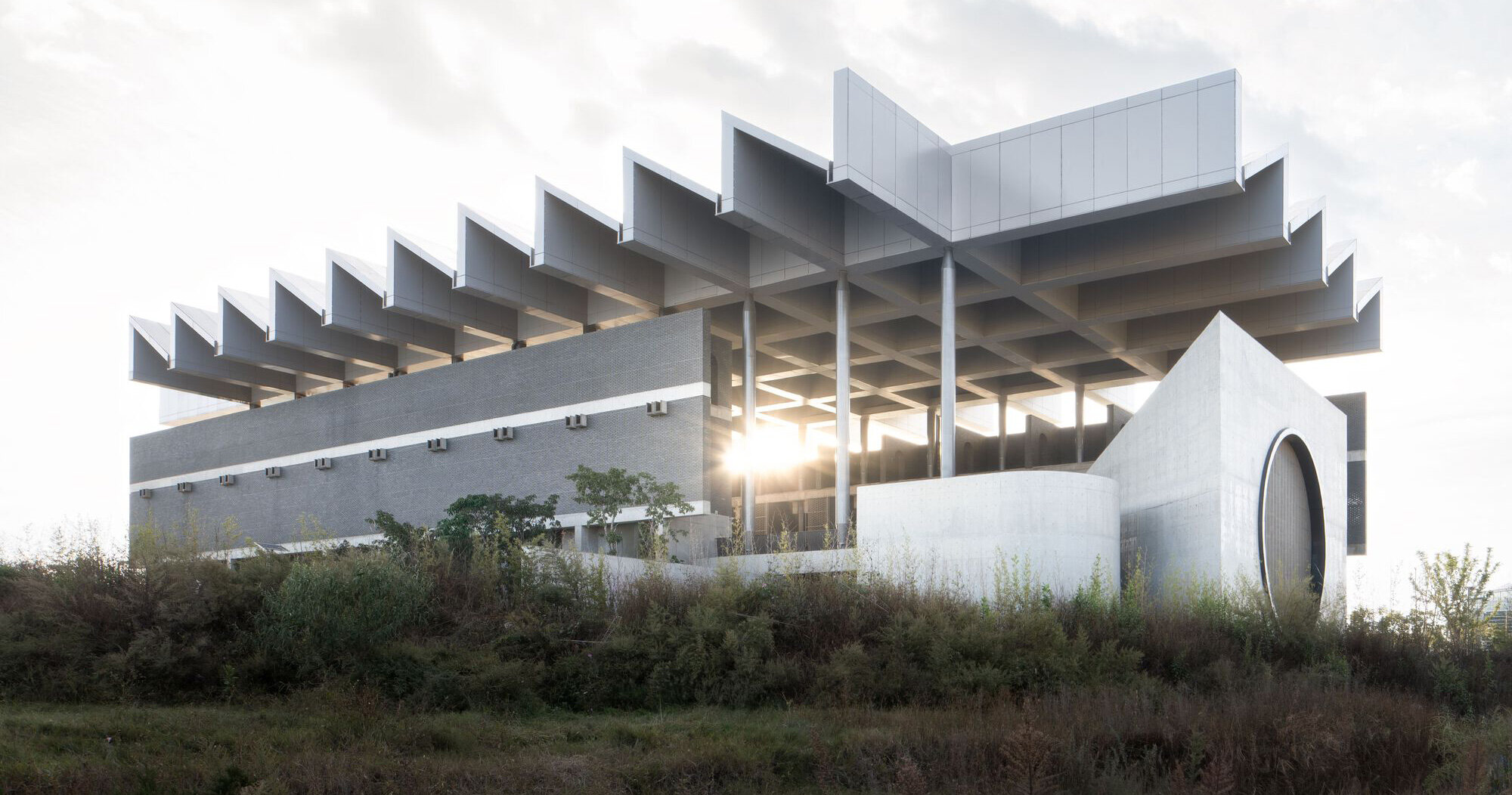
Five Fragmented Cubes is an interactive sculpture designed for immersion, challenging traditional viewing by inviting people to enter and explore its structure.
Graphic design
fromItsnicethat
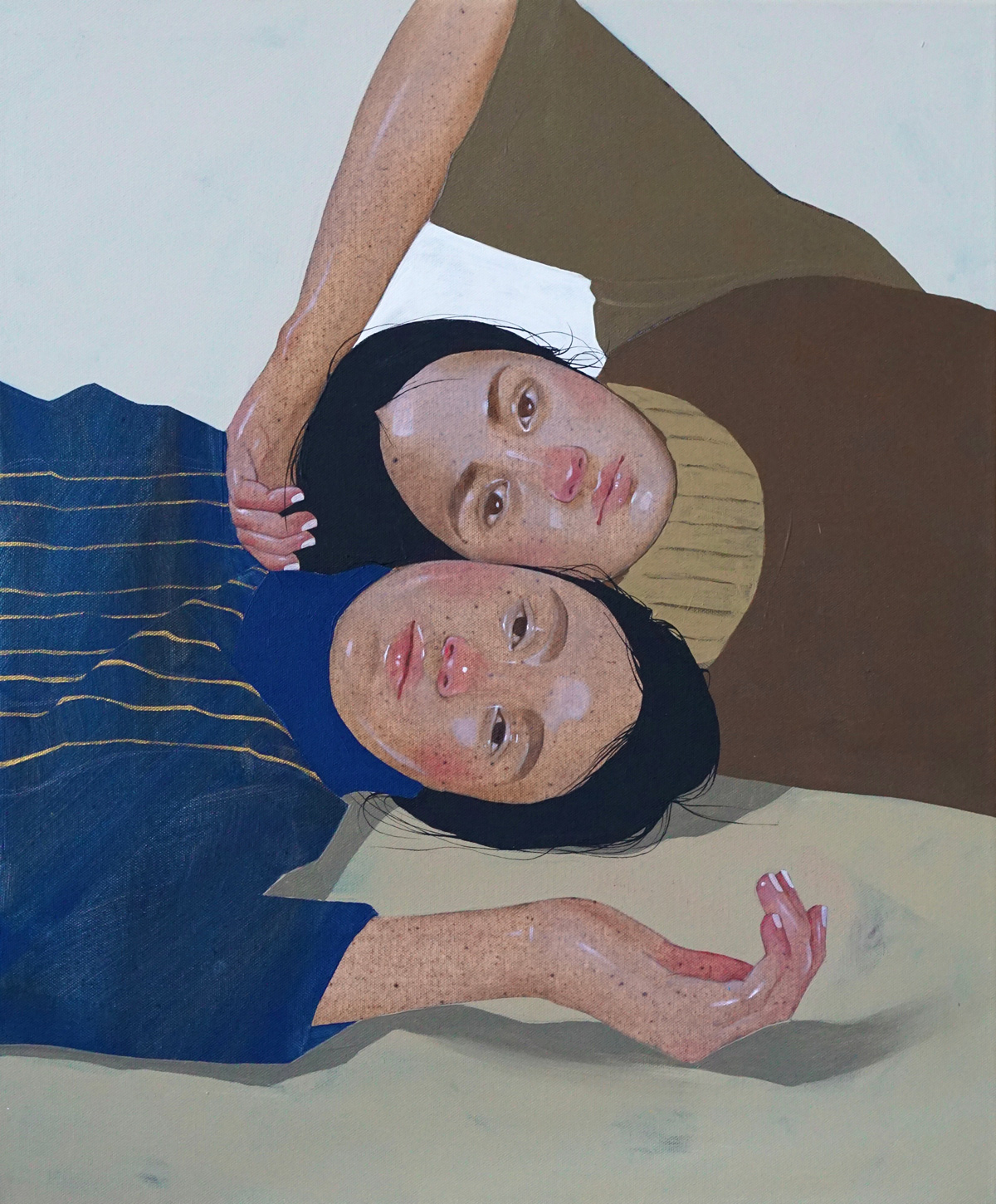
3 weeks agoThese emotionally charged illustrations are here to make your imagination wander
Xiao Hua Yang creates illustrations that blend digital and analogue techniques to suggest emotions through subtle imagery rather than explicit statements, prioritizing implication over explanation.
NYC music
fromTime Out New York
1 month agoA sweeping, 140-foot multimedia installation is turning Lincoln Center into a portrait of NYC
Josh S. Rose's Lincoln Center Arrival Tableau is a 140-foot multimedia installation capturing performers, students, and audiences across Lincoln Center's westside campus, celebrating New York's performing arts community.
Arts
fromThe Art Newspaper - International art news and events
3 weeks agoGoldfish on cars and ceramic flowers: artists take over the Peninsula Hotel in Hong Kong
Art in Resonance features site-specific installations at The Peninsula Hong Kong, showcasing works by Angel Hui, Albert Yonathan Setyawan, and William Lim.
#contemporary-art

Arts
fromMetro Silicon Valley | Silicon Valley's Leading Weekly
1 month agoAnimal, Vegetable, nor Mineral at Stanford | Metro Silicon Valley | Silicon Valley's Leading Weekly
Miljohn Ruperto's exhibition challenges traditional nature classification through photography, video, animation, and AI to explore humanity's place in the world.

Arts
fromMetro Silicon Valley | Silicon Valley's Leading Weekly
1 month agoAnimal, Vegetable, nor Mineral at Stanford | Metro Silicon Valley | Silicon Valley's Leading Weekly
Miljohn Ruperto's exhibition challenges traditional nature classification through photography, video, animation, and AI to explore humanity's place in the world.
Berlin music
fromKALTBLUT Magazine
1 month agoUnveil the Pulse of Memory: Filipp Jenikae's Visual Symphony at Galerie Sara Lily Perez - %
Filipp Jenikäe's exhibition explores how urban spectacle, collective memory, and personal experience merge through dynamic paintings of cities, crowds, and athletic figures.
fromFuturism
2 months agoMan Explains Why He Shredded Up an AI-Generated Art Exhibit With His Bare Teeth
As theschool's student newspaper The Sun Star reported, undergraduate student Graham Granger was arrested for criminal mischief after masticating at least 57 of the 160 images that had been carefully arranged by fine arts student Nick Dwyer. The incident was an eyebrow-raising illustration of the collective exhaustion with being surrounded by the outputs of generative AI, a fierce debate that has gripped the art world.
Higher education
fromConde Nast Traveler
1 month agoArchitect Andre Fu Shows Us Around His Native Hong Kong
With a cornucopia of credits to his name-having designed some of Asia's hottest new hotels including the Waldorf Astoria Osaka, Capella Taipei, and Upper House Hong Kong; restaurants like Duddell's and Estro in Hong Kong; and even furniture for Louis Vuitton-Fu needs as much artistic inspiration as he can get to fuel his work. Fortunately, he doesn't have to go far in this dynamic city: "There's the ultramodern and chic, yes, but the city's spirit is rooted in places that are grounded and authentic," he says.
Travel
Brooklyn
fromBrooklyn Eagle
2 months agoPREMIUM Nai-Ni Chen Dance Company celebrates Lunar New Year with inaugural performance in Marine Park
A multicultural program showcased traditional and modern Chinese and Mongolian dances, interactive children's activities, and a horse head fiddle performance rooted in folk legend.

fromItsnicethat
2 months agoFeng Yitong illustrates the surreality of living between cities
Feng Yitong is a Berlin-based illustrator from Xi'an, China whose comic and hand-drawn imagery addresses migration, cultural shifts and embodied experiences in heavy, tactile forms of oil pastels. Using skills learned from her bachelors and masters degrees in illustration at the Berlin University of the Arts, she sketches her emotive scenes, then scans before using a light table to transfer them onto A4 and A3 paper. Coloured with oil pastels, she achieves her sharp visual effects by using kitchen cloths to remove or mix thick marks to create defined edges and distinct segments of her dense images.
Berlin
Design
fromdesignboom | architecture & design magazine
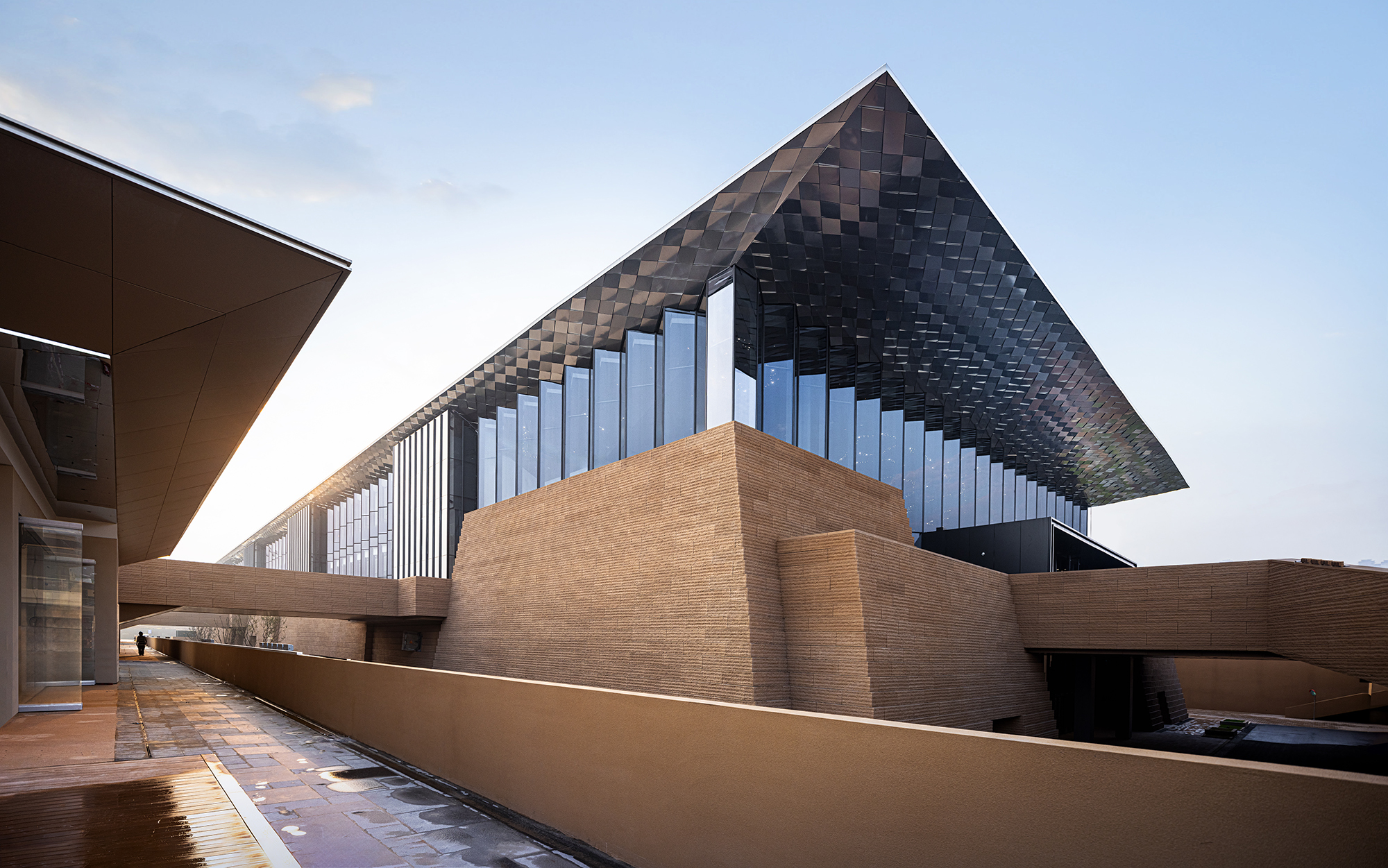
1 month agoTAO shapes this rural art center with a fanning floor plan to frame wetland views
The Chenhu Wetland Art Center uses dynamic walls as the primary design element to create a museum that responds to and reflects its wetland environment through curved forms, textured materials, and porous spatial organization.
fromColossal
1 month agoIn 'Life Forms,' Janny Baek Imagines a Speculative Landscape
As Janny Baek builds sculptural ceramics of speculative beings and imagined landscapes, she grapples with these questions. The work follows its own dream logic, one that accepts incongruity and dissonance as necessary to play and experimentation. Marbling hunks of colored clay, coiling bases, and molding a singular material into something new is part of an exploratory practice that embraces transformation and its often strange outcomes.
Arts
fromYanko Design - Modern Industrial Design News
2 months agoAn Abandoned Building Just Became China's Most Reflective Museum - Yanko Design
Sometimes the best architecture happens when designers refuse to accept what's been left behind. The Hangzhou Empathy Museum, completed in 2025 by TAOA, is one of those rare projects that transforms architectural leftovers into something genuinely captivating. What started as an abandoned community project in Hangzhou's Xiaoshan District has become a striking contemporary art space that seems to hover above the ground.
Renovation
fromdesignboom | architecture & design magazine
1 month agobenedetta tagliabue EMBT reshapes century square in shanghai with kaleidoscopic landscape
Century Square has always occupied a strategic position in Shanghai's urban sequence, acting as a hinge between major civic and waterfront destinations. Historically characterized by night lights, shows, and commercial presentations, the site demanded a redesign that could maintain its performative identity while broadening its social and environmental role. The proposal by the team at EMBT retains the capacity of the square for spectacle but shifts its emphasis toward flexibility and daily use.
Renovation
#textile-installations
Arts
fromdesignboom | architecture & design magazine
1 month agochiharu shiota's woven webs meet yin xiuzhen's clothing installations at hayward gallery
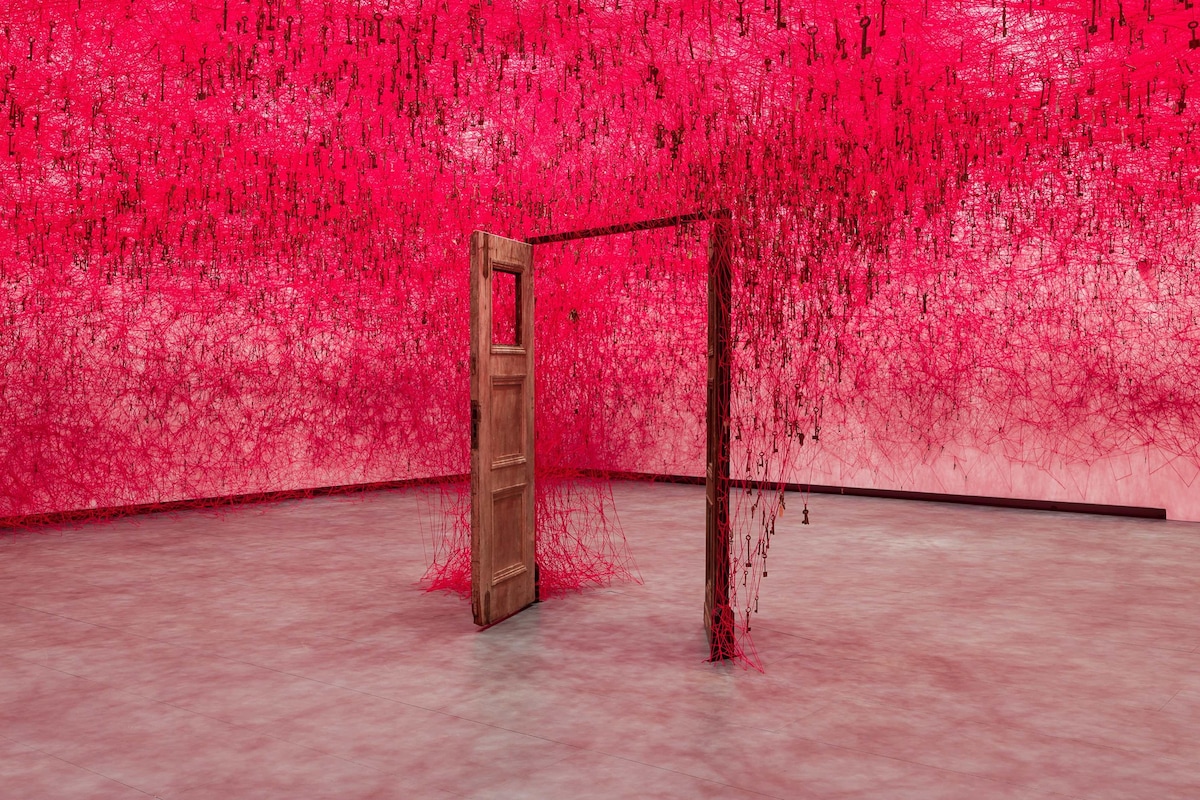
Hayward Gallery presents two major concurrent textile installations by Chiharu Shiota and Yin Xiuzhen that transform ordinary materials into immersive spatial explorations of memory, identity, and shared human experience through large-scale installations.
#asian-american-art
Arts
fromThe Art Newspaper - International art news and events
1 month agoA new home for Asian contemporary art opens in landmarked building in Manhattan's Chinatown
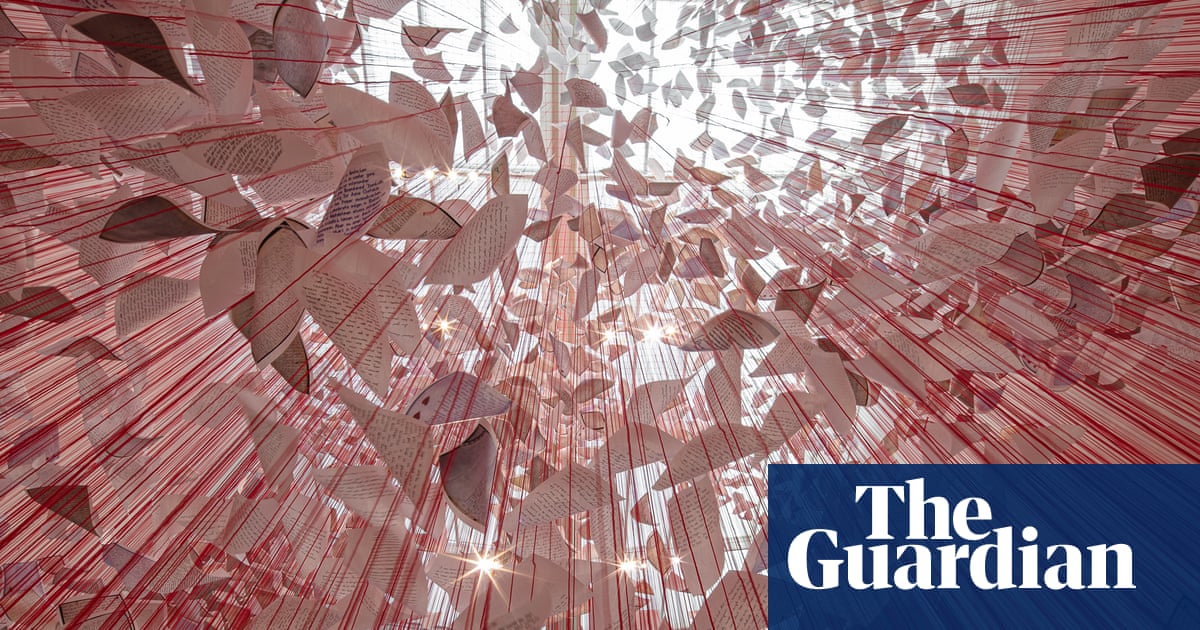
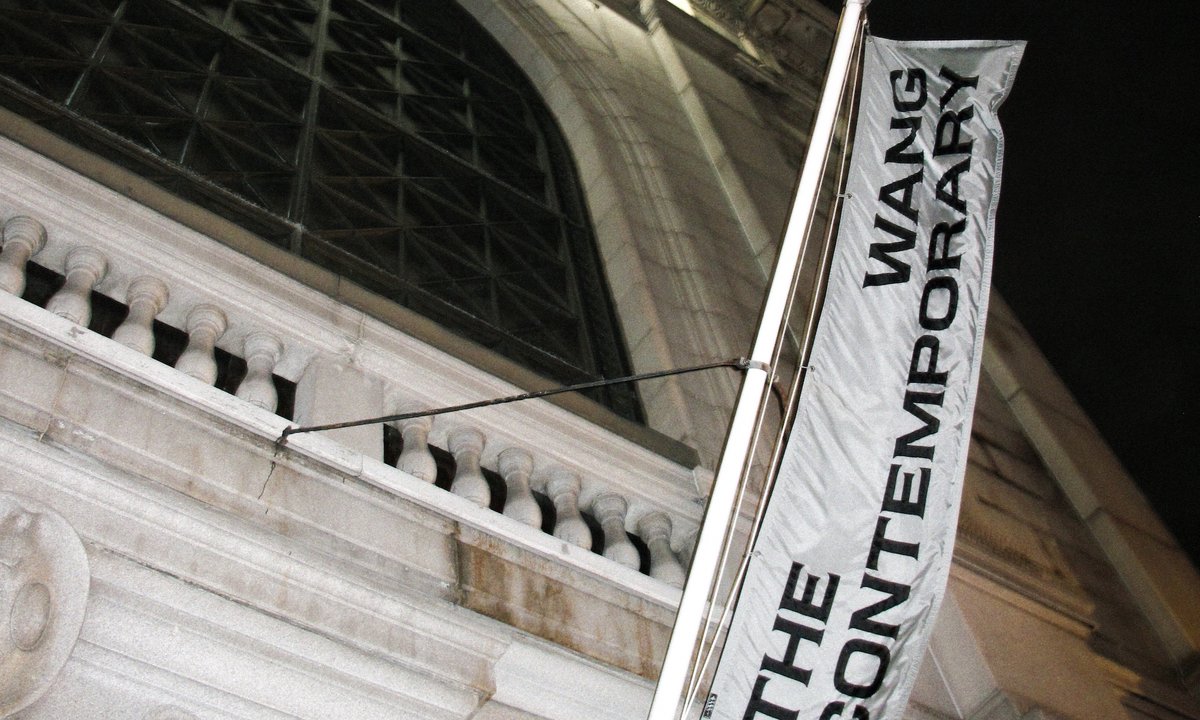
Wang Contemporary opens at 58 Bowery as a global platform for Asian and Asian American creativity, inaugurating with MSCHF's paper plane installation during Lunar New Year.
Design
fromdesignboom | architecture & design magazine
2 months agotraditional bamboo scaffolding constructs temporary theater along chinese coast
Re-Enchantment Design built an 18-day bamboo-based temporary coastal theater integrating local construction techniques and adaptable public spaces for varied community use.
Arts
fromThe Art Newspaper - International art news and events
1 month agoLee Ufan retrospective will be among 2026 Venice Biennale collateral events
Lee Ufan's retrospective at Venice Biennale showcases his seven-decade artistic journey as a Mono-ha movement pioneer, featuring paintings and sculptures spanning from the late 1960s to present day.
fromdesignboom | architecture & design magazine
2 months agocontinuous steel rail traces shanghai showroom's sculptural interior, like a freehand drawing
The project is structured around a single continuous hanging rail that extends for nearly 100 meters, serving as both the primary display system and the organizing element of the space. In response to the constraints of the site, the design reconsiders the hanging rail as a spatial device rather than a fixed retail fixture. The rail adapts to existing walls, columns, and building services, bending, rising, and shifting in section as needed to navigate obstacles.
Design
fromArchDaily
2 months agoLu Wenyu: Quiet Radicalism and the Practice of Repair
Lu Wenyu-co-founder of Amateur Architecture Studio with Pritzker laureate Wang Shu-has shaped many of the practice's most emblematic works across China, including the Ningbo History Museum and the Xiangshan Campus of the China Academy of Art in Hangzhou. Often working outside the spotlight, her leadership is unmistakable in the discipline of execution and the roles she has assumed: in 2003, together with Wang Shu, she established the Architecture Department at the China Academy of Art,
Design
Arts
fromdesignboom | architecture & design magazine
1 month agothree suspended digital screens translate AI imagery into luminous spatial installation
UNFOLD PLANE's spatial installation translates artificial intelligence concepts into an integrated architectural environment using suspended screens, dynamic lighting, and reflective surfaces that respond to visitor movement.

Arts
fromwww.theguardian.com
2 months agoArtist Sarah Sze: A work of art is finished when everything teeters'
Sarah Sze’s Gagosian Beverly Hills exhibition uses 13 works—large, intricate paintings and video installations—to create immersive, disorienting landscapes reflecting an image‑saturated, unstable contemporary world.


fromBitcoin Magazine
2 months agoRutherford Chang Retrospective: Hundreds And Thousands At UCCA Beijing
But they also miss what makes his approach distinctive. Chang worked with objects that industrial culture designed to be identical: records pressed in millions of copies, portraits drawn according to strict house style, coins minted for perfect interchange. His interest lay in the precise moment when the promise of sameness begins to fail, when time and human handling leave marks that transform supposedly identical objects into singular things.
Arts
Arts
fromdesignboom | architecture & design magazine
2 months agoSpY's monumental divided sphere installation illuminates xi'an in bright red light
A monumental red luminous sphere split into two identical hemispheres creates an immersive corridor of light within urban space, contrasting curved form and industrial scaffolding.
fromThe Art Newspaper - International art news and events
2 months agoFrom shopping malls to housing estates, Singapore Biennale integrates art into the city's urban fabric
"The idea is that intention is not the whole story," says Selene Yap, a co-curator of the Biennale. "Systems can generate a certain kind of afterlife, and there are side effects." While the waterfall impresses, it also has consequences, she adds. The work uncovers how Singapore imports hydropower through transnational infrastructure, including the Vajiralongkorn Dam, whose construction has displaced Thailand's indigenous Karen hill tribe, forcing many to live in floating homes on the reservoir.
Arts
Arts
fromdesignboom | architecture & design magazine
2 months agosuspended colored discs move through daxing jizi design's folded installation in beijing
OctaPlay is a wind-driven octagonal kinetic installation at Shougang Park that reframes industrial remnants through rotating translucent discs, color, and changing light.
fromdesignboom | architecture & design magazine
2 months agoreflective red sphere suspends from century-old tree in gregory orekhov's land art installation
The red sphere, originally associated with the ritual of celebration and the expectation of magic, is stripped of its function and returned to the landscape as a heavy, vulnerable form without foundation. Suspended by a hemp rope from a bare century-old tree, the object exists between ground and space; neither in fall nor at rest, but in a prolonged state of uncertainty.
Arts
[ Load more ]