#manatee-conservation
#manatee-conservation
[ follow ]
#conservation #marine-life #biodiversity #endangered-species #wildlife-protection #endangered-species-act
fromwww.theguardian.com
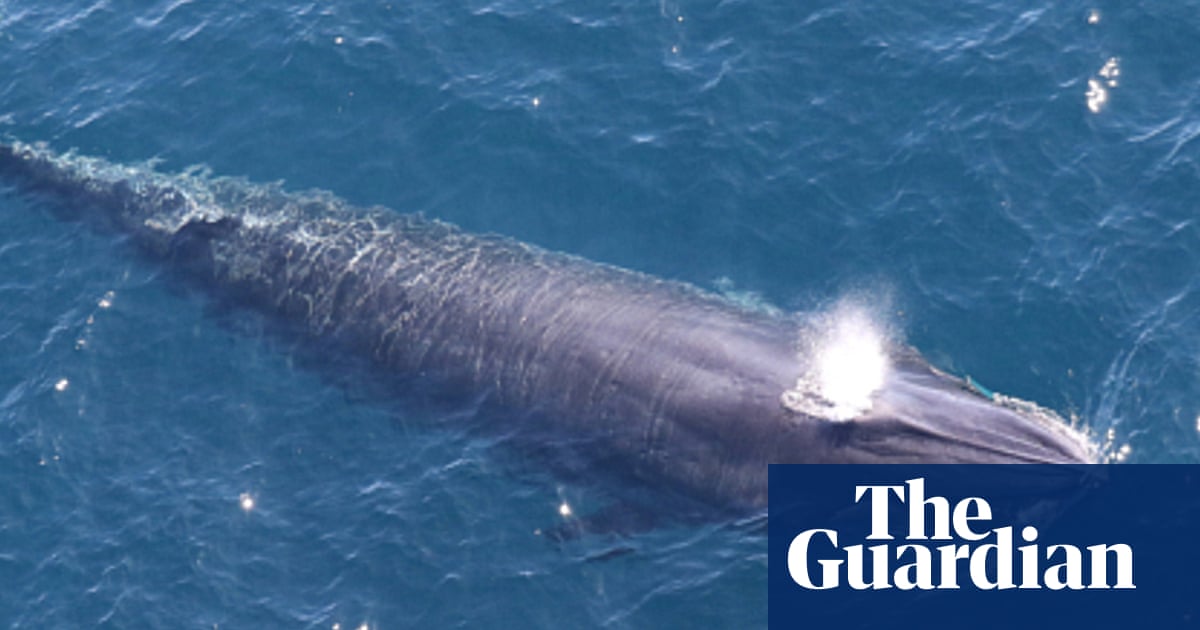
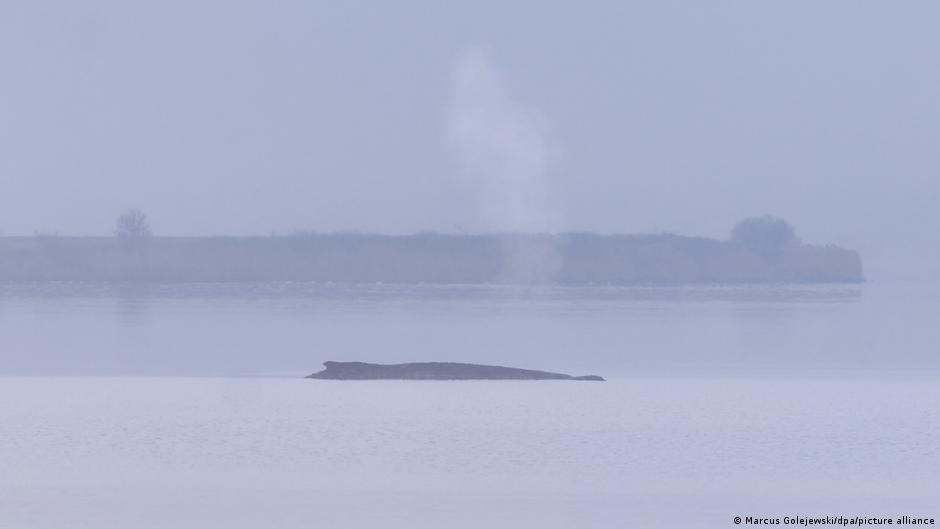
1 day agoWe are totally out of our depth': experts say whale stranded in Baltic is beyond saving
The drama has captivated the country, making politicians cry and drawing shamans from distant parts. Experts brought in first to help save the whale, and then to ease the animal's demise, have faced death threats.
Germany news
fromQueerty
5 days agoWATCH: Neon Reef dives into the sexy, hopeful mission two gay guys took on to save Miami's coral wonderland - Queerty
The South Florida Reef Tract, once decimated by dredging in the 1950s, has bounced back, a resilient sign of hope in these ecologically depressing times.
Miami food
fromQNS
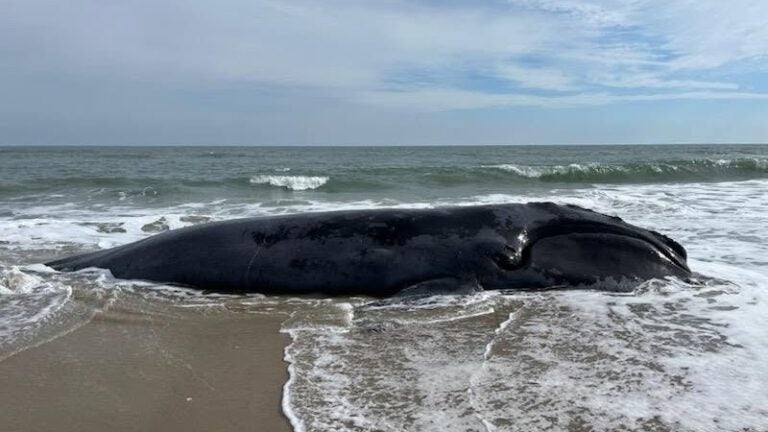
1 day agoExperts explain what happens to beached whales in the Rockaways - QNS
"When a whale washes up on the beach like that, we work with different organizations to decide what the best course of action is," said Atlantic Marine Conservation Society (AMSEAS) Chief Scientist Robert DiGiovanni, who was tasked with processing the whale. "Every stranding has a unique set of circumstances."
OMG science
Agriculture
fromwww.independent.co.uk
4 days agoCitizen 'Frog Patrol' helps amphibians survive a dangerous road journey in Poland
The Independent provides critical journalism on various issues, emphasizing the importance of accessible reporting and community initiatives like Frog Patrol for wildlife protection.
#endangered-species-act

SF politics
fromFortune
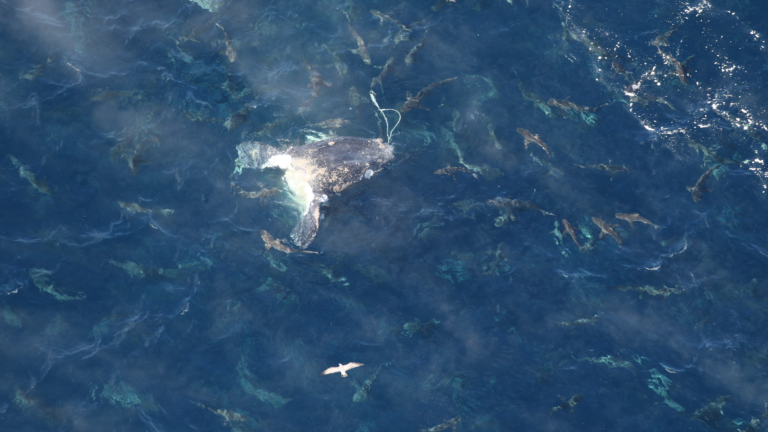
2 weeks agoWashington's 'God Squad' assembles to debate the fate of a rare endangered whale and drilling in the Gulf of Mexico | Fortune
A U.S. panel is considering exempting Gulf oil drilling from the Endangered Species Act, raising concerns for marine life and a rare whale species.
fromwww.theguardian.com
6 days agoThe water is no longer our friend': how dredging is pushing Lagos Lagoon towards ecosystem collapse photo essay
When you dredge sand at that scale without a proper assessment of its environmental impacts, it destroys or wipes out certain species, which harms fisheries and, ultimately, everyone who depends on them.
Environment
Non-profit organizations
fromwww.theguardian.com
4 weeks agoWe cannot replace USAID, but we can do big things': conservation plots a future without American money
Liberia's eco-guard program, funded by USAID, faces collapse after the Trump administration dismantled the agency, threatening forest conservation and wildlife protection in one of Africa's most biodiverse regions.
fromFast Company
3 weeks agoBeach cleanups can save the lives of marine animals. This calculator tells you exactly how many
If you enter the amounts of different types of plastic that you clean up into the Wildlife Impact Calculator, it will tell you how many animal lives would have been at risk, had those items made their way into the ocean and been ingested.
Environment
Miami food
fromSun Sentinel
1 month agoNew records show Florida officials burned more than $1.2 million per day on 'Alligator Alcatraz'
Florida's DeSantis administration planned to spend $1.49 billion on an Everglades immigration detention facility, spending over $1 million daily with minimal public oversight or legislative scrutiny.
fromenglish.elpais.com
2 months agoSharks become easy prey for criminal groups
In February 2023, an article in the Mexican press announced the capture of a vessel some 195 nautical miles from the port of Lazaro Cardenas in the state of Michoacan. It had been carrying nearly 700 pounds of cocaine packaged in plastic-wrapped bricks, in addition to 1,650 liters of hydrocarbons in 33 plastic containers. Two Ecuadorian fishermen were among the five detainees, and their immigration records showed unusual activity.
Law
fromwww.latimes.com
2 months agoCalifornia diver documents close encounter with lacy, undulating sea creature far from home
It looked like the silvery blade of a knife. Peering through his goggles, diver Ted Judah had laid eyes on a deep-sea creature rarely encountered by humans. He and wife Linda were diving off McAbee Beach in Monterey County in late December when, near the surface, he spotted the undulating thing. It was some kind of ribbon fish, he wrote in a post on the Facebook group Monterey County Dive Reports. Kevin Lewand solved the mystery.
Science
fromwww.bbc.com
2 months agoSwimming spots that could become designated dips
The government said the plans would increase the number of England's official bathing sites to 464. An official bathing spot on the Thames in London would mark a "vast transformation" in water quality in the river which was declared biologically dead in the 1950s due to pollution, officials said. Water minister Emma Hardy said rivers and beaches were "at the heart of so many communities, where people come together, families make memories and swimmers of all ages feel the benefits of being outdoors safely".
UK news
Miami food
fromTravel + Leisure
1 month ago12 Best Florida State Parks, According to Someone Who Has Lived in the Sunshine State for 32 Years
Florida's state parks contain the state's greatest natural treasures, offering diverse ecosystems and outdoor experiences that surpass typical tourist attractions.
fromenglish.elpais.com
1 month agoAn oil spill in the Gulf of Mexico is met with two weeks of evasive responses
Beaches, mangroves, fish, turtles and manatees. Little by little, oil has coated them all. About two weeks have been enough for the sticky black residue to permeate everything in its path. Its advance has been met with an outcry. Since the first fishermen in the Gulf of Mexico reported the discovery of chapapote (petroleum residue) in their nets on March 2, the progression has been documented by the affected communities.
Environment
Science
fromwww.theguardian.com
1 month agoHumans not Mimmo the dolphin need managing in Venice lagoon, say scientists
Italian scientists monitoring a solitary dolphin in Venice conclude that human behavior management, not wildlife control, is necessary to protect the animal from boat propeller dangers.
fromTravel + Leisure
1 month agoAmerica's Largest Blackwater Swamp Is Home to Roughly 15,000 Alligators-and It Could Become a UNESCO World Heritage Site
The Okefenokee Swamp is not only one of America's most important ecosystems, but also the largest blackwater swamp in North America. Its vast stretches are home to several endangered species, like the indigo snake and the wood stork.
Environment
Environment
fromwww.theguardian.com
1 month agoAustralian wildlife in harm's way' with volunteers left to pick up the pieces' amid climate crisis, fires and floods
Labor is urged to establish national wildlife protection standards for disaster response, with advocates warning biodiversity risks could become irreversible without coordinated government-funded rescue and rehabilitation services.
fromSun Sentinel
1 month ago'We got lucky': How Florida wildlife died - or survived - in the brutal February freeze
The record-breaking arctic blast that hit Florida earlier this month may have sent humans scurrying for winter coats, but it sent wildlife scurrying, swimming and slithering for their lives. Some of those animals were native, some were invasive. Some survived. Thousands of others did not. The benchmark for cold snaps in Florida is the 2010 freeze, which killed manatees, crocodiles, iguanas, thousands of snook and goliath grouper, and caused 50% to 90% of invasive pythons to die in some areas.
Environment
fromMiami Herald
8 months agoTroopers, wildlife officers save alligator crawling on busy Florida Turnpike
An alligator waddling on the emergency shoulder of the Florida Turnpike on Friday morning backed up traffic during rush hour as authorities worked to rescue it. Around 8:30 a.m., concerned commuters alerted authorities of the alligator on the shoulder near the Northwest 74th Street exit of the Florida Turnpike, Florida Highway Patrol said. Troopers and Florida Fish and Wildlife Commission officers rolled out to rescue the gator, moving it to a canal that runs parallel to the turnpike.
fromSFGATE
2 months agoCalif. nonprofit opens coastal Bay Area preserve. Neighbors hate it.
It was off-limits to the public for a century until recently, when a nonprofit land trust called the Wildlands Conservancy liberated the coastline following 10 years of planning. Accessing the preserve is allowed after reaching the farthest end of Bodega Harbour, a scenic coastal community of 700 homes linked within an 18-hole golf course. But once word about the hike began to spread last month, locals began saying their neighborhood was upended overnight by hundreds of cars.
Environment
fromwww.dw.com
2 months agoThe business of saving nature
The world spends 30 times more money destroying nature than protecting it. That's according to a new report from the United Nations Environment Programme (UNEP) that exposes a massive gulf between so-called "harmful investments" and financing that promotes nature preservation. The global environment agency's latest "State of Finance for Nature" (SNF) report is calling to phase out the US$7.3 trillion (6.2 trillion) in global investments that damage nature including into high-emissions energy infrastructure and manufacturing, for example.
Environment
Environment
fromABC7 San Francisco
1 month agoTracking fisherman to track fish: The new technological approach to better understand ocean life
Global Fishing Watch uses AIS transponder data and artificial intelligence to track fishing vessels worldwide, providing unprecedented visibility into global fishing fleet movements and activities.
Environment
fromwww.montereyherald.com
1 month agoFinding Sanctuary: Ranking the most wanted kelp forests
Northern California kelp forests have declined dramatically, central California shows patchy loss; small-scale restoration cannot offset losses, requiring prioritization and high-resolution monitoring.
Environment
fromEarth911
2 months agoSustainability In Your Ear: The Ocean Conservancy's Dr. Erin Murphy Documents the Lethality of Ocean Plastics
Lethal plastic thresholds were identified across marine species, showing even small amounts of plastic can be deadly and requiring lifecycle-wide policy action.
fromwww.mercurynews.com
2 months agoOpinion: Save the whales' worked for decades, but now gray whales are starving
Recently, while sailing with friends on San Francisco Bay, I enjoyed the sight of harbor porpoises, cormorants, pelicans, seals and sea lions and then the spouting plume and glistening back of a gray whale that gave me pause. Too many have been seen inside the bay recently. California's gray whales have been considered an environmental success story since the passage of the 1972 Marine Mammal Protection Act and 1986's global ban on commercial whaling. They're also a major tourist attraction during their annual 12,000-mile
Environment
fromwww.theguardian.com
2 months agoLooking for Miracle: why have so many dugongs gone missing from Thailand's shores?
A solitary figure stands on the shore of Thailand's Tang Khen Bay. The tide is slowly rising over the expanse of sandy beach, but the man does not seem to notice. His eyes are not fixed on the sea, but on the small screen clutched between his hands. About 600 metres offshore, past the shadowy fringe of coral reef, his drone hovers over the murky sea, focused on a whirling grey shape: Miracle, the local dugong, is back.
Environment
[ Load more ]