#menashe-zalka
#menashe-zalka
[ follow ]
#art #contemporary-art #photography #art-exhibition #identity #photojournalism #cultural-heritage #sculpture
fromMetro Silicon Valley | Silicon Valley's Leading Weekly
9 hours agoMiguel Novelo: Inframundo in San Jose | Metro Silicon Valley | Silicon Valley's Leading Weekly
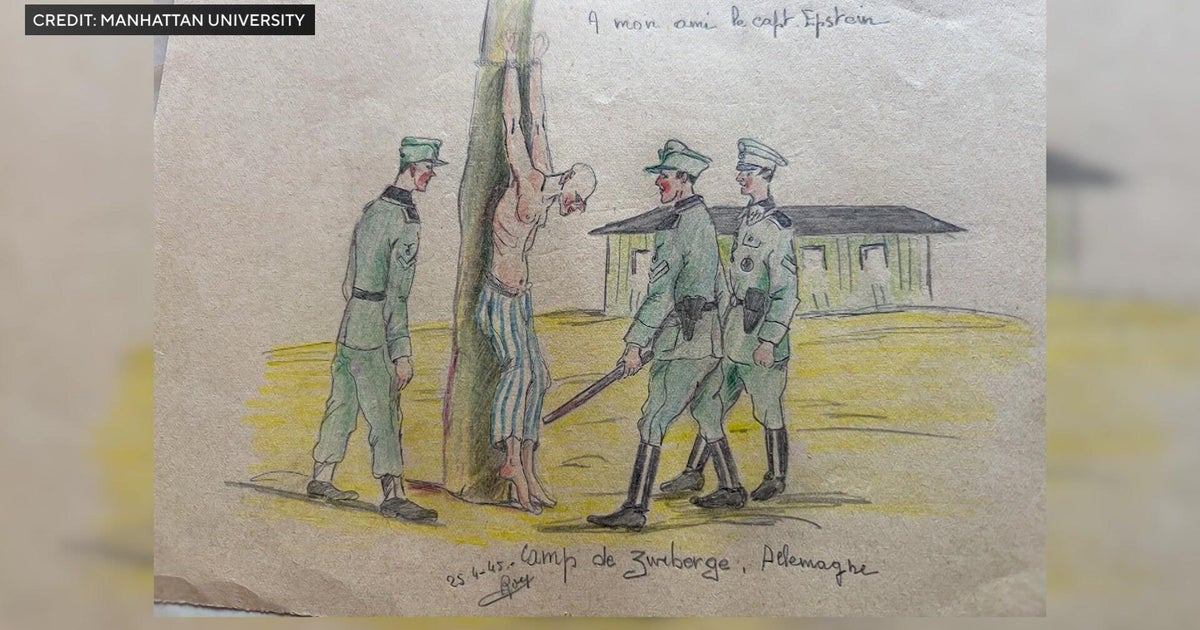
Inframundo invites visitors to look inward and become a rock, drawing on the landscape shaped by cenotes, which are thought to be portals to the Maya underworld.
Silicon Valley
fromdesignboom | architecture & design magazine
1 day agopilar zeta's sculpted portals transform public spaces into pocket dreamworlds
Pilar Zeta builds environments like dreams that feel like stepping into a thought mid-formation. Her sculptural works take shape in the form of portals and objects that invite direct engagement, as visitors are invited to walk through them and notice subtle shifts in perception.
Design
fromOregon ArtsWatch * Arts & Culture News
3 days agoSpecial series: -Ism Storytellers, mixed race * Oregon ArtsWatch
In 2025, Dmae Lo Roberts embarked on a statewide storytelling experience focusing on personal stories from both artists and community members. These stories are a form of living oral history.
Portland
fromFilmmaker Magazine
4 days ago"Decontextualized Little Clips of Violence": Daniel Goldhaber and Isa Mazzei on Faces of Death
Faces of Death follows a pathologist trying to understand what happens when we die, subjecting himself and the viewer to a series of 'snuff' films depicting violent deaths.
Independent films
fromdesignboom | architecture & design magazine
4 days agocarsten holler on the 'most powerful architect' and collective experience at MIT museum
The dream is the confusion machine I didn't have to build, a space where perception slips beyond authorship. Within Communal Dreams, influence operates as a subtle signal rather than a directive force.
Berlin
fromBusiness Matters
1 week agoMara Naaman on Culture, Career, and Creative Work
Mara Naaman's academic career includes serving as Assistant Professor of Comparative Literature and Arabic at Williams College from 2007 to 2014, and she has held teaching positions at Columbia University, New York University, Hofstra University, and Hunter College.
Women in technology
Graphic design
fromdesignboom | architecture & design magazine
4 days agozim & zou recreates vintage boombox and cassette tapes with handmade paper sculptures
Zim & Zou creates vibrant handmade paper sculptures of vintage boomboxes and cassette tapes, showcasing intricate details and a modern artistic approach.


fromOregon ArtsWatch * Arts & Culture News
1 week agoRemembering Steven Oshatz: "Marking the contours" * Oregon ArtsWatch
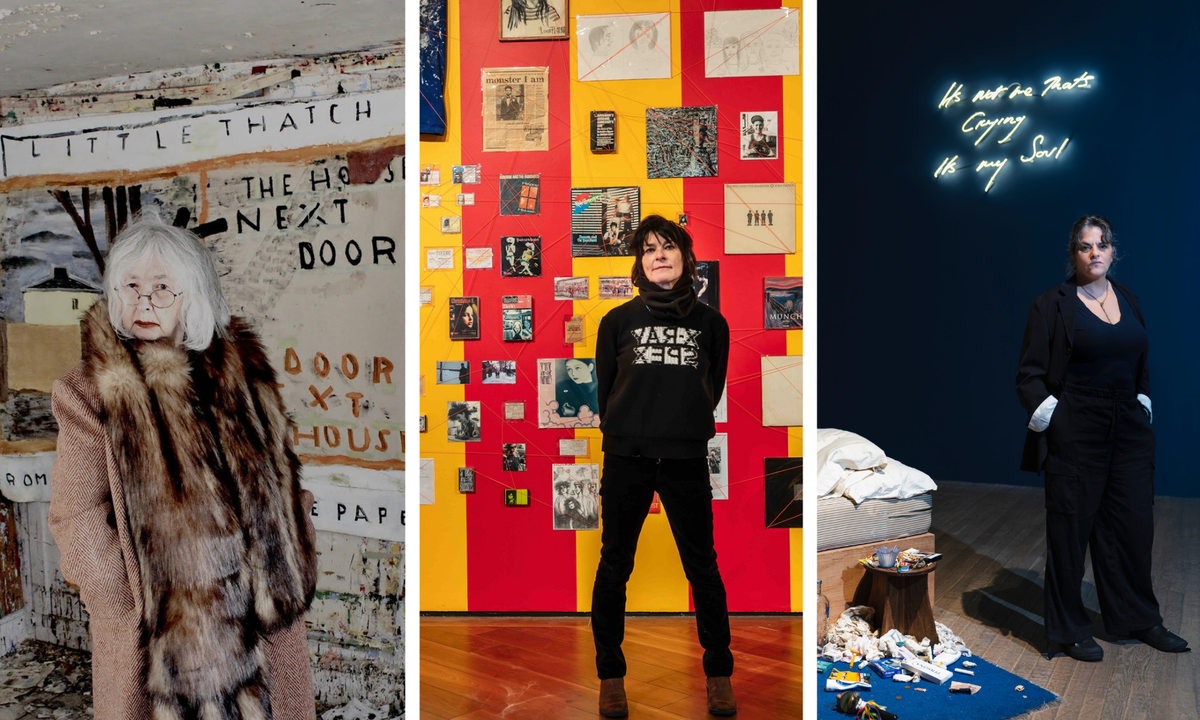
Oshatz worked on a monumental scale to represent underwater scenes, creating a full stage silk backdrop. He also designed hand painted silk waves that dancers moved across the stage.
Portland
fromThe New Yorker
2 weeks agoIn "Yes," an Israeli Filmmaker Charges Israel with Self-Satisfied Brutality
Lapid's frenzied and disgusted vision emerges as he follows the fortunes of a young Tel Aviv couple—a jazz pianist known only as Y and a dancer named Yasmine. Their artistic background is overshadowed by their roles as sexy disco clowns at a big outdoor party for the rich and politically connected.
Music production



fromwww.npr.org
1 week agoThis fringe actor finds the spotlight in Israel's most provocative film post-Oct. 7
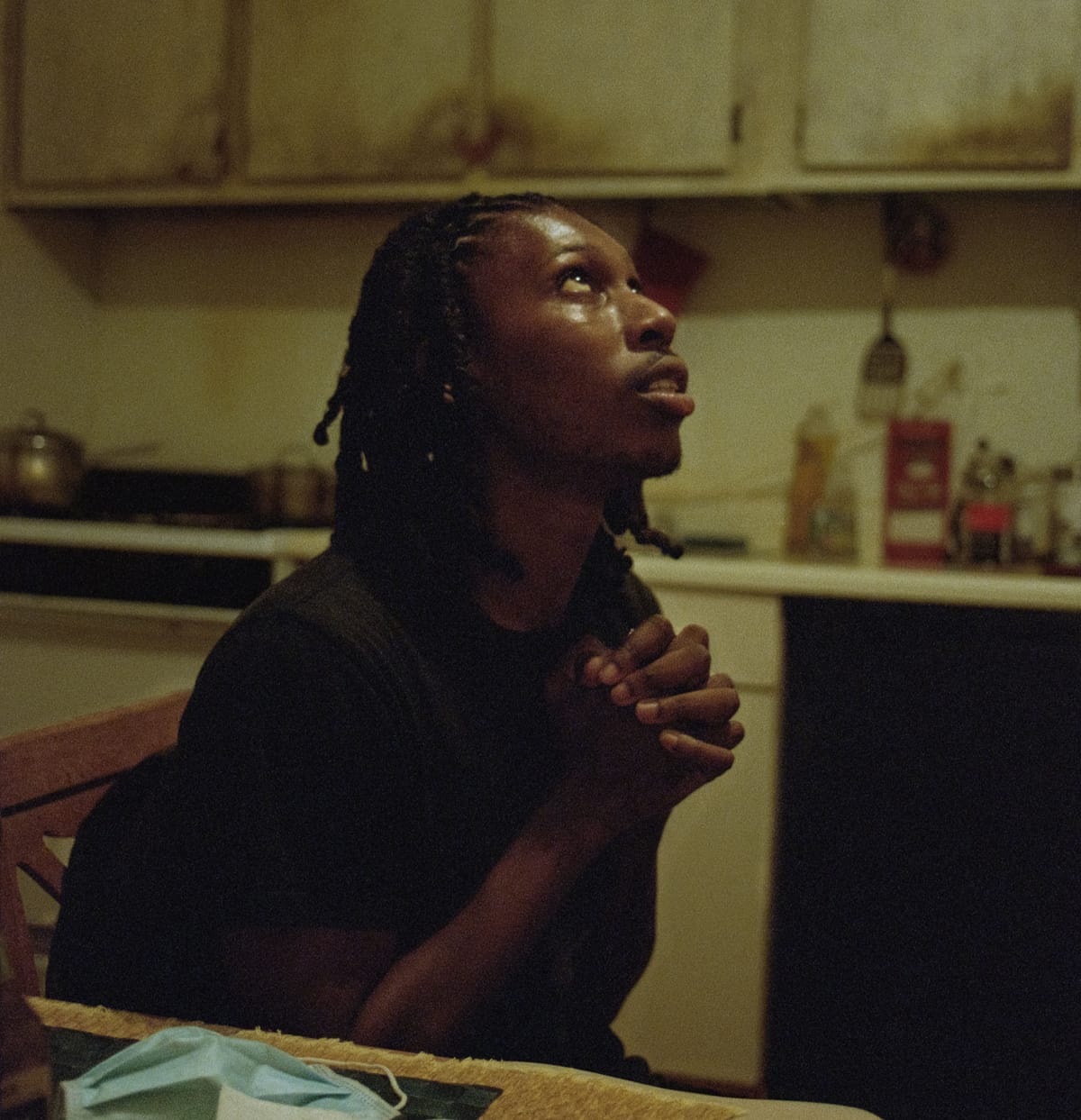
In the film, Bronz's character is commissioned to compose a new national anthem for post-Oct. 7 Israel, and writes a warmongering ballad about destroying Gaza and 'love sanctified in blood.'
Independent films
Film
fromwww.independent.co.uk
1 month agoGiant portrait of Gaza girl Hind Rajab appears on beach ahead of Oscars
A sand portrait of 5-year-old Hind Rajab appears on a Yorkshire beach to promote the Oscar-nominated film 'The Voice of Hind Rajab,' which documents her death during an Israeli military operation in Gaza City in January 2024.
fromBOOOOOOOM!
3 weeks agoIllustrator Spotlight: Cezar Berje
Cezar Berje's visual approach is a mix of chaos-vibrant colours, symbols, and new age psychedelia. His illustrations often suggest universes within universes, with each part of the image telling its own story through symbols and references.
Graphic design
Writing
fromKqed
1 month agoA Glimpse of Iran Through the Eyes of its Artists and Journalists
Iranian-American artists and writers explore diaspora, identity, and historical trauma through poetry, fiction, and documentary, examining the lasting impact of political upheaval and U.S. intervention on Iranian communities.
Independent films
fromConde Nast Traveler
1 month agoWhat It Took for Film Director Cherien Dabis to "Find Palestine Everywhere But Palestine"
Palestinian-American filmmaker Cherien Dabis promotes her Oscar-shortlisted film about Palestinian displacement, exploring intergenerational trauma shaped by movement restrictions and border constraints.


fromHyperallergic
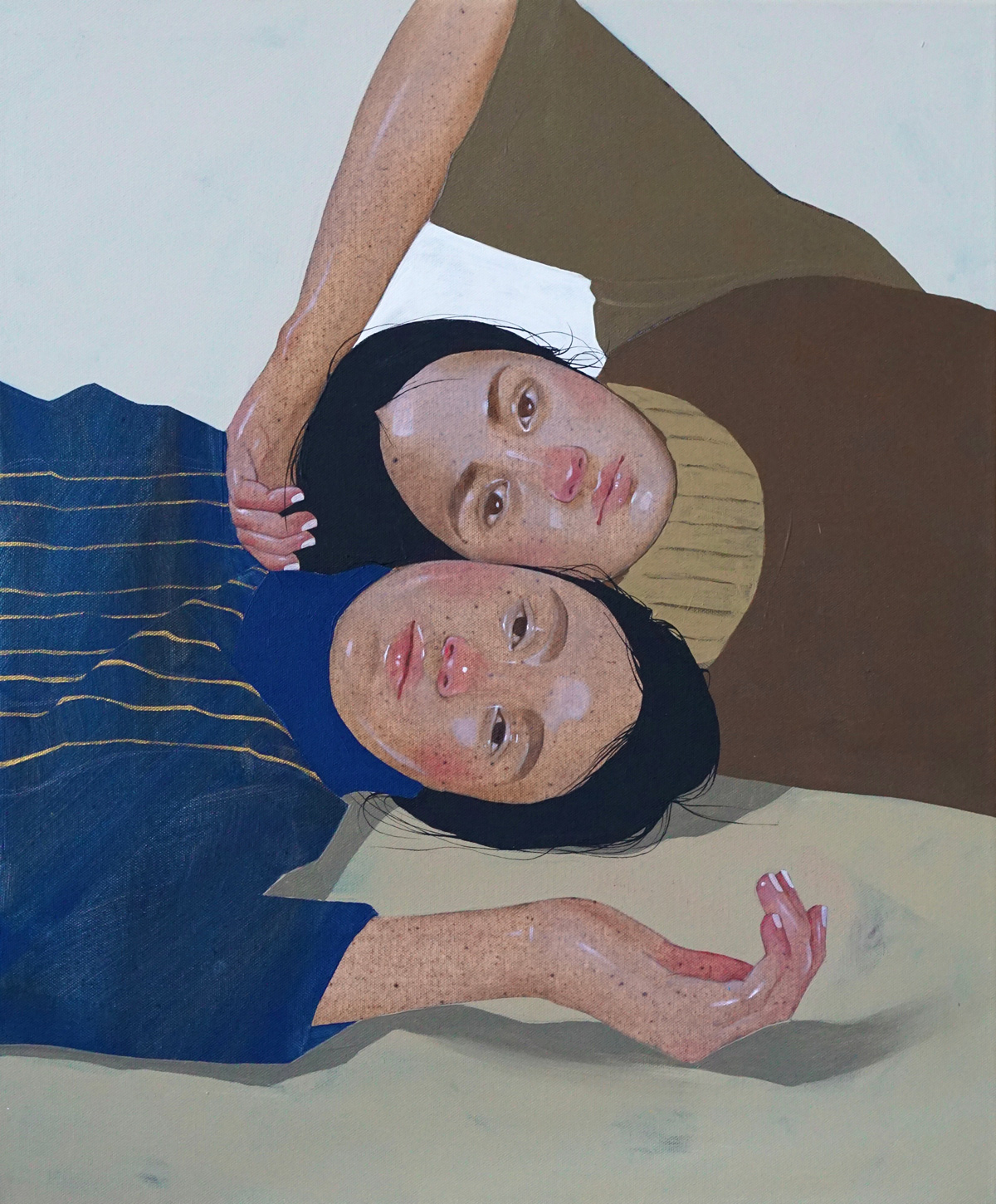
2 weeks agoLebanese Artist Ali Sbeity Reportedly Killed in Israeli Strike
Ali Sbeity painted vibrant portraits and landscapes of his rural hometown in Southern Lebanon, often sharing his works on his Facebook. He participated in numerous local arts exhibitions and created murals for schools in Beirut.
Arts
fromwww.archdaily.com
2 months agoMashiach Now Square / Natureza Urbana
The revitalization of Praca Mashiach Now has transformed a degraded space in the Northern Zone of Sao Paulo into an urban green infrastructure, coordinating environmental recovery, active mobility, and social activation in a territory historically dominated by automobiles.
Renovation
fromThe Art Newspaper - International art news and events
3 weeks agoTextiles weave tales of Palestine's rich but troubled history
Textiles are a window into the communities that created them, with every motif and line signalling a different memory, tradition or identity. Often seen as folk art, these pieces of embroidery and weaving bring together dozens of narrative threads, from Japan to South America. But nowhere is it more fraught with meaning than in Palestine.
Arts
Arts
fromHyperallergic
3 weeks agoZarina Brought the World to New York
Zarina's artistic practice, rooted in South Asian history and shaped by migration and displacement, established her as a foundational figure for South Asian American artists while maintaining independence from nationalist frameworks.
Arts
from48 hills
3 weeks agoFor Iranian artist Shiva Ahmadi, 'ornamentation becomes a form of resistance' - 48 hills
Shiva Ahmadi's interdisciplinary art practice channels personal experiences of displacement, political upheaval, and immigrant anxiety into visually seductive works that address brutal global issues affecting marginalized communities.
fromHyperallergic
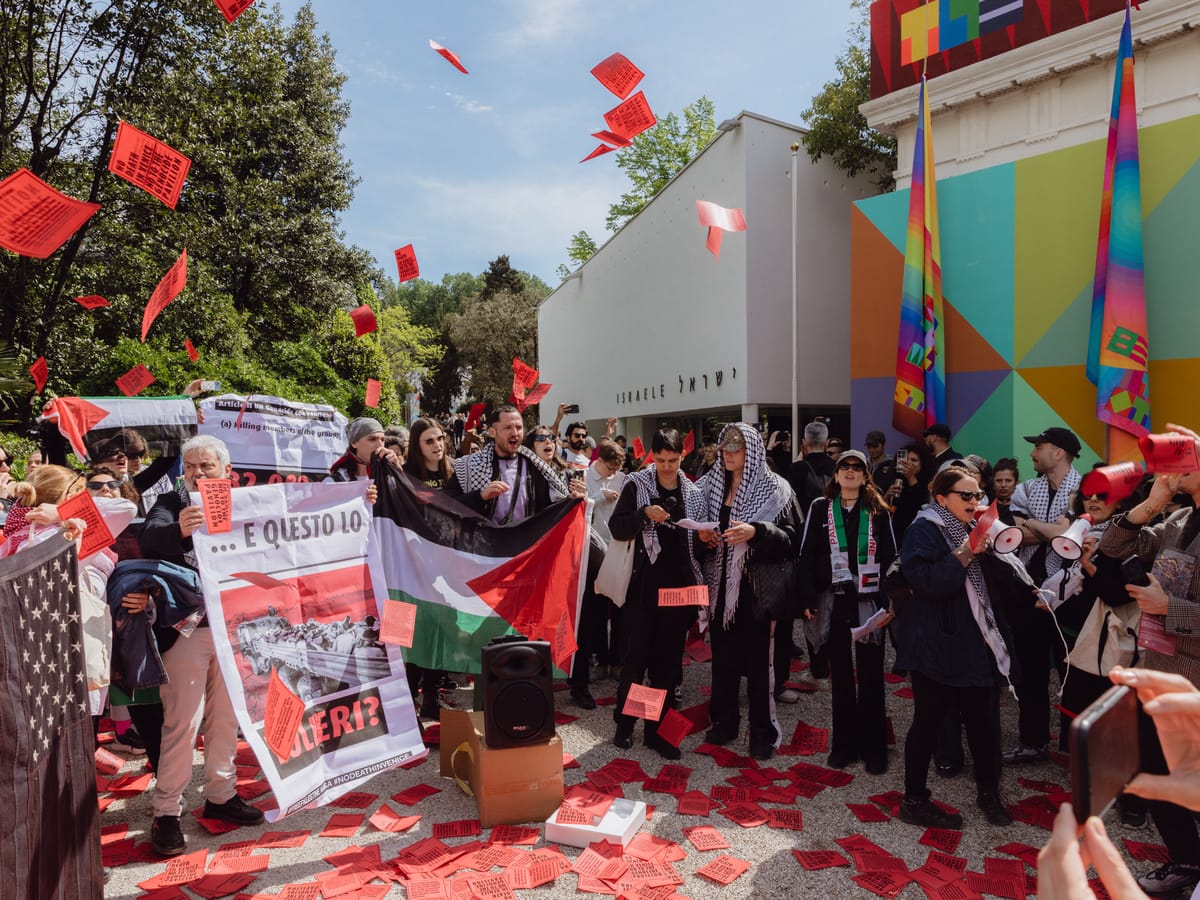
4 weeks agoWhen a Palestinian Artist Asserts Her Own Humanity
There is a scene in "Morgenkreis | Morning Circle" (2025), a 16-mm film by Berlin-based Palestinian artist Basma al-Sharif, that unfolds at the threshold of a daycare center. A young boy clings to his father, his fists locked into the fabric of his coat, his arms wrapped tightly around him. The father gently tries to pry himself free while a daycare worker crouches nearby, attempting to distract the child and coax him inside. It is an ordinary moment, one that anyone who has ever been a child - or cared for one - recognizes instantly, as well as the gut-wrenching feeling it provokes.
Arts

Arts
fromThe Art Newspaper - International art news and events
1 month agoWar in the Middle East, the Whitney Biennial, and a newly-discovered Rembrandt in Amsterdam-podcast
Middle East conflict impacts Persian Gulf tourism and cultural institutions; Whitney Biennial 2026 opens in New York; Rembrandt painting authenticated at Rijksmuseum Amsterdam.
fromBerlin Art Link
1 month agoAn Interview with Monia Ben Hamouda | Berlin Art Link
Monia Ben Hamouda's work weaves calligraphy, material transformation and ancestral memory into sculptures and installations that oscillate between language and form. In conversation, we traced the conceptual and sensory threads of her practice, unfolding through key works that reflect on heritage, embodiment and translation. Using materials such as iron, stone and pigment, her installations become sites where history is not only referenced but physically felt.
Arts
fromHyperallergic
1 month agoQueer Arab Artists on Their Own Terms
"The show is about giving the pen back to the writer, giving the paintbrush back to the artist, during this time of genocide," the Ridikkuluz told Hyperallergic in an interview at the gallery. "And when there's been so much censorship, these are artists that might not have been able to do this anywhere else."
Arts
Arts
fromdesignyoutrust.com
2 months agoArtist Paints Smoky Lounges And Quiet Strangers, Letting Halffinished Details Turn Viewers Into Coauthors Of The Scene
A wide-ranging visual roundup showcases creative reinterpretations, vintage design, activist art, photography, illustration, and humorous cultural works spanning contemporary and historical styles.
fromJuxtapoz
1 month agoJuxtapoz Magazine - Hayv Kahraman: Libations @ Vielmetter, Los Angeles
the artist's newest body of work responds to an urgent question precipitated by the catastrophic events of the past year: What does one do when the world collapses? The works attempt to make sense of her experience of the fire and its enduring aftermath, while continuing her exploration of the poetics of loss, displacement, and migration. Kahraman views these works as an offering, a libation, to a burning world.
Arts
Arts
fromJuxtapoz
2 months agoJuxtapoz Magazine - Sayre Gomez "Precious Moments" @ David Kordansky Gallery, Los Angeles
Sayre Gomez's Precious Moments presents photorealistic paintings, sculpture, and video exploring Los Angeles, nostalgia, youth fetishization, late capitalism, and built environments shaping memory.
fromArtnet News
1 month agoDomingo Zapata Is Painting the World's Largest Mural in Saudi Arabia
As an artist, having the freedom to create without boundaries is incredibly rare. That's why I reference the Sistine Chapel-not to compare myself to Michelangelo, but to evoke that moment in history when an artist was entrusted with complete creative freedom to interpret humanity as it was understood at the time,
Arts
Arts
fromOregon ArtsWatch * Arts & Culture News
2 months agoVizArts Monthly: Existential Journeys * Oregon ArtsWatch
February exhibitions center on universal human experiences—happiness, grief, cultural resilience, and connection to nature—expressed through contemporary, site-specific, and group exhibits.
Arts
fromThe Art Newspaper - International art news and events
2 months agoIranian galleries close amid protests and fears of war
Protests, internet shutdown and economic collapse prompted Iranian galleries to close or alter operations, joining a broader cross‑sector collective action amid severe shortages.
[ Load more ]