#modersohn-becker
#modersohn-becker
[ follow ]
#photography #contemporary-art #art-history #sculpture #surrealism #bauhaus #portraiture #exhibition #art
#bauhaus
Photography
fromKALTBLUT Magazine
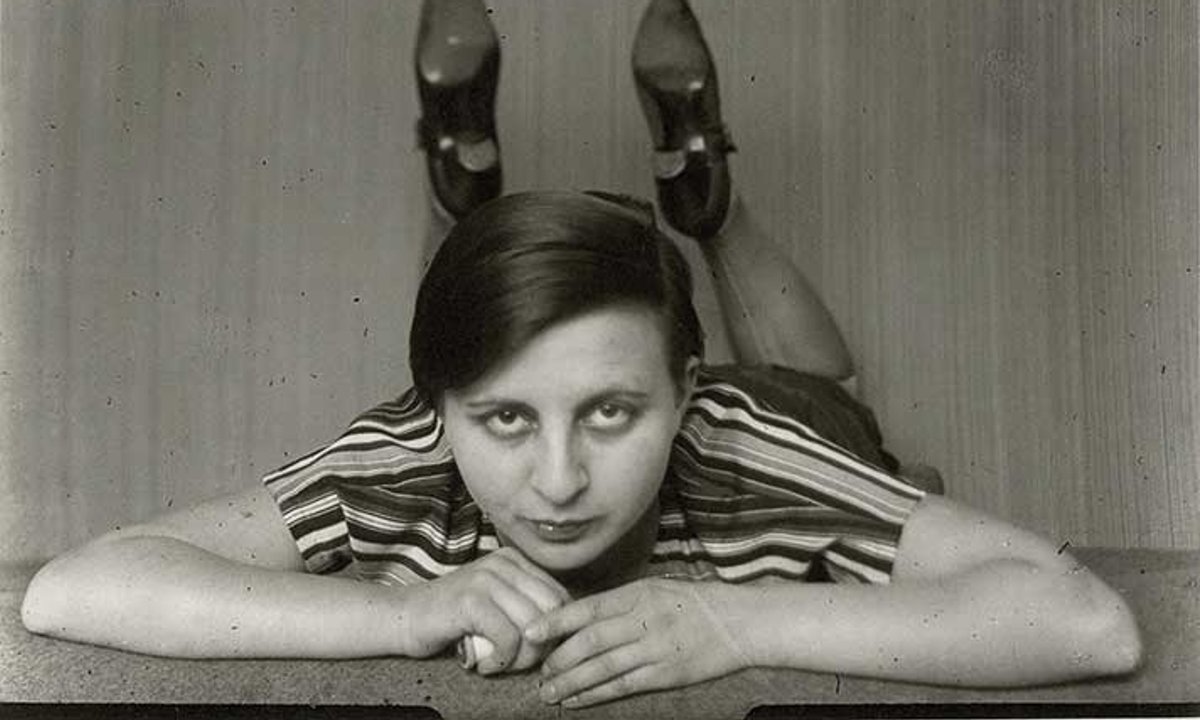
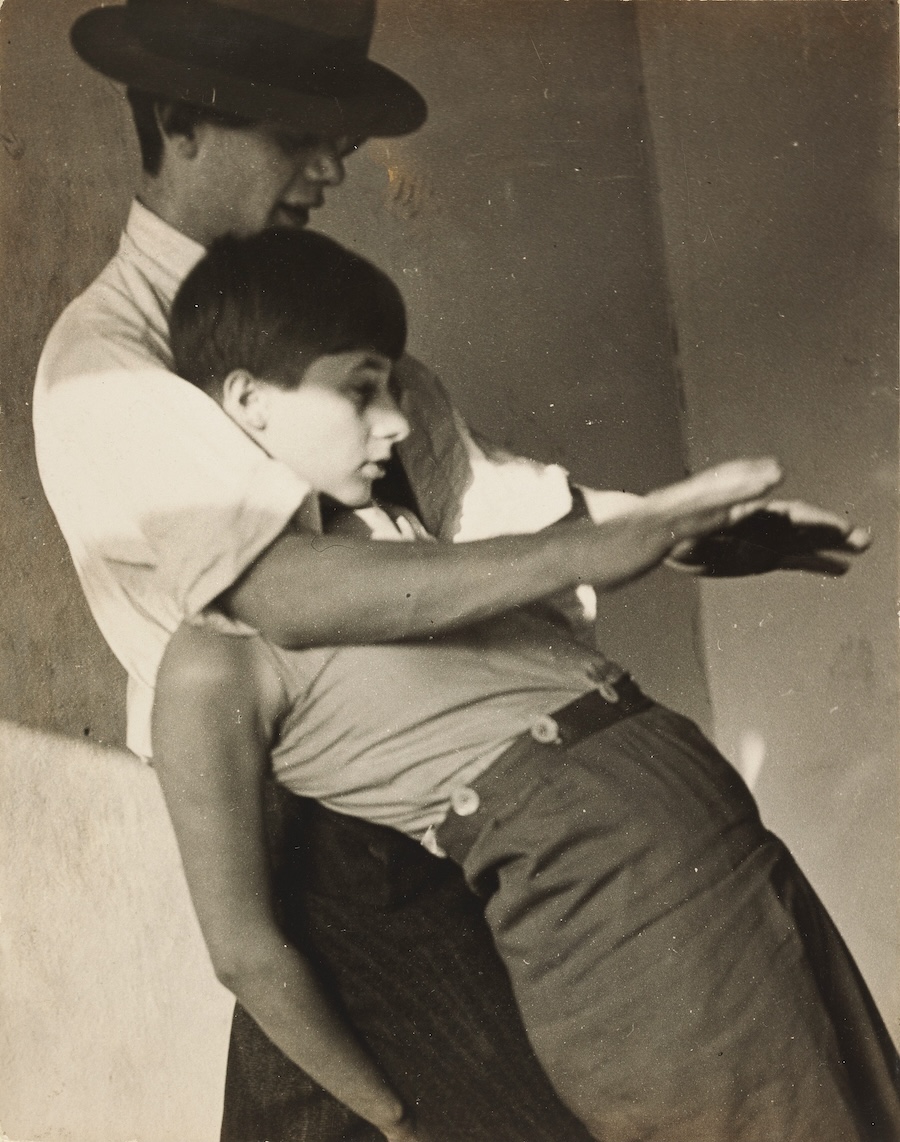
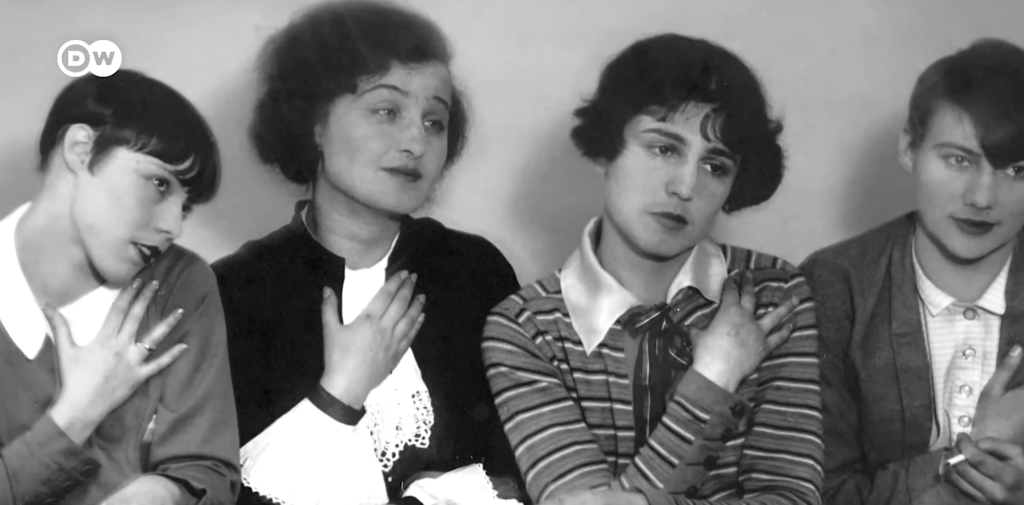
1 day agoNew Woman, New Vision. Women Photographers of the Bauhaus - KALTBLUT Magazine
The exhibition at Bauhaus-Archiv celebrates women photographers' contributions from the Bauhaus movement and contemporary artists, showcasing 300 photographs from 17 April to 4 October 2026.
#photography

fromdesignyoutrust.com
2 months agoArts
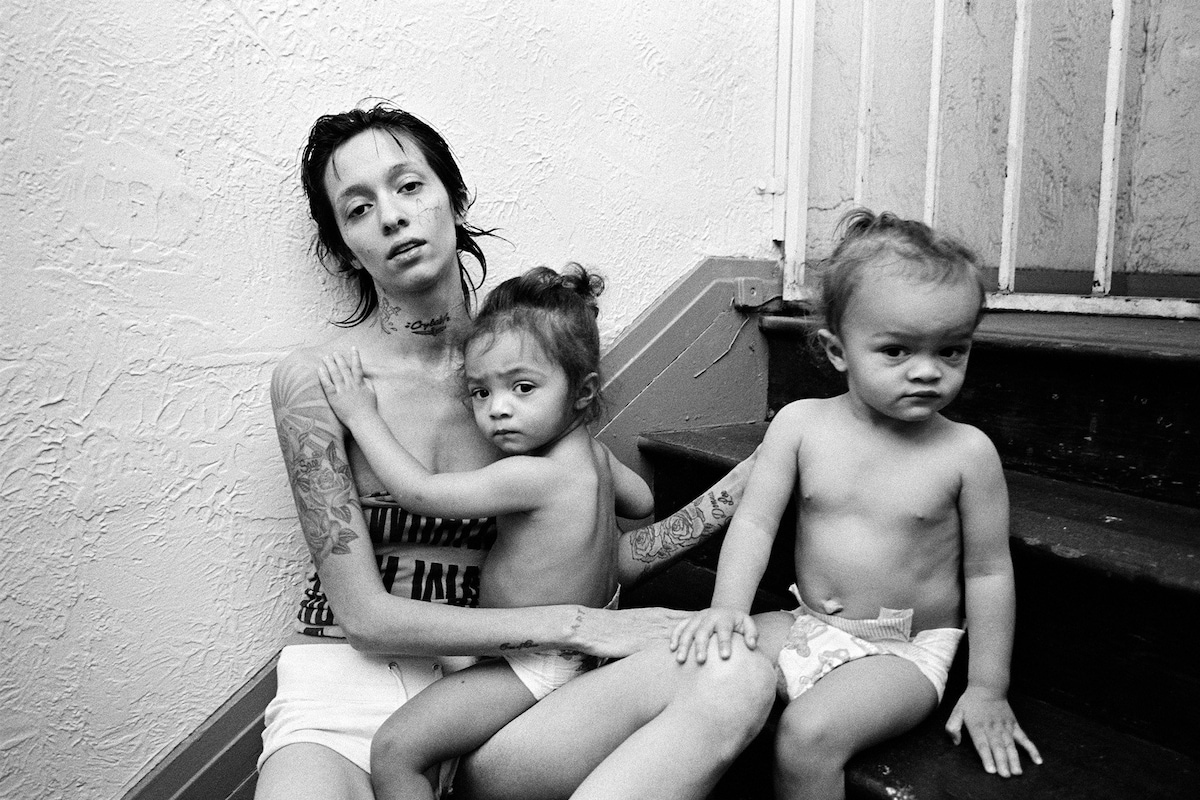
World Of Halos, Wings And Symbolic Props and Emotional Afterglow in Acrylic Portraits of Willow Benjamin
A wide-ranging collection of contemporary visual projects showcases photography, illustration, sculpture, street art, installations, and graphic design that blend creativity, humor, and social purpose.
fromKALTBLUT Magazine
3 weeks agoReflections of Desire: A Sensual Journey Through Heartbreak in The Mirror - KALTBLUT Magazine
The Mirror uses erotic cinema as a narrative tool to explore something rarely addressed in this genre: the emotional aftermath of a breakup, where desire, memory, and fantasy intertwine as Roberto tries to understand what has happened to his relationship.
Film


Toronto
fromwww.cbc.ca
1 month agoThese drawings of modern life are striking. But what's wrong with all the people? | CBC Arts
Simon Fuh's exhibition Cowboy Poet presents illustrated scenes of youthful misadventure rendered with blank-faced figures expressing apathy and detachment in response to chaos and absurdity.
fromThe New Yorker
3 weeks agoChristian Petzold Ferries Audiences Through Grief
Claude Chabrol, the celebrated co-founder of the French New Wave, stated, 'Because men are living, and women are surviving. Cinema is about surviving.' This profound insight influenced Petzold's approach to storytelling.
Berlin music
LGBT
fromwww.theguardian.com
1 month agoDonna Gottschalk and Helene Giannecchini / Deutsche Borse prize review images to enrage, bamboozle and deeply move you
Donna Gottschalk's photography documents LGBTQ+ life in 1960s-70s New York, capturing personal family moments alongside political activism during a period of illegality and violence.
Writing
fromwww.theguardian.com
1 month agoThe moment I knew: I was enchanted by her painting but we never spoke. I wouldn't see her again for 55 years
A man reconnects with a childhood classmate whose exceptional artistic talent impressed him decades earlier, leading to an unexpected reunion after 55 years of separation.
fromThe New Yorker
1 month agoA Nineteenth-Century Countess's Sultry Selfies
The nineteenth-century Italian aristocrat Virginia Oldoini, Countess de Castiglione, has been cast in many lights: narcissist, courtesan, spy, exhibitionist. In the photo studio of Mayer & Pierson, she played all these parts and one more-the role of self-portraitist. For decades, Oldoini helped conceptualize and starred in more than four hundred portraits so experimental and expressive that they have drawn comparisons to works by Claude Cahun and Cindy Sherman.
Paris food
fromKALTBLUT Magazine
1 month agoIn Conversation with Malte Bossen! A Movement Of Change. - KALTBLUT Magazine
Pornceptual challenges mainstream perceptions of pornography, reframing it as inclusive, artistic, intimate, and respectful rather than exploitative or taboo. Its events, from Berlin to international stages, bring a sex-positive, body-inclusive ethos to nightlife. Strict consent practices, no-photo policies, and spaces designed for authentic self-expression create a rare kind of freedom - one that allows visitors to explore identity, desire, and intimacy without judgment.
Berlin music
fromKALTBLUT Magazine
1 month agoRENAISSANCE! The body as site - KALTBLUT Magazine
The body becomes a site of transformation. Uniquely crafted pieces engage with the wearer, blurring the line between material, form, and presence. Each one-off creation and streetwear capsule emerges from a conscious, boundary-free creative process, drawing inspiration from visual arts, theatre, music, dance, and the surrounding world.
Fashion & style
Miscellaneous
fromArtforum
1 month agoAnna-Sophie Berger on religious garb and consumer aesthetics
An artist uses Benjamin and Simmel's microscopic gaze method to examine a sixteenth-century Saint Francis painting, creating a sculpture that explores the radical act of rejecting worldly possessions and class relations through cycles of disrobing and covering.
fromKALTBLUT Magazine
1 month agoEmbracing Grief: Meret Siebenhaar's Intimate Journey in "Goodbye Lullabies" - KALTBLUT Magazine
Inspired by her brother's tragic suicide, the album transforms pain into a powerful musical narrative, breaking the silence surrounding suicide and offering a refuge for remembrance and healing.
Music
Books
fromThe Art Newspaper - International art news and events
2 months ago'The good, the bad and the ugly': a short history of how artists depict the female body
Public visual culture simultaneously overexposes and marginalizes the female body: abundant naked female imagery on buildings contrasts with few monuments honoring named women.
Arts
fromArtnet News
1 month agoVan Gogh Museum Adds Rare Work by a Woman Artist to Its Collection | Artnet News
The Van Gogh Museum acquired Virginie Demont-Breton's L'homme est en mer for €500,000-€1 million, becoming only the third painting by a woman in the collection, inspired Van Gogh to create his own copy.
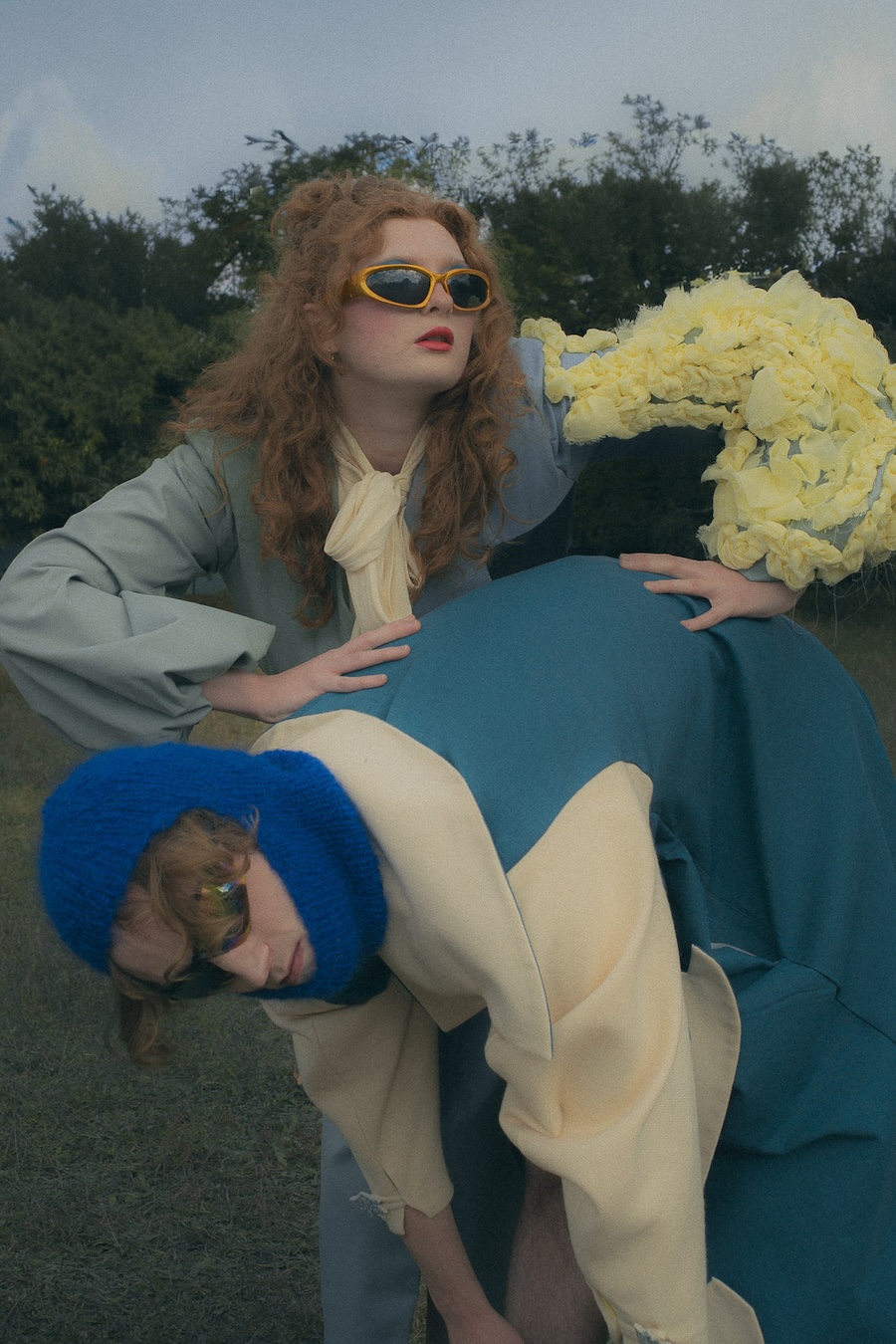
fromKALTBLUT Magazine
1 month agoBendetta's "Headshot" - A Bold Exploration of Anger and Self-Control - KALTBLUT Magazine
Bendetta's latest single, "Headshot," captures the moment when something shifts: when violent thoughts arise, yet the urge to maintain control prevails. This track navigates themes of anger, boundaries, and the conscious decision to no longer absorb harm without letting it transform you into the one inflicting it. Rather than offering comfort or resolution, "Headshot" demands clarity: it focuses on naming feelings, standing firm within them, and refusing to downplay their significance.
Music

Arts
fromThe Art Newspaper - International art news and events
1 month agoArtists agonise over when a work is finished-but should we viewers care?
Artists determine completion when they have successfully transformed visual memory and emotion into a physical object, at which point further work becomes unnecessary.
Photography
fromOregon ArtsWatch * Arts & Culture News
2 months agoAn absence of flattery: Diane Arbus at JSMA * Oregon ArtsWatch
Diane Arbus's portraiture exposed subjects' vulnerabilities and identity fault-lines, producing unflattering yet compelling images showcased in a Eugene exhibition of vintage prints.
Arts
fromArtnet News
1 month agoAn Octopus in the Front Row: Artist Cosima von Bonin Invades Loewe's Runway | Artnet News
Loewe's Paris Fashion Week show collaborated with artist Cosima von Bonin to create a whimsical collection featuring plush animals, inflatable parkas, and zoomorphic accessories that blended fashion with artistic creative play.
Photography
fromThe Art Newspaper - International art news and events
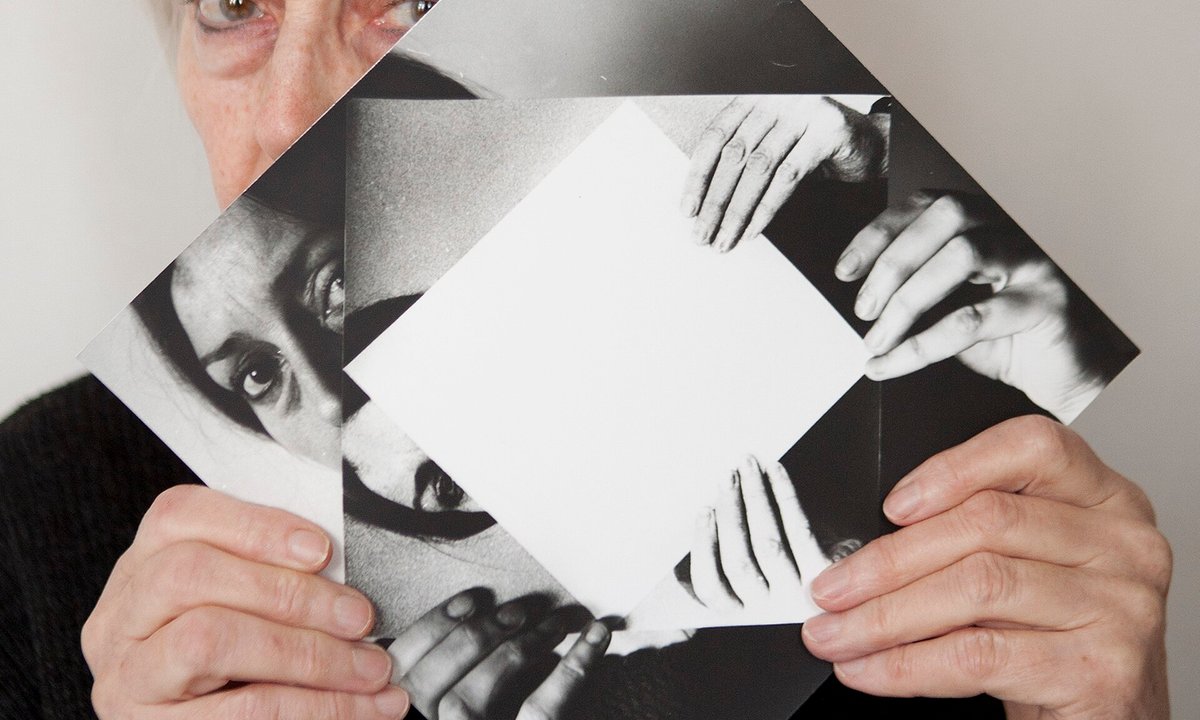
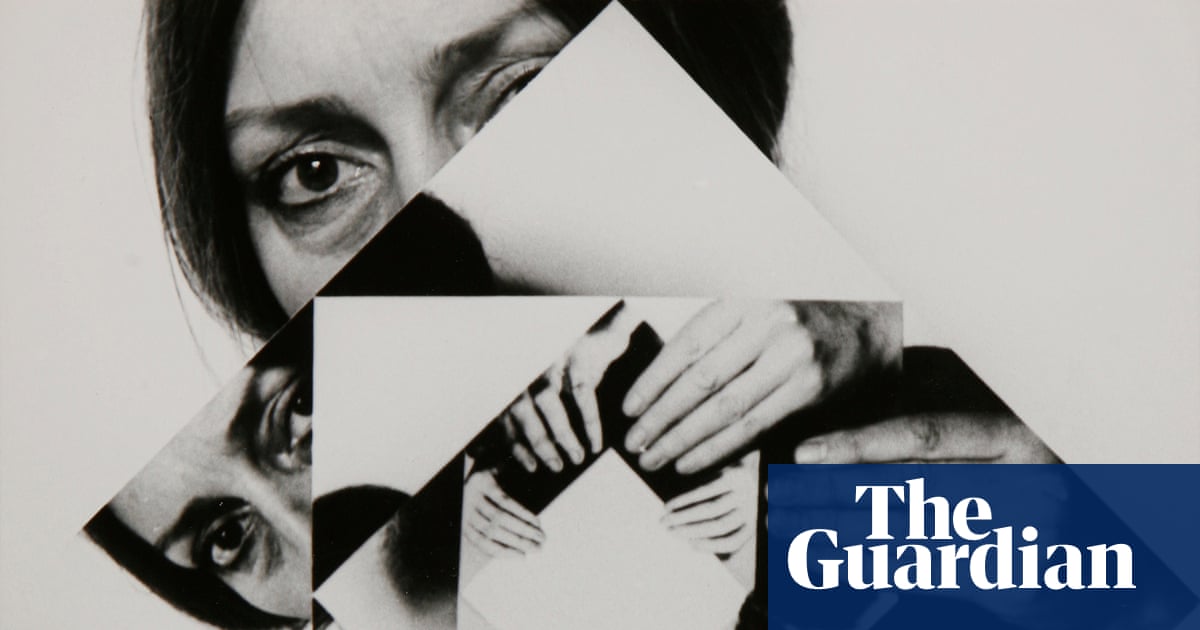
2 months agoLondon show of Lee Miller photographs is fundraising to save thousands of her negatives
The Lee Miller Archives is raising funds to conserve up to 60,000 fragile negatives and prints, preserving nearly century-old photographic material.
fromHyperallergic
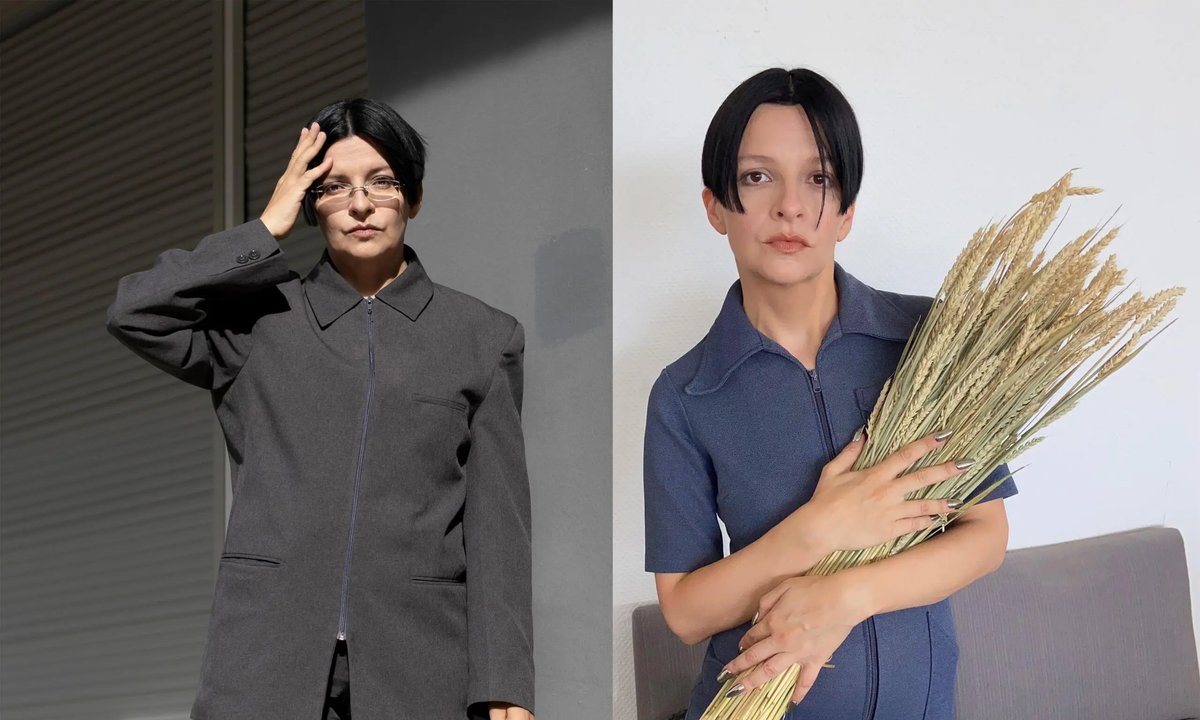
1 month agoMagdalena Abakanowicz Sculpted the Collective Body
The organicity of the human body we're born inside of is encoded in us. This concept of our organic nature as the source of elemental knowledge, at once direct and mysterious, permeates the textural abstractions exhibited in her survey Magdalena Abakanowicz: The Thread of Existence at Musée Bourdelle.
Arts

fromArtnet News
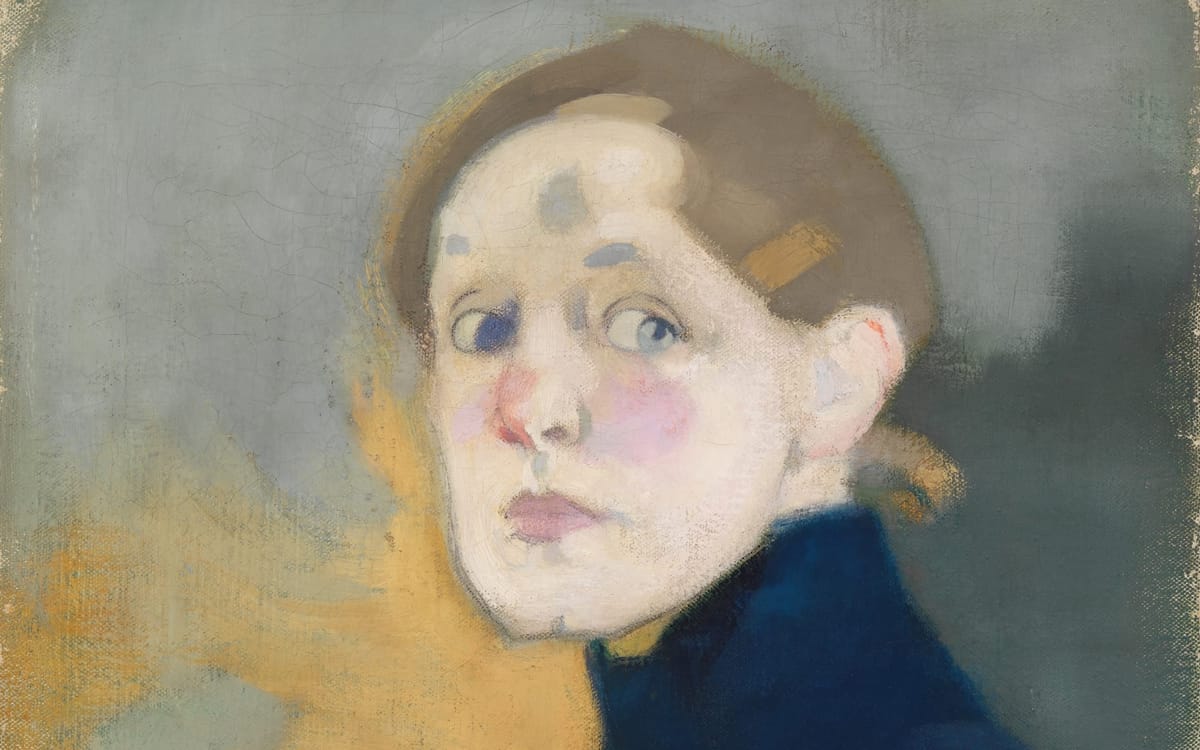
1 month ago'Abstract Expressionists: The Women' Rewrites a Male-Dominated Canon
In 2024, art collector Christian Levett opened Europe's first museum dedicated to women artists in a little town in the south of France. But for those of us who can't make the trip to the Femmes Artistes du Musée de Mougins (Female Artists of the Mougins Museum, or FAMM), the American Federation of the Arts (AFA) has arranged the next best thing: a blockbuster touring exhibition about women artists of the Abstract Expressionist movement, featuring some of the highlights of the FAMM collection.
Arts

fromwww.theguardian.com
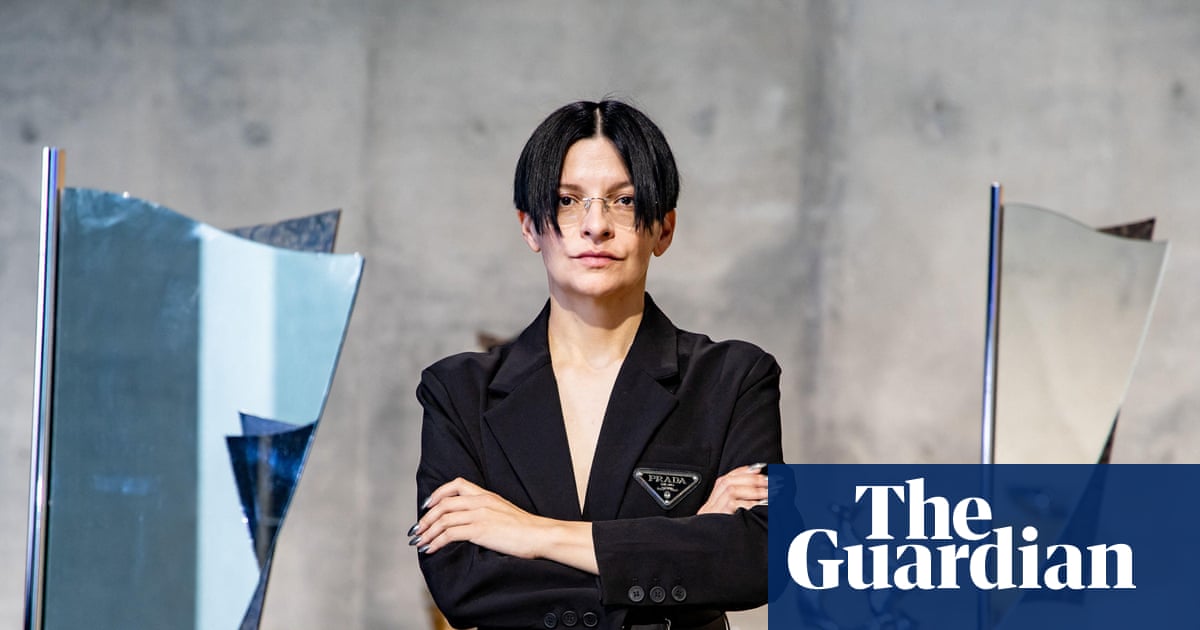
2 months agoDo you want to say I'm dated?' Artist Anne Imhof on her S&M Venice shocker and the show that earned a mauling
I don't know what you want to know, says Anne Imhof, three-quarters of the way into our interview. Her cautious smile, between curtains of jet black hair, changes into a sceptical pout. I have just quoted a headline at Imhof, one of Germany's most important contemporary artists, that described her 2025 New York show as a bad Balenciaga ad.
Arts
Arts
fromdesignyoutrust.com
2 months agoRobert Reimann Turns Synthography Into Surreal Fine Art Where Prompts Meet Hand And Lens
A wide-ranging showcase of contemporary visual art and photography spanning surrealism, digital and AI art, conceptual sculptures, documentary photography, and inventive fashion and design.
fromwww.theguardian.com
2 months agoNot for ogling': forget Titian, Botticelli and the male fantasists only women can paint great female nudes
If you want to paint, put your clothes back on! That was how Carolee Schneemann summarised the critical response to her 1975 performance piece Interior Scroll, which she had performed nude standing on a gallery table. After making a series of life model poses, she removed a scroll from her vagina and began to read her manifesto. In doing so, Schneemann asked an important question: What does it mean for a female artist to be both the artist and the life model?
Arts
Arts
fromThe Art Newspaper - International art news and events
2 months agoAn Artemisia Gentileschi self-portrait and Judy Chicago's Scottish queen: our pick of the February auctions
Artemisia Gentileschi's early self-portrait and Rembrandt's Young Lion Resting headline upcoming New York Old Masters sales with high estimates.
fromBerlin Art Link
1 month agoAn Interview with Monia Ben Hamouda | Berlin Art Link
Monia Ben Hamouda's work weaves calligraphy, material transformation and ancestral memory into sculptures and installations that oscillate between language and form. In conversation, we traced the conceptual and sensory threads of her practice, unfolding through key works that reflect on heritage, embodiment and translation. Using materials such as iron, stone and pigment, her installations become sites where history is not only referenced but physically felt.
Arts
Arts
fromThe Art Newspaper - International art news and events
2 months agoThe road to 'Fridamania': how Frida Kahlo became a global phenomenon
Frida Kahlo's posthumous rise transformed her from a little-known artist into a global cultural icon and commercial brand influencing multiple artistic movements.
Arts
fromSilicon Canals
2 months ago8 signs you appreciate art, music, and culture on a deeper level than most people - Silicon Canals
Some people experience art deeply, reacting emotionally and perceiving subtle artistic cues that reveal heightened sensitivity and meaningful connections to creative expression.
[ Load more ]