#museum-closures
#museum-closures
[ follow ]
Philosophy
fromThe Village Voice
8 hours agoHistoric Preservation as Cultural Self-Reflection: Reclaiming Stories, Identity, and Meaning in a Changing Urban Landscape - The Village Voice
Historic preservation is a cultural practice that shapes community identity and values, rather than merely a technical effort to protect old buildings.

UK politics
fromThe Art Newspaper - International art news and events
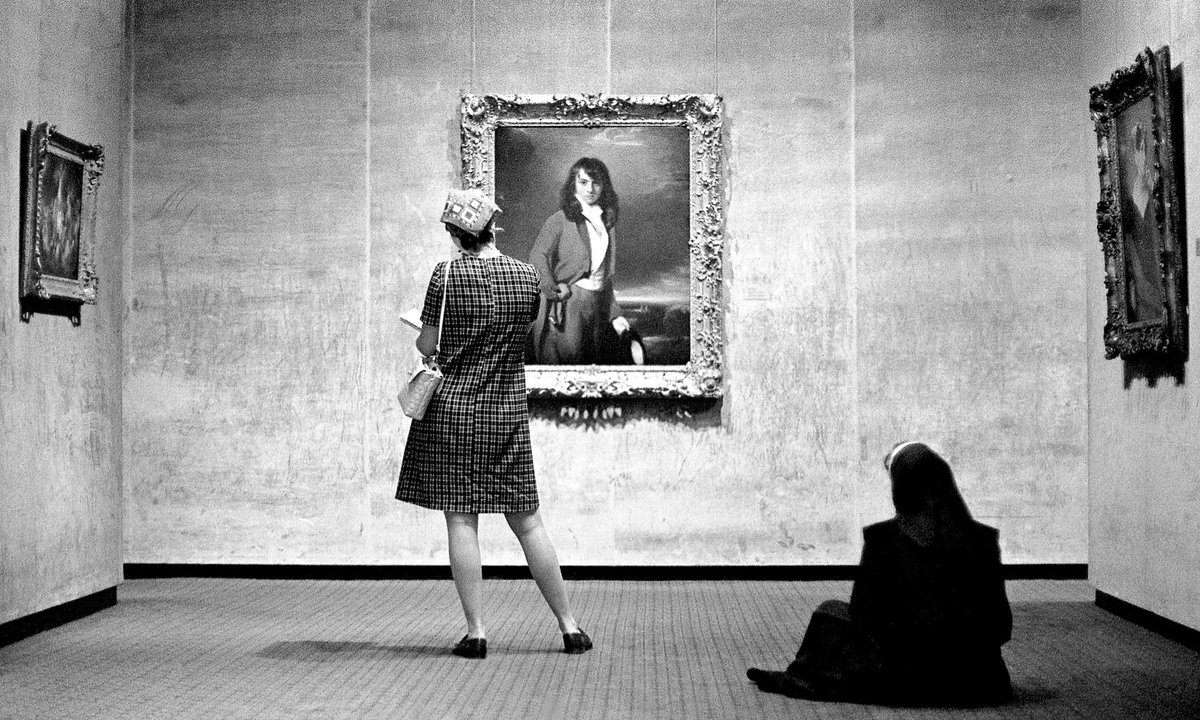
3 days agoEnglish museums should only charge tourists if digital ID checks in place, UK politician says
Digital ID checks are necessary before considering entrance fees for national museums in England, according to a politician's proposal.
#lacma
London
fromwww.theguardian.com
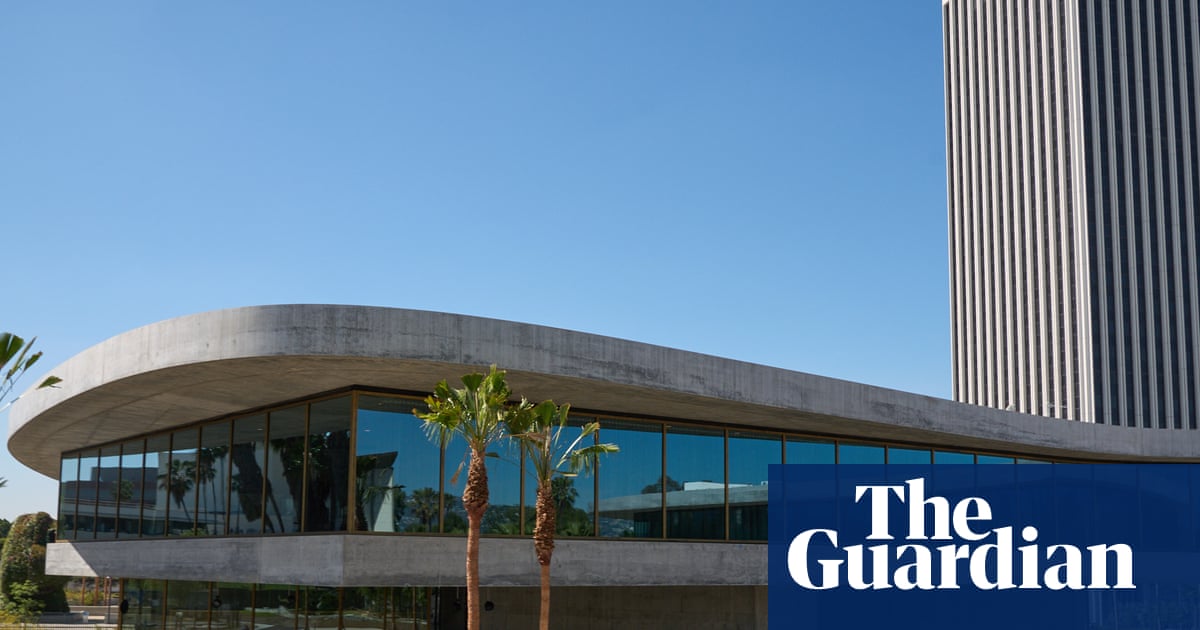
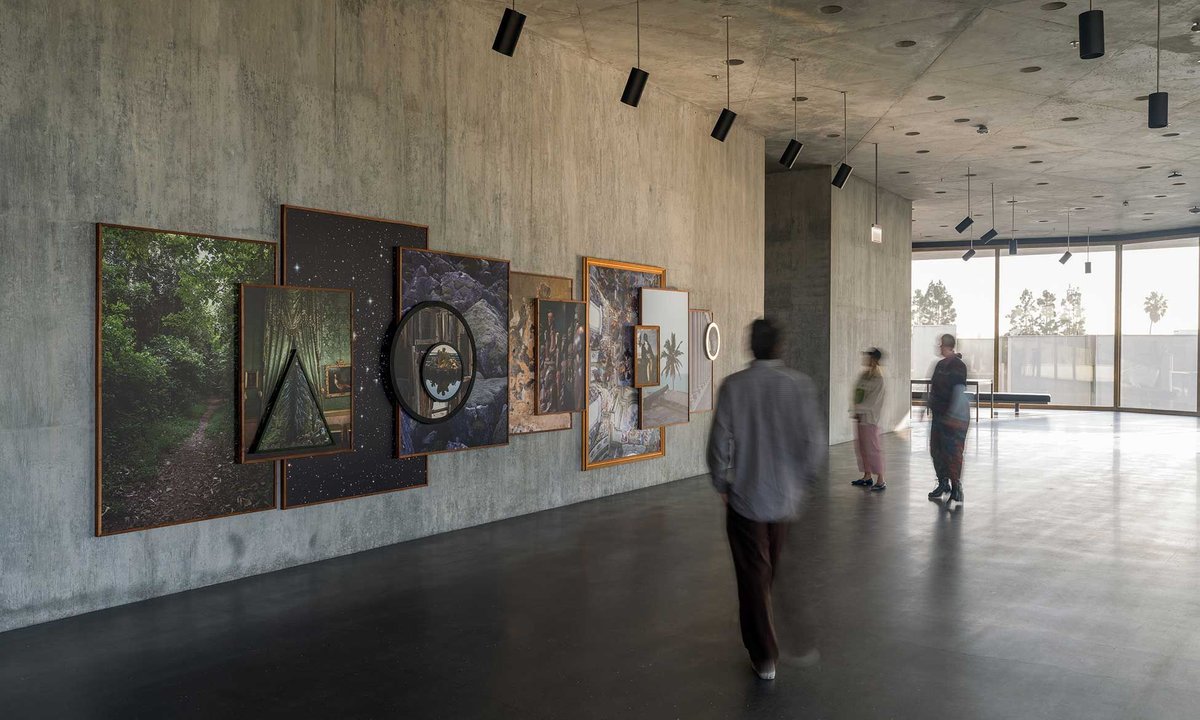
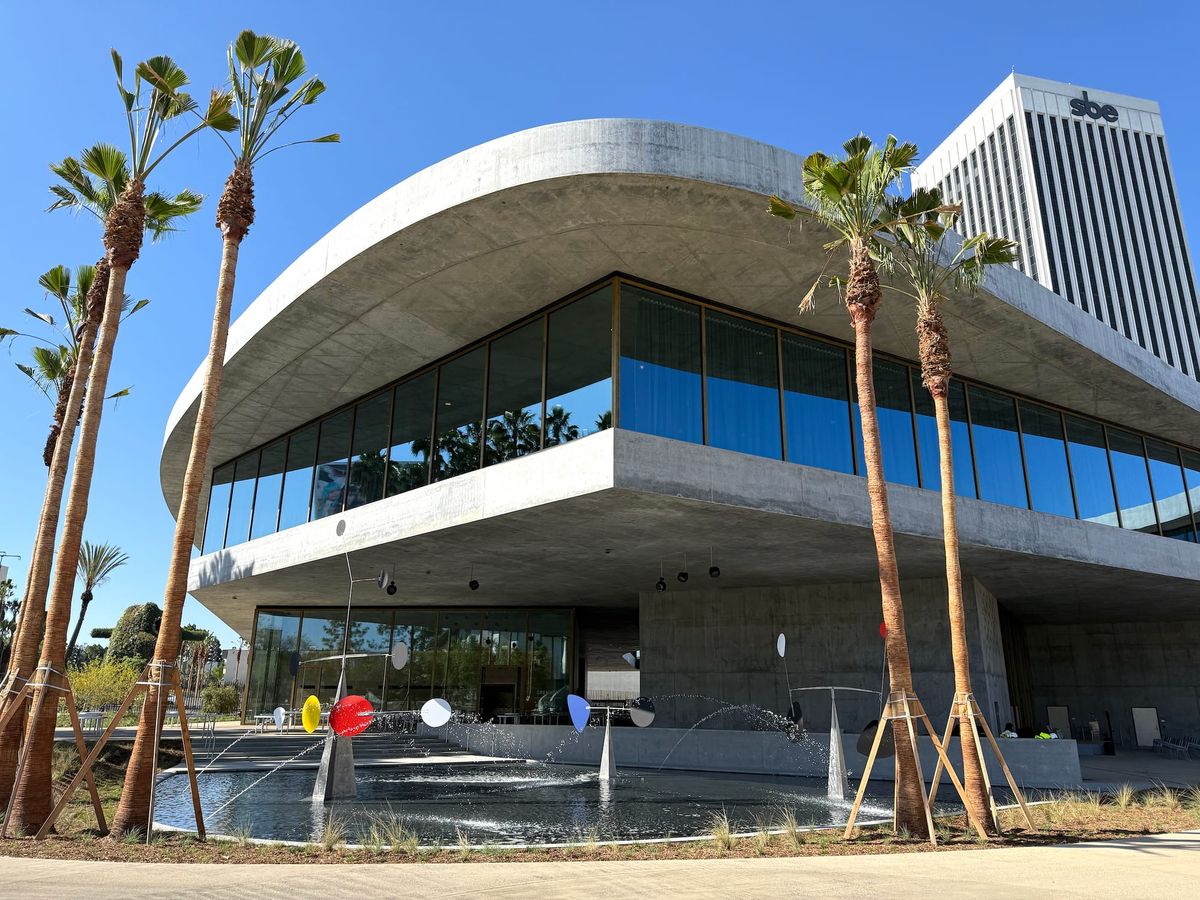
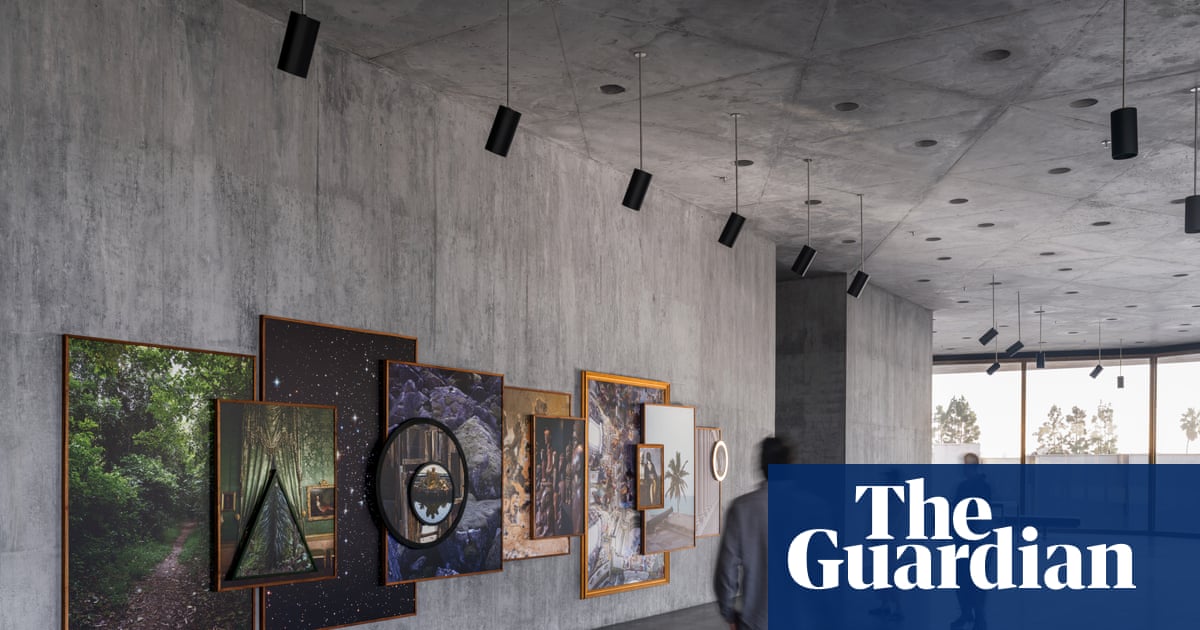
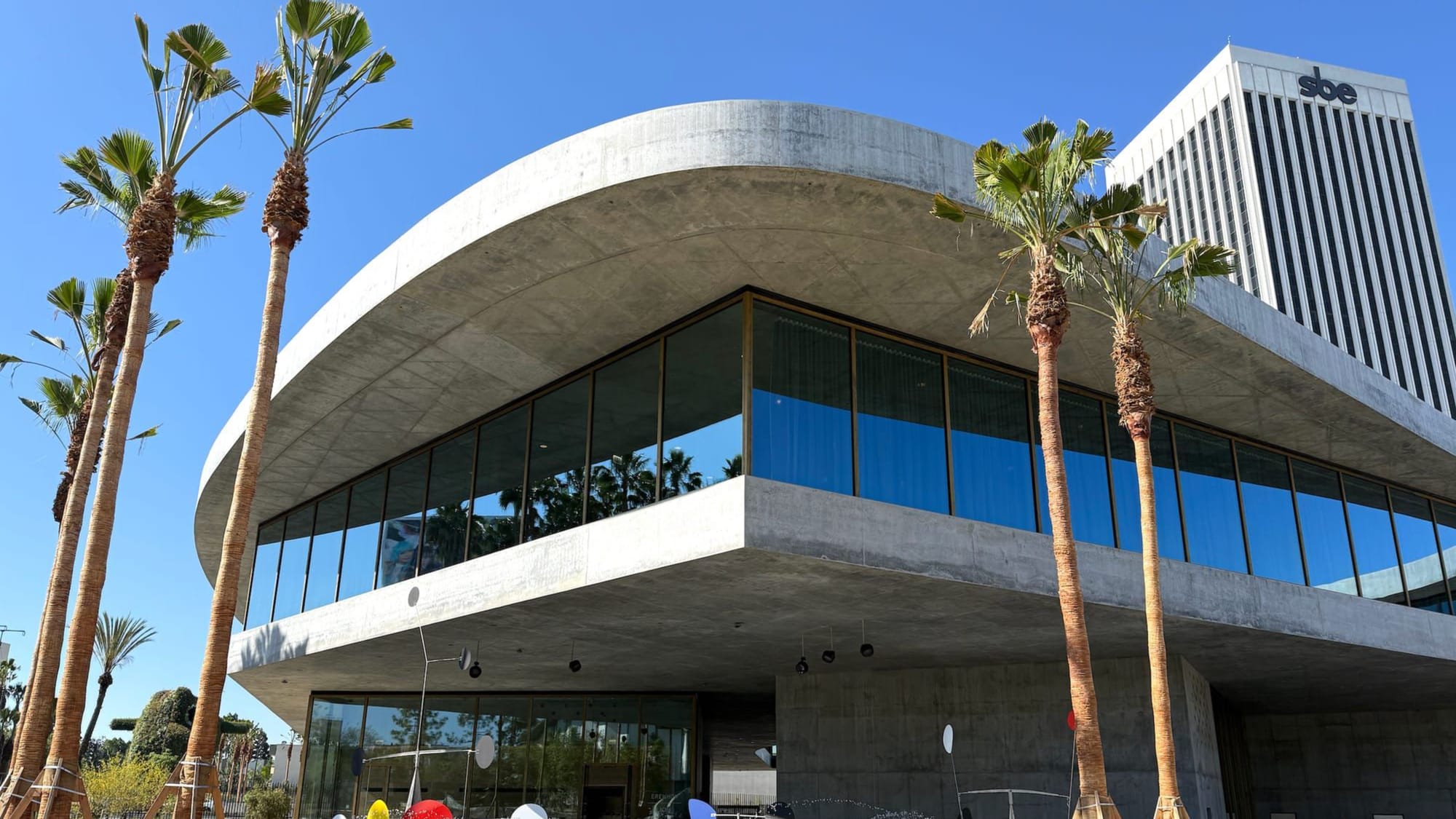
4 days agoLike a concrete aircraft carrier: was LA's giant new $724m gallery really worth all the carbon emissions?
The new David Geffen Galleries at Lacma is a $724 million architectural marvel designed by Peter Zumthor, symbolizing a transformative vision for the museum.


Arts
fromThe Art Newspaper - International art news and events
22 hours agoRecently restored castle in Norwich among five institutions shortlisted for UK's top museum prize
Norwich Castle competes with the National Gallery for the 2026 Art Fund Museum of the Year award, alongside other notable museums.
Arts
fromThe Art Newspaper - International art news and events
23 hours agoBritish Art Show-exhibiting UK's 'most exciting' art in past five years-announces line up for tenth edition
The British Art Show 10 will showcase contemporary art in five UK cities, focusing on empathy and shared imagination during turbulent political times.

fromArchitectural Digest
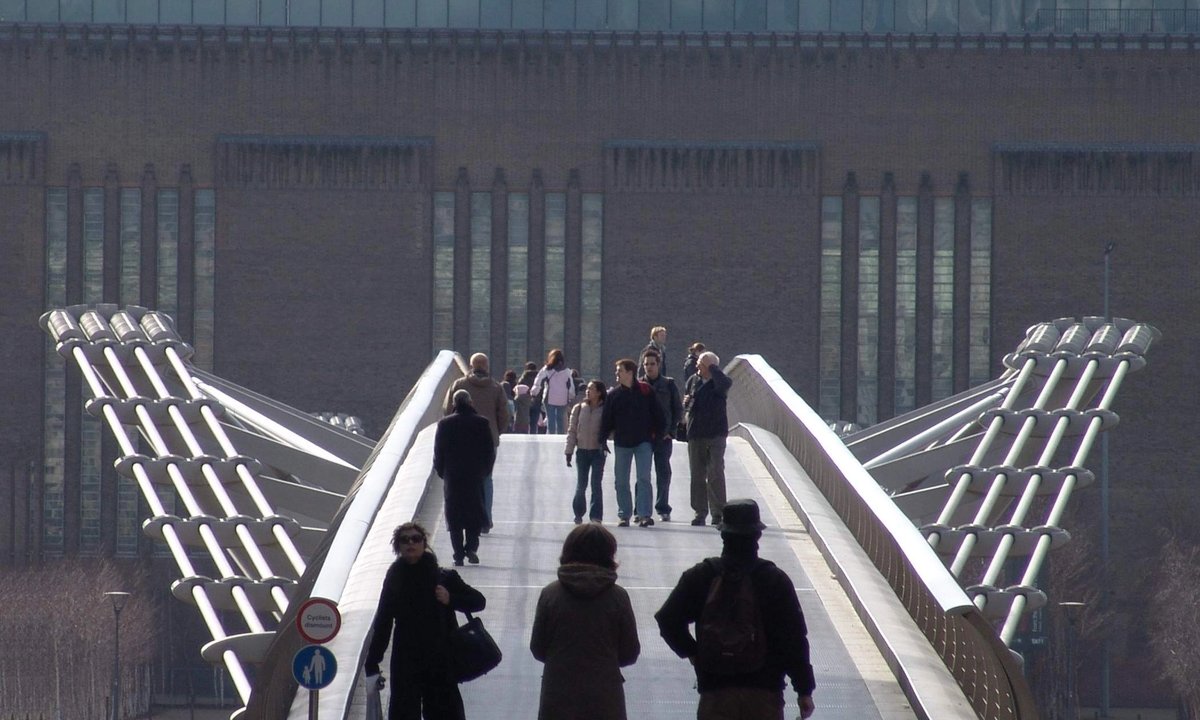
4 days agoThe Metropolitan Museum of Art: Everything You Need to Know About the Met Gala Venue
The Metropolitan Museum of Art was founded in 1870 with the mission of bringing art, culture, and education to the American public. In the over 150 years since, the Met has steadily grown into one of the world's most influential museums.
Arts
#museum-expansion
Brooklyn
fromThe Art Newspaper - International art news and events
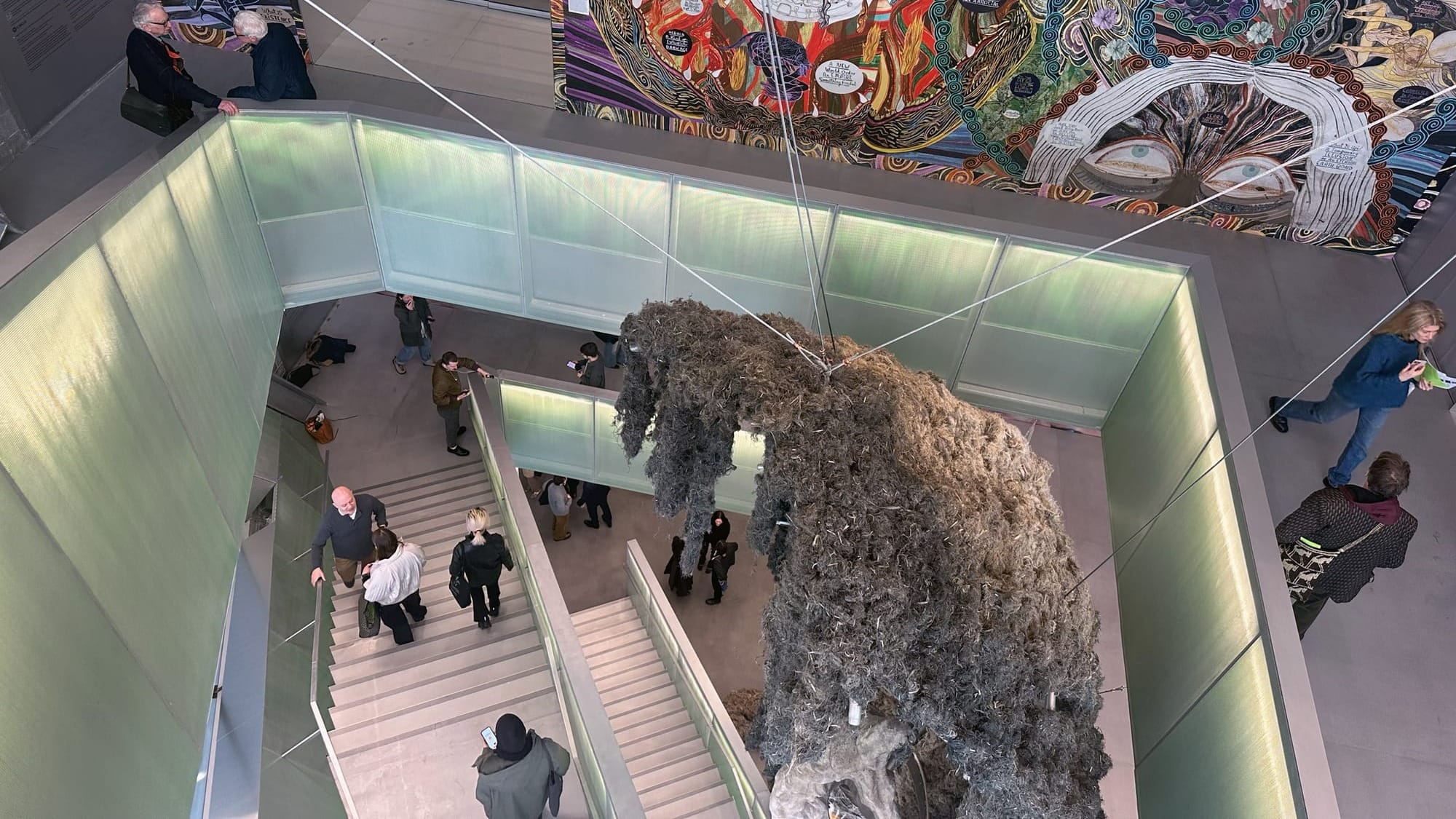
1 month agoThe new New Museum: now with twice the space
New York's New Museum opens an $82 million expansion on March 21, doubling its footprint to 120,000 sq. ft with new galleries, artist studios, and public spaces designed by OMA and Cooper Robertson.

Brooklyn
fromThe Art Newspaper - International art news and events
1 month agoThe new New Museum: now with twice the space
New York's New Museum opens an $82 million expansion on March 21, doubling its footprint to 120,000 sq. ft with new galleries, artist studios, and public spaces designed by OMA and Cooper Robertson.
fromHyperallergic
4 days agoMoMA PS1's "Greater New York" Is Gritty, Stunning, and Gutting
The curators of Greater New York really captured the energy of the city well - not the out-of-towner's New York with its glossy surfaces, brands, and trendy fare, but the gritty New York that's always in the process of formation, that rejects surface in favor of rawness.
Arts
.png?trim=0,0,0,0&width=1200&height=800&crop=1200:800)
fromArtnet News
6 days agoPainting Has Entered Its Performance Era | Artnet News
Much of Instagram's video content is organized around transformation-the virtual magic of the before-and-after and clips that show cause and effect. A person makes pasta from scratch in 20 seconds via edits that compress time-intensive labor.
Arts
Design
fromThe Art Newspaper - International art news and events
2 months agoHow an artist's sketch was turned into a museum
A museum design translates a blue-house and white-tower sketch into a tiled architectural language reflecting regional materials, cultural markers, and historic South–West Asian trade links.
fromThe Art Newspaper - International art news and events
3 weeks agoComment | Museums must be the leaders in a moral revolution
Bregman claims, 'Today the whole of Europe risks turning into one big Venice, a beautiful open-air museum. A great destination for Chinese and American tourists. A place to admire what was once the centre of the world.' This statement encapsulates the concern that Europe is losing its cultural significance.
Arts
fromHyperallergic
1 month agoWhat Do We Really Think of the New New Museum?
The new New Museum is many things: contemporary, perhaps, but also a science, history, anthropology, and many other museums in one. It echoes the desire of its patron class to own the world and its affiliated courtier class to deliver it to them on a silver platter, or encased in perforated metal, in this case.
Arts
Arts
fromHyperallergic
1 month agoMeet the Woman Who Made Museums More Accessible
Lorena Bradford, the National Gallery of Art's first head of Accessible Programs, transformed museum accessibility by creating intentional programs for disabled visitors, including ASL tours, memory loss programs, and medical student training initiatives.
fromHyperallergic
1 month agoExplore The Met's Collection in 3D From Your Couch
Some of the 3D scans were done in collaboration with Japan's national broadcaster NHK. A voluptuous Neolithic marble, a model Nayarit home from ancient Mesoamerica, Claude Monet's 1891 painting "Haystacks (Effect of Snow and Sun)" - these are among the items in the Metropolitan Museum of Art's collection that are now available to the public as high-quality 3D scans.
Arts
Arts
fromTime Out London
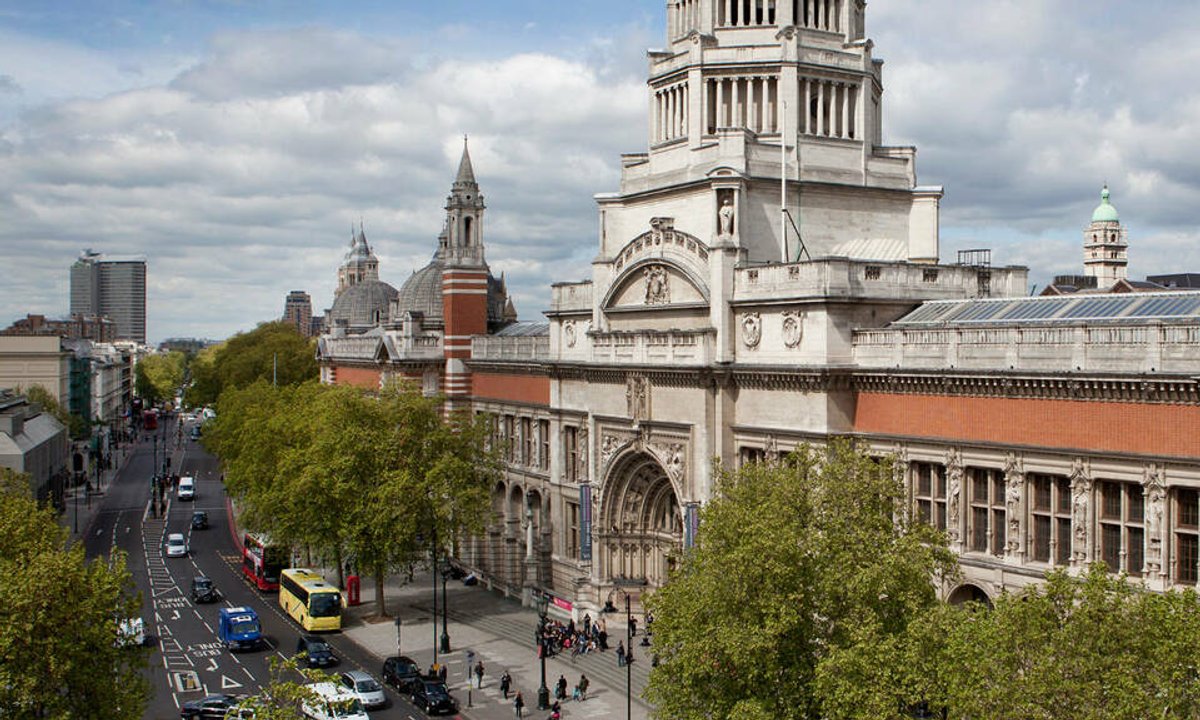
2 months agoThis underrated, tiny west London museum is celebrating its 100th birthday with a blockbuster year of exhibitions in 2026
Leighton House celebrates its 100th year with exhibitions and workshops showcasing its history, international influences, Arab Hall origins, and restored collections.
[ Load more ]