#music-history
#music-history
[ follow ]
#iron-maiden
London music
fromwww.theguardian.com
2 weeks agoI nearly quit to become a fencing teacher': Iron Maiden on 50 years of heavy metal, hard living and hopeless communication skills
Iron Maiden has thrived for over 50 years, evolving through challenges and celebrating their legacy with tours and a documentary.
fromwww.theguardian.com
1 week agoLetters and photos from Beatles' early days to go on show in Hamburg
In a letter from Pete Best to his mother, he recalls how he, Lennon and McCartney felt like stars boarding their plane, having been interviewed by a member of the press about them being voted Liverpool's number one band.
Berlin music
Music
fromMetro Silicon Valley | Silicon Valley's Leading Weekly
2 weeks agoGeorge Benson Live at Mountain Winery 2026 | Metro Silicon Valley | Silicon Valley's Leading Weekly
George Benson achieved crossover success in music by blending jazz guitar with vocals, leading to numerous hit albums and singles.
fromwww.businessinsider.com
2 weeks agoThe best-selling album the year you were born, according to Billboard
Billboard has been tracking the best-selling album of the year since 1956, but its methodology has changed several times. Before 1991, the outlet relied on retailer report, but that year it began using Nielsen SoundScan data, which was more accurate, according to Billboard.
Music



fromMetro Silicon Valley | Silicon Valley's Leading Weekly
3 weeks agoA Flock of Seagulls in Menlo Park | Metro Silicon Valley | Silicon Valley's Leading Weekly
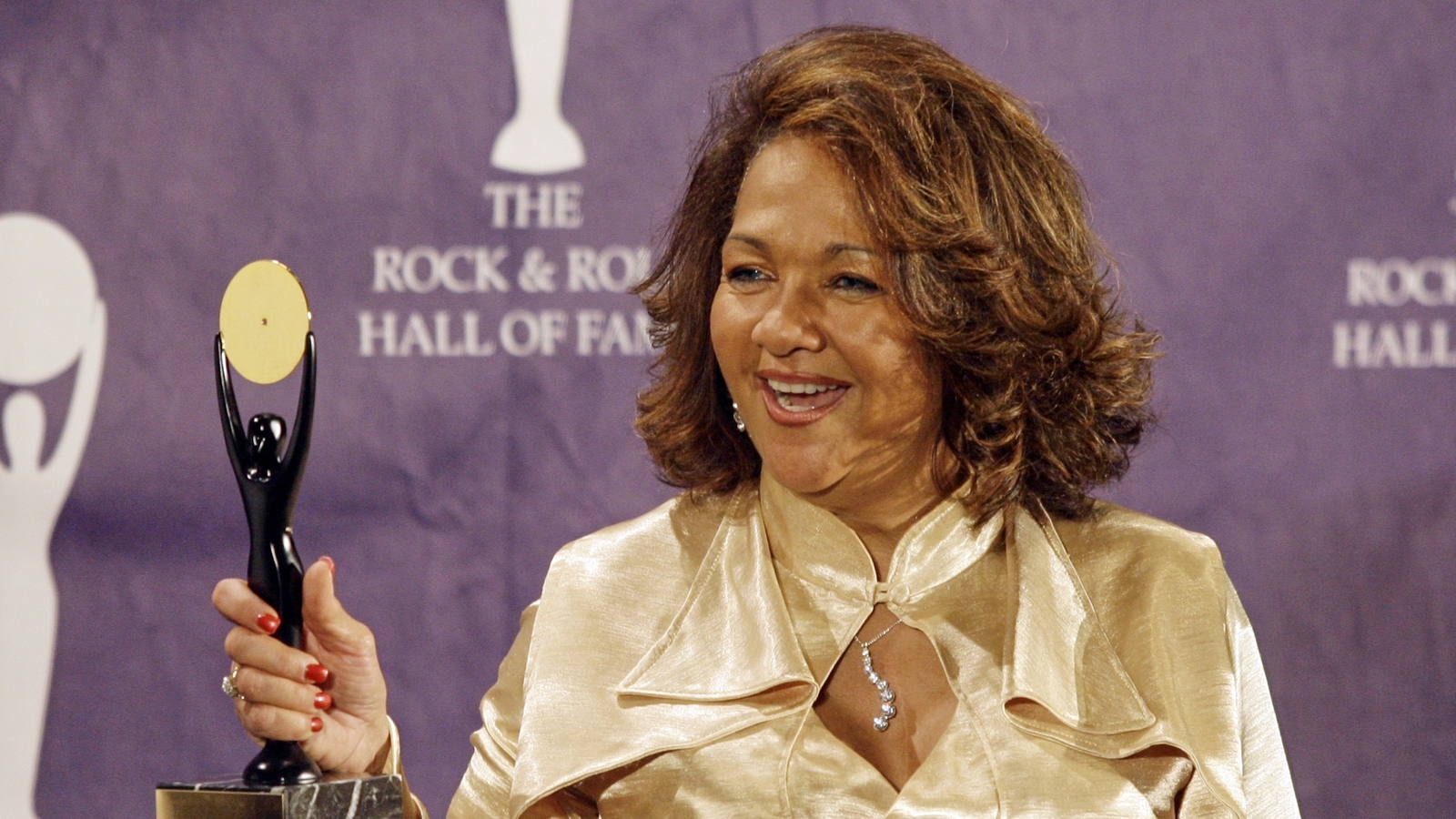
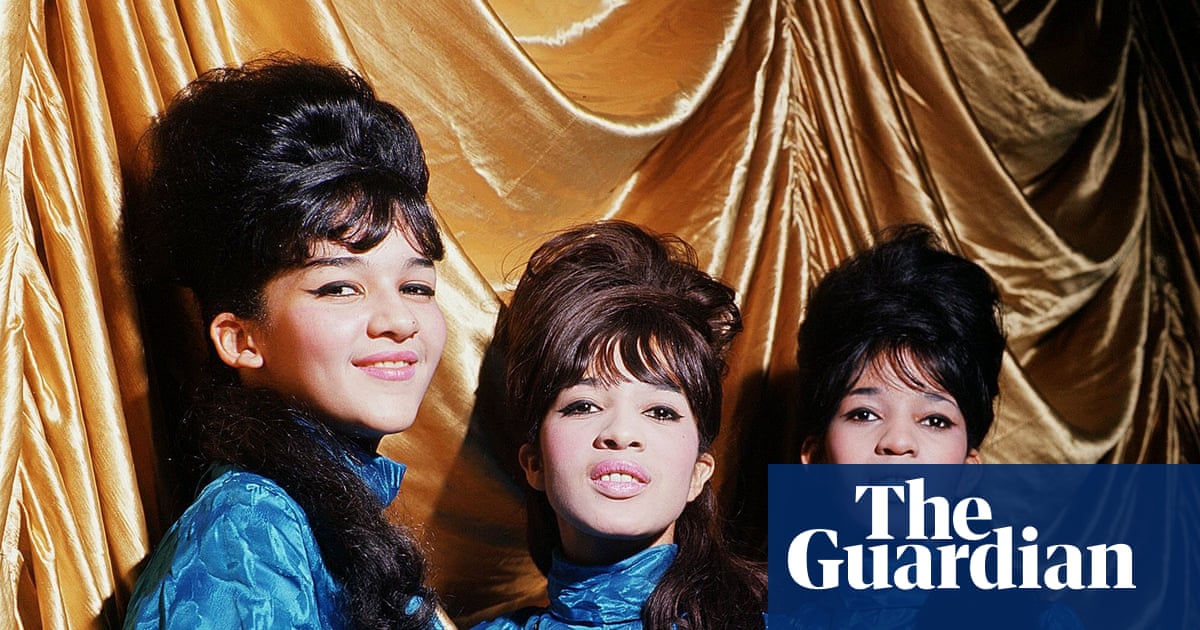
Mike Score's distinctive hairstyle, reminiscent of a cockatoo, became an enduring visual image for A Flock of Seagulls, who fronted the New Wave movement.
London music
#punk-rock
Music
fromenglish.elpais.com
1 month agoThe uncomfortable truth that will always haunt the Ramones: They sold more T-shirts than records'
The Ramones' 1976 self-titled debut album, recorded cheaply in seven days, became one of the most influential albums in music history despite commercial failure and established punk rock as a revolutionary genre.
fromConsequence
3 weeks agoBruce Springsteen Joins John Densmore for Performance of The Doors' "Light My Fire"
Densmore noted his connection to Springsteen and his wife Patti Scialfa dates back nearly six decades. "The Doors played in Asbury Park and guess who was in the audience - the Boss!"
NYC music

fromConsequence
3 weeks agoPrince Wouldn't Let Bruce Springsteen and Madonna Use His Dressing Room Bathroom
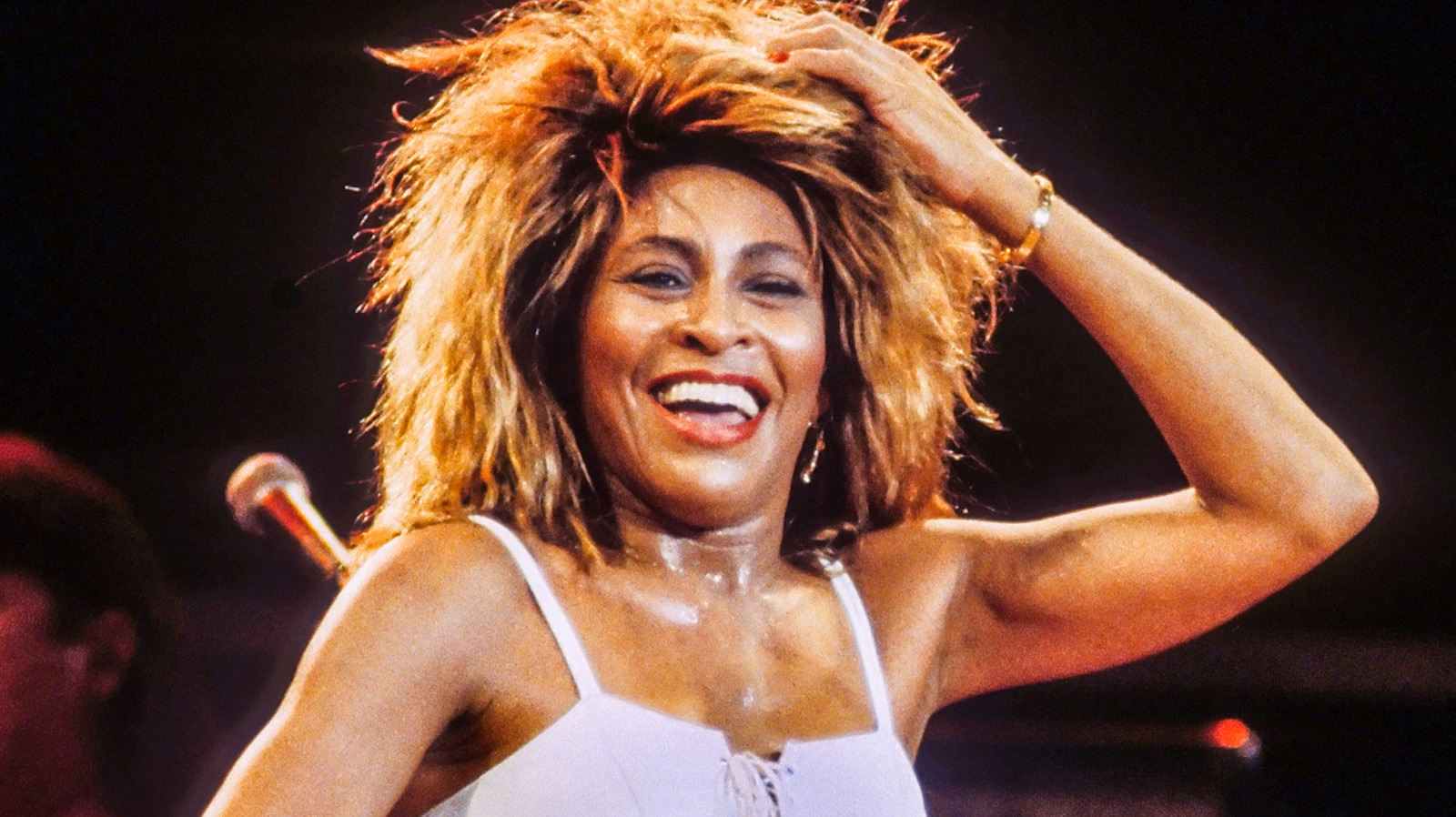
He found meeting other celebrities very uncomfortable unless he was a fan. He could get bashful or embarrassed, or there could be huge stars and he just wouldn't give them the time of day.
NYC music
fromBoston.com
3 weeks agoThis Newburyport record store just turned 50. Here's their secret.
"I've been afforded an opportunity to sort of caretake this place into the future. I have customers who've been coming in since the '70s, who have literally explored a lifetime of music - their lifetime of music - right through that store."
Music production
fromwww.nytimes.com
3 weeks agoA Timeline of Classical Music's Evolution
The medieval era was very much about church music, partially because that's where a lot of the creativity was happening, and partially because the church was the primary institution, along with universities, dedicated to writing things down.
Berlin music
fromOpen Culture
3 weeks agoA Newly Discovered Recording Lets You Hear Delta Blues Legend Robert Johnson in Stunning Clarity
Dylan describes his first encounter with Johnson's music, stating, "From the first note the vibrations from the loudspeaker made my hair stand up. The stabbing sounds from the guitar could almost break a window. When Johnson started singing, he seemed like a guy who could have sprung from the head of Zeus in full armor."
Music

fromwww.theguardian.com
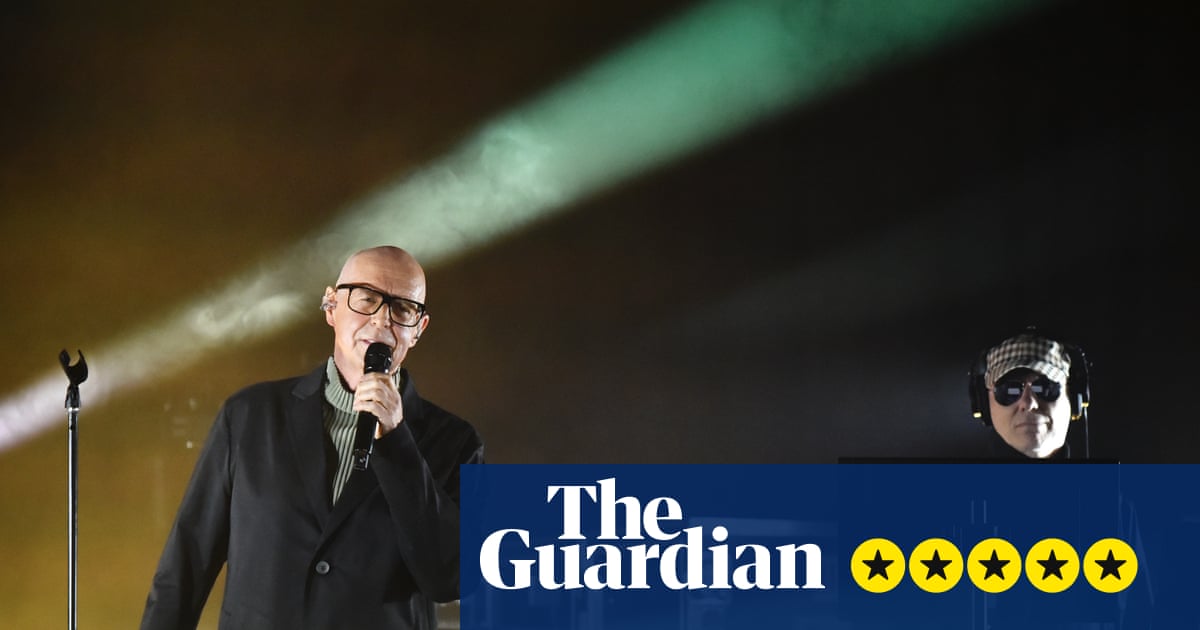
1 month agoBollywood classics, rave bangers and Michael Stipe duets: 10 of Asha Bhosle's greatest recordings
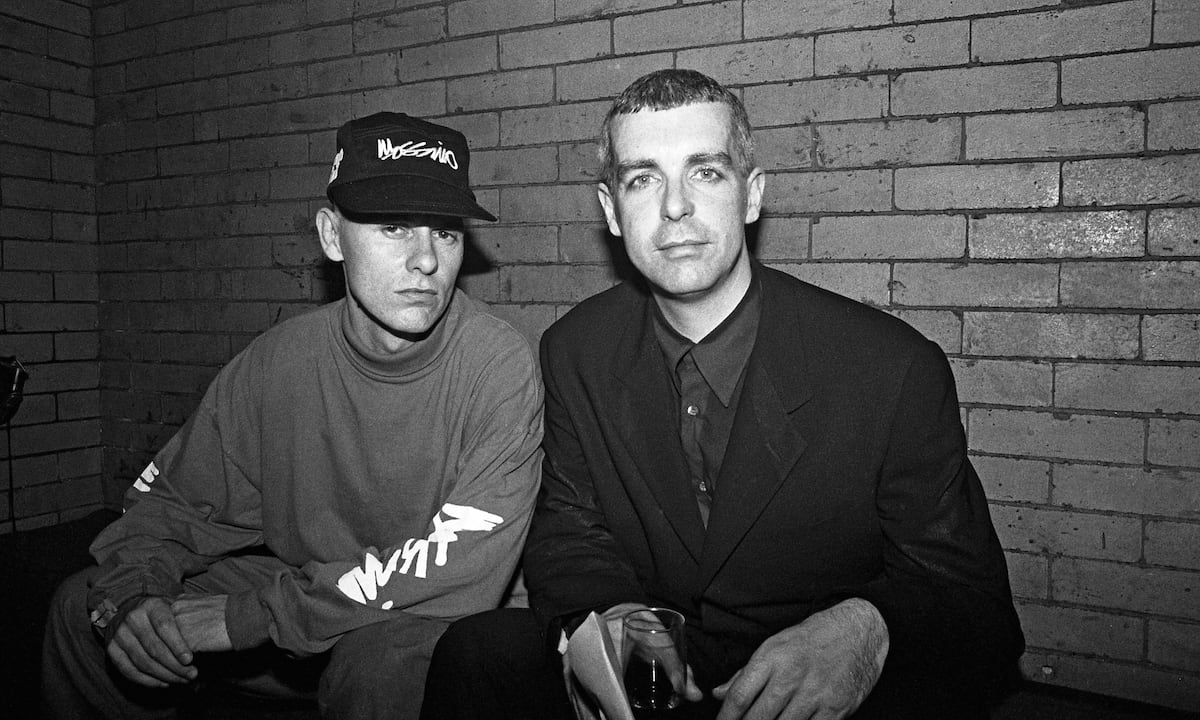
Asha Bhosle entered the industry at just 10 years old with her debut performance in the Marathi film Maze Baal, showcasing her early talent and emotional depth.
Music production
fromTasting Table
1 month agoThe One And Only Commercial Elvis Ever Filmed Endorsed These Donuts In 1954 - Tasting Table
Elvis Presley, the 'King of Rock 'n' Roll,' only ever headlined one commercial in his career, which was for Southern Maid Donuts in 1954. He did it for a box of donuts, not for money.
Silicon Valley food
fromPitchfork
1 month agoWatch Karol G Headline the Last Night of Coachella 2026
Karol G's performance at Coachella not only highlights her individual achievements but also represents a significant milestone for Latina artists in the music industry, showcasing their growing influence and recognition.
Music
fromwww.theguardian.com
1 month agoThe biggest, baddest, saltiest chick you would ever see': why no one sang the blues like Big Mama Thornton
Big Mama Thornton exuded uncompromising intensity. Her voice conveyed struggle and defiance, fury and hurt, like few others. She was a Black, gay multi-instrumentalist who refused to let a racist society or a rapacious industry confine her.
Music
fromFortune
1 month agoOne fan secretly recorded 10,000 concerts over 40 years. Now volunteers are racing to save the tapes before they disintegrate | Fortune
The growing Aadam Jacobs Collection is an internet treasure trove for music lovers, especially for fans of indie and punk rock during the 1980s through the early 2000s.
NYC music
#yt

London music
fromMetro Silicon Valley | Silicon Valley's Leading Weekly
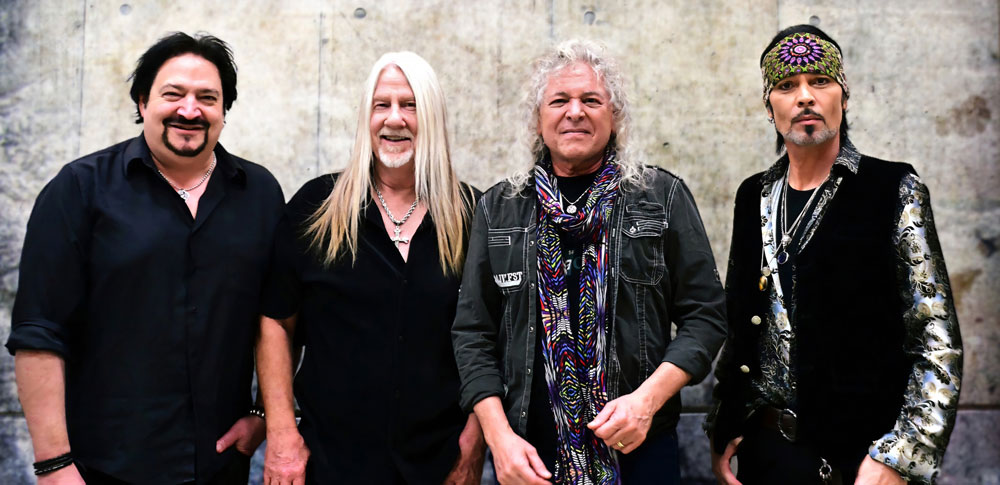
1 month agoY&T to Receive Icon Award at Poppy Jasper Film Festival | Metro Silicon Valley | Silicon Valley's Leading Weekly
Y&T will receive the Icon Award at the Poppy Jasper International Film Festival, recognizing their 50 years in the rock scene.
fromwww.theguardian.com
1 month agoSome might pay: Noel Gallagher guitar used to write Oasis's second album to be auctioned
(What's the Story) Morning Glory? went on to become the bestselling British album of the 90s, selling a phenomenal 350,000 copies in its first week of release in October 1995 and would go on to sell 22m, making it one of the top 50 of all time.
London music


SF music
fromMetro Silicon Valley | Silicon Valley's Leading Weekly
1 month agoMuscle Shoals Project in San Jose | Metro Silicon Valley | Silicon Valley's Leading Weekly
Primary Colors honors Muscle Shoals, Alabama's legendary recording studios that produced iconic music by Dylan, Aretha Franklin, Otis Redding, and numerous other celebrated artists.
fromBrooklynVegan
1 month agoButthole Surfers unearth "lost" album 'After the Astronaut': hear "Jet Fighter"
We were pretty stoked to make another album after the success of our previous album and its single 'Pepper'. Capitol Records was stoked to get that next record until our relationship soured. Hollywood Records bought the album but wanted to make changes to it which was an uncomfortable experience for us. Now we have the right to release the original recording the way we intended it to be with its original title, After The Astronaut.
Music
fromConsequence
2 months agoJohn Lennon and Yoko Ono's "Power to the People" Concerts Coming to Theaters
The pair of shows at Madison Square Garden in 1972 - to a combined audience of 40,000 people, raising more than $1.5 million for disabled children - have become the stuff of legend that people still talk about more than 54 years later - so if you ever wanted to experience the shows, now's your chance.
NYC music
Music
fromTasting Table
2 months agoDavid Bowie's 2-Food Diet In The 1970s Matched 'The Thin White Duke' - Tasting Table
David Bowie sustained himself on cocaine, coffee, cigarettes, red and green peppers, and whole milk for approximately one year while creating Station to Station, resulting in severe weight loss and health deterioration.
fromLos Angeles Times
9 years agoFrank Zappa's longtime home with private studio fetches $5.25 million
The estate, tucked away on half an acre in Laurel Canyon, was originally purchased by Zappa in the late 1960s for $74,000. It had been owned by the musician's family since his passing in 1993. The whimsical 1930s Tudor, with its herringbone brickwork and half timbering, includes the recording studio and rehearsal space that Zappa had built as well as "the vault" - a climate-controlled, multiroom space where he kept a secret collection of music and film recordings.
LA real estate
[ Load more ]