#nickolas-zukowsky
#nickolas-zukowsky
[ follow ]
#contemporary-art #sculpture #art #photography #installation #art-exhibition #public-art #surrealism #new-york-city
fromdesignboom | architecture & design magazine
20 hours agopilar zeta's sculpted portals transform public spaces into pocket dreamworlds
Pilar Zeta builds environments like dreams that feel like stepping into a thought mid-formation. Her sculptural works take shape in the form of portals and objects that invite direct engagement, as visitors are invited to walk through them and notice subtle shifts in perception.
Design


Graphic design
fromdesignboom | architecture & design magazine
4 days agozim & zou recreates vintage boombox and cassette tapes with handmade paper sculptures
Zim & Zou creates vibrant handmade paper sculptures of vintage boomboxes and cassette tapes, showcasing intricate details and a modern artistic approach.
fromHi-Fructose Magazine - The New Contemporary Art Magazine
1 week agoKyle Cobban Draws From The Unknown - Hi-Fructose Magazine
"It's an amalgamation of the Chicago neighborhood aesthetic with a Bulls fan, quite literally. It's kind of on the nose, but that's how I juxtapose the elements of my work, with the structure of a home and then a figure who is around or in the home."
Chicago Bulls
fromdesignboom | architecture & design magazine
1 week agohow lachlan turczan reshapes matter by bending light and water in atmospheric installations
Lachlan Turczan's practice sits in the space between physics, optics, and environmental art, as he works with lasers, water, mist, and custom-built lenses to produce sculptures made entirely from light.
Berlin music


Design
fromYanko Design - Modern Industrial Design News
3 weeks agoThis walkable steel sculpture turns geometric chaos into an experience - Yanko Design
Five Fragmented Cubes is an interactive sculpture designed for immersion, challenging traditional viewing by inviting people to enter and explore its structure.
fromTime Out New York
1 month agoThis free art show in the East Village spotlights awesome work from senior artists
The show features pieces by participants in JASA's programs. The organization, which serves more than 40,000 older adults every year, offers art classes and creative workshops designed to bring people together while encouraging self-expression. The results will be on full display here, from paintings and textile work to other handmade pieces that reflect the artists' personal stories and styles.
Miscellaneous

fromTime Out New York
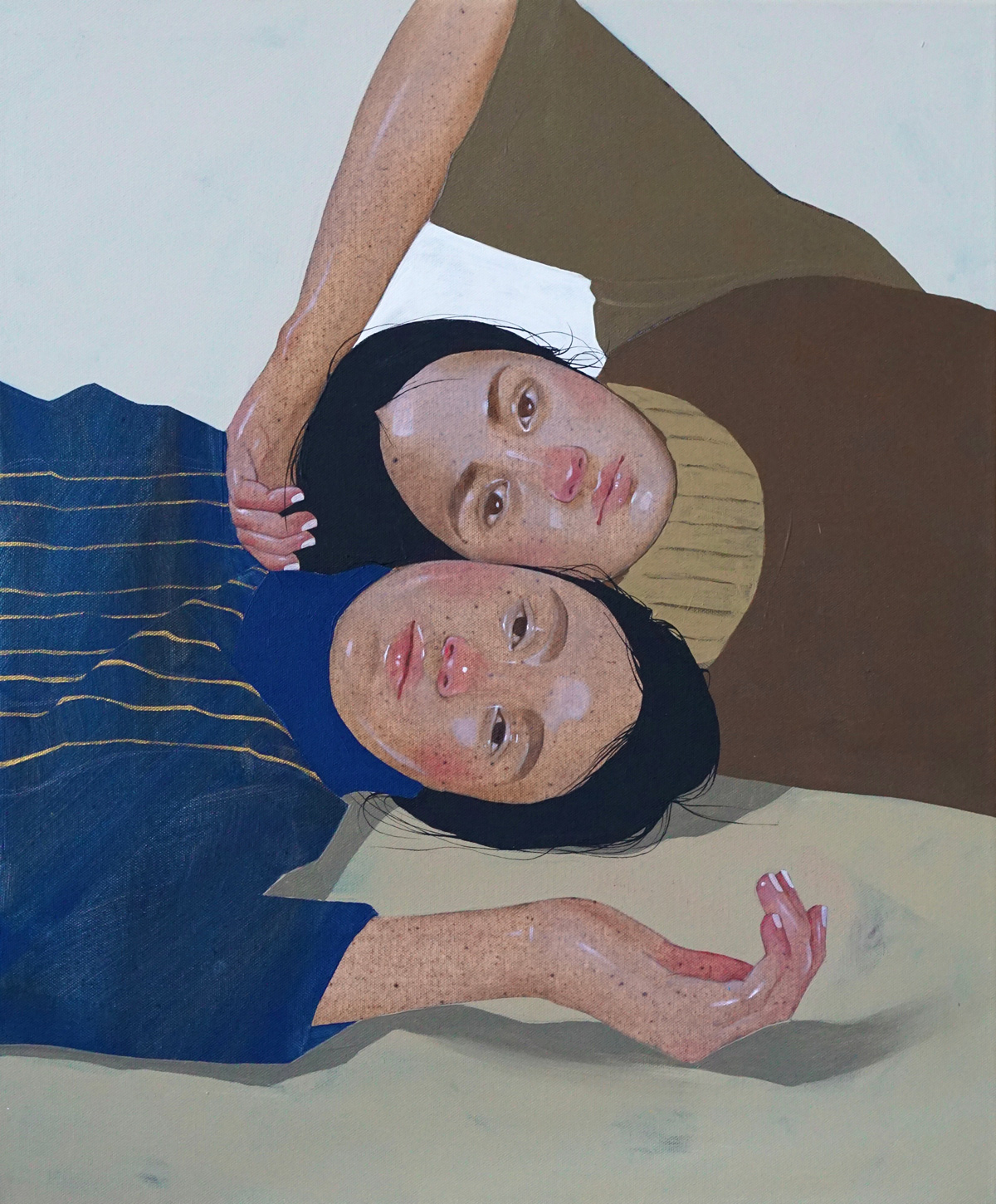
1 month agoTwo massive 30-foot sculptures are landing in Manhattan
The sculptures are designed to contrast Manhattan's monumental architecture with imagery drawn from fairy tales, archetypal symbols and dreamlike storytelling. Their polished steel surfaces will reflect the surrounding city while their whimsical forms invite pedestrians to pause-and maybe look up from their phones for a minute.
DC food
fromHyperallergic
2 weeks agoTaking a Seat at Robert Therrien's Table
Robert Therrien's 'Under the Table' is a 10-foot-tall sculpture that captivates visitors, inviting them to experience its scale and intricacies from below. The piece exemplifies Therrien's ability to transform everyday objects into monumental art.
Arts
fromwww.archdaily.com
1 month agoUnscripted Pavilion / Abin Design Studio
Mumbai is a city of simultaneities. Its urban fabric is dense and restless a patchwork continually fractured by moments of porosity. Narrow alleys suddenly unfold into courtyards, and fleeting intimacies emerge between strangers in crowded trains. Rhythms of chaos and solitude overlap seamlessly to create an everyday theatre of resilience.
Design
Graphic design
fromItsnicethat
1 month ago"A poster is a bit like a song": Jakub Zasada's geometric works are a thing of beauty
Jakub Zasada creates midcentury-inspired digital posters using minimal software functions and scanned materials, prioritizing functional design for public spaces with universal accessibility.
fromItsnicethat
2 months agoUnreal nature: Inside Mark Dorf's digital vivariums and infinite livestreams
Inside NYC-based artist Mark Dorf's project Late Pastoral, the ecological world is trapped in a rear-illuminated print. It's real - but something is off, it's been digitally altered, data-noise clutters images of glowing plant life. Shaped by the pervasive influence of technology, design and the rhythms of digital connectivity, even nature becomes at one with the unreal. Non-human nature is the main thesis of Mark's wide-spanning digital art works, offering reflections on our digital age.
Film
fromApartment Therapy
1 month agoThe Clever Way to Turn Your Home into a Curated Art Gallery
LG Gallery+ is a new visual curation service for LG TVs - and a brilliant way to make your home more unique and personalized. It lets you express your ever-changing creativity with a massive library of classic art, digital and 3D artwork, scenery, games, and more. With more than 4,500 options to choose from, you can turn your LG TV into a world-class art gallery, a peaceful forest, or an homage to your favorite video game - all in the same day.
Gadgets
Arts
fromHyperallergic
3 weeks agoZarina Brought the World to New York
Zarina's artistic practice, rooted in South Asian history and shaped by migration and displacement, established her as a foundational figure for South Asian American artists while maintaining independence from nationalist frameworks.
fromwww.kaltblut-magazine.com
2 months agoLimited Space.
The Limited Space' series is built around the idea of a figure that has outgrown its space. Through exaggerated proportions and sculptural silhouettes, the body appears too large for the environment that continues to constrain it. Architectural elements and imposed barriers function as abstract limits, pressing against the figure and revealing tension through scale, weight, and posture rather than narrative.
Fashion & style
Arts
fromwww.amny.com
3 weeks agoA Living Canvas: Adrian K and the alchemy of art, appetite, and atmosphere at Pinky Swear | amNewYork
Adrian K's three-month residency at Pinky Swear merges art with social participation, using reclaimed materials to create work that balances ethereal beauty with urgent activism and circular economy principles.
fromForbes
2 months agoBrooklyn Museum's Latest Exhibition Blends Art, Fashion And Science
On May 16, 2026,Iris van Herpen: Sculpting the Senseswill make its North American debut at the museum, showcasing more than 140 haute couture creations alongside contemporary art from artists such as Philip Beesley, Rogan Brown, Casey Curran, Kim Keever, and Nick Knight, in addition to unique design and scientific artifacts. The much-anticipated exhibit, which will run through December 6, 2026, will explore how renowned Dutch fashion designer Iris van Herpen fuses various mediums of expression.
fromBOOOOOOOM!
2 months ago"Nothing Gold Can Stay" by Photographer Matthew Ludak
A look at how economic globalization has left its mark on former industrial cities and struggling small towns across America by photographer Matthew Ludak. Ludak received his BA from Drew University and MFA from the University of Wisconsin-Madison. His practice explores contemporary social issues, including classism, de-industrialization, environmentalism, and structural racism in the United States. He currently resides in Philadelphia, Pennsylvania, where he continues to explore the intersections of art and social justice through his photography and non profit work.
Photography
fromDesign Milk
2 months agoOur Favorite Design Finds at Toronto Design Week 2026
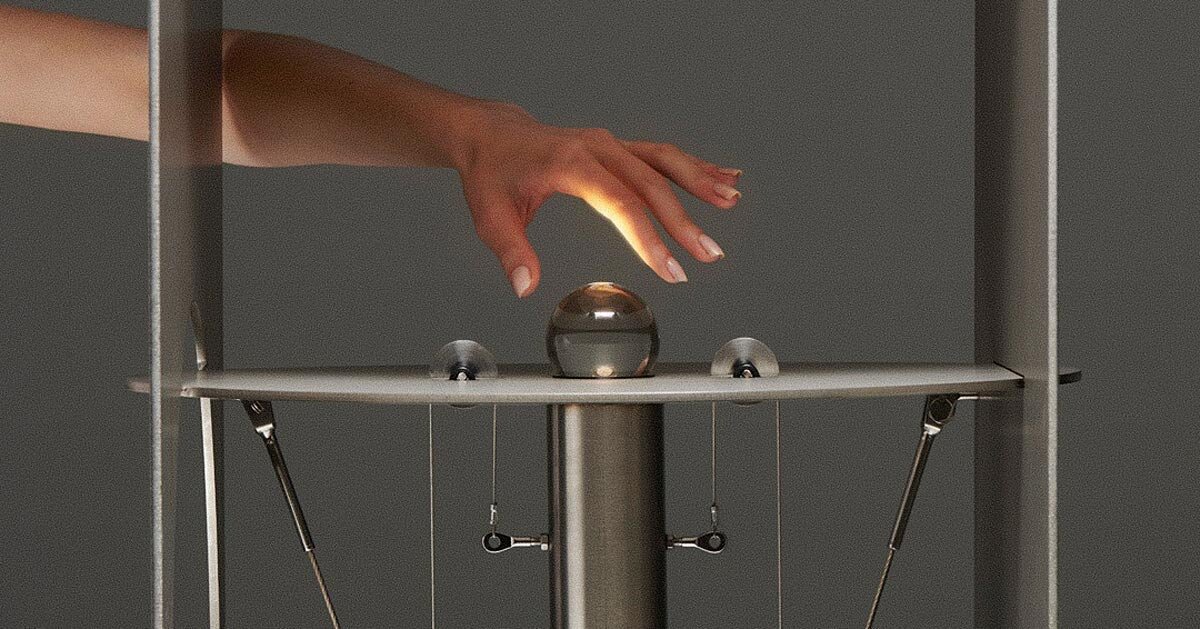
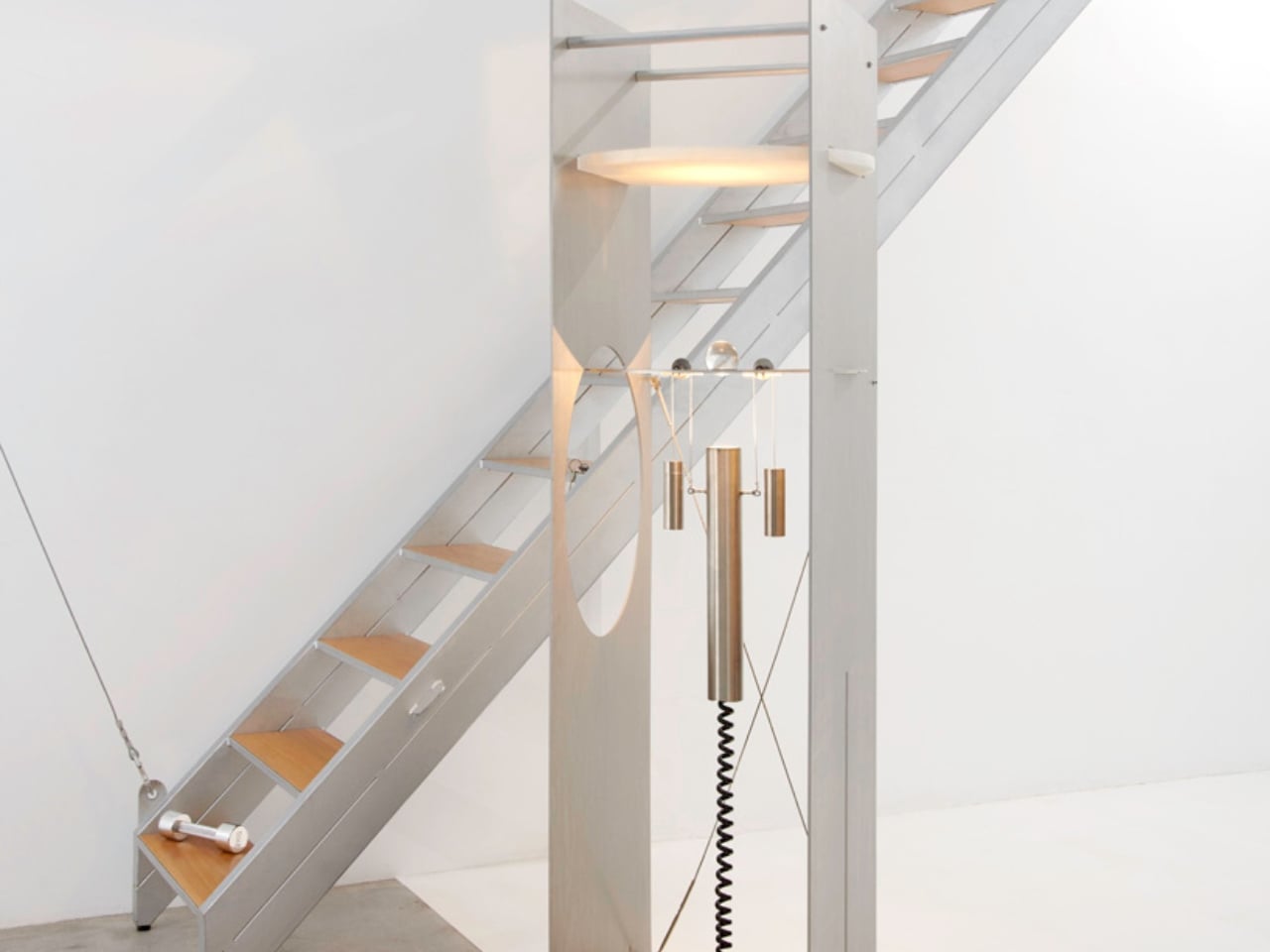
Held in late January, Toronto's design week practically dares design-lovers to prove their devotion. At this past edition, they braved not only the below-zero temperatures but also a historic snowstorm; part of the weather pattern that saw the U.S. draped in the white stuff, Toronto was hit with 22 inches of snow. They were rewarded with an inspiring array of furniture, lighting and experimental works both at the Interior Design Show and throughout the city-wide DesignTO festival.
Design
Arts
fromJuxtapoz
1 month agoJuxtapoz Magazine - Let Us Gather in a Flourishing Way @ Buffalo AKG Art Museum
Fifty-eight contemporary Latinx artists innovate within painting traditions, challenging historical exclusion and interrogating boundaries while celebrating personal, culturally specific expressions that enrich American and contemporary art.
fromwww.amny.com
2 months agoThe Modern Salon redefines art and brings quiet design authority to the Winter Show | amNewYork
In the midst of the fabulous The Winter Show last weekwhere connoisseurship, collecting, and cultivated taste converge under one vaulted roofthere was a moment of pause, exhale, and recalibration at the heart of the fair: the VIP Collectors Lounge. This year, not as sponsorship, but as philosophy made spatial. It was titled The Modern Salon. Conceived and designed by frenchCALIFORNIA, The Modern Salon rejected the trade-fair instinct toward visual noise and brand fragmentation.
Design
Design
fromYanko Design - Modern Industrial Design News
1 month agoThe Sculptural Stand That Curates Jewelry Like a Miniature Modernist Gallery - Yanko Design
A jewelry stand reframes the organizer as an active curator and display system, turning jewelry into sculptural, architectural composition for daily use.
Arts
fromJuxtapoz
1 month agoJuxtapoz Magazine - Rise above it: John Rivas @ Francois Ghebaly New York
Salvadoran-American artist John Rivas expands his mixed-media practice into hand-carved wooden sculpture, exploring cultural identity, family labor, and personal memory through material resourcefulness and collaborative processes.
Arts
fromThe Washington Post
1 month agoIn a stunning Smithsonian exhibit, artist Nick Cave uses stuff to excavate life
Nick Cave's 'Mammoth' exhibition assembles found objects, wearable sculpture, video and installation into a 700-square-foot light-table self-portrait that evokes memory and bodily performance.
Arts
fromwww.theguardian.com
2 months agoArtist Sarah Sze: A work of art is finished when everything teeters'
Sarah Sze’s Gagosian Beverly Hills exhibition uses 13 works—large, intricate paintings and video installations—to create immersive, disorienting landscapes reflecting an image‑saturated, unstable contemporary world.
fromHyperallergic
2 months agoNaoto Nakagawa 2026 Is on View at KAPOW
Naoto Nakagawa's current show at KAPOW brings together a significant group of new acrylic paintings and intimate watercolors, situating his recent practice within both the Japanese shunga tradition of erotic art and his own six-decade exploration of perception, material culture, and the natural world. On view at KAPOW in Manhattan's Lower East Side through February 22, works across the exhibition resonate with themes that have defined Nakagawa's career since the 1960s - most notably his persistent pairing of man-made objects with organic life.
Arts
fromAnOther
2 months agoArtist Sterling Ruby: "I'm Trying to Make Something Spiritual"
I first saw Stalker in the mid-1980s. I grew up in a very rural community, but I had a group of friends who all wanted something that we couldn't really get where we lived. With film, that was a possibility. I'm in my fifties now. I keep trying to figure out what I'm doing as an artist and how to keep going.
Arts
Arts
fromwww.amny.com
1 month agoKing Paris shows the sovereignty of light through his contemporary masks on display in Manhattan | amNewYork
Embellished masks and reflective surfaces in West African traditions use radiance and material brilliance to convey authority, spiritual meaning, and social order through performance.
fromHi-Fructose Magazine - The New Contemporary Art Magazine
2 months agoCayce Zavaglia & The Haphazard Beauty Found behind Her Fiber Portraits - Hi-Fructose Magazine
What gives me encouragement to continue to use my family as inspiration is that, if you look back in history, the famous portraits that Van Gogh did are portraits of people he knew, the postman or his friends. Intimate friends that, once you get that distance of time, you don't think, 'Well, this is someone he knew and that's kind of boring. It's portrait, in and of itself.
Arts
fromArtforum
2 months agoJean Katambayi Mukendi's esoteric technologies
THE TITLE OF THE KW SHOW is "RATIO." The term comes from economics, this idea of balance. But I'm applying it to the conflict here in the DRC, which is based around our strategic rare minerals. I'm talking about customs, electronics, space, minerals. In my country, we only ever talk about making phones, about buying a new phone. I advise young people who are looking at the front of their phone-at the screen-to keep the back of their phone in mind;
Arts
fromJuxtapoz
2 months agoJuxtapoz Magazine - Zigzags and Curves: Sarah Crowner @ Galerie Nordenhake Mexico City
Galerie Nordenhake Mexico City is pleased to present Zigzags and Curves, an exhibition by Sarah Crowner that brings together her sustained research into geometry, abstraction, and the expanded language of painting. Presented across two sites - the gallery's Mexico City space and Casa Roja in Lomas de Chapultepec-the exhibition takes its title from the fundamental graphic elements that structure Crowner's visual vocabulary: the zigzag and the curve.
Arts
[ Load more ]