#observational-study
#observational-study
[ follow ]
#public-health #early-detection #healthcare #obesity #patient-safety #cancer-screening #dementia #air-pollution


fromPsychology Today
1 week agoHow Community-Based Healthcare Builds Engagement
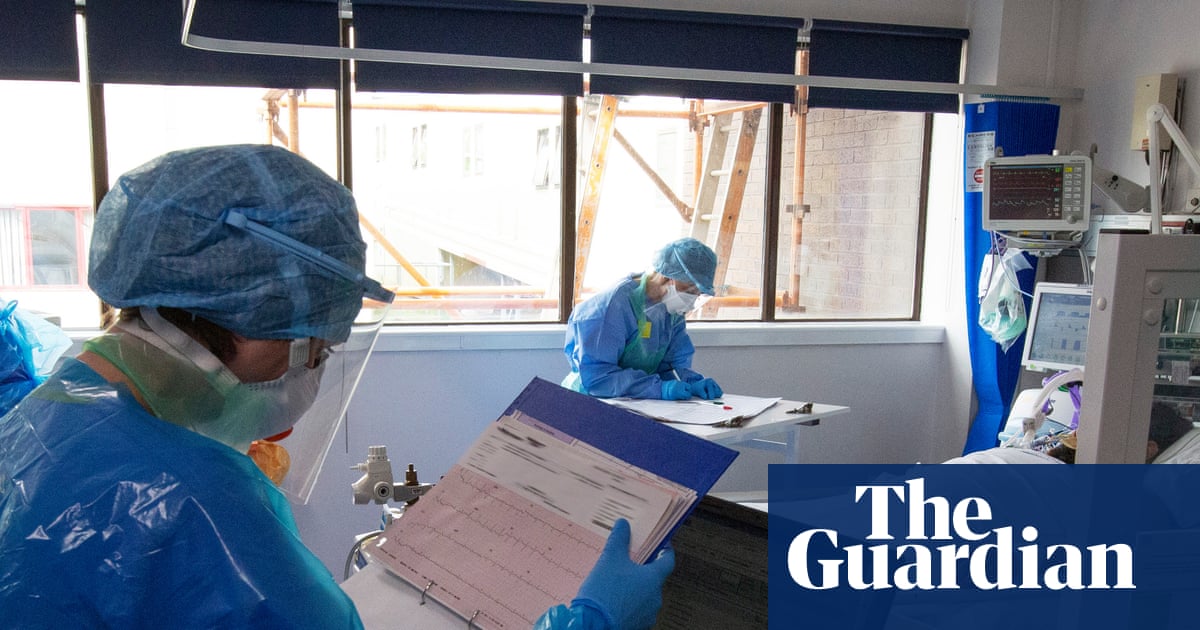
Most people leave doctor visits with prescriptions, but still feel unsure—instructions make sense, but no one asks about their life. In contrast, when a provider knows your name, remembers your story, and explains care in a way that fits you, the experience feels different—and that difference matters.
Healthcare


fromThe Atlantic
1 month agoI Remember a World Without Vaccines
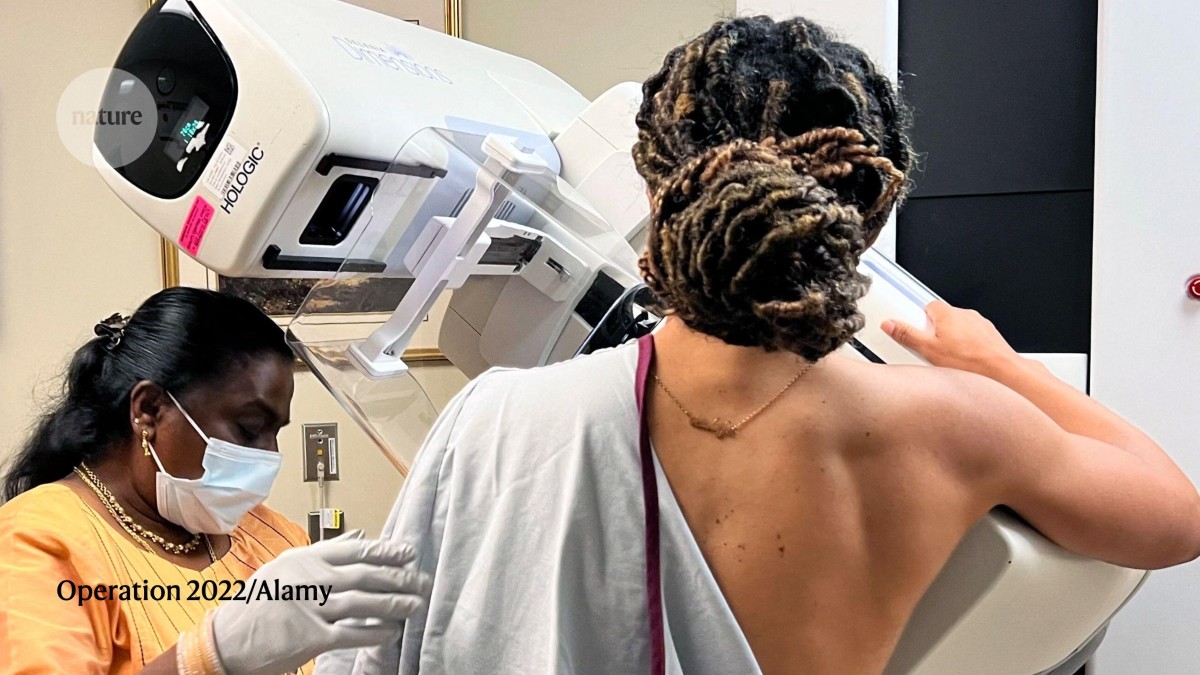
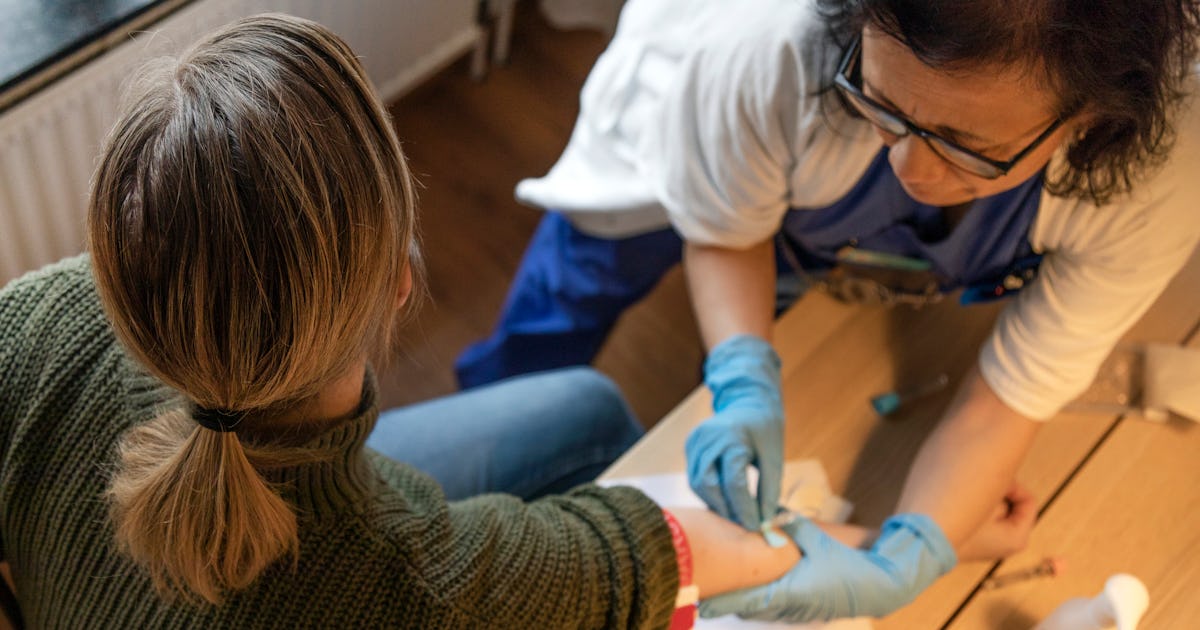
I am open-minded; I believe in integrative practices, and I agree that the medical establishment can be arrogant and unduly influenced by the pharmaceutical industry, which now funds so much of medical research. But I fully understand Scherer's frustration with his interminable discussions with Kennedy about scientific articles.
Coronavirus
Online Community Development
fromPhys
1 month agoPersonal change thresholds may explain why popular policies fail to spread
Individual thresholds for adopting new behaviors vary widely, and measuring these thresholds through behavioral experiments can help overcome resistance to widely supported solutions like climate change mitigation.


from24/7 Wall St.
3 weeks agoWave Life Sciences Slips as Obesity Data Fails to Convince
The INLIGHT interim readout reported a 14.3% placebo-adjusted reduction in visceral fat six months after a single dose, alongside preservation of lean muscle mass - a differentiated profile compared to GLP-1 therapies that often reduce muscle alongside fat.
Cancer
fromHarvard Gazette
1 month agoNew study links more immigrants with lower elderly mortality - Harvard Gazette
"This result is very supportive of the value that foreign-born workers add to the health of our population. When you have an increase in immigration, you end up with more long-term care workers. It's additive, not substitutive."
Healthcare
Cancer
fromBusiness Insider
1 month agoStop ignoring subtle signs of cancer. A doctor explains when to get medical help.
Early cancer symptoms are often subtle and easily missed, including unexplained fatigue, persistent pain, and digestive changes; persistent symptoms lasting over a week warrant medical evaluation.
fromPsychology Today
1 month agoHow Science Is Learning to Explore Ground Truth
Some clinicians have an uncanny quality. A colleague describes herself and others with this instinct as "witchy"-a capacity to know things about patients they haven't said yet, to follow a stray association to a song lyric or a half-remembered cultural reference and arrive, reliably, at something the patient urgently needed to say but couldn't reach on their own. We see with artificial intelligence these intriguing possibilities for discovery, especially as connections that human beings never would see pop out of apparently unrelated data.
Science


Public health
fromwww.theguardian.com
1 month agoMartha's rule may have saved 400 lives so far in England, figures show
Martha's rule, an NHS patient care review system, saved over 400 lives in its first 16 months of operation in England, with helplines receiving over 10,000 calls identifying deteriorating conditions and care improvements.
fromHarvard Gazette
1 month agoHope for hard-to-treat heart disease
Some 1 million patients in the U.S. live with a type of heart disease called heart failure with preserved ejection fraction, or HFpEF, caused by a stiffening of a chamber of the heart that makes it much more challenging to distribute blood throughout the body. The condition has few approved therapies and high mortality rates.
Miscellaneous
fromPsychology Today
2 months agoWhen Memory Worries Deserve Attention
Most people will forget a name, misplace their phone, or lose track of a conversation at some point. Usually, those moments pass without much thought. But for many adults, especially as they age, small lapses can trigger a much deeper fear: Is this the beginning of cognitive decline? As a neurologist, I hear this concern often. And as a researcher, I have learned something important: Worry about cognition and cognitive disease are not the same thing.
Mental health
fromwww.bbc.com
1 month agoPolice probe breast cancer treatment allegations
A report last year found unnecessary surgeries were carried out, cancers were missed and poor standards of care were delivered at the University Hospital of North Durham and Darlington Memorial Hospital. CDDTF said it wanted to support the patients it had let down, including by offering access to psychological support, and to ensure they knew how to make a claim or raise concerns with police.
Cancer
fromwww.theguardian.com
2 months agoPsychiatric drugs aren't always the answer | Letter
Yes, there has been a shocking lack of progress in developing transformative psychiatric medicine (We need new drugs for mental ill-health, 5 February), but this may be because in mental health, drugs are not always the answer (see, for example, Richard P Bentall's Doctoring the Mind). Huge progress has been made in the effectiveness of talking therapies for example, free effective treatment for post-traumatic stress disorder (PTSD) is available to all UK army veterans through the charity PTSD Resolution.
Mental health


Cancer
fromwww.theguardian.com
1 month agoThe Guardian view on cancer survival rates: there is good news about healthcare amid the gloom | Editorial
Cancer mortality in the UK has dropped 29% over 40 years, though recent progress has slowed with rising deaths from certain cancers and persistent treatment delays.
fromwww.theguardian.com
1 month agoCancer death rate in Britain down by almost a third since 1980s
These figures represent decades of crucial scientific breakthroughs. From vaccines that prevent cancer to kinder, more targeted treatments. Because of this, thousands more people today can make memories, reach milestones and spend precious time with their loved ones.
Cancer
fromLGBTQ Nation
2 months agoThe amazing cases of 9 people "cured" of HIV each contain clues about a possible cure - LGBTQ Nation
For more than a decade, doctors and researchers have announced that a handful of people around the world have been cured of HIV. Each of these patients has experienced long-term viral control - in some cases for over a decade - without antiretroviral therapy (ART), as AIDSMap notes, though some doctors describe them as being in "remission." While the patients have shown no signs of HIV since stopping ART, at least some uncertainty remains as to whether the virus could eventually rebound in them.
Medicine

fromScary Mommy
1 month agoStudy Finds Parents Are Right 90% Of The Time When They Suspect Serious Illness
You know that parental instinct when something just isn't quite right with your child? You text your mom friends and gut check with your partner, but you don't think you're being anxious - something might really be wrong. Well, odds are your instinct could be spot-on: A new study published in the JAMA Network found that parents were right 9 times out of 10 when they suspected their child was seriously ill or injured.
Medicine
fromwww.independent.co.uk
2 months agoTop preventable cancer causes in UK revealed and how to cut your risk
Smoking, being overweight, and exposure to ultraviolet radiation from the sun and sunbeds are the top preventable causes of cancer, experts have warned. Researchers from the World Health Organisation (WHO) and its International Agency for Research on Cancer (IARC) analysed 30 risk factors that cause cancer, such as smoking, drinking alcohol and air pollution. Using data from across 185 countries, they estimate that about 7.1 million of the 18.7 million new cancer cases diagnosed globally in 2022 were preventable.
Public health
Cancer
fromwww.theguardian.com
1 month agoQuarter of healthy years lost to breast cancer are due to lifestyle factors, research finds
Over 25% of healthy years lost to breast cancer result from lifestyle factors including red meat consumption and smoking, with projections showing global cases rising from 2.3 million to 3.5 million by 2050.
Public health
fromBusiness Matters
1 month agoChronic Disease Prevention Remained Abstract for Too Long - Barbara Mkhitarian Made It Measurable
Digital prevention programs combining nutrition coaching with behavioral psychology achieve average 7 kg weight loss and sustained diabetes risk reduction through evidence-based lifestyle intervention.
fromHarvard Gazette
2 months agoAmericans living longer after cancer diagnosis - Harvard Gazette
New findings on cancer survival rates offer hope for the more than 2 million Americans diagnosed each year. Seven out of 10 Americans diagnosed with cancer now survive five years or more, according to the American Cancer Society, a 7 percent increase since the mid-1990s, when the rate stood at 63 percent. The survival rate data - from patients diagnosed with cancer between 2015 and 2021 - showed, significantly, that those with high-mortality cancers and advanced diagnoses had the largest gains.
Public health
fromHarvard Gazette
1 month agoAmerican heart health worsening - Harvard Gazette
Many other higher-income countries are grappling with rising obesity and diabetes, but the U.S. stands out for how consistently those risks translate into worse cardiovascular outcomes, and how wide the gaps are by income, race, ethnicity, and geography.
Public health
fromNews Center
2 months agoAdvancing Preventive Care and Cardiovascular Risk Prediction Through Online Tools - News Center
As the Magerstadt Professor of Cardiovascular Epidemiology, Khan studies the epidemiology of risk for heart failure. Using population-based cohorts and large electronic health record data analyses, she performs mechanistic studies that may enhance risk prediction and identify novel therapeutic agents for the prevention and treatment of cardiovascular disease. Khan and her team have developed a tool to predict risk and prevent cardiovascular disease such as heart failure, stroke, arrhythmia, coronary artery disease and many other conditions.
Public health
fromNature
2 months agoExposome studies can improve lung health
The conventional approach to evaluating the impact of air pollution is to focus on a single exposure during a fixed period of time. But evidence suggests that contaminants work together, magnifying the damage to people's lungs. Conventional studies fail to probe synergistic effects. They also ignore the cumulative effects of lifelong exposures to pollutants, known as the exposome. Researchers need to shift away from single-pollutant studies and towards those involving a broad range of exposures.
Public health
[ Load more ]