#off-grid-expedition
#off-grid-expedition
[ follow ]
#solo-travel #portable-power-stations #mental-health #work-life-balance #travel-trends #off-grid-living
Cars
fromYanko Design - Modern Industrial Design News
2 days agoFreelander reincarnates as an all-electric off-road SUV with six models planned - Yanko Design
Freelander returns as an independent electrified vehicle brand, focusing on a new generation of SUVs through a joint venture between JLR and Chery.

fromTravel + Leisure
6 days agoThis Remote Midwest Peninsula Has Abundant Outdoor Adventures in Stunning Scenery-and You Can See the Northern Lights
"You don't wind up here by accident; you come here for a reason, and that reason is typically the abundant outdoor adventures and natural resources we have," Nathan Miller, the former executive director of the Copper Harbor Trails Club, told Travel + Leisure.
Skiing
fromEarth911
1 week agoEarth911 Inspiration: The First Step To Sustainability
The first step to sustainability is seeing that there is no boundary between you and nature. When we see this essential connection and reverse the artificial disconnections created over millennia, people can imagine a future where we all thrive with a regenerated ecosystem.
Environment
fromYanko Design - Modern Industrial Design News
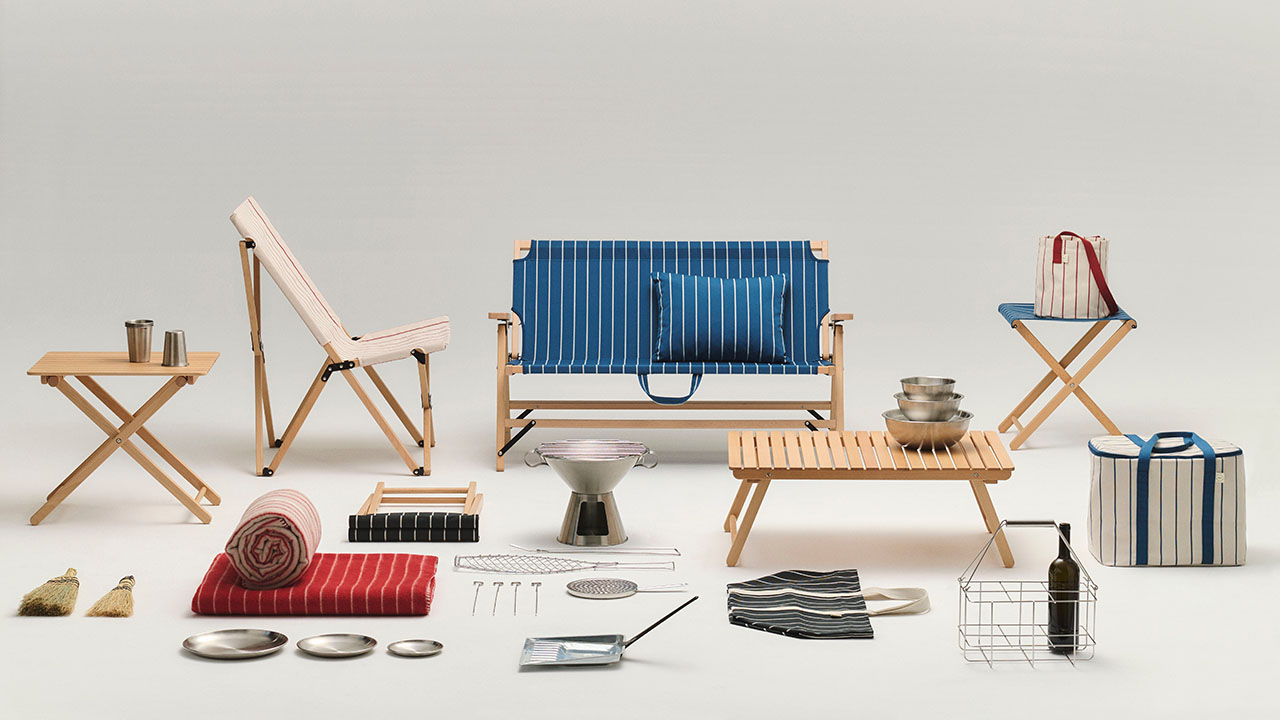
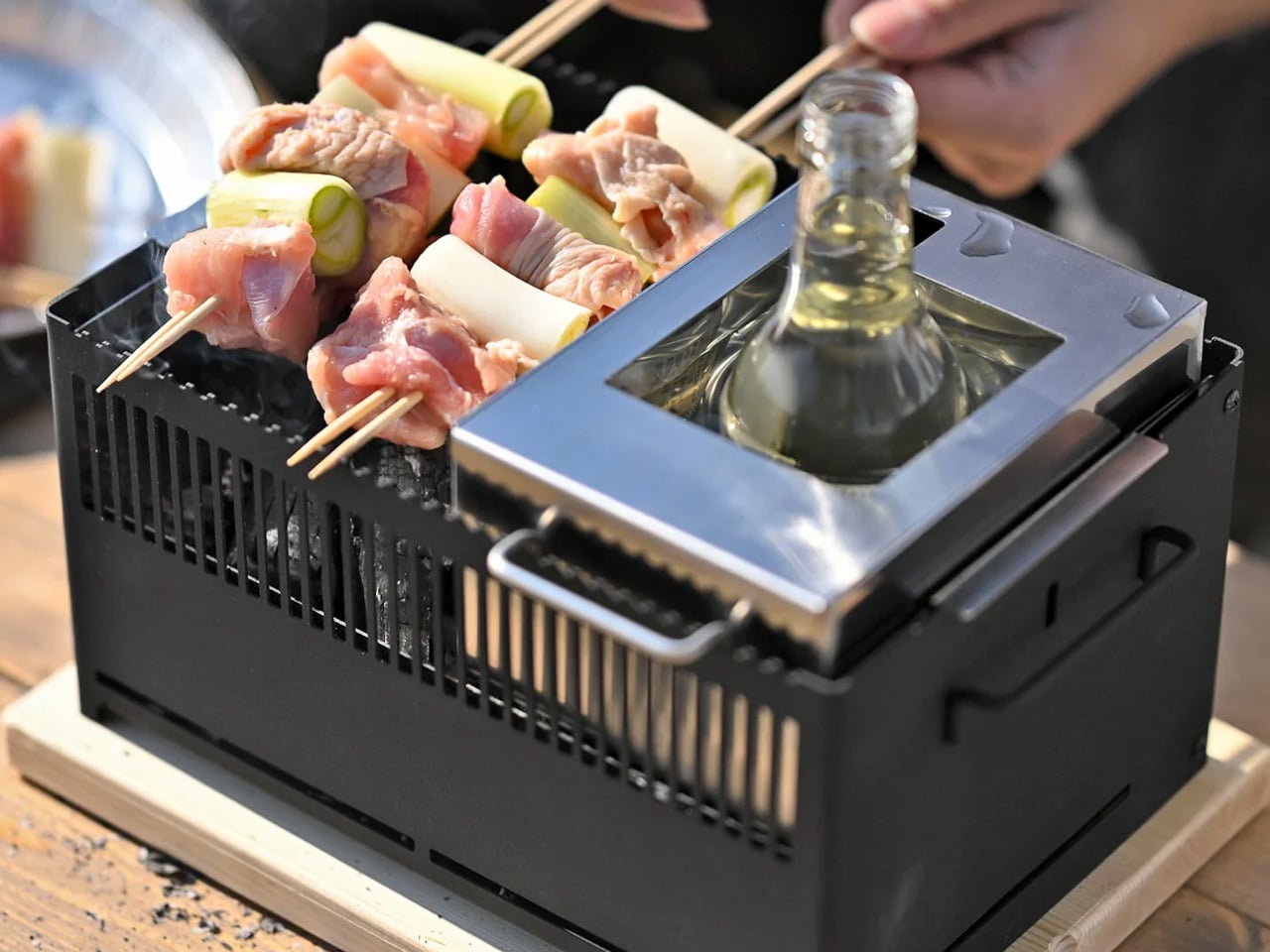
2 weeks ago10 Best Camping Gadgets Every Design Snob Needs Before Spring Actually Convinces You to Go Outside - Yanko Design
The camping category has gone through a genuine design evolution. Products are emerging from studios that understand outdoor life not as a survival exercise but as an experience worth designing for.
Gadgets
#portable-power-stations
Roam Research
fromZDNET
2 weeks agoWe tested 10 portable power stations in our lab - these two models were the most efficient
Portable power stations ranging from 15 to 100 pounds provide significant power for off-grid use, outages, and camping, with efficiency determined by round-trip energy conversion rates.
Gadgets
fromZDNET
3 weeks agoJackery's Explorer 2000 power station is 50% on Amazon right now - and I'd vouch for it
Jackery's Explorer 2000 Pro v2 features upgraded LiFePO4 batteries offering 4,000 recharge cycles, improved safety, and a 50% discount to $749, making it an ideal portable power backup solution.
Alternative transportation
fromZDNET
2 weeks agoOupes Mega 1 review: I finally found a portable power station I can store in my truck
The Oupes Mega 1 is the most efficient portable power station in the 600-1,100Wh category, offering 1,024Wh capacity, 2,000W output, and weighs under 30 pounds for reliable portability.
Gadgets
fromWIRED
3 weeks agoWarm Weather Is Finally Here, and My Favorite Power Station for Camping Trips Is on Sale
The Anker Solix C1000 portable power station offers 1,056-watt-hour capacity with expandable battery, LiFePO4 technology lasting a decade, and sufficient power for camping trips, small appliances, and multiple devices.

Roam Research
fromZDNET
2 weeks agoWe tested 10 portable power stations in our lab - these two models were the most efficient
Portable power stations ranging from 15 to 100 pounds provide significant power for off-grid use, outages, and camping, with efficiency determined by round-trip energy conversion rates.
Gadgets
fromZDNET
3 weeks agoJackery's Explorer 2000 power station is 50% on Amazon right now - and I'd vouch for it
Jackery's Explorer 2000 Pro v2 features upgraded LiFePO4 batteries offering 4,000 recharge cycles, improved safety, and a 50% discount to $749, making it an ideal portable power backup solution.
Alternative transportation
fromZDNET
2 weeks agoOupes Mega 1 review: I finally found a portable power station I can store in my truck
The Oupes Mega 1 is the most efficient portable power station in the 600-1,100Wh category, offering 1,024Wh capacity, 2,000W output, and weighs under 30 pounds for reliable portability.
Gadgets
fromWIRED
3 weeks agoWarm Weather Is Finally Here, and My Favorite Power Station for Camping Trips Is on Sale
The Anker Solix C1000 portable power station offers 1,056-watt-hour capacity with expandable battery, LiFePO4 technology lasting a decade, and sufficient power for camping trips, small appliances, and multiple devices.
Berlin
fromCN Traveller
2 weeks agoFrom high peaks to wild rivers, 10 European hotels for those who hate sitting still - or want to put down their phone
Active holidays featuring physical activities that prevent phone use are becoming increasingly popular as travelers seek digital detoxes and wellness-focused experiences.
Wearables
fromYanko Design - Modern Industrial Design News
2 weeks agoFuturewave Just Built a Smartwatch That Works Off the Grid - Yanko Design
O-Boy is a satellite-connected smartwatch designed for emergency communication in areas without mobile network coverage, prioritizing survival over lifestyle optimization.
#solo-travel


fromIndependent
1 month agoTravel
'After health and personal setbacks, I left my dream job for a five-month solo backpacking trip'
Solo female traveller abandons journalism career for a bucket-list Colombian adventure, confronting safety fears, language barriers, and embracing local cultures while learning Spanish.


fromYanko Design - Modern Industrial Design News
2 weeks agoThis Off-Grid Mobile Tiny Home Has Two Full Workspaces & A Bedroom - & You Can Tow It Anywhere - Yanko Design
The Off-Grid Luxury Mobile Double Office is a trailer-based unit that packs two fully independent workspaces and a sleeping area into a 26-ft (7.9-m) frame, all while running entirely on solar power. Built on a double-axle trailer, the unit spans 10 ft (3 m) wide, broader than a standard tow, which means it requires a permit for road transport.
Toronto startup
Alternative transportation
fromwww.yankodesign.com
2 weeks agoTerra 700 overlanding trailer with slide-out bedroom and spacious interior has serious off-grid power
The Terra 700 by Neo Camper is a hard-sided expedition trailer featuring innovative slide-out bedroom and kitchen designs that maximize comfort and functionality in a compact, lightweight package.
#portable-power-station
Gadgets
fromYanko Design - Modern Industrial Design News
2 weeks agoThe $135 Power Station That's Also a Camping Lantern - Yanko Design
Blavor's PN-W43 portable power station integrates a 4W LED camping lantern into its design, making it immediately useful for outdoor and emergency situations rather than just garage storage gear.


Gadgets
fromYanko Design - Modern Industrial Design News
2 weeks agoThe $135 Power Station That's Also a Camping Lantern - Yanko Design
Blavor's PN-W43 portable power station integrates a 4W LED camping lantern into its design, making it immediately useful for outdoor and emergency situations rather than just garage storage gear.
Roam Research
fromYanko Design - Modern Industrial Design News
2 weeks agoStoryteller Overland turn 44 Grenadier into 'Grand Bohemian camper' with pop-top roof and off-grid capabilities - Yanko Design
Storyteller Overland transformed the INEOS Grenadier into the Grand Bohemian, a fully integrated camping rig combining daily-driver capability with expedition-ready overlanding features for remote terrain access.
Travel
fromInsideHook
3 weeks agoThe "Mystic Outlands" Travel Trend Is About More Than Moody Landscapes
Pinterest's 'Mystic Outlands' trend predicts 2026 travel will focus on whimsical, mystical destinations featuring dramatic landscapes, ancient ruins, and enchanting forests, though the appeal of such places has endured for centuries.
Psychology
fromPsychology Today
4 weeks agoJourney Through the Wilderness to Freedom
Freedom is an inner psychological journey requiring navigation through wilderness patterns of seduction, denial, delusion, and rationalization, with four primary captors: addiction, false modesty, arrogance, and regression.
Miscellaneous
fromZDNET
1 month agoMost solar power banks I've tested were gimmicks - this one is the real deal
ToughTested's ROC series solar power banks effectively integrate small solar panels that generate meaningful energy despite atmospheric losses, representing a genuine advancement beyond previous gimmicky implementations.
Gadgets
fromYanko Design - Modern Industrial Design News
3 weeks ago7 Genius Spring Camping Gadgets & Gear for 2026 That Make the Great Outdoors Feel Like a Five-Star Hotel - Yanko Design
Spring 2026 camping gear solves comfort-weight contradictions through biological modeling and innovative engineering rather than traditional deprivation-based design.
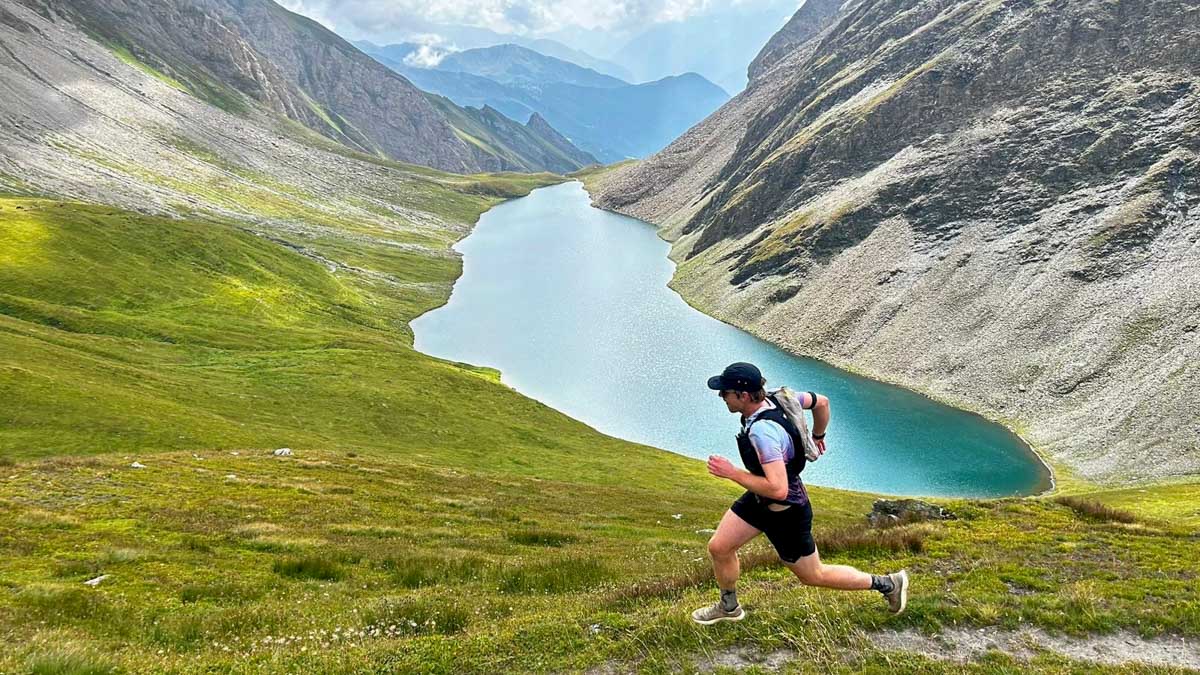
fromiRunFar
1 month agoConnecting Wild Places: Landscapes of Kilian Jornet's States of Elevation Project
Jornet's well-publicized States of Elevation project in 2025 was a feat in human endurance, mountain running, and planning. Starting on September 3, he linked 72 of the 14ers in the contiguous U.S in a human-powered fashion - on foot and bike - with a support crew following him and helping with logistics. He started with the 14,259-foot Longs Peak in Colorado, then went on to California and north to Washington, finishing on the 14,410-foot Mount Rainier.
Skiing
fromHigh Country News
1 month agoIt's time to rethink how we care for our public lands and waters - High Country News
Wildlife populations are in decline. Recreation sites are crowded and often underfunded. Wildfires are larger, more destructive and harder to control. Climate change is reshaping natural systems, from ocean fisheries to mountain snowpacks, faster than institutions can respond. At the same time, communities are being asked to host new energy projects, transmission lines and mineral development - often without clear processes, adequate resources or trust that decisions are being made in the public interest.
Environment
fromwww.kaltblut-magazine.com
2 months agoTerrain
The body is a shifting landscape transformed by surfaces and sensations. Each look captures a different tactile world: the heat of blood, the cool weight of metal, the yielding drift of water. The result is a sculptural study of how the elements carve, shield, and release the self. The materials we embody become the emotions we carry, and the body becomes a materialised exhibition of our emotions, from the pulse of Blood to the discipline of Metal to the surrender of Water.
Fashion & style
fromYanko Design - Modern Industrial Design News
2 months agoThis Off-Grid Australian Tiny House Returns to the Movement's Rustic Cabin Roots - Yanko Design
Australia's Build Tiny has crafted a charming escape that proves small living doesn't have to sacrifice character. The Tallarook Hilltop Tiny House 1 sits perched on a stunning hilltop in rural Victoria, offering sweeping views over Broadford and Kilmore while embracing the raw, unpretentious aesthetic of agricultural architecture. Built on a double-axle trailer, the home's corrugated metal siding and matching roof create an almost utilitarian appearance that feels right at home against the backdrop of Mount Piper and the Tallarook State Forest. This design choice reflects a refreshing departure from the sleek, apartment-style tiny homes that dominate today's market. Instead, Build Tiny has returned to the movement's roots, celebrating the cabin-like simplicity that first inspired people to downsize.
Real estate
fromEsquire
1 month agoThe Rise of the Paincation
On day five of an eight-day, 500-mile mountain bike race in Africa, Piers Constable found himself sprawled in the dirt for the second time. First he'd crashed on his left side, then on his right, until he was, in his own words, "muddied and bloodied," staring at a bike that was very much broken. He remembered a feed station a couple miles away and realized he had two choices: quit or run. He picked up the bike and ran.
Running
fromBusiness Insider
2 months agoI spent years traveling nonstop. It took me too long to admit my 'dream life' was actually horrible for my health.
In reality, the job of my dreams consisted of overnight flights where I'd get little to no rest, then hit the ground running as soon as I arrived at my destinations. After I'd fly back home from some trips, it would take me nearly a week to recover from jet lag. My stress levels were often cranked up, dealing with flight delays, deadlines, and navigation across different states and countries.
Health
fromAeon
1 month agoIn solarpunk cities of the future, tech follows nature's lead | Aeon Essays
In Indra's Net of pearls and jewels, every gem reflects every other, a shimmering image of interdependence. This ancient Vedic metaphor for connection across the cosmos also illuminates what the environmental philosopher Glenn Albrecht first proposed in 2014as 'theSymbiocene': the era after the Anthropocene, in which human technologies take their cues from living systems and work in partnership rather than through dominance.
Philosophy
fromNature
1 month agoWhat my cave stay taught me about sensors
To capture the biological impact of this extreme environment, I used a comprehensive suite of sensors and biomarker analyses. I wore a wireless electroencephalograph (EEG) system to monitor brain activity, sleep stages and neural signatures of stress and adaptation; the Oura Ring to continuously track sleep patterns, heart-rate variability and circadian-rhythm shifts; and the glucose monitor to follow metabolic responses in real time.
Wearables
Remodel
fromBusiness Insider
2 months agoI've spent 5 years living in a tiny home and 2 years in a camper van. Here's how they compare - and which is my favorite.
Living in a tiny house provided better long-term comfort and balance than full-time van life, despite van life’s lower monthly costs and initial freedom.
fromSilicon Canals
1 month agoGoodbye to boring retirement: the adventure sport people over 60 are trying that's safer than it looks - Silicon Canals
When my neighbor Tom celebrated his 65th birthday last month, his kids threw him what they thought was the perfect party: comfortable chair, cozy slippers, and a stack of crossword puzzles. Meanwhile, three doors down, 68-year-old Margaret was booking her first skydiving lesson. The contrast struck me-why do we assume retirement means slowing down when some people are just getting started on their biggest adventures?
Health
Travel
fromWanderlust Storytellers - An Inspirational Family Travel Blog
1 month agoGet Paid to Travel: 29 Amazing Jobs That Fund Your Adventures Around the World
Transform existing skills or choose remote and travel-friendly roles to earn income while exploring the world; few jobs pay to travel directly.
fromdesignboom | architecture & design magazine
2 months agothis off-grid house encircles '720 degrees' to frame views of valle de bravo, mexico
House 720 Degrees by Fernanda Canales stands in a secluded valley three hours from Mexico City. The project approaches dwelling as a calibrated relationship within the landscape as the design takes form as a geometric and optical device which extends a 360-degree span into a doubled circuit. From a central patio, the house establishes a continuous exchange between interior and exterior conditions. It works like a solar clock, tracking time through ever-shifting sunlight and shadow.
Design
Digital life
fromWanderlust Storytellers - An Inspirational Family Travel Blog
2 months agoGet Paid to See the World: 29 Travel Jobs You Never Knew Existed
Many careers enable travel; identify transferable skills to convert a current job into a traveling role or choose travel-focused careers like tour guide or artist.
fromwww.dw.com
2 months agoThe business of saving nature
The world spends 30 times more money destroying nature than protecting it. That's according to a new report from the United Nations Environment Programme (UNEP) that exposes a massive gulf between so-called "harmful investments" and financing that promotes nature preservation. The global environment agency's latest "State of Finance for Nature" (SNF) report is calling to phase out the US$7.3 trillion (6.2 trillion) in global investments that damage nature including into high-emissions energy infrastructure and manufacturing, for example.
Environment
Gadgets
fromYanko Design - Modern Industrial Design News
2 months ago10 Best Camping Gadgets & Essentials to Buy Before Spring 2026 Sells Out - Yanko Design
Solar-powered, modular, compact camping gear—exemplified by a tent with integrated photovoltaic fabric and built-in AC—redefines comfort, portability, and sustainability for modern campers.
fromConde Nast Traveler
2 months agoThe Biggest Travel Trends of 2026
When the time comes to begin working on our annual travel trends of 2026 list, I get to thinking about the year that's just passed (somehow always so much quicker than the last) and the trends that shaped how we traveled. If I could sum up 2025, it would be the year that we let the stars dictate our destinations; sought out intrepid supper clubs; detoured to lesser-known spots and tried our (ranch) hand at cowboycations (thank you, Yellowstone).
Travel
Gadgets
fromYanko Design - Modern Industrial Design News
2 months agoThe MustHave Portable Power Station Setup Every Household Should Own For Storms And Blackouts - Yanko Design
Mid-size indoor-safe power stations can keep phones, medical devices, and essential lights running through multi-day winter outages when small units lack capacity.
fromTravel + Leisure
2 months ago12 of the Best Places to Camp in State Parks Across the U.S.
You may dream of seeing the geysers of Yellowstone or the overwhelming greatness of the Grand Canyon, but chances are you have a handful of little wonders in your own backyard. State parks like Goblin Valley in Utah hold their own against the neighboring Arches National Park (or Canyonlands, for that matter), while Maine's Baxter State Park is arguably just as wild as the well-known Acadia National Park (Baxter doesn't even have running water!). Plus, state parks tend to be less crowded and more affordable-two things that bode well for overnight guests.
Travel
[ Load more ]