#orbital-solar-power
#orbital-solar-power
[ follow ]
#nasa #space-exploration #artemis-ii #orbital-data-centers #spacex #space-debris #solar-energy #solar-power

fromwww.theguardian.com
1 month agoHow Pakistan's people-led solar boom is easing impact of Middle East energy crisis
People who could afford to do it at that time realised that it was much cheaper and cost-effective and better for them in the long run to do a one-time investment in rooftop solar as opposed to keep paying high electricity bills from a grid that is also unreliable, said Nabiya Imran, an associate at Renewables First, a Pakistani thinktank.
World news

fromEarth911
1 month agoShould You Go Solar In 2026?
The most consequential shift for anyone considering rooftop solar in 2026 is the expiration of Section 25D, the Residential Clean Energy Credit. That 30% credit, which was worth up to $9,000 on a $30,000 system, is no longer available for home solar installations. The One Big Beautiful Bill, signed July 4, 2025, accelerated the phase-out that the Inflation Reduction Act had originally extended through 2034.
SF real estate
US news
fromwww.npr.org
1 month agoEasy-to-use solar panels are coming, but utilities are trying to delay them
Plug-in solar panels that connect to standard outlets are gaining traction in the U.S. as a cost-effective alternative to traditional rooftop solar, though utility opposition based on safety concerns is slowing legislative adoption.

Artificial intelligence
fromFortune
1 month agoAI is running out of power. Space won't be an escape hatch for decades | Fortune
Orbital solar-powered data centers could alleviate soaring AI electricity demand but face substantial technical, economic, and infrastructure hurdles before becoming practical.
#spacex


fromFast Company
2 months agoScience
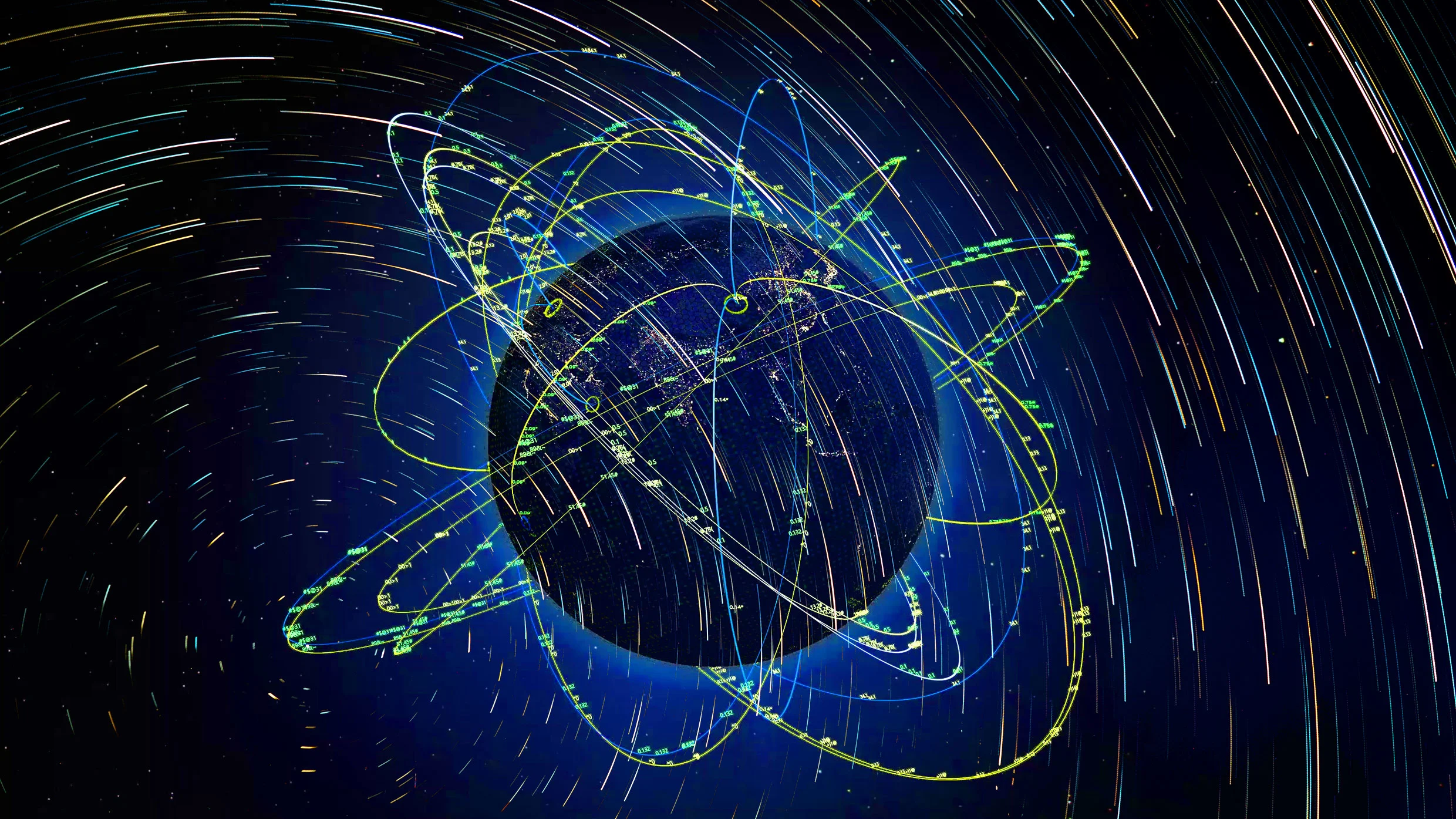
Elon Musk wants to put 1 million satellites in orbit. Can Earth handle it?
SpaceX has requested FCC permission to launch up to one million satellites, potentially creating orbital data-center constellations and massively increasing orbital congestion and environmental impacts.

#orbital-data-centers



fromFuturism
1 month agoScience
Data Centers in Space Are Even More Cursed Than Previously Believed
SpaceX filed a patent for orbital data centers with up to one million satellites, but experts remain highly skeptical about financial feasibility and technological viability of space-based AI infrastructure.
Science
fromFuturism
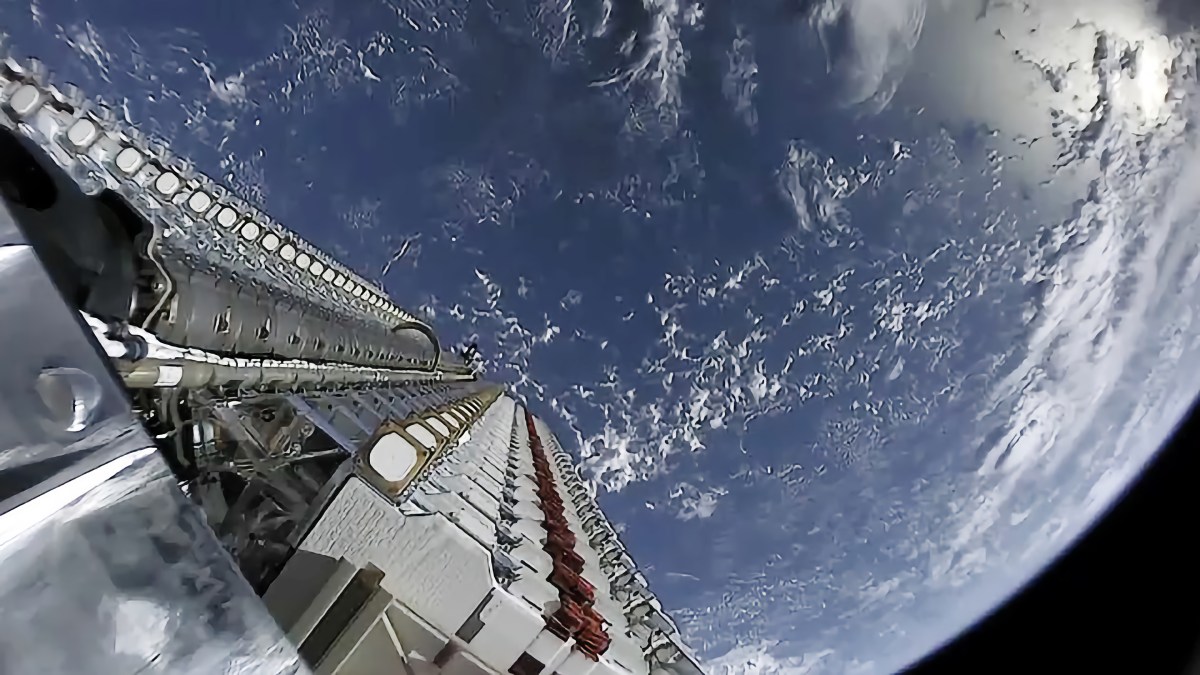
1 month agoData Centers in Space Are Even More Cursed Than Previously Believed
SpaceX filed a patent for orbital data centers with up to one million satellites, but experts remain highly skeptical about financial feasibility and technological viability of space-based AI infrastructure.
from24/7 Wall St.
2 months agoThe Space Infrastructure Builder Stumbles While the Launch Provider Burns Through Cash Faster
Redwire focuses on space infrastructure and autonomous systems. The company completed its Edge Autonomy acquisition and reported 50.7% year-over-year revenue growth. Management maintained full-year guidance of $320 to $340 million, and the book-to-bill ratio of 1.25 suggests demand is holding. But the business is bleeding cash with a net loss of $41.2 million in Q3, nearly double the $21 million loss from the prior year. Gross margin sits at just 16.3%, leaving almost no room for error.
Startup companies


fromTechzine Global
2 months agoIs the future of compute space-based?
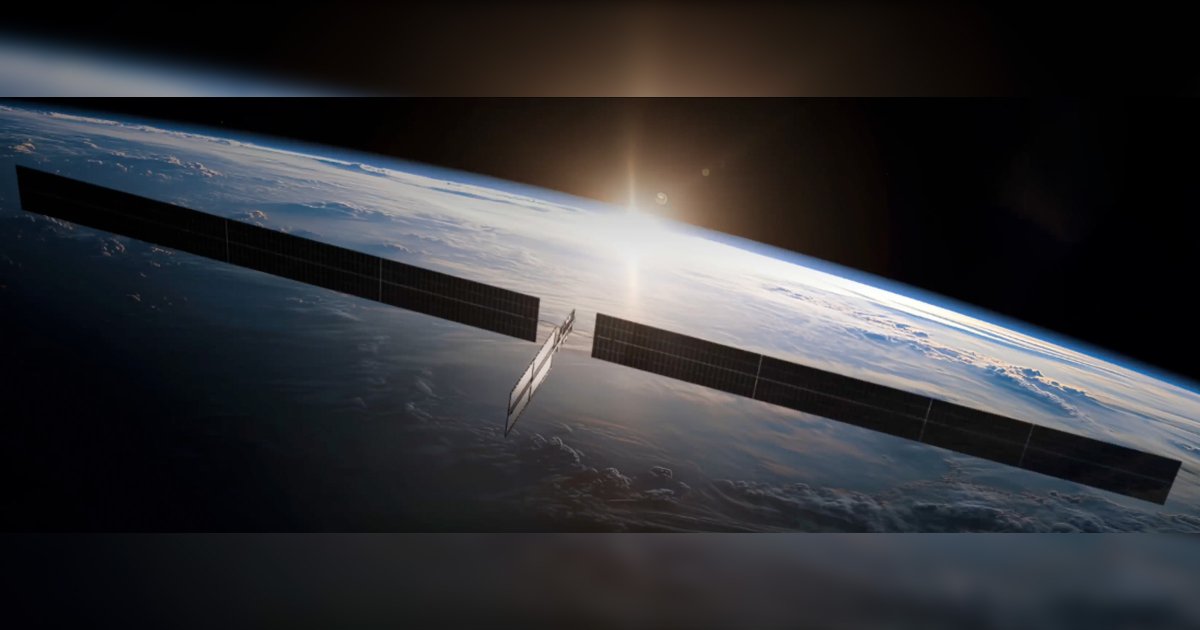
Could IT infrastructure, and even the rise of AI, eventually migrate beyond the atmosphere? Amazon founder Jeff Bezos predicted in October that gigawatt-scale, solar-powered data centers would be a reality within 10 to 20 years. At the World Economic Forum in Davos this week, Elon Musk was even more ambitious: AI data centers in the "final frontier" could be viable within two to three years. Google also plans to deploy its TPU chips in orbit via Project Suncatcher.
Artificial intelligence
Science
fromArchDaily
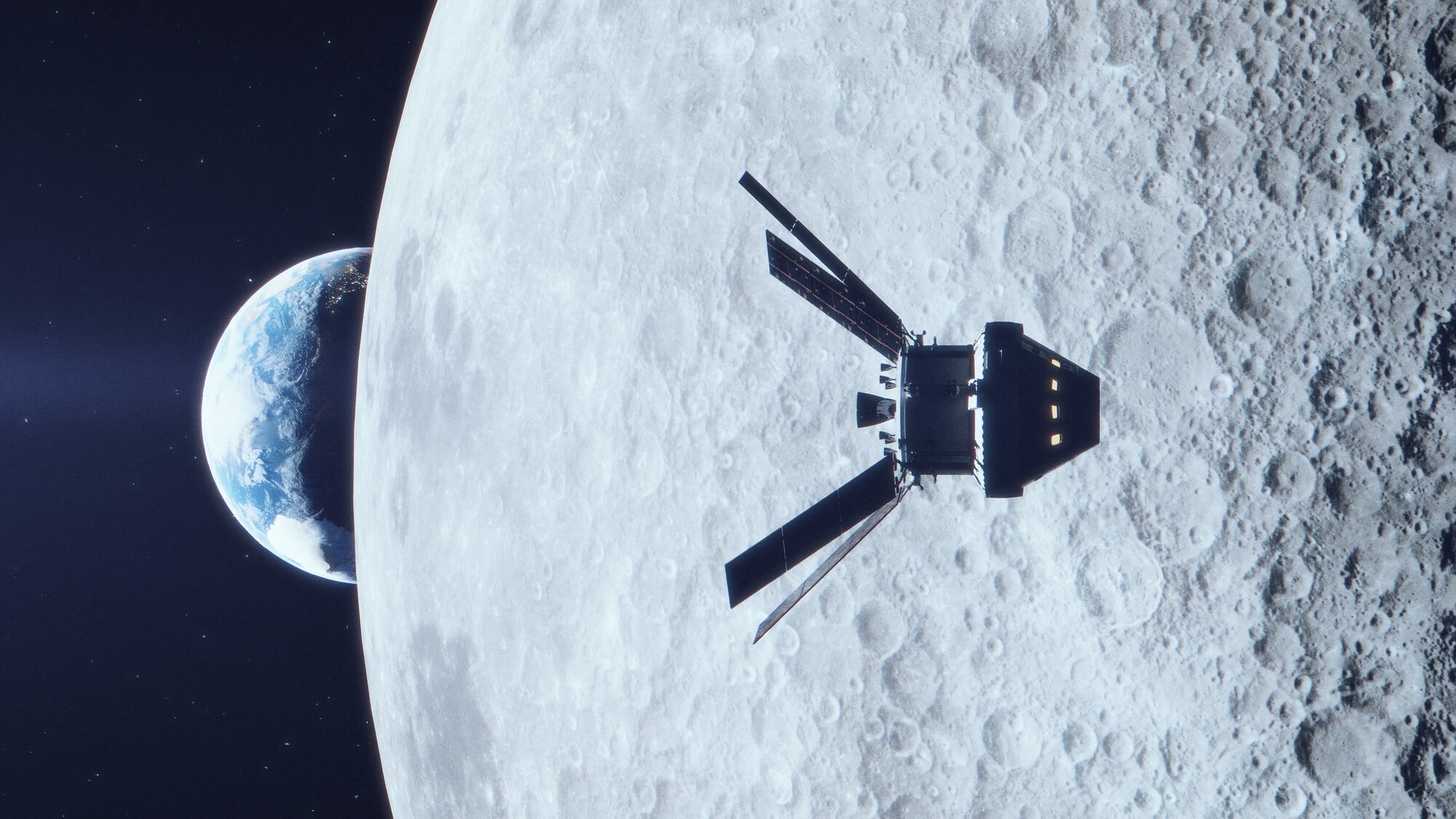
1 month agoGateway in Lunar Orbit: Extending Architecture Beyond Earth
The technosphere—humanity's 30 trillion-ton network of artifacts—is expanding beyond Earth through NASA's Artemis program, establishing permanent orbital infrastructure around the Moon via the Gateway space station.
fromWIRED
1 month agoCould AI Data Centers Be Moved to Outer Space?
Now say you want to run some modest AI stuff. That's a bigger job, so let's scale up our cubical computer with edges twice as long as before. That would make the volume eight times larger (2 3), so we could have eight times as many processors, and we need eight times as much power input-2,400 watts. However, the surface area is only four times (2 2) larger, so the radiative power would be about 4,000 watts.
Science
fromFuturism
2 months agoStunning Footage Shows Space Station Drifting Through Aurora's Dazzling Lights
Earlier this week, the Sun unleashed a powerful X-class solar flare, a major burst of electromagnetically charged particles that lit up the Earth's night sky as they entered our planet's atmosphere. The effect was stunning: a dazzling display of auroras reaching as far as southern California. Forecasters that it was one of the largest solar storms in decades, making for a particularly unique opportunity to watch the show unfold.
Science
fromArs Technica
2 months agoAs data from space spikes, an innovative ground station company seeks to cash in
By the end of the year, Northwood, based in El Segundo, California, had shown the ability to build eight of these Portal arrays a month. And in January the company had deployed operational Portal antennas across two continents. These deployments, which comprise an area of 8 to 15 meters, have the equivalent capability of a 7-meter parabolic dish, said Griffin Cleverly, co-founder and chief technical officer of Northwood.
Science
fromWIRED
1 month agoThis Is the Worst Thing That Could Happen to the International Space Station
In the vacuum of space, the amount of debris-spent rocket stages, splintered satellites, micrometeoroids- numbers in the millions, all zooming about, often at 17,000 mph speeds. They're also constantly hitting each other in a tsuris of exponential littering. Most of these pieces are tiny, and many are not anywhere near the altitude of the ISS. But the area isn't completely clean.
Science
[ Load more ]