#panel-manufacturing
#panel-manufacturing
[ follow ]
#semiconductors #tesla #terafab #ai #intel #elon-musk #ai-chips #euv-lithography #chip-manufacturing #spacex #asml
fromTechRepublic
2 days agoSamsung Eyes Vietnam for $4B Semiconductor Packaging Project
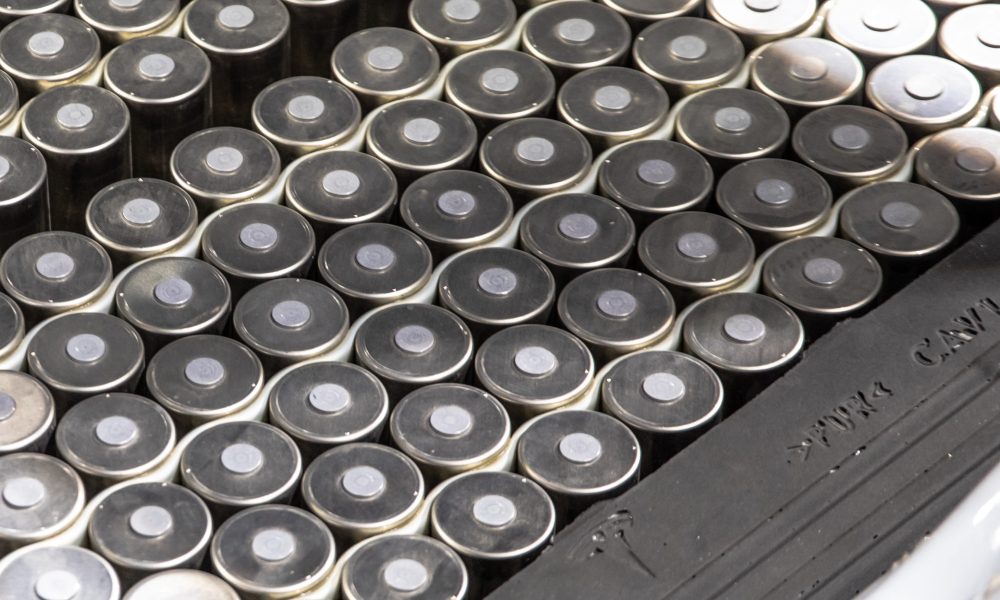
The ministry is coordinating with other ministries and agencies to finalise and submit to the Prime Minister the Memorandum of Understanding between the Government of Vietnam and Samsung Group regarding the group's semiconductor manufacturing project in Vietnam.
European startups
#semiconductors
World politics
fromSilicon Canals
3 weeks agoInside the quiet restructuring of global semiconductor supply chains: how TSMC, Samsung, and Intel's subsidy race is creating three separate technological civilisations - Silicon Canals
Governments are investing heavily in semiconductor production, leading to the creation of three distinct technological ecosystems.

World politics
fromSilicon Canals
3 weeks agoInside the quiet restructuring of global semiconductor supply chains: how TSMC, Samsung, and Intel's subsidy race is creating three separate technological civilisations - Silicon Canals
Governments are investing heavily in semiconductor production, leading to the creation of three distinct technological ecosystems.





fromThe Verge
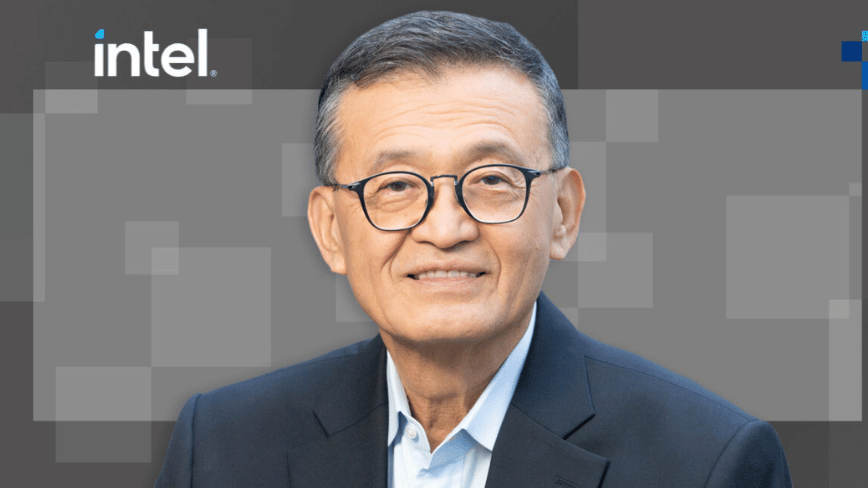
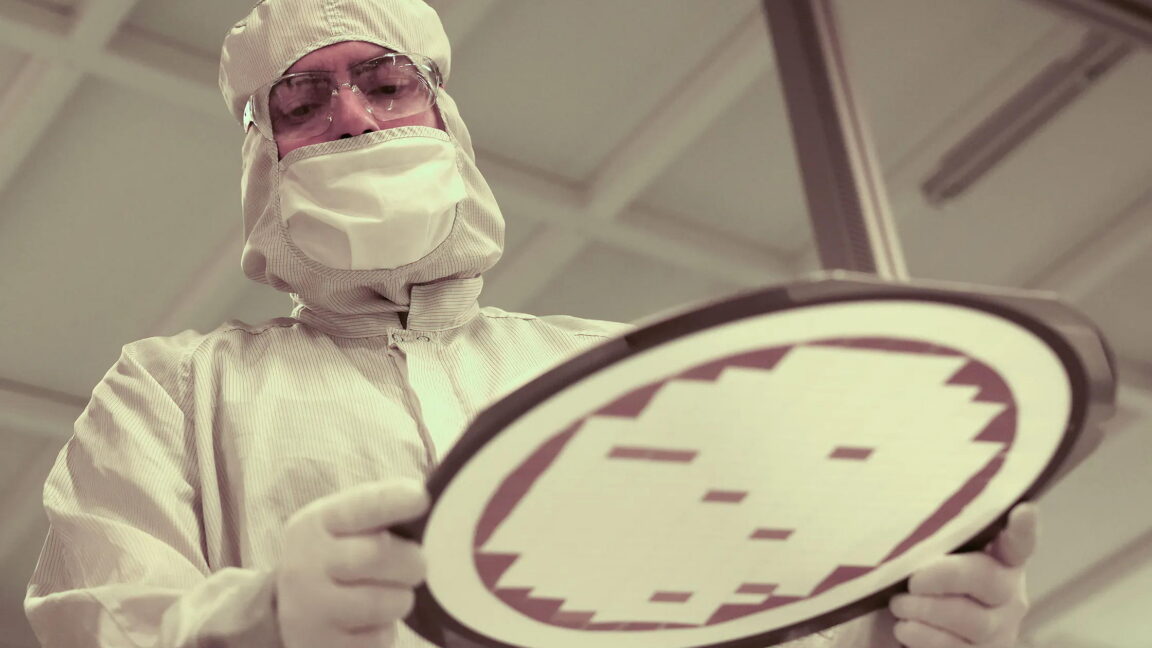
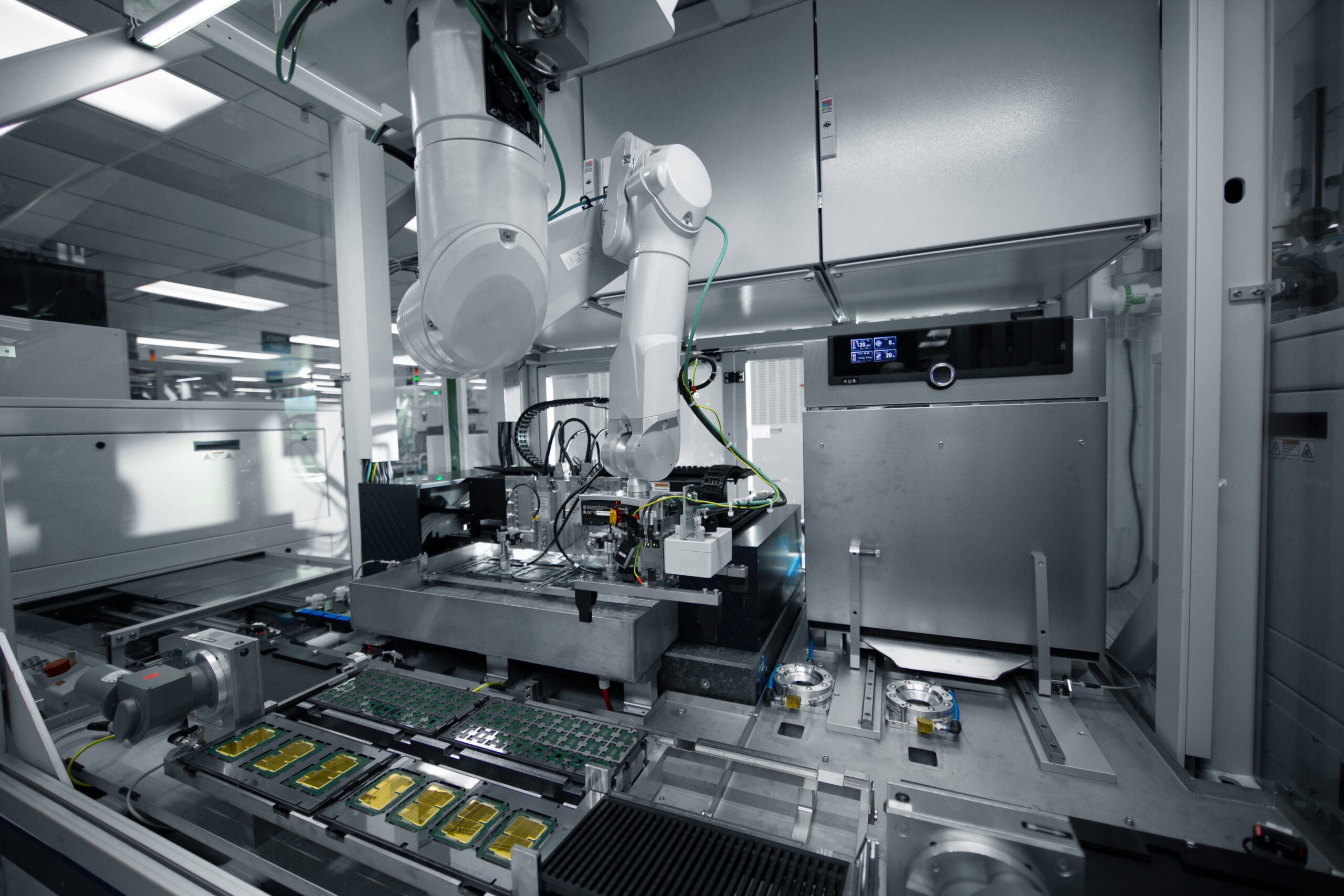
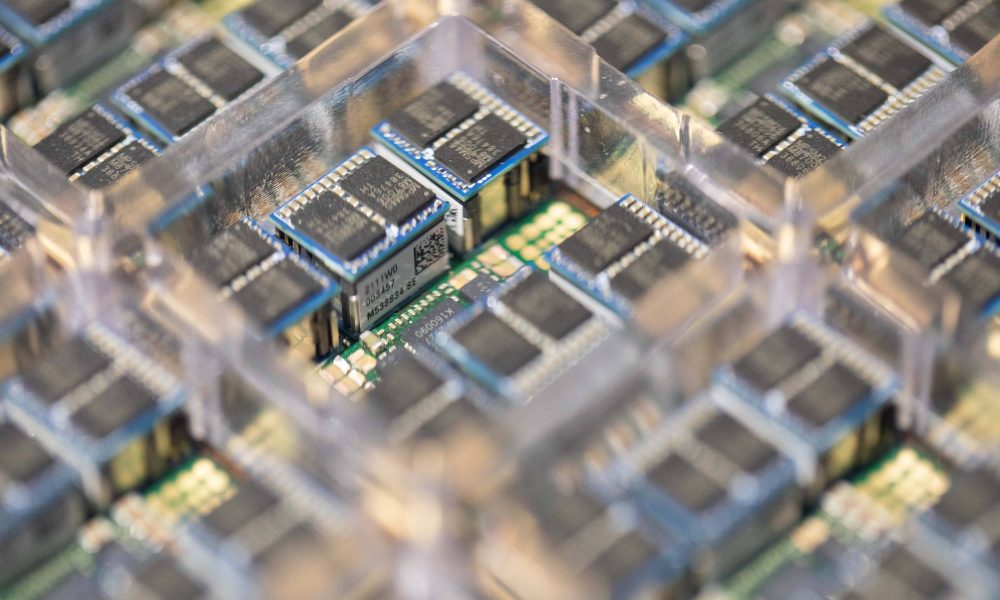
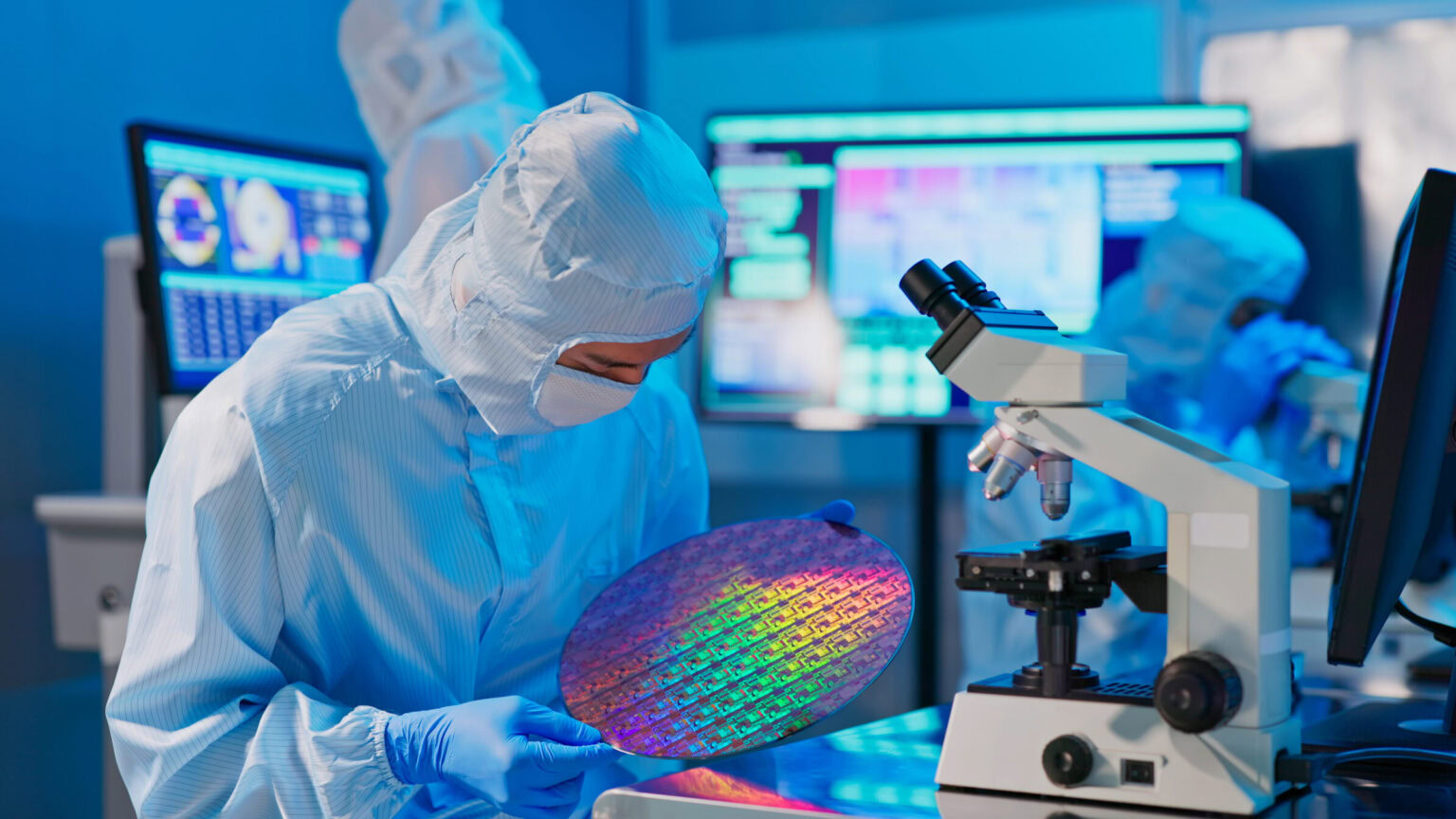
6 days agoIntel will help build Elon Musk's Terafab AI chip factory
Terafab will close the gap between today's chip production and the future's demand - a future among the stars. This reflects the ambitious vision behind the project, aiming to meet the growing needs of AI technology.
Toronto startup
US news
fromwww.npr.org
1 month agoEasy-to-use solar panels are coming, but utilities are trying to delay them
Plug-in solar panels that connect to standard outlets are gaining traction in the U.S. as a cost-effective alternative to traditional rooftop solar, though utility opposition based on safety concerns is slowing legislative adoption.
fromSilicon Canals
3 weeks agoChina now controls 92% of rare earth processing. Every Western EV and defense firm depends on a supply chain they can't replicate - Silicon Canals
China controls the overwhelming majority of global rare earth processing capacity, a figure that has remained structurally stable for nearly two decades despite sustained Western policy attention. The problem has never been geology. It's always been industrial chemistry at scale.
Environment
Mobile UX
fromGSMArena.com
3 weeks agoSamsung starts buying Chinese display panels for its mid-range smartphones
Samsung Electronics is diversifying its display supply chain by purchasing 15 million panels from CSOT instead of Samsung Display for mid-range devices, leveraging 20% cost savings to offset rising memory expenses.

fromMedium
1 month agoFolding in Traceability
In enterprise commerce, totals don't drift because someone forgot algebra. They drift because reality changes: promos expire, eligibility changes when an address arrives, catalog data updates, substitutions happen, and returns unwind prior discounts. When someone asks "why did the total change?" you need more than narration. You need evidence - a trail of facts you can replay and a pure computation that deterministically produces the same result.
Scala
#humanoid-robots
Artificial intelligence
fromFuturism
3 weeks agoFactory Paying Human Worker to Watch Robot Worker All Day
Humanoid robots like Digit are being deployed in factories with human supervisors, with costs expected to drop from $10-$25 per hour to $2-$3 per hour, potentially displacing workers earning $20 per hour.
Business
from24/7 Wall St.
3 weeks agoACMR vs KLIC: Battle of the Semiconductor Equipment Stocks
ACM Research achieved record revenue but faced margin collapse, while Kulicke & Soffa posted strong earnings with stable margins after strategic restructuring, revealing divergent momentum in semiconductor tools.
Europe politics
fromTheregister
1 month agoEurope's EV battery cost gap with China could shrink to 30%
Europe's EV battery cost gap with China could narrow from 90% to 30% by 2030 through proper government support, factory scaling, and manufacturing improvements, requiring a €500 sovereignty premium per vehicle.
Information security
fromTheregister
1 month agoMemory scalpers hunt scarce DRAM with bot blitz
Web scraping bots are systematically targeting DRAM inventory across e-commerce sites, submitting millions of requests to identify stock for resale at inflated prices, with operators increasingly using AI tools to enhance their scraping effectiveness.

fromwww.nature.com
2 months agoExciplex-enabled high-efficiency, fully stretchable OLEDs
Here we addressed this challenge by incorporating an intrinsically stretchable exciplex-assisted phosphorescent (ExciPh) layer. The elastomer-tolerant triplet-recycling mechanism mitigates exciton energy transfer limitations arising from the insulating elastomer matrix, yielding a light-emitting layer with more than 200% stretchability and an external quantum efficiency (EQE) of 21.7%. To translate this performance to fully stretchable devices, we integrated MXene-contact stretchable electrodes (MCSEs), which feature high mechanical robustness and tunable work function (W
Wearables
Startup companies
fromBusiness Insider
1 month agoHow robotics could upend the US manufacturing industry
Machina Labs promotes distributed, flexible, portable robotics-enabled manufacturing to leapfrog centralized factories and accelerate U.S. reindustrialization in defense, aerospace, and automotive sectors.
fromThe Nation
2 months agoHow Taiwan Became the Chipmaker for the World
When Donald Trump nominated Elbridge Colby as the undersecretary of defense for policy, the news stirred headlines in Taiwan. Colby, who has since been confirmed, had repeatedly stated on social media that if China ever invaded Taiwan, the US military should destroy TSMC, the world's most important chip manufacturer, to prevent it from falling into Chinese hands. The provocative suggestion has been echoed by Democratic Representative Seth Moulton,
World news
European startups
fromTechzine Global
1 month agoCalls for a 'Chinese ASML' are growing louder, but it is still a long way off
Chinese chip executives advocate for developing domestic EUV lithography technology as a central priority, proposing a national integrator model to reduce dependence on ASML amid export restrictions.
fromArs Technica
1 month agoDIY PC maker Framework has needed monthly price hikes to navigate the RAM shortage
AI-driven memory and storage price hikes have been the defining feature of the PC industry in 2026, and hobbyists have been hit the hardest-companies like Apple with lots of buying power have been able to limit the price increases for their PCs, phones, and other gadgets so far, but smaller outfits like Valve and Raspberry Pi haven't been so lucky.
Gadgets
fromdzone.com
2 months agoManaging Changing Hardware/Peripherals in a Robust POS
Retail point-of-sale systems today offer a wide range of options for peripherals and hardware. Their technical specifications play a major role in selection, and big retailers often choose multiple vendors to reduce a single point of failure. This gives them an advantage to negotiate price or support as well. Technically, these peripherals also require updating with new models and may have new feature sets. This necessitates the redevelopment of point-of-sale applications, increasing development costs.
Information security
fromBusiness Matters
2 months agoWhy Tolerance Management Is a Business-Critical Skill in Modern Manufacturing
We are now in a time of manufacturing where precision is more than a technical necessity; it's a business requirement. The more complex, globally dispersed and demanding things get, the less slack remains in the system. Under these circumstances tolerance management has become a decisive competence and affects competitiveness not only in terms of controlling costs, ensuring quality and improving production efficiency but also for long term market success.
Business
Environment
fromFuturism
2 months agoThe Amount of New Solar Power Production Capacity China Is Manufacturing Is Legitimately Mind-Blowing
China produces roughly a terawatt of solar panels annually, drives 64% of global utility-scale solar and wind construction, and has slashed global electricity costs to about $0.04/kWh.
Business
fromSitePoint Forums | Web Development & Design Community
1 month agoU.S based custom metal stamping company for precision telecom or shielding components?
Seeking a U.S. precision metal-stamping partner for telecom and EMI/RFI shielding with tight tolerances, in-house tooling, secondary ops, and smooth prototype-to-production transition.
from24/7 Wall St.
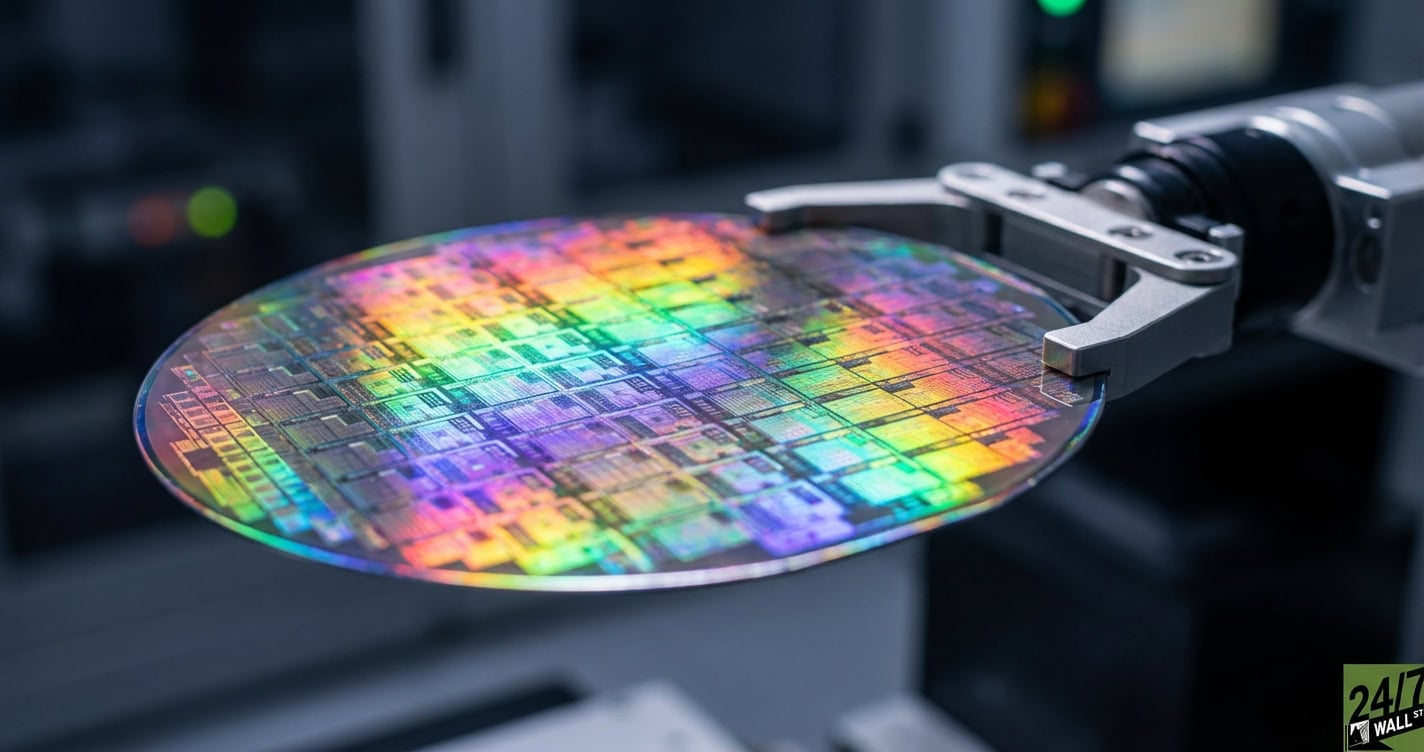
2 months agoTSMC Expands AI Chip Production to Japan
Taiwan Semiconductor Manufacturing Company (NYSE:TSM) is expanding production of advanced AI semiconductors to Japan, marking a significant geographic diversification for the world's leading chipmaker. The move addresses surging demand for cutting-edge chips while reducing geopolitical risk tied to Taiwan-based manufacturing. The expansion comes as TSMC reported Q4 2025 revenue of $33.73 billion, up 20.5% year-over-year, with net income climbing 35% to $15.2 billion.
Artificial intelligence
fromThe Cipher Brief
2 months agoExport Controls Backfire: The China Innovation Paradox
Instead of paralyzing China's AI sector, these controls have promoted domestic self-reliance. With no choice but to develop indigenous workarounds and architectural innovations, Chinese businesses are decoupling AI progress from sheer hardware volume. U.S. policies have undoubtedly bought time, but they have also ushered in a parallel innovation ecosystem totally independent of Western influence.
Artificial intelligence
[ Load more ]