#perishables-handling
#perishables-handling
[ follow ]
fromTasting Table
1 day agoFor Cheaper Gas, Look For Stations That Serve Fresh Food - Tasting Table
Gasoline doesn't have a particularly high profit margin, which is partly why most gas stations double as convenience stores or offer fresh food. If chains like Buc-ee's and Sheetz can make more money by selling food, they can afford to lower their margins on gasoline.
Food & drink
#urban-logistics


Alternative transportation
fromLondon Business News | Londonlovesbusiness.com
5 days agoThe 2026 urban logistics challenge: Managing delivery hubs in the city - London Business News | Londonlovesbusiness.com
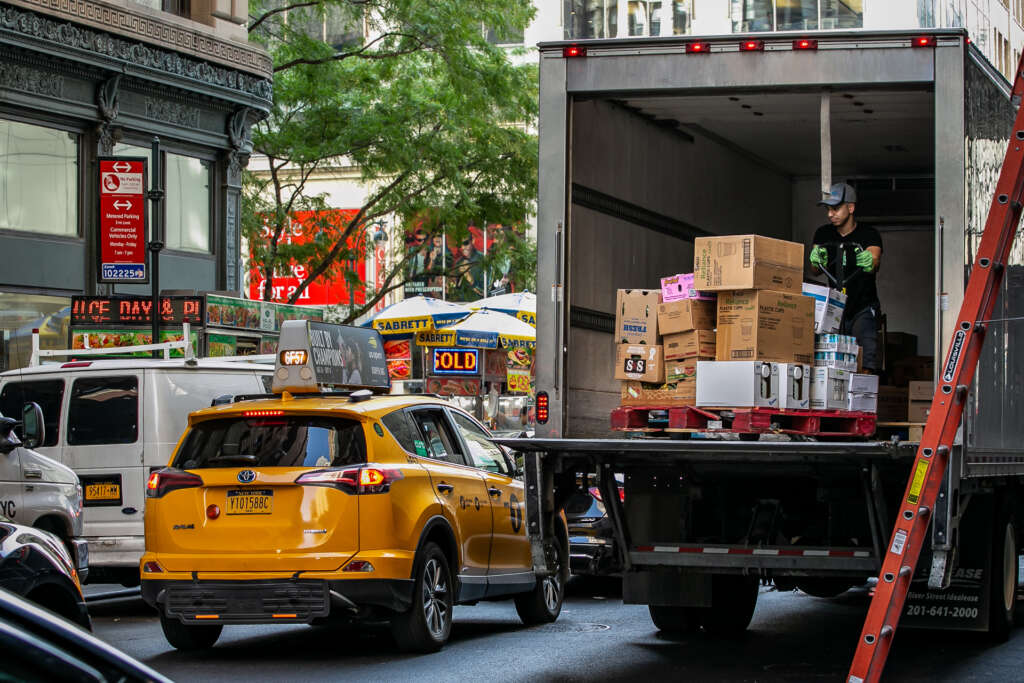
Cities are becoming critical for delivery management due to e-commerce growth, requiring innovative logistics solutions to meet consumer expectations.
#ecommerce
Deliverability
fromLondon Business News | Londonlovesbusiness.com
1 week agoPaper vs plastic: Choose mailing bags that support your growing e-Commerce brand - London Business News | Londonlovesbusiness.com
Choosing the right mailing bags impacts costs, returns, and customer satisfaction as ecommerce brands scale.

Deliverability
fromLondon Business News | Londonlovesbusiness.com
1 week agoPaper vs plastic: Choose mailing bags that support your growing e-Commerce brand - London Business News | Londonlovesbusiness.com
Choosing the right mailing bags impacts costs, returns, and customer satisfaction as ecommerce brands scale.
#food-safety

fromBuzzFeed
1 month agoFood & drink
Experts Are Begging You To Stop Making These 7 Mistakes When Storing Leftovers
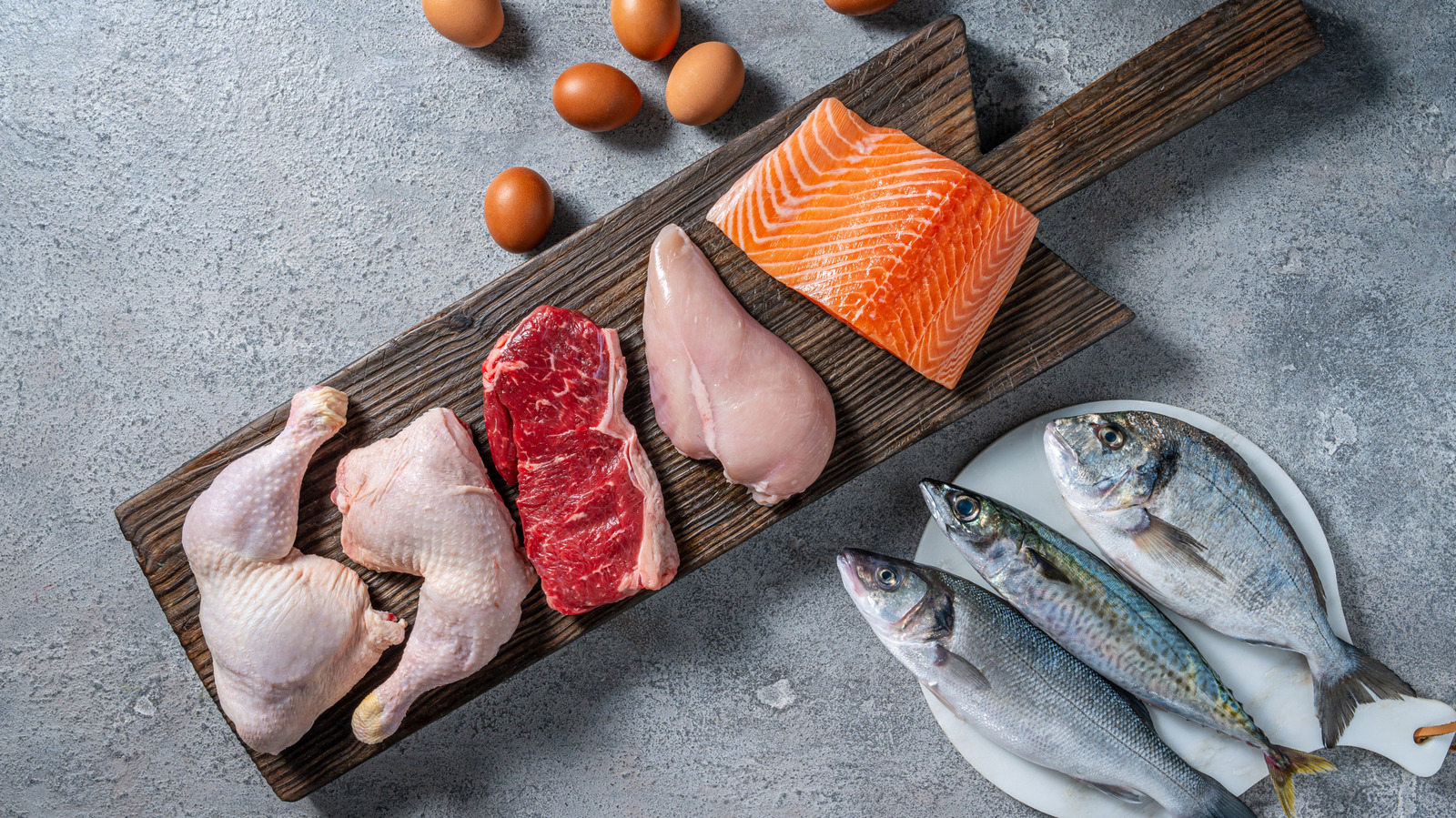
Leftovers are a common source of home food poisoning; improper cooling and storage practices significantly increase contamination risk, but these mistakes are preventable through simple safety measures.
Berlin food
fromTasting Table
1 month agoThe One Container You Should Never Use For Raw Meat, According To A Food Scientist - Tasting Table
Plastic food storage containers are porous and harbor bacteria more readily than glass or stainless steel, making them less safe for storing raw meat and other foods.

fromABC7 San Francisco
1 week agoAmazon, UPS, FedEx, USPS add temporary fuel surcharges to offset extra costs
"Transportation costs are a big factor there. Every company that is involved and has logistics and they have to pay for gas, either they have to absorb this cost, or they will charge the third party that will provide this service. I'm not surprised this is happening, because at some point, Amazon will say we cannot absorb all this cost."
Alternative transportation
Silicon Valley food
fromTasting Table
3 weeks agoHow Grocery Outlet's Food Gets Onto Its Shelves - Tasting Table
Grocery Outlet achieves extreme discounts by buying excess inventory and overstock from other retailers at steep markdowns, operating as a food outlet store rather than a traditional discount supermarket.
Berlin food
fromTasting Table
3 weeks agoBuying Leafy Greens In Bulk? Here's How Long They Really Last - Tasting Table
Bagged leafy greens last 4-5 days unopened or 2 days after opening, while loose greens last up to 10 days; proper storage in airtight containers with paper towels in the crisper drawer preserves freshness.
#supply-chain-security
Information security
fromSecuritymagazine
4 weeks agoThreat Actors Target the Entire Retail Supply Chain
Threat actors exploit shared supply chain vulnerabilities between wholesalers and retailers, with over 70% of retailers and 60% of wholesalers having exposed credentials, enabling widespread initial access.
Business intelligence
fromLondon Business News | Londonlovesbusiness.com
4 weeks agoSecurity Seals 101: How businesses protect inventory from tampering in modern supply chains - London Business News | Londonlovesbusiness.com
Security seals provide tamper evidence throughout supply chains by visibly indicating whether packages have been opened or compromised during transit and storage.
Washington DC
fromEntrepreneur
3 weeks agoAmazon Plans to Slash USPS Shipments by Two-Thirds. Here's What That Means for the Postal Service.
Amazon plans to reduce USPS package shipments by two-thirds by fall, threatening the financially struggling postal service that delivered over one billion Amazon packages last year.
UK news
fromComputerWeekly.com
1 month agoUnreliable fleet connectivity driving employee exodus | Computer Weekly
UK fleet operators face significant connectivity challenges that threaten competitiveness, with unreliable networks causing customer complaints and operational disruptions despite limited failover protections.
fromBusiness Matters
1 month agoIRJ Frozen Foods: From Farm to Freezer Leader
Our goal in starting this business was to build a reliable, sustainable company. We wanted to deliver high-quality frozen fruit products while creating long-term value for our partners and community. We are direct producers - from the farm to the table.
Silicon Valley food
Public health
fromEurasia Review
1 month agoDigital Transformation Of Food Retail Is Reshaping Food Access For Consumers
Digital retail transformation reshapes food access through online platforms and AI, creating both health promotion opportunities and risks of targeted unhealthy food marketing to vulnerable populations.
fromMedium
1 month agoFolding in Traceability
In enterprise commerce, totals don't drift because someone forgot algebra. They drift because reality changes: promos expire, eligibility changes when an address arrives, catalog data updates, substitutions happen, and returns unwind prior discounts. When someone asks "why did the total change?" you need more than narration. You need evidence - a trail of facts you can replay and a pure computation that deterministically produces the same result.
Scala
fromTechCrunch
4 weeks agoAmazon adds 1-hour and 3-hour delivery options in the US | TechCrunch
Our customers are busier than ever and are looking for new ways to save time while keeping their households running. We saw an opportunity to use our unique operational expertise and delivery network to help make customers' lives a little easier while unlocking even more value for Prime members.
E-Commerce
Everyday cooking
fromTasting Table
1 month agoWhy You'll Probably Want To Avoid This Popular Type Of Meat At The Grocery Store - Tasting Table
Pre-marinated packaged meats compromise texture and contain excessive sodium and phosphates, making homemade marinades a healthier alternative despite requiring more time.
fromTasting Table
1 month agoShould You Remove Raw Meat From Its Packaging Before Storing? - Tasting Table
According to the United States Department of Agriculture (USDA), all ground meat, as well as poultry (even those with longer expiration dates) should be used or frozen within the first 48 hours of coming home from the store. Raw steaks, pork chops, and roasts can go a bit longer, at three to five days.
Miscellaneous
E-Commerce
fromBusiness Matters
1 month agoThe Hidden Costs of DIY Shipping: When to Switch to an Ecommerce Shipping Platform
DIY shipping becomes a business bottleneck as order volume grows, consuming excessive time and increasing errors while established shipping platforms automate processes and enable scalability.
Business
from24/7 Wall St.
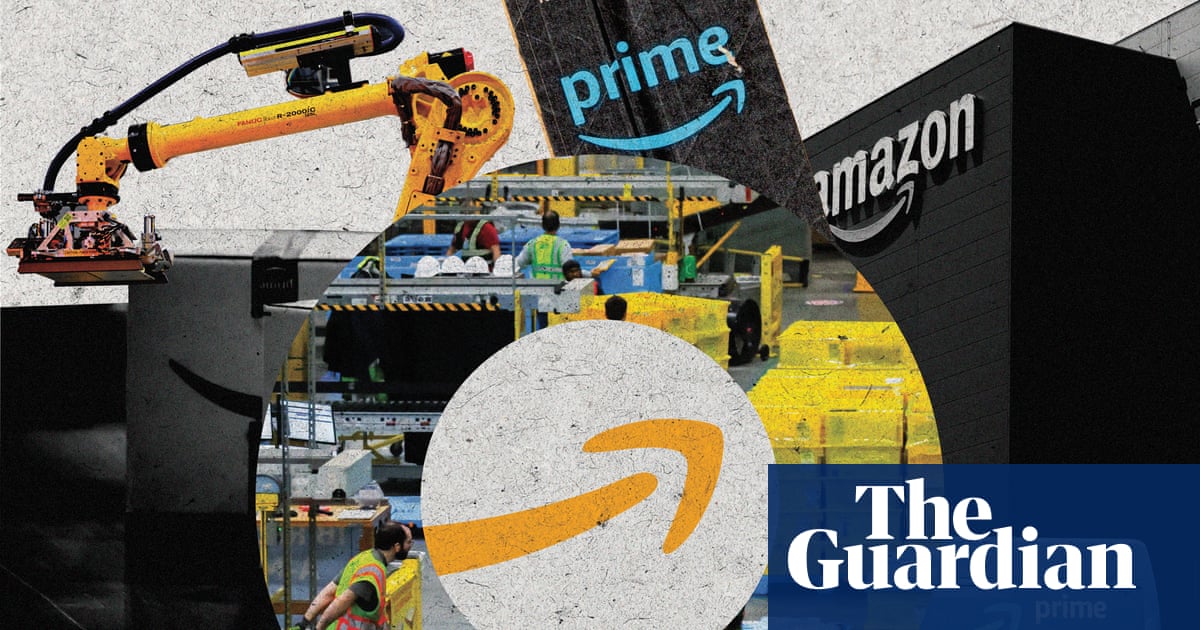
2 months agoThe Warehouse Automation Seller Just Turned Profitable While the Retail Giant Builds Its Own
Investors face choosing Symbotic's newly profitable automation-as-a-service with volatile trading and insider selling or Amazon's scale-driven in-house robotics investment.
fromTasting Table
1 month agoThe Refrigerated Meal Brand From Costco To Avoid In Every Variety, According To Customers - Tasting Table
I am begging Kevin to stay away from Asian cuisine. I actively avoid Kevin. Several users on that thread speculated about why Costco would stock these items when they give off such a bad impression, with one user questioning the popularity of both Kevin's and another brand called Amylu.
Food & drink
fromMedium
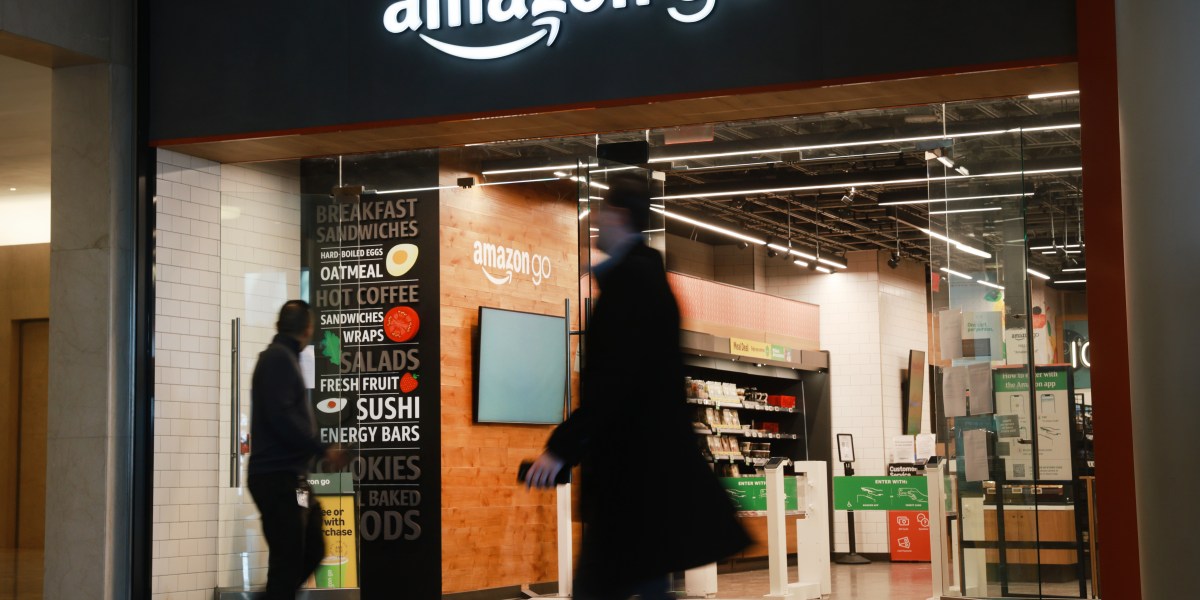
2 months agoAvoiding the "unexpected item in the bagging area" user experience on earth
The reason is a lack of user research to understand how people think and act when shopping, and how they navigate their way through the experience to get it done. It's the user experience concept of a mental model, if you want to get fancy, or the application of a system matching the real-world heuristic they teach you about in college.
UX design
fromTasting Table
1 month agoThese 9 Grocery Items Might Be More Difficult To Find In 2026 - Tasting Table
Many of us take the simple, everyday task of grocery shopping for granted. You walk through the doors, grab a cart, throw in the things you need, pay the (ever-increasing) bill, and then go on your way. In theory, it should be simple. But actually, grocery shopping can be challenging, especially when the things you need aren't on the shelves.
Agriculture
fromFortune
2 months agoHow Walmart is using AI to reroute essential supplies ahead of Winter Storm Fern | Fortune
From a meteorological perspective, the winter storm sweeping across the country this weekend is a supply chain disruption in its own right: A high-pressure system from the north is smashing into a low-pressure system from the south, belting large swaths of the US with heavy snow, sleet, and freezing rain. While the snarl in the upper atmosphere could trickle down to the real supply chain on the ground, some retailers are taking steps to anticipate the impact of the storm and position their products accordingly.
Data science
fromdzone.com
2 months agoManaging Changing Hardware/Peripherals in a Robust POS
Retail point-of-sale systems today offer a wide range of options for peripherals and hardware. Their technical specifications play a major role in selection, and big retailers often choose multiple vendors to reduce a single point of failure. This gives them an advantage to negotiate price or support as well. Technically, these peripherals also require updating with new models and may have new feature sets. This necessitates the redevelopment of point-of-sale applications, increasing development costs.
Information security
E-Commerce
fromBusiness Matters
1 month agoSupplier Verification: A Practical Guide for Smarter Global Sourcing
Supplier verification is a strategic necessity in global trade, requiring thorough assessment of legal status, production capability, quality systems, financial stability, and regulatory compliance before establishing business relationships.
fromLondon Business News | Londonlovesbusiness.com
2 months agoIs cantilever racking right for your warehouse? - London Business News | Londonlovesbusiness.com
Designed specifically for loads with length or irregular shape, cantilever systems are widely used across manufacturing, builders' merchants, and industrial storage environments. What is cantilever racking? Cantilever racking consists of vertical columns with horizontal arms extending outwards to support loads. Unlike pallet racking, there are no front uprights or obstructions, which makes loading and unloading long items safer and more efficient. This open design allows materials to be handled by forklift, side loader, or manually, depending on the application.
Business
fromFuturism
1 month agoAI Is Destroying Grocery Supply Chains
Whole Foods shelves sit empty after a data breach shut down its wholesale distributor. Meat packers working for JBS Foods are paralyzed as an $11 million ransomware attack takes out their processing facilities. Some 2.2 million workers at Stop & Shop and Hannaford have their personal data exposed as the result of a cyberattack on parent company Ahold Delhaize USA. These scenarios, straight from a William Gibson novel, are becoming increasingly common in supply chains across the world.
Food & drink
fromLondon Business News | Londonlovesbusiness.com
2 months agoHow to build a more reliable end-of-line packaging process - London Business News | Londonlovesbusiness.com
End-of-line packaging often sits at the quiet end of a production line, yet it carries an outsized responsibility. This is the final checkpoint before products leave your facility, meet customers, and represent your brand in the real world. A single error here can undo hours of upstream efficiency and compromise overall product integrity. That's why building reliability into this stage is essential for both operational efficiency and customer satisfaction.
Business
fromLondon Business News | Londonlovesbusiness.com
2 months agoFood safety and compliance: How smart refrigeration protects your business - London Business News | Londonlovesbusiness.com
Refrigeration is one of the most important elements of a successful food safety program, regardless of whether you run a retail operation, catering service or restaurant. Smart refrigeration technologies allow for greater protection against spoilage, reduced time spent monitoring refrigerators/freezers and the ability to provide inspections without the need for manual monitoring. Keep reading to find out how smart refrigeration technology works, and the ways in which it protects your business.
Food & drink
fromThe Business of Fashion
2 months agoHow Integrated Technology Is Reshaping Retail Operations
The technology underpinning retail operations is under scrutiny in 2026 as fashion executives look to streamline systems with the aim to unlock efficiency, cut costs and meet consumer expectations for speed and personalisation in the shopping journey. At the retail event Lightspeed Edge on 12 January, Lightspeed - the unified point-of-sale (POS) and payments platform for SMEs such as Apricot Lane Boutique and Neal's Yard Remedies - convened industry leaders to explore the strategic imperative for integrated technology ecosystems over siloed systems.
E-Commerce
fromForbes
1 month agoFrom Click To Doorstep: Why Delivery Experience Is The Last Brand Impression
That's a problem. Without a doubt, a great website and top-level marketing will help generate new sales, but it's the delivery experience that warrants future ones. This is because today's consumer not only has options for where they'll buy but also a high set of expectations. What's more, they remember the way a product arrives at their doorstep more than how it was sold.
E-Commerce
fromForbes
2 months agoHow To Take Advantage Of Technology In CPG Marketing
Statistics from the 2025 holiday shopping season clearly show that AI is playing a huge role in how people shop. But new research from retail payment platform Adyen found that many consumers are ready for AI to become their personal shopper. Just over half-51%-said they're open to letting AI take over the entire shopping process, including making final purchases. Millennials are the most willing to let agents do their shopping, with nearly three in five saying they are ready for such a shift.
E-Commerce
[ Load more ]