OMG science
fromFuturism
16 hours agoAstronomers Discover Major Clue About 3I/ATLAS' Origins
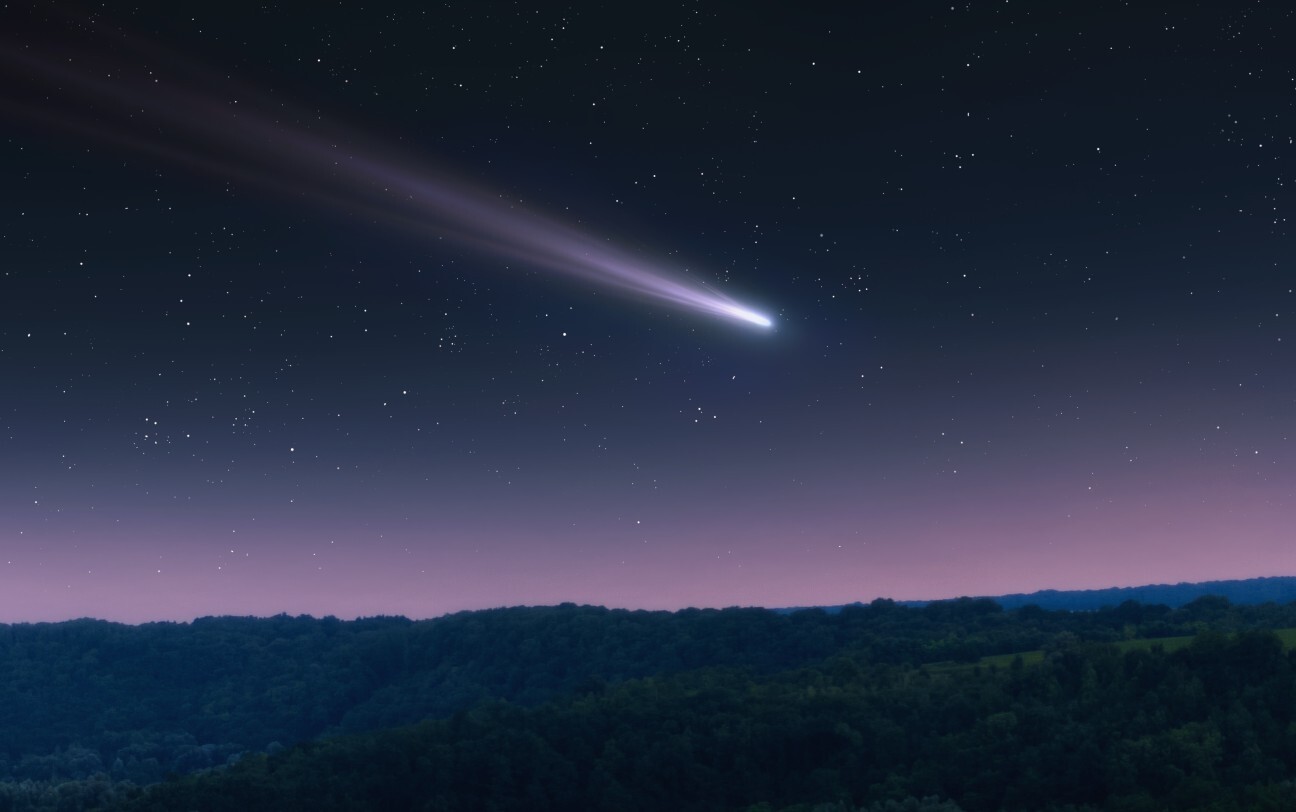
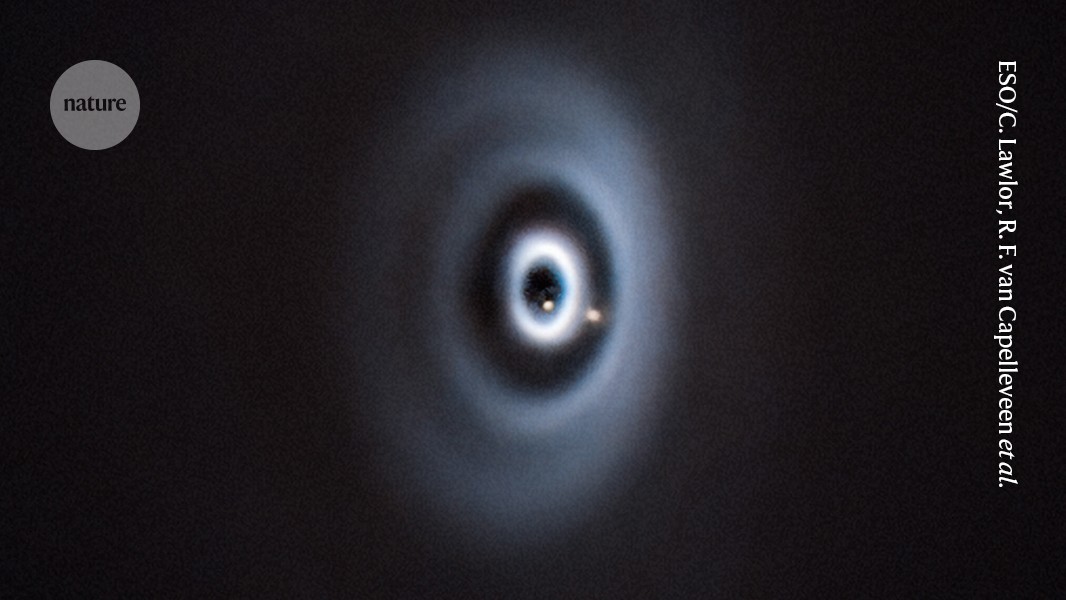
3I/ATLAS, an interstellar visitor, likely originated from a cold region of the Milky Way, containing high amounts of heavy water.
Venus suffered a massive runaway greenhouse effect, filling its atmosphere with heat-trapping carbon dioxide, resulting in 90 times the surface pressure of Earth and temperatures above 460 degrees Celsius.
Since every planet spins at a different speed, the gears are built with different ratios: Earth takes about 24 hours to spin once, Mars takes about 24.6 hours, Jupiter spins much faster, and Saturn spins fast too. Because of this, each dial shows the real day cycle of that planet, so the clock doesn't calculate time digitally.
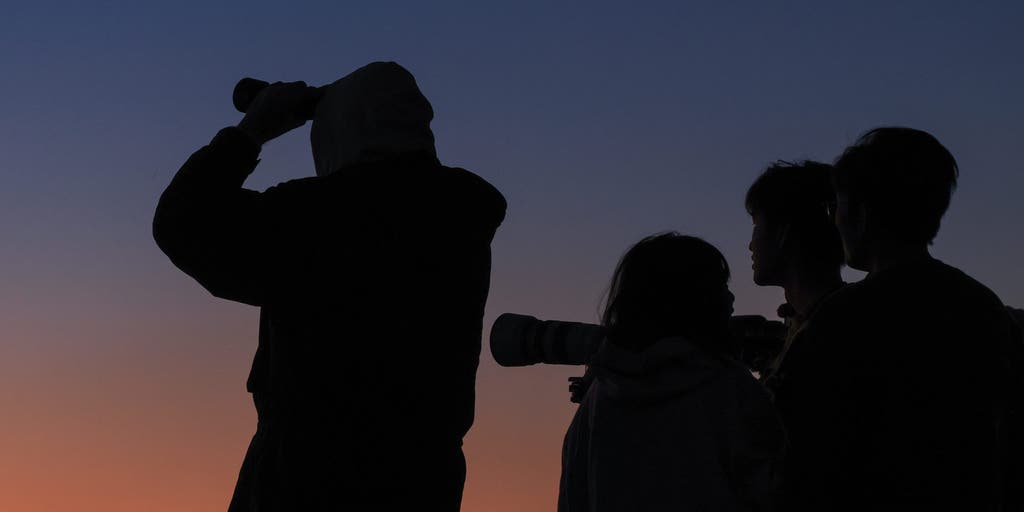
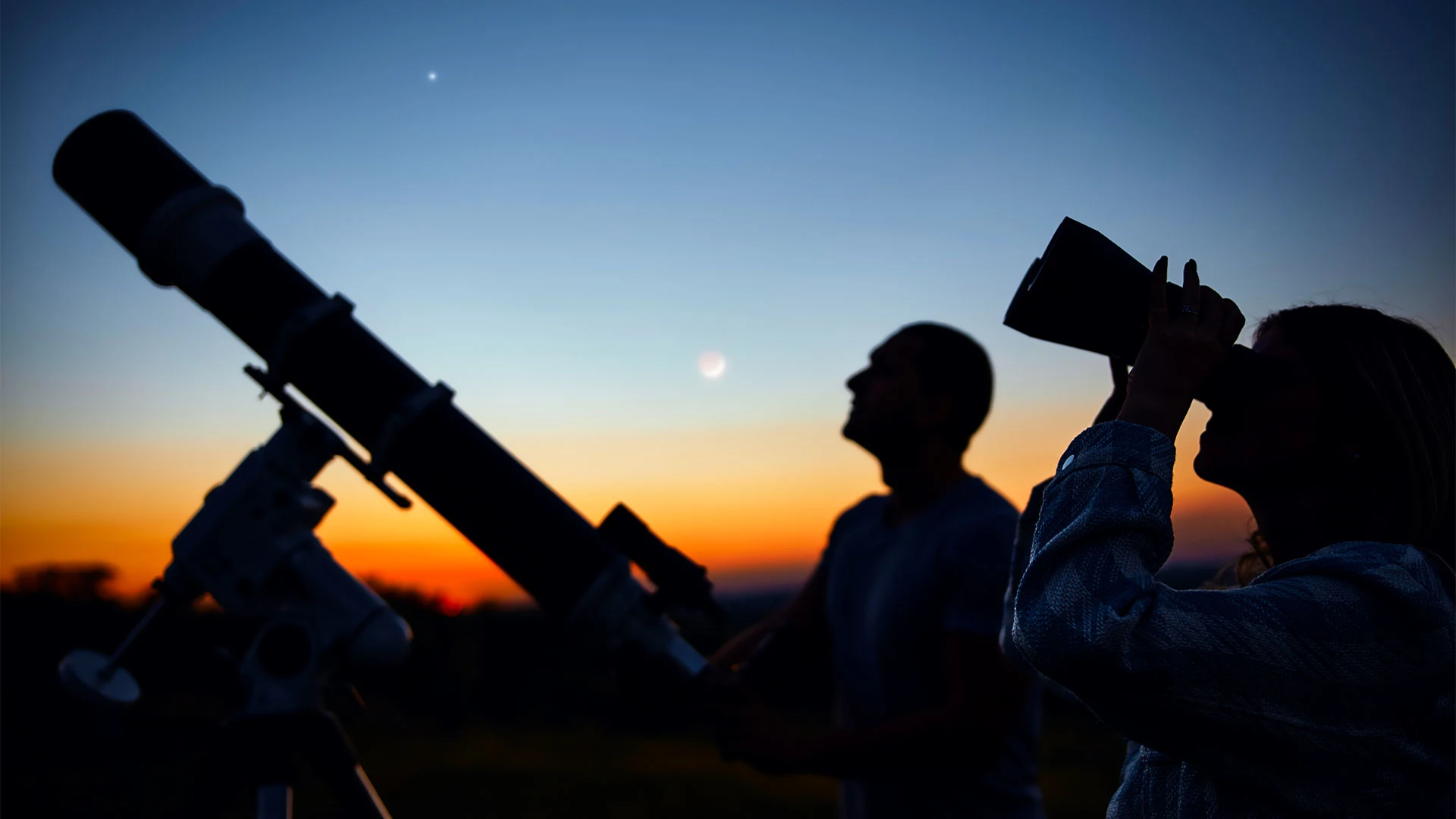
There is a profound, quiet magic in standing alone under a truly dark sky, but the experience becomes something else entirely when shared with a community of fellow explorers. Star parties are the heartbeat of this experience: communal, high-energy gatherings where everyone from veteran astronomers to total beginners can share a wide-angle view of the cosmos. It's a chance to level up your astrophotography skills, learn the latest in deep-space science from experts,
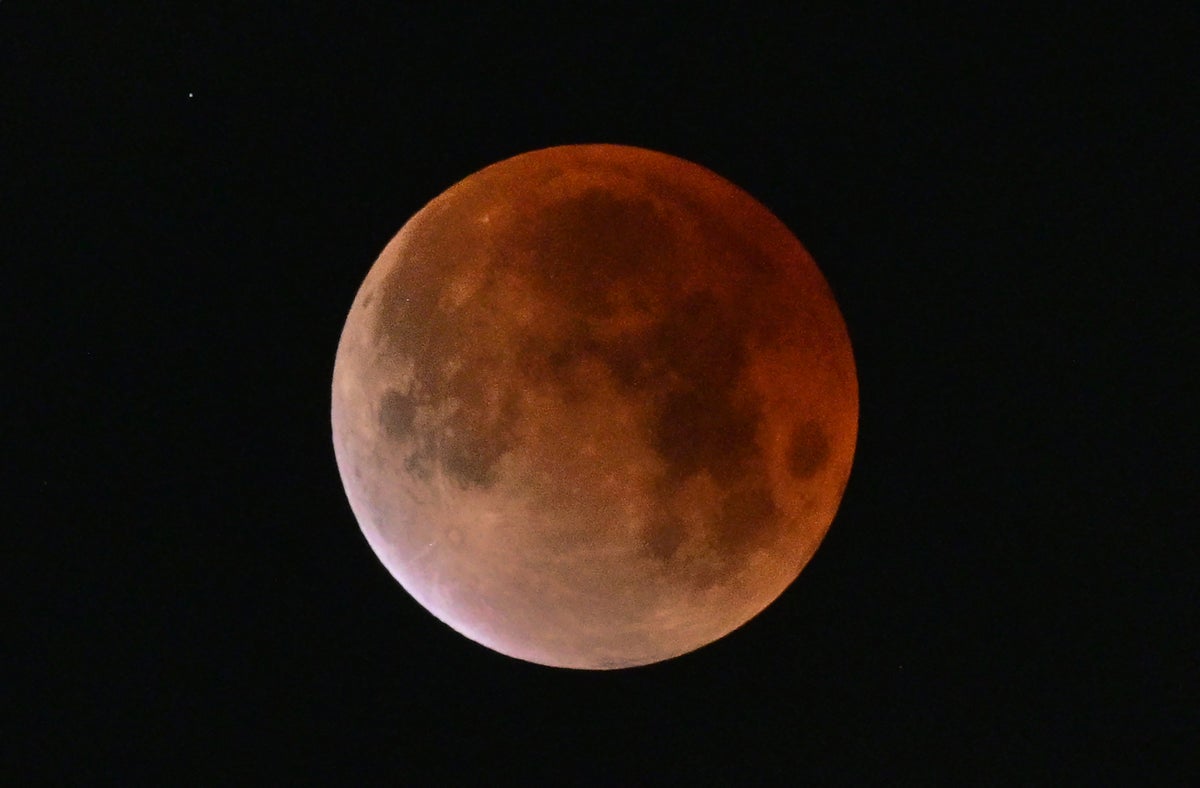
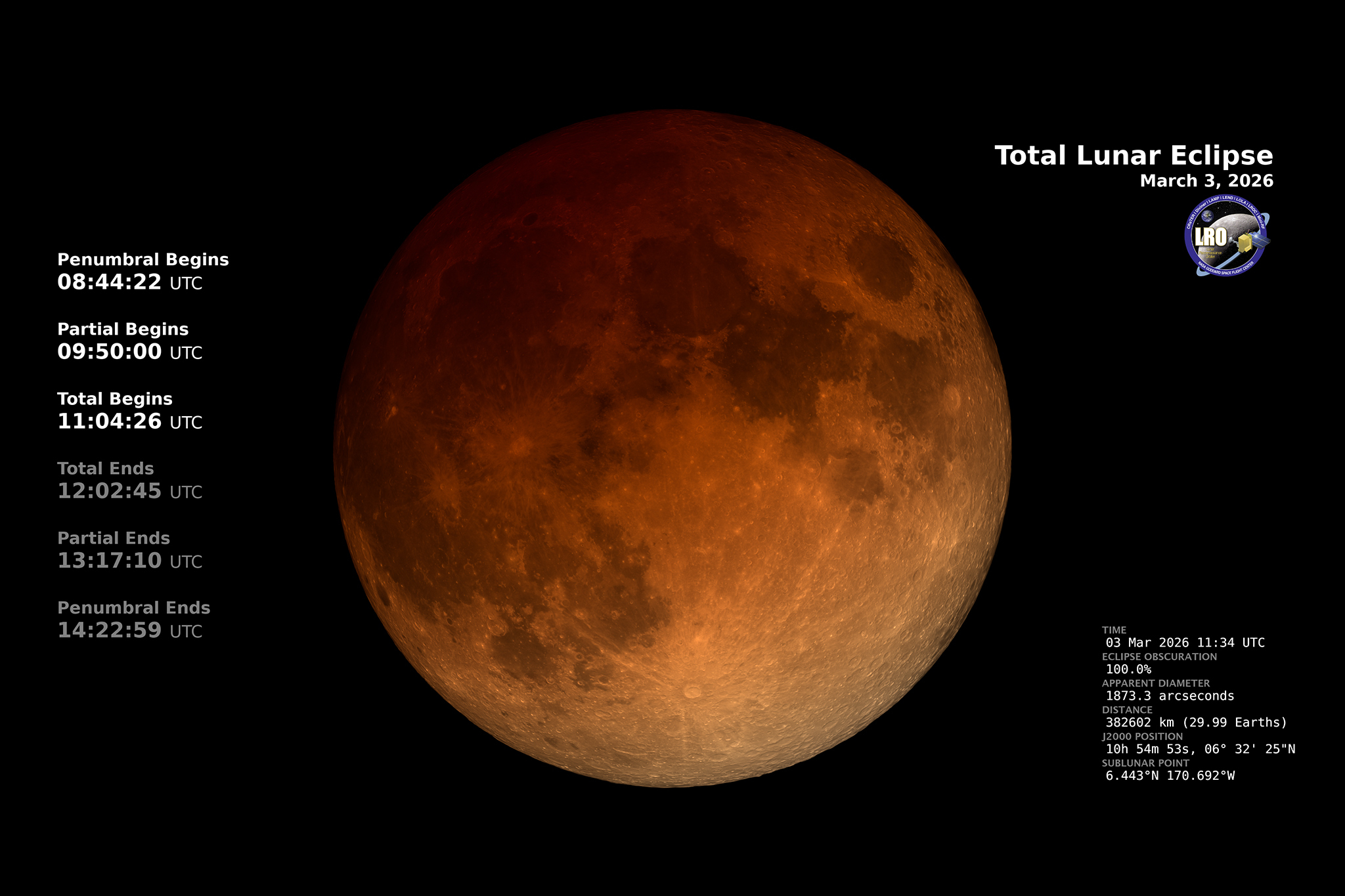
The first major astronomical event visible in 2026 is a total lunar eclipse, or "blood moon." This phenomenon is highly prized by stargazers because the entire lunar disk takes on a reddish color for a few moments. The total lunar eclipse will occur on March 3. It will be clearly visible in North and Central America, while in Central and South Asia it will only be partially visible.
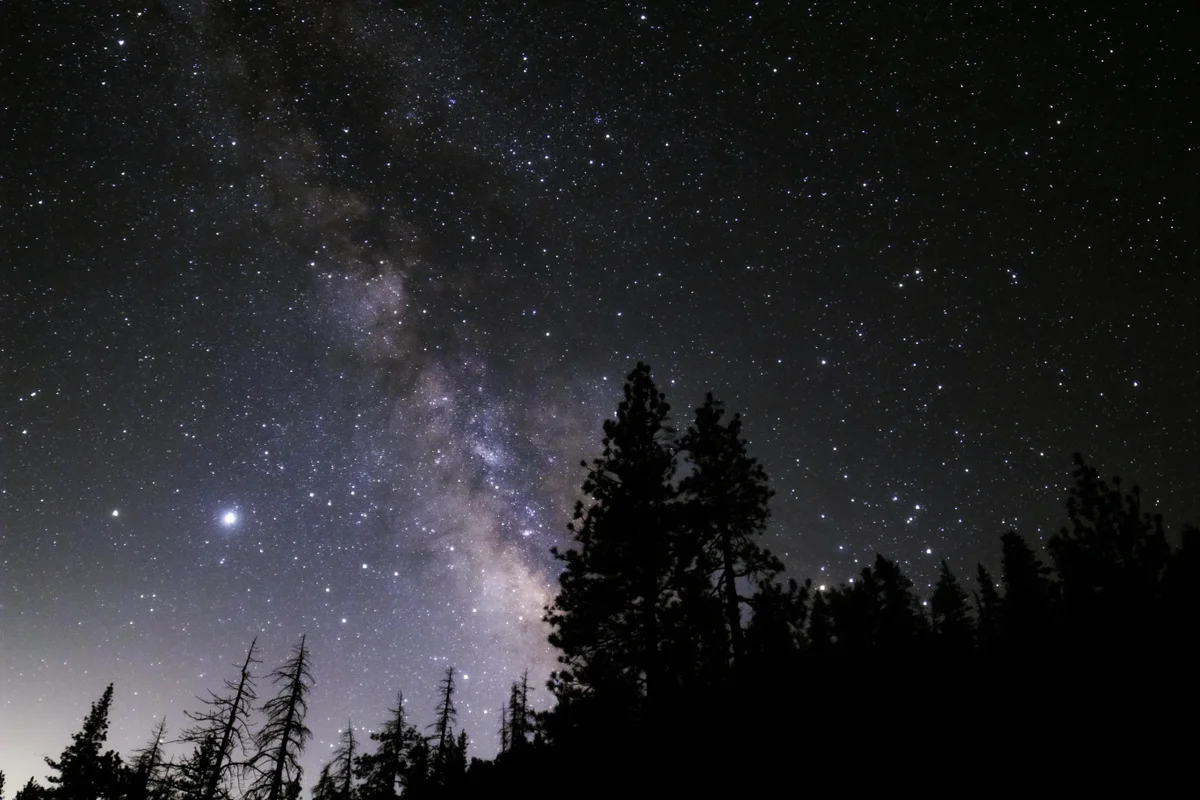
After years of traveling the globe in search of the darkest skies still possible in an increasingly bright world, I've learned something that surprises a lot of people: truly experiencing the night isn't just about where you go-it's about when you go. If I had to share just one astrotourism tip with travelers, it would be this: plan your trip around the new moon. It sounds almost too simple, but the difference it makes is dramatic. When the moon is absent from the night sky, darkness returns in a way that feels almost ancient. Stars multiply. Constellations become easier to trace. And in truly dark places, the Milky Way often reveals itself as a glowing, dusty band stretching from horizon to horizon.


:max_bytes(150000):strip_icc()/TAL-full-snow-moon-FEBNIGHTSKY0126-e02bfa5d0cde402caa8483c084b7882b.jpg)