#public-spaces
#public-spaces
[ follow ]
#architecture #public-space #design #urban-design #urban-planning #brooklyn #new-york-city #sustainability



fromdesignboom | architecture & design magazine
11 hours agoglazed facade cuts through monolithic brick community center within paris park
The architectural approach emphasizes simplicity, durability, and contextual integration, with brick as the primary material for its structural capacity and long-term performance.
Renovation
#milan-design-week
Renovation
fromdesignboom | architecture & design magazine
10 hours agolina ghotmeh floods milan's palazzo litta with pink labyrinthine landscape
Palazzo Litta is transformed into a dynamic, inhabitable landscape with Lina Ghotmeh's installation, creating a dreamlike experience during Milan Design Week 2026.
fromSnowBrains
15 hours agoEfforts Underway to Upgrade Infrastructure at Park City, UT, Ahead of 2034 Olympics - SnowBrains
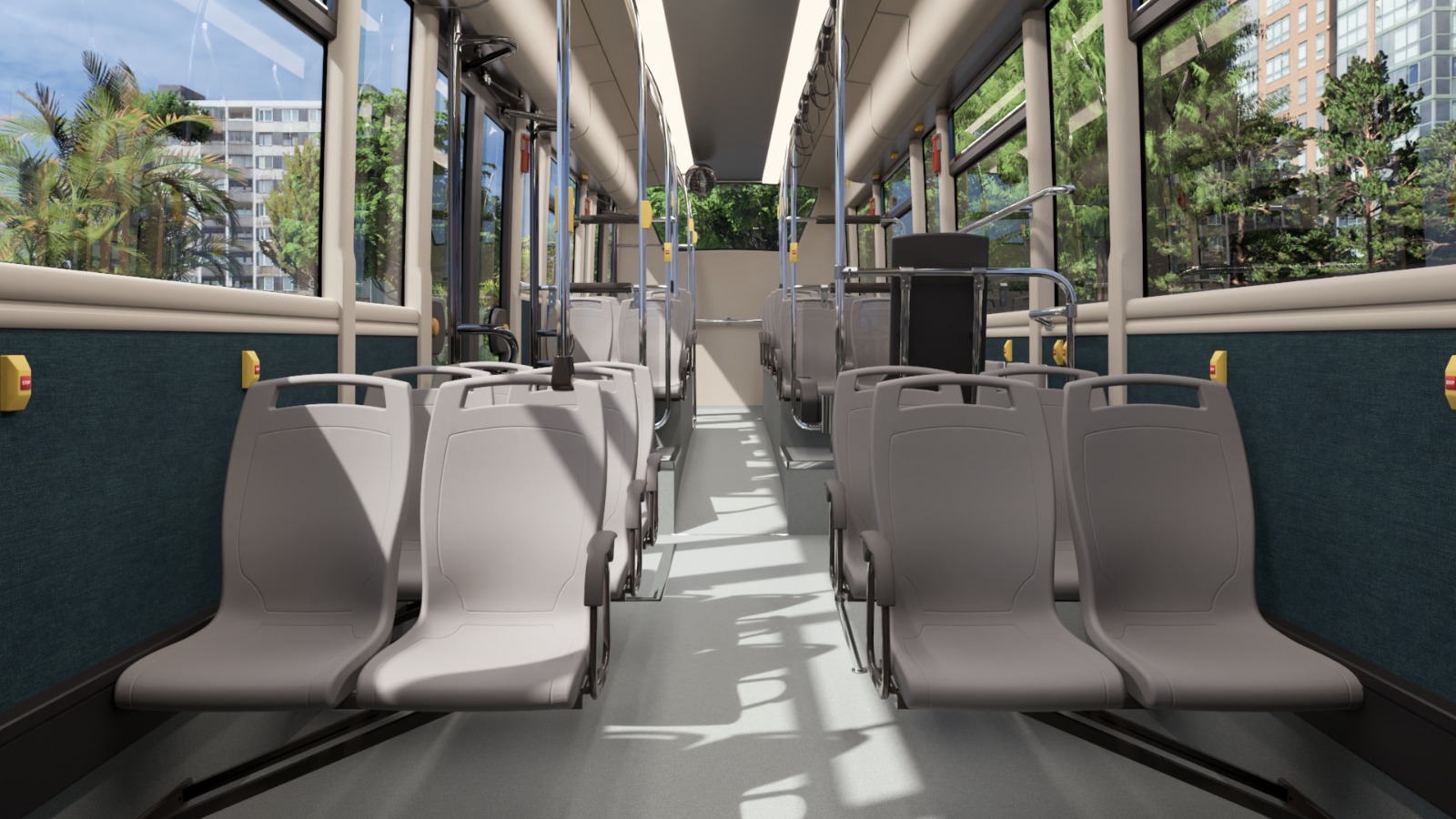
The Silverlode Express Lift, built in 1996, is known for having long lines, servicing many popular runs and being the closest lift to the Quicksilver Gondola. The new proposal aims to upgrade it from a six-chair to an express eight-chair lift, increasing uphill capacity from 3,000 to 3,600 skiers per hour.
Snowboarding
Travel
fromTravel + Leisure
1 day agoThis Charming City in the South Has One of the Largest Urban Forests in the U.S.-and It's Only a 2.5-hour Drive From Charleston
Aiken, South Carolina, offers rich history, equestrian culture, and outdoor activities, making it a worthy destination alongside Charleston.
fromDesign Milk
3 days agoSabah House NYC Pays Homage To Set + Setting
Sabahs are made entirely by hand from 100% leather in either Texas or Turkey—two regions with distinct yet deeply rooted relationships to the material. The result is a shoe that varies subtly from pair to pair, even within the same size.
Brooklyn
#architecture
Renovation
fromYanko Design - Modern Industrial Design News
21 hours agoThis Sharp-Cornered Lithuanian Home Only Exists Because Planning Rules Wrecked the Original Design - Yanko Design
The Trim House by KWK Promes adapts to new planning regulations, resulting in a unique triangular design that enhances its architectural interest.
Renovation
fromYanko Design - Modern Industrial Design News
21 hours agoThis Sharp-Cornered Lithuanian Home Only Exists Because Planning Rules Wrecked the Original Design - Yanko Design
The Trim House by KWK Promes adapts to new planning regulations, resulting in a unique triangular design that enhances its architectural interest.
fromArchDaily
1 month agoDesigning the Sensory City: Architecture, Light Pollution, and Urban Noise
For most of human history, night arrived as a planetary certainty. Darkness spread across landscapes, and the sky revealed thousands of stars. Today, that sky is disappearing. Artificial light spills upward from cities, scattering through the atmosphere and turning night into a permanent haze. Research mapping global sky brightness shows that more than 80 percent of humanity now lives under light-polluted skies, and the Milky Way has vanished from view for over a third of the world's population.
Environment
fromwww.dw.com
2 months agoThe city that swapped parking for green space
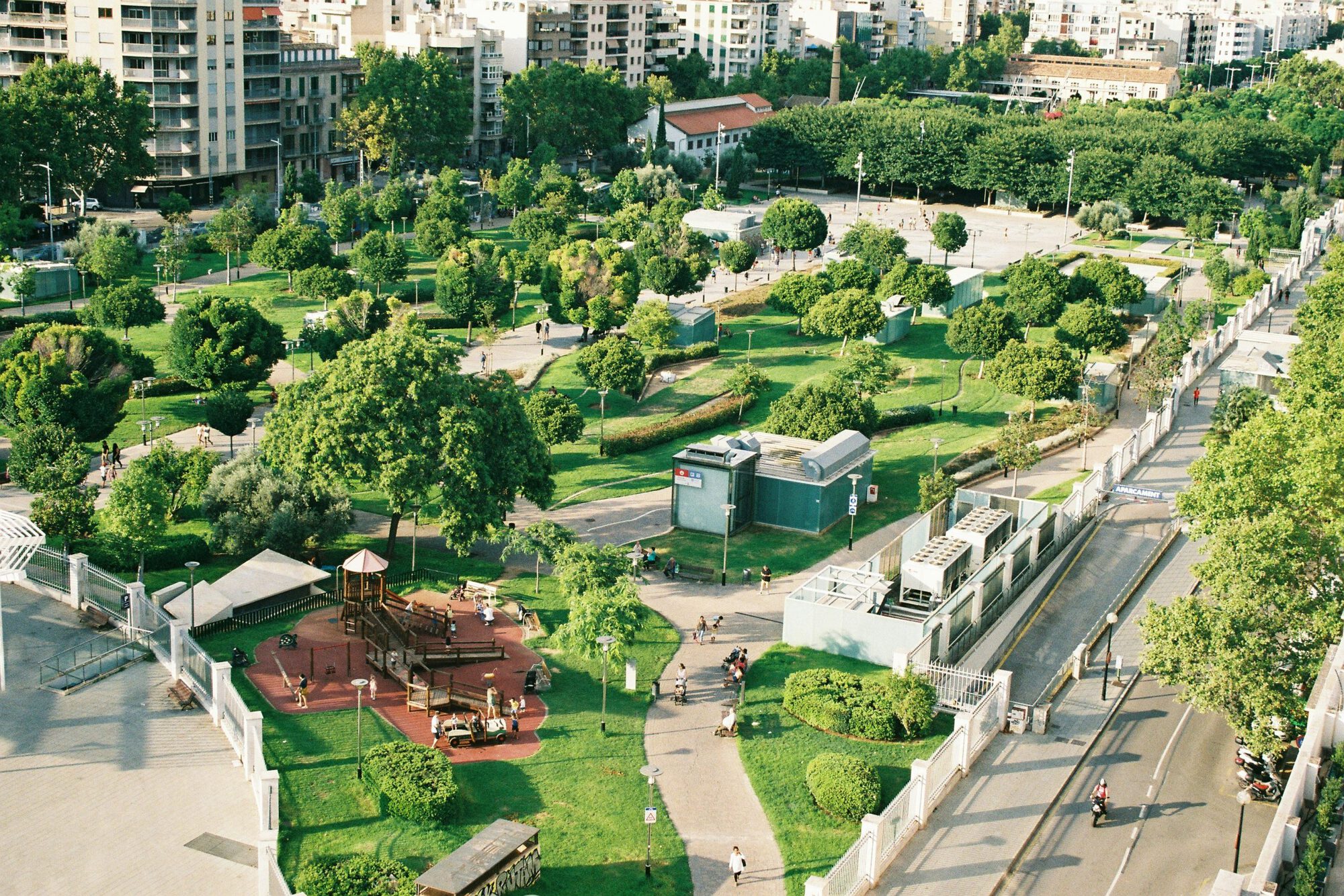
Though they're individually tiny, parking spots quietly play a dominant role in shaping urban landscapes. Most US cities dedicate at least 25% of their developable land to them. Some, even more. That land usage doesn't only determine the way a city looks. It also means covering large swathes of urban areas in heat-absorbing asphalt, which contributes to making summers hotter and heightens the risk of flooding since it prevents drainage during storms and heavy rainfall.
Miscellaneous
fromFast Company
1 month agoWhy urban planners should strive for 'the photo album standard'
My family had Slide Show Night when I was growing up. Not every Saturday, but a whole bunch of Saturdays. Either my sister or I would be in charge of setting up the projector, the screen, and loading the carousel. During the show, there'd be a few landscapes or skylines taken during vacations, but almost all the shots were up close. Like most dads, mine wasn't a professional photographer, but he did a good job of capturing memory triggers: faces, gestures, and decorations.
Photography
fromFast Company
2 months agoWhat is Complete Streets design and why should we all be using it?
In the 1950s, the Air Force designed cockpits for the average pilot by measuring thousands of pilots and calculating the average for ten key physical dimensions-height, arm length, torso size, etc. They assumed most pilots would be close to average in most dimensions. When researchers actually checked, they found that out of 4,063 pilots, exactly zero were average on all ten dimensions.
Cars
fromArchDaily
2 weeks agoThe Illusion of Lightness: Designing Civic Voids for Public Life
The original intent of pilotis was to create a sense of lightness that would allow circulation and light to flow beneath a structure, but contemporary requirements render thin columns insufficient for large-scale civic projects.
Renovation
Miscellaneous
fromArchDaily
1 month ago7 Unbuilt Masterplans Reimagining Urban Futures Through Ecology and Collective Space
Unbuilt urban masterplans explore adaptive spatial frameworks that recalibrate mobility, ecology, and collective life through climate-responsive design and public space integration across diverse global contexts.
New York City
fromNew York Daily News
1 month agoWhat future for dining sheds?: Return our streets to their real purpose for vehicles
Permanent outdoor dining sheds in curbside parking lanes create operational problems for snow removal and street cleaning while providing unfair competitive advantages to some restaurants over others.
[ Load more ]