Artificial intelligence
fromFast Company
44 minutes agoWorkers are using AI to learn on the job, even though 65% worry about accuracy
Employees are increasingly using AI to enhance their skills and productivity, despite concerns about its accuracy.
Chef Robotics has recently reached a remarkable milestone by completing 100 million servings in production, underscoring the company's commitment to innovation and the importance of automation in food manufacturing.
Raven Tech's system combines detection, autonomous flight, and net-based capture to neutralize unauthorized drones. Once an intruder is detected, the system deploys a drone to intercept and safely transport the rogue drone to a designated location.
Bayer is supplementing human security patrols around its 8,000 acre Hawaiian corn farm with robotic security dogs, supplied by the tech firm Asylon. The Asylon dogs are meant to guard the company's precious maize from vandals, wildfires, wild fauna, and other hazards around the clock.
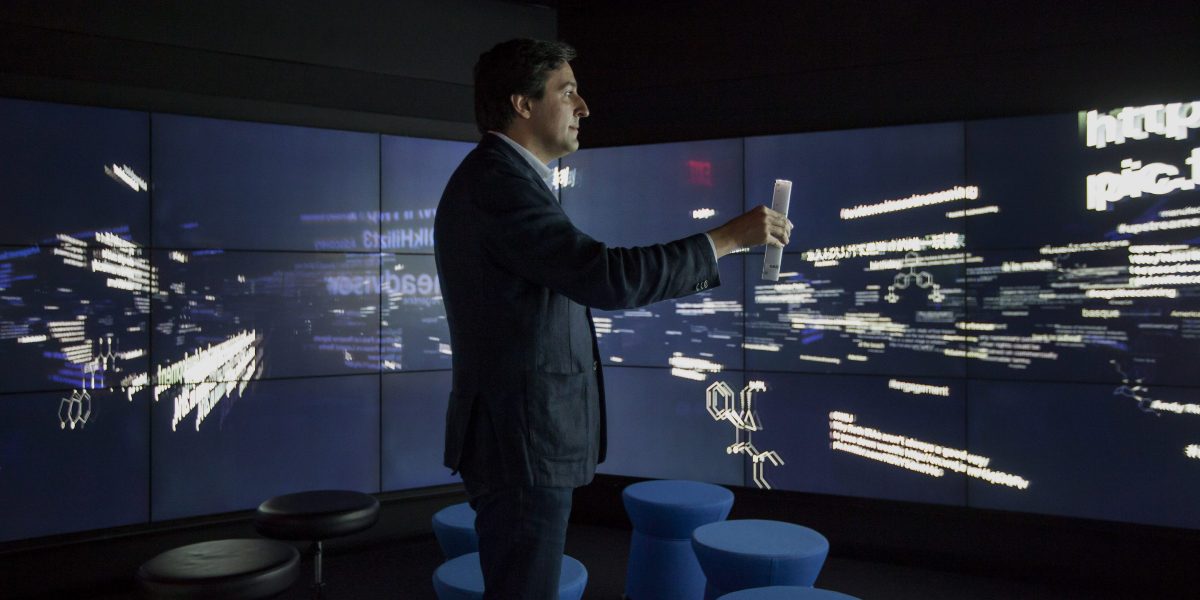
Waygate Technologies, headquartered in Germany, specializes in seeing what cannot be seen with the human eye. Its computed tomography scanners, radiographic imagers, ultrasonic probes, and remote visual inspection systems detect internal flaws in turbine blades, engine blocks, pipeline welds, and pharmaceutical containers before those flaws become failures.
We are now in a time of manufacturing where precision is more than a technical necessity; it's a business requirement. The more complex, globally dispersed and demanding things get, the less slack remains in the system. Under these circumstances tolerance management has become a decisive competence and affects competitiveness not only in terms of controlling costs, ensuring quality and improving production efficiency but also for long term market success.